
When your dog gets hurt, the first thought is often, “What can I put on this wound?” You can use mild salt water or a very diluted antiseptic solution designed for pets. Never use alcohol, hydrogen peroxide, or human antibiotic creams unless a vet tells you to. Treating a wound correctly at home can prevent bigger problems until you can get professional canine injury treatment.
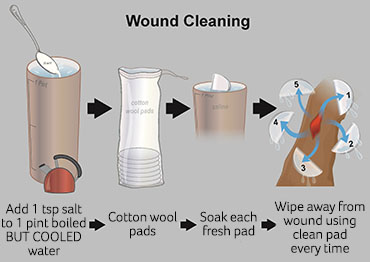
Image Source: www.pdsa.org.uk
Immediate Steps for Treating a Dog’s Wound
Seeing your dog in pain or bleeding is scary. Taking fast, calm action is vital for good dog wound care. Your main goals are to stop the bleeding, clean out dirt, and keep the area safe from more harm.
Stopping the Bleeding
If the wound is actively bleeding, you must apply firm, gentle pressure.
- Use a clean cloth, gauze pad, or even a clean towel.
- Press directly onto the wound.
- Hold the pressure steady for five to ten minutes. Do not peek to check! Peeking can break the clot that is trying to form.
- If the cloth soaks through, do not remove it. Just place another cloth on top and keep pressing.
If bleeding does not stop after 15 minutes of firm pressure, you must go to the vet right away.
Assessing the Injury Severity
Not all cuts need the same level of care. Knowing what you are dealing with helps you decide the next steps for dog wound care.
| Wound Type | Description | Urgent Care Needed? |
|---|---|---|
| Scrape (Abrasion) | A shallow rub on the skin, like road rash. | Usually not, if minor. |
| Laceration | A deep cut with ragged edges, often bleeding heavily. | Yes, needs stitches often. |
| Puncture Wound | A small hole from a bite or a sharp stick. | Always see a vet; deep infection risk. |
| Puncture Wounds | Deep holes from bites or sharp objects. | Yes, risk of deep infection. |
How to Clean a Dog’s Open Wound Safely
Cleaning the wound is the most important step to prevent infection. This process is key for how to clean a dog’s open wound effectively without causing pain or damage.
Rinsing Out Debris
The first wash should flush out dirt, hair, and small debris.
- Use lukewarm tap water or sterile saline solution. Saline (salt water) is best if you have it. You can make a mild saline solution yourself: dissolve one teaspoon of salt in two cups of warm water.
- Pour the water or saline over the wound. Let gravity help wash the dirt away.
- Do this gently. Do not scrub the wound, as this can push germs deeper or damage tissue.
Choosing the Right Antiseptic for Dog Cuts
Using the wrong cleaner can hurt the delicate healing tissue. You need a safe antiseptic for dog cuts.
Safe Options:
- Povidone-Iodine (Betadine): This is a common choice. You must dilute it properly. It should look like weak tea, a light tan or yellow color. If it is dark brown, it is too strong and can burn the skin.
- Chlorhexidine Solution: This is often favored by vets. It is very effective against bacteria and is usually safe for skin wounds when diluted correctly according to product instructions.
Things to Never Use:
- Hydrogen Peroxide: While it bubbles and seems to clean, it actually damages healthy cells, slowing down healing.
- Rubbing Alcohol (Isopropyl): This stings badly and severely dries out and damages the skin tissue.
- Human Creams (Neosporin, etc.): Many human antibiotic ointments contain ingredients that can be toxic to dogs if they lick the area.
Drying and Protecting the Area
After rinsing and applying the antiseptic, gently pat the area dry using clean gauze or a soft cloth. Do not rub.
If the wound is minor, you can proceed to applying a protective layer. For deep or large wounds, skip right to the vet visit.
Applying the Best Ointment for Dog Wounds
What you put on the wound matters just as much as how you clean it. The goal is to keep it moist but protected. This is where choosing the best ointment for dog wounds is crucial.
Vet-Recommended Topical Treatments
Vets often recommend specific products that promote healing and prevent infection without harming your dog.
- Triple Antibiotic Ointment (Plain Neomycin/Bacitracin): If you must use an antibiotic cream, choose one without pain relievers like lidocaine. Pain relievers can be irritating or toxic if licked. Always check with your vet first.
- Medical-Grade Honey: Certain medical honeys (like Manuka honey) have proven antimicrobial and healing properties. This is often used in advanced veterinary wound dressing.
- Prescription Creams: Your vet may prescribe topical steroids or specialized antibiotic gels based on the wound type and level of infection risk.
The Danger of Licking
Dogs naturally lick their wounds. This habit is the biggest enemy of wound healing. Saliva is full of bacteria, and licking can reopen stitches or pull out scabs.
- You must stop your dog from licking.
- An Elizabethan collar (the “cone”) is usually the best solution.
- If the wound is on a leg or tail, a soft protective bootie or bandage (applied by a vet) might be necessary.
Home Remedies for Dog Wounds: Use With Caution
Many owners look for quick fixes using home remedies for dog wounds. While some natural options have mild benefits, they should only be used on very minor scrapes after thorough cleaning, and always after consulting your veterinarian.
Safe Natural Options (For Minor Scrapes Only)
Epsom Salt Soaks
Epsom salts can help draw out fluid and soothe minor swelling in paw injuries or very superficial cuts.
- How to Use: Dissolve a small amount of Epsom salt in warm water. Soak the affected paw or area for five minutes, two times a day. This is not for deep cuts.
Calendula or Chamomile Tea
These herbs have mild soothing and anti-inflammatory effects.
- How to Use: Brew a strong batch of tea, let it cool completely. Use the cooled liquid to gently dab the superficial wound area. This works best for mild irritation or surface redness.
Aloe Vera
Pure aloe vera gel (straight from the plant or 100% pure bottle) can be soothing for mild skin irritation.
- Caution: Ensure it is pure aloe. Many lotions have additives harmful to dogs. Do not use if the wound is open and bleeding.
Natural Remedies for Dog Skin Wounds (Superficial Only)
When dealing with natural remedies for dog skin wounds, remember that effectiveness varies and they should not replace proper medical care for anything deep.
| Natural Remedy | Potential Benefit | Major Caution |
|---|---|---|
| Calendula | Soothing, reduces mild inflammation | Ineffective against serious bacteria. |
| Coconut Oil (Virgin) | Moisturizing, slight antimicrobial action | Can trap bacteria in deep wounds. |
| Honey (Food Grade) | Antibacterial, promotes moist healing | Must be pure; risk if ingested in large amounts. |
Special Situations in Canine Injury Treatment
Different types of injuries need different approaches to canine injury treatment. Managing dog puncture wounds requires immediate, specialized attention.
Dealing with Puncture Wounds
Puncture wounds are tricky because they look small on the outside but can be very deep inside. They are often caused by teeth (bites) or sharp objects (like stepping on a nail).
- High Infection Risk: Bacteria from the object or mouth are driven deep into the tissue where air cannot reach. This creates a perfect breeding ground for severe infection (abscess).
- Veterinary Necessity: You must take your dog to the vet immediately. Cleaning requires flushing the deep tract under sedation. Often, vets will place a temporary drain tube to allow the wound to heal from the inside out.
Treating Bite Wounds
Dog or cat bites are extremely serious, even if they look minor.
- Flush Immediately: Use saline or clean water to wash out the bite area gently.
- Prevent Licking: Put a cone on your dog immediately.
- Vet Visit is Mandatory: Bite wounds almost always become infected because the canine mouth harbors aggressive bacteria. Your vet will likely shave the area, thoroughly clean it, and prescribe oral antibiotics. They may also decide if the wound needs to be left open to heal (delayed primary closure) or stitched closed immediately.
Managing Minor Scrapes and Surface Wounds
If the wound is just a scrape that hasn’t broken the skin deeply:
- Clean gently with mild soap and water, then rinse well.
- Apply a thin layer of safe ointment.
- Cover the area with a light, breathable dressing if possible, or simply monitor closely.
- Keep the area dry.
Veterinary Wound Dressing Techniques
For deeper cuts or surgical sites, proper bandaging or veterinary wound dressing is essential. This is usually best done by a professional.
A bandage serves three main roles:
- Protection: Keeps dirt, moisture, and licking away.
- Absorption: Soaks up any discharge or fluid from the wound.
- Support: Holds dressings in place and can minimize swelling.
Layers of a Professional Bandage
A typical vet bandage has three distinct layers:
- Primary Layer (Contact Layer): This touches the wound directly. It might be a simple, non-stick gauze or a medicated dressing applied with an antiseptic for dog cuts.
- Secondary Layer (Absorptive Layer): This is the thick padding layer, usually cotton or cast padding, designed to absorb fluid and provide cushioning.
- Tertiary Layer (Outer Protective Layer): This is the final layer, often cohesive wrap (Vetrap) or adhesive tape. It holds everything tight and keeps the outer environment away from the wound.
Crucial Tip: If a bandage gets wet, dirty, or slips, it must be changed immediately. A wet bandage traps moisture, creating a perfect environment for bacteria growth.
When to See a Vet for a Dog Wound
Knowing when to see vet for dog wound is crucial for a positive outcome. If you have any doubt, call your vet. Delaying care can lead to serious infection or complications.
Red Flags Requiring Immediate Veterinary Attention
Do not try home care if you see any of these signs:
- Bleeding that won’t stop after 10 minutes of direct pressure.
- The wound is gaping, meaning the edges don’t meet easily.
- You suspect a deep puncture or bite wound.
- The injury is on the eye, face, or joints.
- The wound is large (bigger than a quarter for a small dog, or larger than a silver dollar for a large dog).
- The wound occurred from an object that might be deeply embedded (like glass or a large splinter).
Signs of Infection After the Initial Injury
Even if you cleaned a minor wound well, infection can still set in over the next few days. Watch closely for:
- Redness and Swelling: The skin around the cut becomes increasingly red or swollen.
- Pus or Discharge: Oozing yellow, green, or foul-smelling fluid.
- Heat: The area around the wound feels warm to the touch compared to the surrounding skin.
- Pain: Your dog cries out or resists when you approach the area.
- Systemic Signs: Lethargy (tiredness), fever, or loss of appetite.
If you notice any of these signs, the initial dog wound care was not enough, and professional help is needed immediately to fight the infection.
Long-Term Healing and Monitoring
Healing takes time. Good monitoring ensures the process goes smoothly.
Keeping the Dog Comfortable and Calm
Stress slows healing. Keep your dog calm during the recovery period. Limit activity as advised by your vet. Running and playing can reopen a healing cut or dislodge internal sutures.
Checking the Dressing and Wound Site
If your vet has applied a dressing, teach yourself how to check it safely without removing it.
- Check the Toes (If Bandaged): If the bandage is on a limb, check the toes daily. They should feel warm and be normal in color. Cold, blue, or swollen toes mean the bandage is too tight and circulation is cut off. This requires an emergency vet visit to rewrap the limb.
- Odor Check: A slight healing smell is normal. A very foul odor suggests deep infection under the bandage or within the wound itself.
Nutrition Support
A well-nourished dog heals faster. Make sure your dog is eating a complete and balanced diet. High-quality protein supports new tissue growth. Your vet may recommend supplements like omega-3 fatty acids for skin health during recovery.
Fathoming the Healing Timeline
Healing rates depend on the type of wound, the dog’s health, and whether infection set in.
- Scrapes: May look better in 3–5 days, fully healed in 1–2 weeks.
- Simple Sutured Lacerations: Stitches usually stay in for 10–14 days. The underlying tissue is healing underneath.
- Deep or Infected Wounds: These can take weeks or even months to fully close and heal, often requiring ongoing medication and specialized care.
If the wound is not improving within the expected timeframe, revisit your vet to discuss the next steps in veterinary wound dressing or internal treatments.
Frequently Asked Questions (FAQ) About Dog Wound Care
Can I use Neosporin on my dog’s wound?
You can use plain Neosporin (triple antibiotic without pain relief) very cautiously on minor scrapes, but many vets advise against it because dogs often lick it off. It is safer to use products recommended by your vet or just saline solution for cleaning.
How long should I leave a bandage on my dog’s wound?
Never leave a bandage on longer than instructed by your veterinarian. Typically, bandages are changed every 1 to 3 days, or immediately if they become wet or soiled. Never try to change a complex bandage yourself unless taught by a vet technician.
Is it okay if my dog licks a small scab?
No. Licking introduces bacteria and removes the protective scab, delaying healing and increasing the risk of infection. Use an E-collar (cone) to prevent licking completely while the wound heals.
What is the best way to remove hair around a wound?
Use blunt-tipped scissors and carefully clip the hair away from the wound edges. Work slowly and gently, holding the hair up and away from the skin while cutting. Many owners find it easier and safer to have the vet or groomer use electric clippers during the initial cleaning phase.
Can I use tea tree oil on my dog’s wound?
No. Tea tree oil is toxic to dogs, even when applied topically in many concentrations, as they can easily lick it off. Avoid all essential oils unless specifically approved by your veterinarian for topical use in extreme dilution.