
What should I pack for my dog when boarding? You should pack enough food for the entire stay plus a few extra days, their regular bedding and toys, any necessary medications with clear instructions, vaccination records, and a sturdy leash and collar/harness with up-to-date tags. Preparing for a dog boarding stay involves careful planning to ensure your pet stays happy, safe, and comfortable while you are away. This detailed guide will walk you through every item you need for your pup’s time away from home, creating a comprehensive dog boarding checklist.
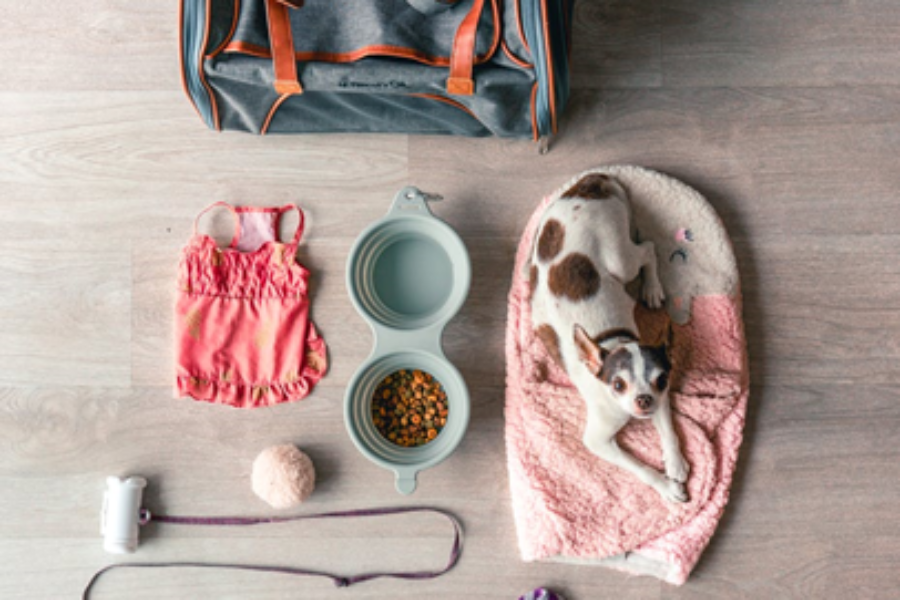
Image Source: twpethotel.com
Why Detailed Packing Matters for Boarding
When your dog stays at a kennel or with a sitter, routine is key. Any change can cause stress. Packing the right things helps keep things familiar. This makes the experience much better for your furry friend. Forgetting important dog boarding essentials can lead to problems like stomach upset or anxiety.
Making the Transition Smoother
Dogs thrive on what they know. Their favorite blanket smells like home. The food they always eat keeps their tummy happy. Sending familiar items for dog kennel stay reduces stress. It signals to your dog that this new place is safe. This is vital when preparing dog for boarding.
The Core Food and Feeding List
Food is perhaps the most critical item on your what to bring for dog boarding list. Sudden diet changes cause digestive upset.
Food Quantity and Type
Always pack enough food. It is better to have too much than too little.
- Amount: Pack food for the total stay duration. Add an extra 2-3 days’ worth. Boarding facilities sometimes have delays or unexpected extensions.
- Type: Bring their regular, measured food. Do not switch brands right before boarding. If the facility supplies food, ask if you can use your own brand instead.
- Treats: Pack a small bag of their favorite, high-value treats. These are great for training rewards or comfort.
Feeding Supplies
Use the same bowls your dog uses at home. This maintains routine.
- Food bowls (one for food, one for water).
- A long-lasting chew toy or puzzle feeder. This keeps them busy during feeding times.
| Item | Importance Level | Notes |
|---|---|---|
| Regular Dog Food | Essential | Enough for stay + 3 extra days. |
| Measured Portions (Optional) | High | Easier for staff if pre-bagged. |
| Favorite Treats | Medium | For positive reinforcement. |
| Food Bowls | Essential | Their familiar bowls work best. |
Health and Safety Necessities
Health records and medications are non-negotiable dog boarding supplies. Staff must know how to care for your dog’s health needs immediately.
Medications and Supplements
If your dog takes any pills, drops, or pastes, be very specific.
- Medication: Bring the actual prescription bottles if possible. Do not rely on the facility to have specialized meds.
- Instructions: Write down the exact dosage, time, and method of administration. Be clear about why they take it.
- Supplements: Include vitamins or joint supplements they take daily.
Medical Records
Kennels must verify your dog is healthy enough to stay.
- Vaccination Proof: Current rabies, distemper/parvo (DHPP), and Bordetella records. Most facilities require these records before check-in.
- Allergy Information: A clear list of all known food, environmental, or medication allergies.
- Vet Contact: The name, phone number, and address of your primary veterinarian.
Comfort and Safety Gear
These items ensure your dog is easily identifiable and secure.
- Collar/Harness: Their primary walking gear.
- Tags: Ensure ID tags are securely attached and current. Include your cell phone number.
- Muzzle (If Required): If your dog needs one for vet visits or grooming, send a well-fitting one.
Comfort Items: Making It Feel Like Home
One goal of your dog vacation packing guide is replicating home comfort. These items help ease separation anxiety.
Bedding and Blankets
The scent of home is powerful medicine for anxious dogs.
- Bed: Bring their favorite bed or a thick, washable blanket. Avoid expensive orthopedic beds that might get damaged.
- Scent Item: A t-shirt or small towel you have recently worn. Your scent is deeply comforting.
Toys and Entertainment
Boredom leads to destructive behavior or anxiety. Pack items for mental stimulation.
- Chew Toys: Sturdy, safe chews like KONGs or hard rubber toys. Avoid soft, squeaky toys that can be easily destroyed and swallowed.
- Puzzle Toys: If your dog loves treat-dispensing puzzles, include one or two.
- Quantity Control: Do not send too many toys. Staff might struggle to keep track. Two or three favorites are enough.
Important Note on Belongings
When packing for a dog boarding stay, remember that items can get lost or dirty. Label everything clearly with your dog’s name and your last name. The facility is not responsible for lost or ruined personal items.
Leashes, Collars, and Walking Gear
Never assume the facility has the right leash for your dog.
Leashes and Leads
- Regular Leash: A standard 4-6 foot leash for walks or yard time.
- Backup Leash: Always a good idea. If one breaks or gets misplaced, you have a replacement immediately.
- Harness vs. Collar: If your dog walks better on a harness, send that instead of relying only on a collar.
Waste Disposal
While kennels provide bags, some owners prefer their own specific brand or dispenser.
- A roll of your preferred poop bags.
Grooming and Cleanliness Supplies
Depending on the length of stay, some grooming items might be necessary, especially if your dog has specific skin needs.
Routine Care Items
- Wipes: Pet-safe wipes are excellent for quick clean-ups after potty breaks, especially for older dogs or those with messy habits.
- Brushes: If you know your dog needs daily brushing (e.g., long-haired breeds), pack the brush they use at home.
- Shampoo (If Necessary): If your dog has sensitive skin or requires a specific medicated shampoo, include a travel-sized bottle.
Dealing with Shedding or Mess
For longer stays, facilities often include bathing in their package, but always confirm this. If you are using a dog sitter packing list, they may appreciate specific cleaning tools if your dog is prone to accidents.
Specialized Needs and Considerations
Some dogs require extra steps to ensure their well-being away from home. This section addresses those special requirements for your dog boarding essentials.
Senior Dogs or Dogs with Mobility Issues
Older dogs need routine and specific comfort items.
- Ramps/Steps: If they use aids to get onto furniture or into cars, send those if applicable (though less common in standard kennels).
- Orthopedic Mats: If their standard bed is not supportive enough, send a specialized mat.
- Joint Support: Ensure all required joint supplements are packed clearly.
Anxious or Reactive Dogs
For dogs who get stressed easily, subtle comfort cues help immensely.
- Calming Aids: Pheromone sprays (like Adaptil) or prescribed anxiety aids. Ask the facility when they can be applied.
- Thundershirt or Anxiety Wrap: If your dog benefits from one during storms or loud noises.
Tiny Puppies
Very young puppies have unique needs that must be communicated clearly.
- Specific Formula: Puppy milk replacer or specific wet food formulas.
- Crate Setup: If they sleep in a crate, send the familiar bedding or blanket for that space.
Communication and Documentation: Preparing the Paperwork
The final piece of what to send with dog to boarding is information. Good communication prevents misunderstandings.
The Detailed Instruction Sheet
This sheet is the most important document. It consolidates all verbal instructions into one easy-to-read document.
- Emergency Contacts: Your contact, a local emergency contact (friend/relative), and your vet details.
- Feeding Schedule: Exact times and amounts.
- Behavior Notes: Triggers, fears (e.g., thunderstorm anxiety), and favorite ways to play.
- Medical Summary: All conditions, medications, and treatments.
Facility Policies Review
Before finalizing your dog boarding checklist, review the facility’s specific rules.
- Do they accept outside food?
- What is their policy on damaged toys?
- What is the check-in/check-out time window?
Packing Tips for Different Boarding Scenarios
The items you pack vary slightly based on where your dog is staying.
Boarding at a Commercial Kennel Facility
Kennels usually provide food, bowls, and sometimes beds. Focus on comfort and health specifics.
- Focus: Meds, labeled personal food, comfort items (smell/toy).
- Tip: Use heavy-duty, sealable bags for food storage to keep it fresh and protected.
In-Home Dog Sitter Packing List
When staying at someone’s home, you are taking over their routine temporarily. Bring more items to minimize disruption to the sitter’s household.
- Focus: All food, bowls, potty supplies (if the sitter uses different bags), and detailed house rules regarding feeding/walking.
- Tip: Bring your own crate if the dog must be crated overnight, rather than relying on the sitter’s setup.
Boarding with Friends or Family
This is usually the most relaxed, but clear communication is still key.
- Focus: Bedding, favorite toys, and specific dietary needs.
- Tip: Send enough of everything so they don’t have to run errands for your dog while you are gone.
Creating the Final Dog Boarding Supplies Kit
To make travel and drop-off easy, organize everything into a single bag or bin. This ensures you don’t leave anything important behind when preparing dog for boarding.
Organization Strategy
Use clear plastic bins or duffel bags. Keep medications and paperwork in a separate, easily accessible pouch.
| Category | Example Items to Include | Packing Container Suggestion |
|---|---|---|
| Food & Treats | Food bags, measuring cups, favorite chews. | Airtight container or sturdy plastic bin. |
| Health & Safety | Meds, instruction sheet, vaccine proof, ID tags check. | Small, waterproof pouch kept on top. |
| Comfort | Blanket, favorite toy, worn shirt. | Dedicated “Comfort Bag” inside the main luggage. |
| Walking Gear | Leash, harness, waste bags. | Clip onto the outside handle of the main bag. |
The Check-In Process: Finalizing Preparations
When you drop off your dog, use the time to confirm everything one last time. This confirms successful preparing dog for boarding.
Walk-Through at Drop-Off
- Show the Food: Point out the packed food supply. Confirm the number of days it covers.
- Review Instructions: Go over the emergency contact sheet with the staff member checking your dog in.
- Demonstrate Meds: If necessary, show staff exactly how you administer any tricky medications.
- Final Hug: Give your dog plenty of reassurance. A calm goodbye helps them settle faster.
If you have sent everything on your dog boarding checklist, you can leave knowing your pet has everything they need for a comfortable and healthy stay.
Frequently Asked Questions About Dog Boarding Packing
Can I send my dog’s favorite bed?
Yes, sending a favorite bed or blanket is highly recommended as a comfort item. Just be aware that it might get soiled or slightly damaged, so choose something washable or older.
How much food should I send for a week-long stay?
You should always send food for the entire week plus three extra days (ten days total). This buffer accounts for travel delays or unforeseen extensions to your trip.
Do I need to send toys?
Yes, toys help prevent boredom and anxiety. Stick to 2-3 durable favorites that cannot be easily ingested or destroyed.
What paperwork is mandatory for a dog kennel stay?
Mandatory paperwork usually includes proof of current vaccinations (especially Bordetella) and clear contact information for you and your veterinarian.
Are chew toys allowed at all boarding facilities?
Most facilities allow durable chew toys. However, avoid small items that could become choking hazards or soft toys that break apart easily. Always check the facility’s specific rules regarding enrichment items.
Should I label every single item on my dog sitter packing list?
It is highly recommended. Labeling food bags, treat containers, medications, and bedding ensures staff or sitters know exactly what belongs to your dog and prevents cross-contamination or mix-ups.