
What to feed a dog with a chicken allergy? The best food for a dog with a chicken allergy is typically a hypoallergenic dog food chicken allergy formula that uses a novel protein diet for dogs or a carefully selected limited-ingredient diet that completely excludes chicken and all its derivatives.
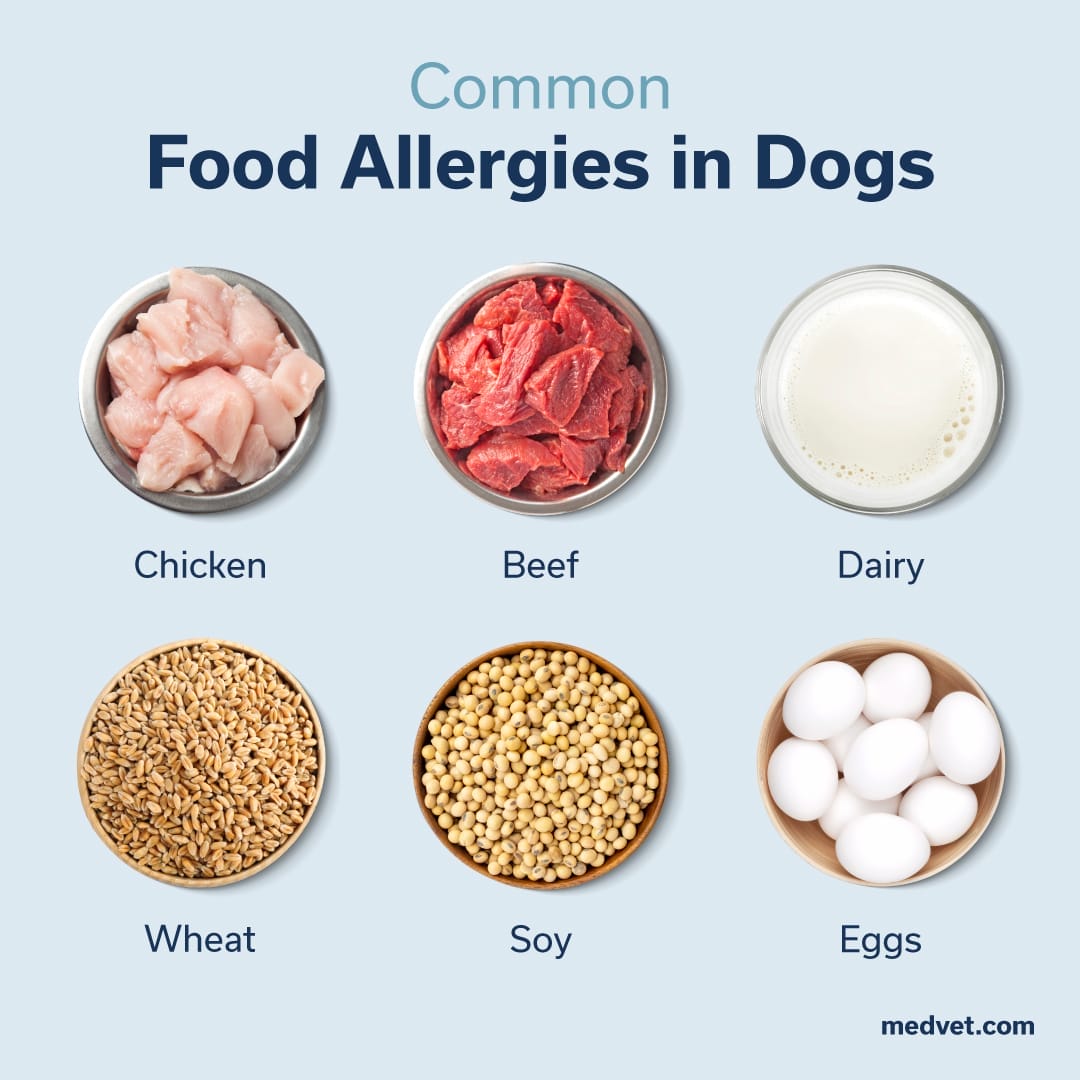
Image Source: cdn.medvet.com
Identifying and Dealing with Canine Chicken Sensitivity
Many dogs enjoy chicken. It is a common ingredient in dog food. However, some dogs develop an allergy to it. This means their bodies react badly to chicken protein. This reaction can cause real discomfort. Knowing the signs and finding the right food is key to your dog’s health.
Signs Your Dog May Have a Chicken Allergy
How do you know if chicken is the problem? Look closely at your dog’s reactions. Allergies often show up in the skin or the gut.
- Skin Problems: This is very common. Your dog might scratch a lot. They might lick their paws constantly. You might see red, irritated skin. Hot spots—sore, moist areas—can form. Ear infections are also linked to food allergies. This is often called dog itchy skin chicken allergy relief seeking behavior.
- Digestive Issues: Some dogs show their allergy in their tummy. This can mean frequent vomiting or loose stools. Gas or bloating might also happen.
If you see these signs, talk to your vet. They will help confirm if a food allergy is the cause.
The Process of Diagnosing a Food Allergy
Vets do not test for food allergies directly like they test for pollen allergies. Instead, they use a strict elimination diet. This is the main way to find out if chicken is the culprit.
The vet will suggest trying the best dog food for chicken sensitivity. This food must not contain chicken. It also must not contain ingredients related to chicken (like chicken fat or broth).
This special diet must be fed exclusively for 8 to 12 weeks. No treats, no table scraps, nothing else. If your dog’s symptoms clear up during this time, the vet might suggest a “food challenge.” This means briefly adding chicken back to the diet. If the symptoms return, you have confirmed the allergy.
Choosing the Right Chicken-Free Dog Food
Once chicken is confirmed as the issue, switching foods is vital. You need safe, nutritious chicken-free dog food alternatives.
Novel Protein Diets: A Smart Choice
When choosing food, look for novel protein diet for dogs. A novel protein is one your dog has never eaten before. Since they have never been exposed to it, their immune system is less likely to react.
Common novel proteins include:
- Venison (deer meat)
- Duck
- Rabbit
- Kangaroo (less common)
- Bison
These proteins offer excellent nutrition without triggering the chicken allergy response.
Limited Ingredient Diets (LID)
Another excellent option is a Limited Ingredient Diet (LID). These foods use very few ingredients. This makes it easier to track down and avoid any potential allergens.
A good LID for a chicken-allergic dog will feature one main protein source (like salmon or lamb) and one or two carbohydrate sources.
Considering Grain-Free Dog Food Chicken Allergy
Some owners think that switching to grain-free dog food chicken allergy relief is the answer. While many grain-free foods naturally exclude chicken, it is not a guarantee.
- Caution: Always check the ingredient label. Some grain-free foods use chicken meal or chicken fat as a binder or flavor enhancer, even if the main protein is something else (like fish).
- The Real Problem: Food allergies are usually to the protein, not the grain. If your dog is allergic to chicken, switching from chicken and rice to chicken and potatoes will not help. You must change the protein source.
Reading Labels Carefully: What to Avoid
You must become an expert label reader. Chicken hides in many unexpected places. When looking for vet recommended diet for chicken intolerant dogs, scrutinize every word.
| Ingredient to Watch Out For | Why It’s a Problem |
|---|---|
| Chicken Meal / By-products | Concentrated chicken protein. |
| Chicken Liver / Giblets | Organ meats from chicken. |
| Hydrolyzed Chicken Protein | Proteins broken down, but still chicken-based. |
| Poultry Fat / Poultry Digest | Vague terms often hiding chicken sources. |
| Natural Flavorings | Can sometimes contain hidden chicken derivatives. |
If a label says “Poultry,” avoid it unless the company confirms it is 100% turkey or another safe bird.
The Role of Veterinary Guidance
Never make major, long-term dietary changes without consulting your veterinarian. They are your best resource for managing dog food allergies to chicken.
Why Vet Recommendations Matter
Your vet knows your dog’s full health history. They can rule out other causes for symptoms, like mites, fleas, or environmental allergies.
They can also guide you toward prescription or veterinary-exclusive diets. These diets are often the safest bet initially because their ingredient sourcing is highly controlled.
Transitioning to a New Food Safely
Switching food too fast can cause digestive upset, even if the new food is perfect for the allergy. Follow this slow transition plan:
- Days 1-3: 75% old food, 25% new food.
- Days 4-6: 50% old food, 50% new food.
- Days 7-9: 25% old food, 75% new food.
- Day 10+: 100% new food.
Watch your dog closely during this time for any return of itching or stomach issues.
Exploring Homemade Diets for Chicken Allergies
Some owners prefer making food at home. This gives total control over every ingredient. However, making homemade dog food recipes chicken allergy safe requires careful planning and veterinary nutritionist advice.
Benefits of Home Cooking
- Total Control: You know exactly what goes into the bowl.
- Freshness: Food is prepared fresh daily.
Risks and Requirements
Nutritional balance is the biggest risk. Dogs have specific needs for vitamins, minerals, and calcium that are hard to meet with just muscle meat and vegetables.
If you choose this route:
- Consult a Board-Certified Veterinary Nutritionist (DACVN): This professional is essential. They can formulate a complete and balanced recipe tailored to your dog’s chicken allergy and energy needs.
- Supplement Wisely: Homemade diets almost always require specific vitamin and mineral supplements to be complete. Do not guess at supplements.
A basic, simple formula might look like this (but MUST be balanced by a professional):
- Protein: Rabbit, Salmon, or Lamb (ensure no cross-contamination with chicken products during cooking).
- Carbohydrate: Sweet potato or white rice (if grains are tolerated).
- Fats: Fish oil or flaxseed oil (for essential fatty acids).
- Vegetables: Carrots, green beans, or peas (for fiber and nutrients).
Supportive Care: Beyond the Bowl
Dietary change is crucial, but other steps can help speed up dog itchy skin chicken allergy relief.
Supplements for Skin Health
While food is the core fix, certain supplements can support healing skin barrier function.
- Omega-3 Fatty Acids: Fish oil is rich in EPA and DHA. These are powerful natural anti-inflammatories. They help calm irritated skin from the inside out.
- Probiotics: A healthy gut often means healthy skin. Probiotics help balance the dog’s internal microbiome, which can improve immune responses.
Topical Aids and Gentle Grooming
For external relief, focus on soothing the skin gently.
- Oatmeal Baths: Colloidal oatmeal baths are excellent for calming itchy skin temporarily.
- Hypoallergenic Shampoos: Use shampoos formulated for sensitive skin. Avoid harsh soaps or perfumes.
- Wiping Paws: If your dog walks on grass or outdoor surfaces, wipe their paws when they come inside. This removes environmental allergens that can sometimes complicate a food allergy picture.
Exploring Natural Remedies for Canine Chicken Allergy
Beyond prescription diets, some owners look into natural remedies for canine chicken allergy. While these should support, not replace, a proper diet, they can help manage symptoms.
Herbal Support
Certain herbs are known for their calming and anti-inflammatory properties. Always check with your vet before introducing herbs, as they can interact with medications.
- Turmeric: Contains curcumin, a potent anti-inflammatory compound. Use in small, cooked amounts or veterinarian-approved supplements.
- Chamomile: Can be used in gentle rinses or teas (cooled) to soothe inflamed skin areas.
Hydration is Key
Ensure your dog always has access to fresh, clean water. Good hydration supports overall bodily functions, including skin health and toxin removal.
The Economics of Allergy Management
Finding the right hypoallergenic dog food chicken allergy solution can sometimes be expensive. Novel proteins and limited ingredient formulas often cost more than standard commercial kibble.
Making Long-Term Choices Affordable
- Buy in Bulk: If you find a food that works and your vet approves it for long-term use, buying larger bags often reduces the per-pound cost.
- Compare Prices: Check different local stores and online retailers for the same chicken-free dog food alternatives.
- Look for Sales: Sign up for emails from pet supply stores to catch seasonal sales on specialized foods.
Remember, the cost of the right food is usually much less than the cost of treating chronic skin infections and vet visits resulting from an inappropriate diet.
Summary of Actionable Steps for Chicken Allergy
If you suspect or confirm a chicken allergy, follow these steps:
- Stop feeding all current food and treats immediately.
- Consult your veterinarian for a formal diagnostic plan.
- Select a diet based on a truly novel protein (like duck, rabbit, or fish).
- If using commercial food, look for strict LID or specialized vet recommended diet for chicken intolerant dogs.
- Transition food very slowly over ten days.
- Monitor skin and gut health daily for improvement.
- Support skin healing with Omega-3s if approved by your vet.
Successfully managing dog food allergies to chicken requires diligence. By selecting the right novel protein and remaining committed to the elimination diet, your dog can achieve lasting relief from chronic irritation.
Frequently Asked Questions (FAQ)
Q: Can my dog ever eat chicken again if they have an allergy?
A: Typically, no. Food allergies are usually lifelong sensitivities. If a dog tests positive for a chicken allergy through a proper food elimination trial, reintroducing chicken will likely cause the symptoms to return quickly. It is safest to stick to chicken-free options permanently.
Q: Are vegetarian or vegan diets good for dogs with chicken allergies?
A: While vegetarian or vegan diets exclude chicken, they are not automatically safe or nutritionally complete for dogs. Dogs are facultative carnivores and require specific amino acids primarily found in animal proteins. Unless the diet is professionally formulated by a veterinary nutritionist to meet AAFCO standards, it poses a risk of severe nutritional deficiency.
Q: How long does it take to see relief from itching after switching food?
A: Improvement timelines vary greatly between dogs. For severe allergies, it may take 6 to 8 weeks on the new, strict diet before you notice significant dog itchy skin chicken allergy relief. Patience is essential during the healing phase.
Q: Are turkey or other fowl safe if my dog is allergic to chicken?
A: This is tricky. Chicken is part of the poultry family. Some dogs allergic to chicken react to all poultry (turkey, duck, goose). Others react only to chicken. Because duck is considered a novel protein for many dogs, it is often safer than turkey initially. Always introduce new proteins one at a time under veterinary guidance.
Q: What are the best carbohydrate sources for a dog with a chicken allergy?
A: If your dog tolerates grains, safe options include rice, oats, or millet. If you need a grain-free dog food chicken allergy solution, focus on sweet potatoes, peas, lentils, or pumpkin, always paired with a safe novel protein.