
What should I feed a dog with tick fever? When your dog has a tick-borne illness, you must focus on a diet that supports healing, boosts the immune system, and replaces lost nutrients. This means feeding easily digestible, high-quality food rich in specific vitamins and minerals.
Tick fever, often a general term, covers several serious illnesses transmitted by ticks, like Ehrlichiosis, Babesiosis, and Anaplasmosis. These diseases attack the blood cells and cause severe inflammation. Because your dog is sick and may have a poor appetite or digestive upset, the right food choices are vital for a fast recovery. This guide will show you the best ways to support your sick pet through careful feeding.
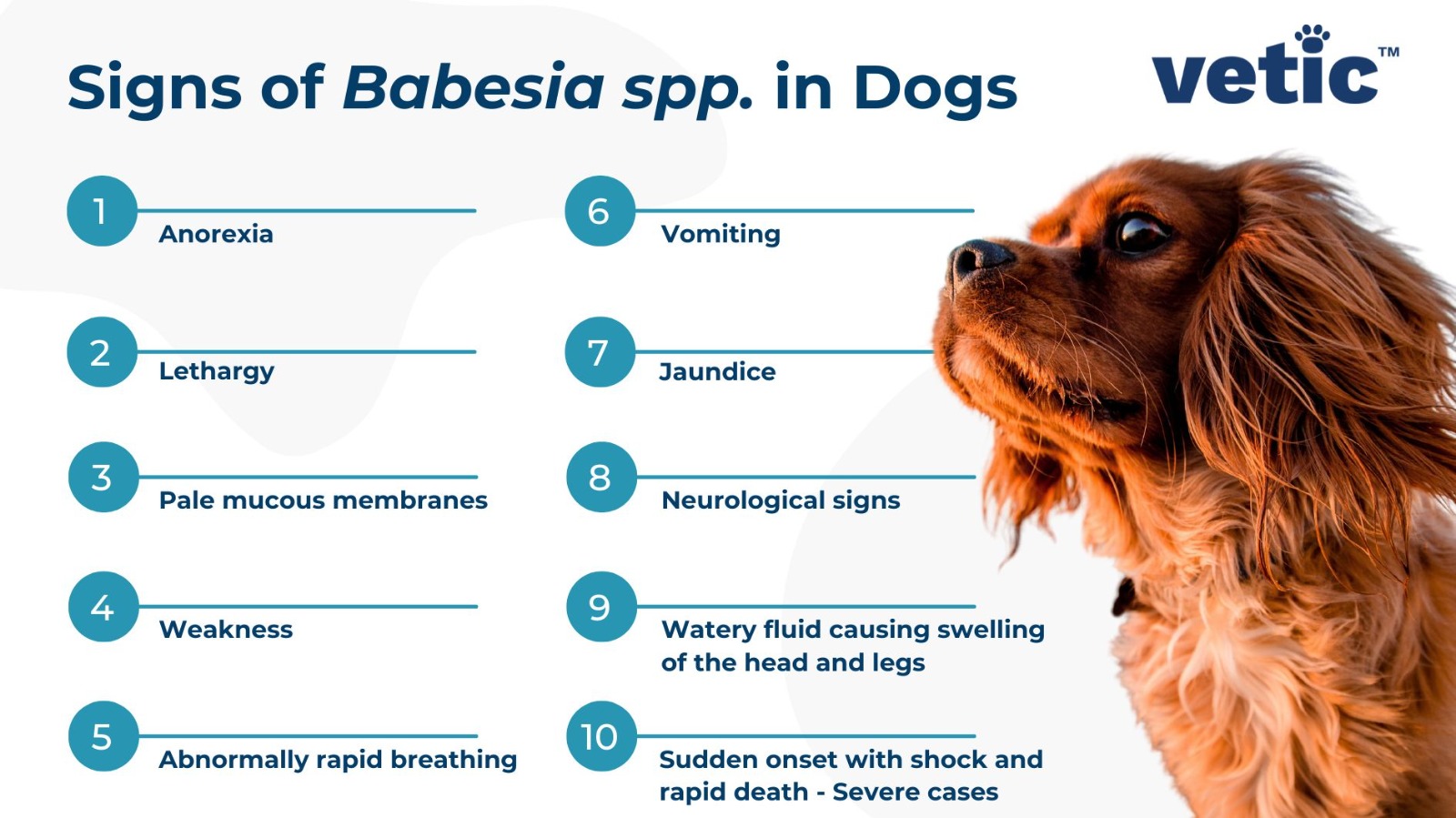
Image Source: vetic.in
Recognizing Dietary Needs During Tick Illness
When a dog fights a tick-borne disease, its body uses a lot of energy fighting the infection. This is where nutrition steps in to help. A proper Canine tick-borne illness diet acts like fuel for the immune system. It helps the body repair damage caused by the infection.
Illness often causes loss of appetite. Vomiting or diarrhea might make feeding hard. Therefore, the food must be very gentle on the stomach but packed with good stuff. We aim for simple, clean nutrition.
Key Goals of Tick Fever Diet Management
The main goals of feeding a dog with tick fever are clear:
- Ease Digestion: Use foods that are simple to break down. Sick guts need gentle handling.
- Boost Immunity: Provide lots of vitamins and antioxidants. These help the body fight the bad germs.
- Maintain Weight and Strength: Offer enough calories and good protein to stop muscle loss.
- Hydration: Water intake is just as vital as food, especially with fever or diarrhea.
Dietary Focus for Specific Tick Diseases
While all tick fevers require supportive care, some conditions have specific dietary concerns. Knowing which illness your dog has can fine-tune the food plan.
Supportive Diet for Babesiosis in Dogs
Babesiosis (often called “dog malaria”) severely damages red blood cells. This leads to anemia and often causes kidney stress.
- Focus: Supporting red blood cell production and kidney function.
- Need: Iron and B vitamins are important for making new blood cells.
- Caution: If kidney issues are present (checked by your vet), protein levels might need slight adjustment, but usually, good quality protein is still needed for recovery.
Feeding Schedule for Dog with Ehrlichiosis
Ehrlichiosis often causes bone marrow suppression, meaning the body struggles to make enough platelets and white cells. Inflammation is also a big problem.
- Focus: Reducing inflammation and providing easily digestible energy.
- Strategy: Smaller, more frequent meals help if the dog feels nauseous. This gentle approach aids the digestive tract.
- Omega-3 Fats: These are critical here to help calm the body’s overactive immune response.
Best Food for Dog with Anaplasmosis
Anaplasmosis causes fever, joint pain, and sometimes respiratory issues. Like other fevers, it causes lethargy and low energy.
- Focus: Easy-to-digest energy sources and joint support.
- Diet Choice: Often, bland, easily absorbed carbohydrates help provide quick energy without stressing the gut.
Dietary Management for Canine Anaplasmosis
Good Dietary management for canine anaplasmosis centers on reducing pain and inflammation from joint aches.
- Supplements: Glucosamine and chondroitin, often used for arthritis, can be very helpful for joint comfort during recovery.
Core Components of the Recovery Diet
Regardless of the specific tick fever, certain nutritional components are non-negotiable for recovery.
High-Quality Protein for Dog with Tick Fever
Protein is the building block for healing tissues and fighting infection. Your dog needs high-quality protein for dog with tick fever. However, this protein must be easy to process.
- Source Quality Matters: Choose single-source, named proteins (like “chicken,” not “meat by-products”).
- Digestibility: Look for foods labeled highly digestible or prescription recovery diets. These proteins are pre-processed to be easier on a sensitive gut.
| Protein Source | Digestibility Score (Relative) | Benefit During Recovery |
|---|---|---|
| Cooked Egg White | Very High | Excellent amino acid profile, very bland |
| Lean Chicken Breast (Boiled) | High | Easily absorbed energy and repair material |
| Lean Ground Turkey (Boiled) | High | Good alternative protein source |
| Canned Salmon (in water) | Moderate to High | Adds beneficial fats (Omega-3s) |
Carbohydrates for Energy
When sick, dogs need energy, but complex, fibrous carbs can be hard to digest.
- Good Choices: White rice, boiled sweet potatoes, or plain pasta. These provide quick, readily available glucose to power the immune system.
- Avoid: High-fiber ingredients like whole grains or excessive raw vegetables until the dog is fully stable and appetite returns.
Fat Content Considerations
Fat provides dense calories, which is great if your dog is losing weight. However, too much fat can trigger pancreatitis or diarrhea in a sick dog.
- Low-Fat Diet for Dog with Tick Fever: If your dog is experiencing vomiting or loose stools, switching to a low-fat diet for dog with tick fever is necessary. Fat is hard to digest when the gut is inflamed.
- Healing Fats: Once the gut settles, adding healthy fats, especially Omega-3 fatty acids (from fish oil), is very important for fighting inflammation associated with the infection.
Hydration and Appetite Stimulation
A dog that isn’t drinking enough water is at serious risk, especially with fever. Dehydration worsens every symptom of tick fever.
Encouraging Water Intake
- Freshness: Change the water bowl several times a day. Dogs prefer very fresh, cold water.
- Broth Power: Add a small amount of plain, low-sodium chicken or beef broth to the water to make it more appealing.
- Wet Food: Switching to canned food significantly increases water intake.
Making Food Appealing
When appetite wanes, presentation and temperature matter a lot.
- Warm It Up: Gently warm wet or mixed food in the microwave for a few seconds (ensure it’s not hot!). Warm food smells stronger, which encourages eating.
- Small, Frequent Meals: Instead of two large meals, offer four to six tiny meals throughout the day. This is less overwhelming for a nauseous stomach.
- Toppers (Vet Approved): Ask your vet about using a safe topper, like a spoonful of plain cooked meat baby food (check labels carefully for onion or garlic powder—these are toxic!).
Nutritional Support for Dog with Tick Fever: Supplements
While a complete food plan is the base, specific supplements for dogs with tick-borne diseases can bridge nutritional gaps and speed up healing. Always consult your veterinarian before adding any supplement, as some can interfere with antibiotics.
Antioxidants and Immune Support
Tick-borne diseases cause oxidative stress—a state where free radicals damage cells faster than the body can repair them. Antioxidants fight this damage.
- Vitamin C: A powerful antioxidant that supports immune cell function. It is often used to help the body clear debris from damaged blood cells.
- Vitamin E: Works alongside Vitamin C to protect cell membranes from damage.
- Zinc: Essential for proper immune cell development and function.
Supporting Blood Health
Diseases like Babesiosis and Ehrlichiosis directly affect blood components.
- B Vitamins (Especially B12 and Folate): These are crucial for the bone marrow to create new red and white blood cells. If your dog is anemic, your vet might recommend injections, but diet rich in B vitamins helps maintain production.
- Iron: While iron is needed for red blood cells, supplementing iron can be dangerous unless a blood test confirms a deficiency. Let the vet guide this.
Gut Health Support
Antibiotics, a cornerstone of tick fever treatment, kill bad bacteria but also good bacteria in the gut, leading to diarrhea.
- Probiotics: Adding a high-quality canine probiotic helps restore a healthy balance of gut flora. Give probiotics several hours apart from antibiotic doses, as the antibiotics will kill the helpful bacteria.
Sample Meal Plan: Dog Recovering from Tick Fever Diet
This is a template. Your dog’s specific caloric needs depend on their age, weight, current activity level, and the severity of their illness. Always follow your vet’s specific instructions.
This plan emphasizes bland, digestible meals perfect for a dog recovering from tick fever diet.
| Time | Meal Focus | Example Meal Composition | Notes |
|---|---|---|---|
| 7:00 AM | Small, easy energy start | 1/4 cup plain boiled white rice + 1 tablespoon boiled, shredded chicken breast + small amount of water. | Give probiotics now if using (separated from any medication). |
| 10:00 AM | Light snack/Hydration check | Small amount of low-sodium bone broth or plain water. | Check gums for moisture level. |
| 12:00 PM | Balanced Midday Meal | 1/3 cup prescription recovery diet (wet form) or a mix of rice and lean protein. | If the dog is eating well, increase volume slightly. |
| 3:00 PM | Gentle Boost | A few pieces of plain cooked sweet potato or a small spoonful of unflavored Greek yogurt (if tolerated). | Watch closely for any digestive upset. |
| 6:00 PM | Main Evening Meal | Slightly larger portion of the main meal (similar to lunch). | Ensure the food is lukewarm, not hot. |
| 9:00 PM | Very Light Snack | Small, simple chew or a tiny bit of boiled chicken broth ice cube. | Prevents the stomach from being empty overnight. |
Transitioning Off the Recovery Diet
Once your dog is feeling much better, has normal energy, and has been off antibiotics for a week or two, you need to transition them slowly back to their regular, balanced adult food.
- The 7-Day Transition: Mix 75% recovery food with 25% regular food for 2-3 days. Then move to 50/50. Then 25% recovery food and 75% regular food. Finally, transition fully. This slow change prevents digestive shock.
Addressing Common Feeding Challenges
Illness makes mealtime tricky. Here are solutions for frequent problems encountered when feeding a sick dog.
Handling Vomiting
If your dog vomits after eating, do not immediately try to feed again.
- Withhold Food: Keep food away for 4 to 6 hours to let the stomach rest completely.
- Ice Chips/Sips: Offer tiny sips of water or lick ice chips only.
- Restart Slow: If vomiting stops, offer a very small amount (a teaspoon) of a bland food like plain boiled rice. If that stays down after an hour, offer another tiny portion. If vomiting returns, call your vet immediately.
Dealing with Lethargy and Refusal to Eat
A dog that won’t eat is a serious concern during a tough infection like tick fever.
- Temperature Check: Always warm food slightly.
- Texture Change: If they refuse kibble, soak it until it’s mushy, or switch to wet food temporarily.
- Smell Enhancement: Add a tiny splash of fish oil (if approved) or plain unsalted chicken water to boost the aroma.
- Vet Intervention: If the dog refuses to eat for more than 24 hours, they need veterinary support, possibly including appetite stimulants or temporary feeding tubes, as persistent lack of calories hinders recovery.
FAQ: Feeding Dogs During Tick Fever Recovery
How long should I keep my dog on a bland diet after tick fever treatment ends?
You should keep your dog on a bland, easily digestible diet for at least one to two weeks after antibiotic treatment finishes and they are showing clear signs of returning energy. The antibiotics clear the infection, but the digestive tract still needs time to heal from inflammation and medication side effects. Always consult your vet for the final sign-off to return to normal food.
Can I feed my dog leftovers while they have tick fever?
No, avoid feeding general table scraps or leftovers. While cooked chicken breast might be okay (see the protein table), most leftovers contain too much salt, fat, spices, or ingredients that irritate a sensitive digestive system. Stick strictly to bland, easily controlled foods until recovery is confirmed.
What human foods are safe to use during recovery?
Safe, temporary additions include: plain boiled white rice, plain boiled sweet potato (no skin), plain boiled chicken or turkey breast (no skin or bones), and plain, cooked egg whites. Remember these should only be used temporarily to supplement or replace part of their regular diet until they are stable.
Is a high-fat diet ever okay for a dog with tick fever?
Generally, no. A low-fat diet for dog with tick fever is preferred because tick-borne illnesses often cause nausea, vomiting, or diarrhea, all of which are made worse by high fat content. Fat slows down stomach emptying, which is bad when a dog feels sick. Only after full recovery should you gradually reintroduce healthy fats like those found in quality dog food.
Are there specific vitamins I must avoid supplementing myself?
Yes. Avoid high doses of fat-soluble vitamins (A, D, E, K) unless specifically directed by a vet, as these can build up in the body and become toxic. Iron supplementation should also be strictly managed by a veterinarian based on blood work to prevent dangerous overload. Focus on whole-food sources for vitamins initially.