
The best food for a dog with hypothyroidism usually involves a complete, balanced commercial diet formulated for adult maintenance, often with specific attention paid to healthy weight management and high-quality protein sources, though the core treatment relies on medication.
Canine hypothyroidism is a common problem in middle-aged and older dogs. It happens when the thyroid gland does not make enough thyroid hormone. This hormone controls how your dog uses energy. When levels are low, dogs often slow down. They might gain weight easily. Their coat can become dry and thin. Diet plays a vital supporting role in managing dog hypothyroidism with diet. While medication is key, the right food helps boost overall health and address secondary issues like weight gain.
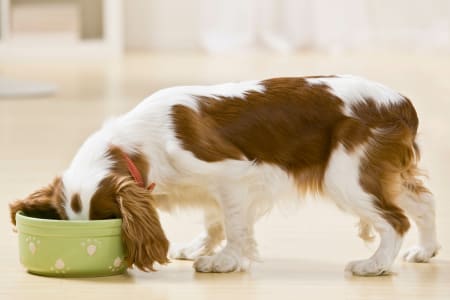
Image Source: www.waxhaw.providencevets.com
The Role of Diet in Canine Hypothyroidism Nutrition
Diet cannot cure hypothyroidism. Medication replaces the missing thyroid hormone. However, proper nutrition helps your dog feel better while on medication. It supports energy levels. It helps maintain a healthy weight. Canine hypothyroidism nutrition focuses on providing dense, high-quality fuel for the body.
The goal of feeding a hypothyroid dog diet is twofold:
- Support Weight Management: Many hypothyroid dogs struggle with weight gain. A calorie-controlled diet is essential.
- Provide Optimal Nutrients: Ensuring all vitamins and minerals are present supports overall metabolism.
Deciphering Dietary Needs for a Hypothyroid Dog
When choosing food, owners often wonder if they need a specialized recipe. Let’s look at what matters most for thyroid support dog food.
High-Quality Protein is Crucial
Thyroid hormone affects how the body uses protein. Dogs need ample, excellent protein to maintain muscle mass, especially if they are lethargic. Muscle loss can make weight management harder.
- Choose foods where the first few ingredients are named meat sources (e.g., chicken, beef, lamb).
- Avoid generic terms like “meat by-products.”
Healthy Fat Sources Matter
Fats provide energy. They also carry fat-soluble vitamins. Some fats contain beneficial fatty acids that support skin and coat health, which often suffers in hypothyroid dogs.
- Look for sources like fish oil or flaxseed for Omega-3 fatty acids. These are anti-inflammatory.
Fiber for Fullness and Digestion
Because weight management for a hypothyroid dog is so important, fiber can be a useful tool. Fiber helps dogs feel full on fewer calories. It also supports good gut health.
- Good fiber sources include beet pulp, pumpkin, or specific grains.
Carbohydrates: Choose Wisely
Carbs provide energy. For dogs needing weight loss, complex carbohydrates are better than simple, fast-releasing sugars.
- Opt for whole grains (if tolerated) or vegetables like sweet potatoes. These release energy slowly.
The Iodine Question: Low Iodine Diet for Dogs?
A major concern often arises regarding iodine intake. People frequently ask if a low iodine diet for dogs is necessary when treating hypothyroidism.
The answer is usually no, not for standard treatment.
Iodine and Thyroid Function
Iodine is a required mineral. The thyroid gland uses iodine to make thyroid hormone. If a dog has hyperthyroidism (too much hormone), vets might recommend restricting iodine.
However, in hypothyroidism, the gland isn’t making enough hormone, often due to the gland itself being damaged or insufficient production, not a lack of iodine building blocks.
- Standard commercial dog foods contain adequate, safe levels of iodine.
- Restricting iodine unnecessarily can worsen the dog’s overall health because it is an essential nutrient.
Always follow your vet’s specific advice. If your dog has other concurrent issues, your vet might suggest monitoring iodine. But generally, normal, complete pet food is fine. Do not try to create a low iodine diet for dogs without strict veterinary guidance.
Commercial Food Recommendations for Low Thyroid Dogs
Many excellent commercial foods fit the needs of a dog food recommendations for low thyroid needs. These diets balance protein, fat, and fiber correctly.
Prescription Weight Loss Diets
If your dog is overweight, your vet may suggest a prescription weight loss diet initially. These are very calorie-controlled. They usually have higher fiber and protein levels. This helps preserve muscle while the dog sheds fat.
High-Quality Maintenance Diets
For dogs at a healthy weight, a high-quality adult maintenance diet works well. Look for diets that emphasize:
- High digestibility.
- Named meat proteins.
- Appropriate calorie density.
| Diet Component | Importance for Hypothyroid Dog | What to Look For |
|---|---|---|
| Protein | Maintain muscle mass; supports metabolism. | Named meat sources listed first. |
| Fat | Energy source; supports skin health. | Moderate levels; includes Omega-3s. |
| Fiber | Increases satiety (feeling full); aids weight control. | Soluble and insoluble types present. |
| Iodine | Essential nutrient, but typically not restricted. | Standard, balanced levels found in commercial foods. |
Exploring Homemade Diets and Raw Feeding
Some owners prefer homemade or raw diets for their hypothyroid dog diet. While these offer control over ingredients, they require careful planning.
Homemade Diets
If you choose homemade food, you must consult a board-certified veterinary nutritionist. It is extremely difficult to balance all minerals, vitamins, and macronutrients correctly at home. Deficiencies can harm a dog already battling a metabolic condition.
Raw Diets (BARF or Prey Model)
Raw diets are often higher in protein. However, they can be higher in fat, which complicates weight management for a hypothyroid dog. Raw diets also carry risks of bacterial contamination (like Salmonella). These risks are higher for dogs with compromised immune systems, which can sometimes be a secondary issue in poorly managed hypothyroidism.
If you pursue these routes, ensure the diet meets AAFCO standards (or equivalent guidelines for homemade recipes) and that your vet approves the nutrient profile.
Natural Remedies for Dog Hypothyroidism and Diet Support
Beyond the main meal, many owners seek natural remedies for dog hypothyroidism that can be incorporated safely through diet.
Supplements for Dog Thyroid Support
Supplements can help fill gaps or boost overall health, but they should never replace prescribed thyroid hormone medication. Always discuss supplements with your veterinarian first.
Omega-3 Fatty Acids (Fish Oil)
These are highly recommended. They help reduce inflammation. They also vastly improve the dry, brittle coat often seen in hypothyroid dogs. Look for supplements rich in EPA and DHA.
L-Tyrosine
L-Tyrosine is an amino acid. It is a precursor to thyroid hormone production. While the issue is usually the gland’s inability to use the precursor properly due to underlying disease, some holistic vets suggest it as a supportive measure.
Selenium
Selenium is a trace mineral needed for converting thyroid hormones into their active form in the body. Deficiency is rare in dogs eating balanced diets, but high levels can be toxic. Use caution.
Zinc
Zinc also plays a role in thyroid hormone metabolism. Ensure your dog’s main food source provides adequate zinc.
Herbs and Botanicals
Some plants are rumored to help thyroid function. Examples include Ashwagandha or Kelp. Be extremely cautious. Kelp is very high in iodine. Introducing high-iodine foods or supplements when managing hypothyroidism can potentially interfere with the medication dosing required by your vet. Stick to proven nutritional science unless guided closely by a vet familiar with herbal medicine.
Addressing Common Symptoms Through Diet
Dietary choices can directly impact the secondary effects of low thyroid hormone.
Lethargy and Low Energy
If your dog feels sluggish, they need easily digestible energy.
- Avoid overly high-fat diets, as fat takes longer to digest.
- Ensure high-quality protein for muscle energy.
Skin and Coat Issues
Poor skin, hair loss, and dull coats are hallmarks of hypothyroidism.
- Boost Omega-3s through fish oil supplementation.
- Ensure adequate intake of Vitamin E and Zinc.
Constipation
Hypothyroid dogs often have slower gut motility, leading to constipation.
- Increase soluble and insoluble fiber through canned pumpkin, ground flaxseed, or specialized fiber supplements. Ensure your dog drinks enough water if you increase fiber intake.
Feeding Schedule and Portion Control
Proper feeding schedule is paramount for managing dog hypothyroidism with diet, especially concerning weight.
Calorie Counting
The single most important dietary step is accurate calorie management. Your vet will determine your dog’s ideal weight. They will then calculate the daily calories needed to reach that weight safely.
- Do not guess portion sizes. Use a measuring cup or, ideally, a kitchen scale to weigh the food accurately.
Feeding Frequency
Feed your dog at least two, preferably three, small meals per day. This keeps the metabolism gently stimulated throughout the day. It also prevents large digestive loads that can cause lethargy after eating.
| Life Stage | Feeding Frequency Guideline | Why it Matters |
|---|---|---|
| Adult Maintenance | 2 times daily | Consistent energy release. |
| Weight Loss Focus | 3 times daily | Helps manage hunger between meals. |
| Senior Dog | 2-3 times daily | Easier on the digestive system. |
Transitioning to a New Hypothyroid Dog Diet
If you change your dog’s food, do it slowly. A sudden switch can cause digestive upset (vomiting or diarrhea), which is stressful for any sick dog.
- Day 1-3: 75% old food, 25% new food.
- Day 4-6: 50% old food, 50% new food.
- Day 7-9: 25% old food, 75% new food.
- Day 10: 100% new food.
Monitor your dog closely during this transition for any stomach issues or changes in energy.
Frequently Asked Questions (FAQ) About Feeding a Hypothyroid Dog
Can I feed my hypothyroid dog table scraps or treats?
Treats must be included in the total daily calorie count. If your dog needs strict weight loss, treats should be limited to less than 10% of their daily calories. Choose low-calorie options like small pieces of carrots or green beans instead of high-fat commercial biscuits.
Should I switch to a senior dog food if my hypothyroid dog is older?
If your dog is overweight, a specific weight management formula is usually better than a general senior formula. Senior foods sometimes have higher fat content for older joints. Focus first on calories, then look for high-quality protein appropriate for an older dog. Discuss this specific choice with your vet.
Are grain-free foods better for a hypothyroid dog?
There is no scientific evidence showing grain-free diets are superior for canine hypothyroidism. Grains (like brown rice or oats) are safe complex carbohydrates for most dogs. Only choose grain-free if your dog has a confirmed grain allergy, not just because it is trendy.
How long does it take for diet changes to show results in a hypothyroid dog?
While medication starts working within days to weeks (for hormone levels), seeing physical results from diet changes, like weight loss or coat improvement, takes time—usually 6 to 12 weeks of consistent feeding.
What signs indicate the current food is NOT working for my dog’s hypothyroidism?
Signs your current dog food recommendations for low thyroid might not be optimal include: continued rapid weight gain despite proper medication and portion control, worsening lethargy, or severe dry skin/coat that isn’t responding to Omega-3s. These warrant a re-check with your veterinarian.