
What is the immediate recovery like after spaying a dog? The immediate recovery after spaying a dog involves waking up from anesthesia, which often includes grogginess, shaking, or crying. Your dog will need a quiet, warm place to rest right away.
Spaying, or ovariohysterectomy, is a routine surgery for female dogs. While common, it is still major surgery. Knowing what happens next helps you care for your pet and spot problems early. This guide covers everything you need to know about post-spay recovery, from the moment you bring your dog home until they are fully healed.
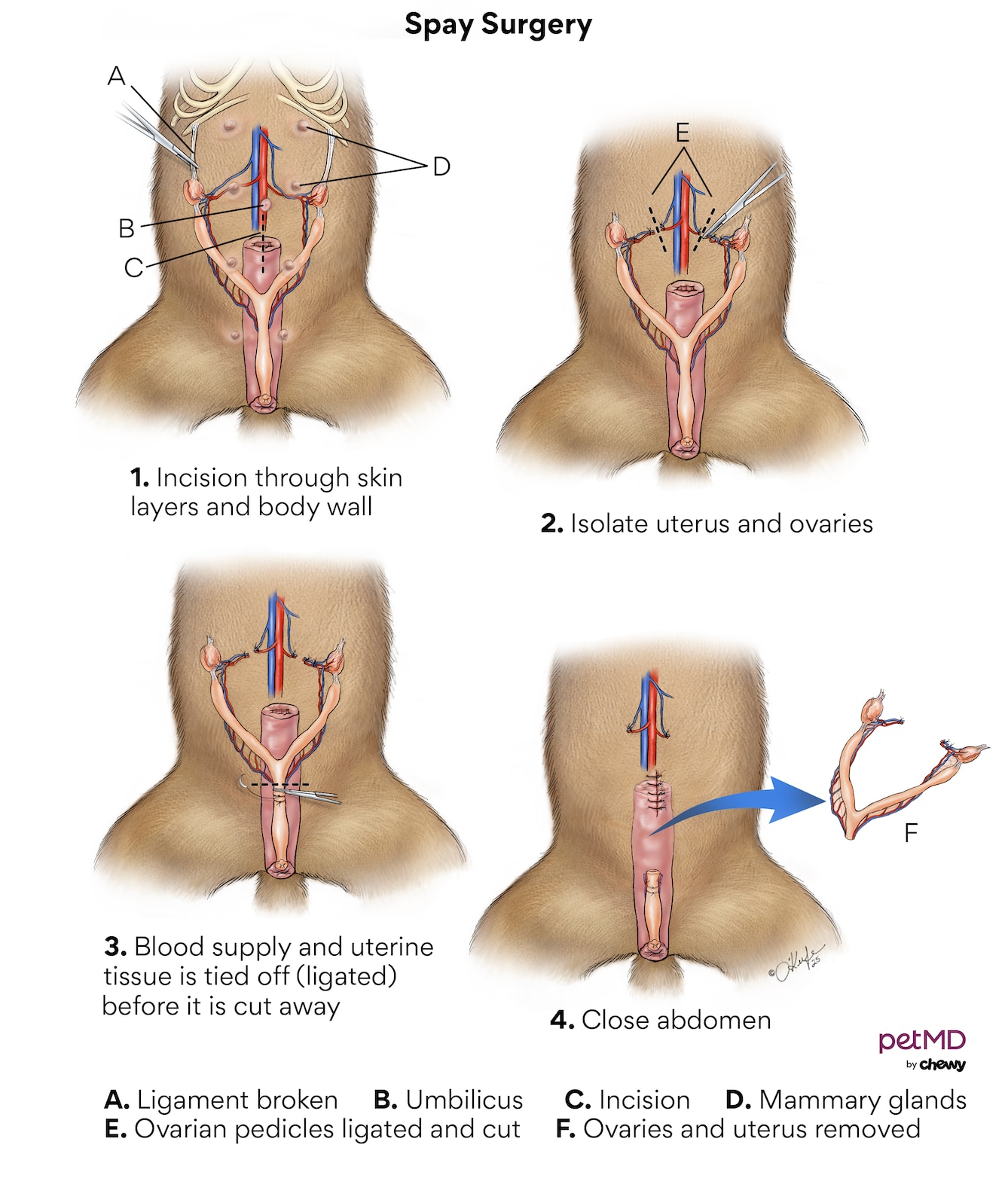
Image Source: image.petmd.com
The First 24 Hours Home
Bringing your dog home after surgery can feel stressful. They are not themselves yet. They have just woken up from being asleep for a long time.
Waking Up from Anesthesia
Anesthesia wears off slowly. Your dog might seem confused or wobbly. This is normal.
- They might shiver or tremble. This is often the body trying to regulate its temperature.
- Some dogs may whine or act restless. They might not recognize you right away.
- They will likely be very sleepy for many hours.
Keep the environment calm. Limit visitors and noise. A quiet space helps them settle down faster.
Initial Food and Water Intake
What you feed your dog in the first day matters. Their stomach can be sensitive after surgery.
When you first get home, offer only a small amount of water. If they drink too much at once, they might vomit. Wait about an hour after getting home before trying.
Feeding schedule after dog spay should start small. Offer about half of their normal meal portion later that evening. Watch for signs of trouble. If they eat it all and keep it down, you can go back to their normal schedule the next day.
If you see dog vomiting after spaying, do not panic right away. It can be due to the anesthesia. If it happens more than once or twice, call your vet.
Managing Pain After Surgery
Pain control is very important for a good recovery. Your vet will send pain medicine home with you.
Understanding Pain Medication
Your vet will give you specific instructions on timing and dosage. Never give human pain relievers like Tylenol or Ibuprofen. These are toxic to dogs.
- Give the medicine exactly as directed. Do not skip doses, even if your dog seems fine.
- Pain medicine helps them rest better. Good rest means faster healing.
- Some dogs may seem sleepy or a little dizzy on the medication. This usually passes.
If your dog seems to be in severe pain despite the medicine, tell your vet right away. Signs of severe pain include constant pacing, inability to lie down, or excessive panting.
Essential Incision Care
The surgical site needs careful watching. This is where proper canine spay incision care comes into play. A clean, dry incision heals best.
Checking the Incision Site Daily
You must check the incision twice a day. Look closely at the area where the cut was made.
What to look for (Normal Healing):
- Slight redness around the edges is normal for the first few days.
- Small, thin scabs might form.
- The edges should look closed and neat.
Signs of infection after spaying need immediate attention. Do not wait if you see these issues:
- Excessive swelling: The incision is puffy or bulging.
- Discharge: Green, yellow, or bloody fluid oozing out.
- Bad smell: A foul odor coming from the wound.
- Gaps: The incision line is opening up, showing pink tissue underneath.
- Heat: The area feels hot to the touch.
If you see any of these, contact your veterinary clinic immediately.
Keeping the Incision Dry
Water and moisture can encourage bacteria growth. Keep the incision dry at all times for 10 to 14 days.
- No baths are allowed during the recovery period.
- No swimming or playing in puddles.
- Keep your dog inside or in a clean, dry area when they go out for potty breaks.
The Importance of Confinement and Rest
One of the hardest parts of dog activity restrictions post-spay is limiting movement. Your dog wants to run and play, but their internal stitches need time to heal securely.
Activity Restrictions Post-Spay
Strenuous activity can cause the internal stitches to tear. This leads to painful complications like herniation.
For the first two weeks, strict rest is mandatory.
| Activity Type | Allowed During First 14 Days? | Notes |
|---|---|---|
| Running, Jumping, Playing | No | Absolutely no roughhousing with other pets or toys. |
| Stairs | Limited | Carry them up and down if possible. If not, supervise closely. |
| Walking on a Leash | Yes, for potty breaks only | Keep walks very short (5-10 minutes) and slow. |
| Belly Flops/Sudden Stops | No | This puts stress on the abdomen. |
If your dog is very active, you must be extra vigilant. Think of them as a fragile newborn for two weeks.
When Can My Dog Walk After Being Spayed?
Your dog can walk on a leash for short potty breaks starting the day after surgery, provided the vet approves and they are not overly groggy. However, sustained walking—like a long neighborhood stroll—should wait until your vet gives the all-clear, usually after the stitches are out or the incision is fully sealed (around 10-14 days).
Dealing with the Elizabethan Collar
The cone, or Elizabethan collar for dogs after surgery, is the most disliked tool by dogs (and owners!). However, it is vital.
Why the Cone Stays On
Dogs naturally lick wounds. A dog’s mouth carries bacteria. Licking the incision introduces germs, leading to infection. Furthermore, licking can pull out stitches, causing the incision to open.
- The cone must be worn 24/7 until your vet says it can come off. This is usually when the stitches dissolve or are removed.
- It might take a few days for your dog to adjust to the cone. They might bump into things.
- If the cone is removed, even for a short time, supervise them constantly. A moment of distraction is all it takes for them to start licking.
If the hard plastic cone is too difficult, ask your vet about soft, inflatable donut-style collars, but only if they offer full protection against reaching the belly.
Common Post-Surgery Behaviors
It is helpful to know what behaviors are normal versus what needs a call to the vet.
Dog Lethargy After Spay Surgery
It is very common for dogs to show dog lethargy after spay surgery for several days.
- Day 1-2: Extreme tiredness is expected as anesthesia fully leaves the system.
- Day 3-5: Energy levels should start to climb slowly. They might want short play sessions, but you must enforce rest.
- After 5 Days: If your dog is still sleeping much more than usual, has no interest in food, or seems generally “down,” check in with your vet. This could mean pain or an internal issue.
Appetite Changes
Appetite changes are common. Stress, pain, and anesthesia all affect the desire to eat.
If your dog refuses food for more than 24 hours after surgery (assuming they kept water down), call the vet. A decrease in appetite is normal; complete refusal is not.
Healing Timeline: What to Expect Week by Week
Recovery is not instant. It follows a set timeline. Fathoming this timeline helps manage expectations.
Week One: The Critical Phase
The first seven days require the strictest monitoring.
- Days 1-3: Focus on rest, pain control, and incision checks. Minimal activity. Dog may be clingy or grumpy.
- Days 4-7: Energy might start returning. This is a high-risk time for accidental activity. Owners often relax their guard here, but strict rest must continue. The external skin stitches are still weak.
Week Two: Transition Period
By the second week, most external signs of surgery fade.
- The incision should look much better—less red, flatter, and dry.
- Internal healing is still happening rapidly. You still need to limit jumping and running.
- Most vets schedule a follow-up appointment around Day 10-14 to check the incision and remove external sutures if they were not dissolvable.
After Two Weeks: Return to Normalcy
If the incision is fully healed and the vet approves, you can gradually increase activity.
- Start with slightly longer walks.
- Slowly reintroduce gentle play.
- Do not immediately resume high-impact sports or running until the vet gives a final okay, usually around three weeks total.
Addressing Digestive Upset
Stomach issues are often tied to the stress of the procedure or the drugs used.
Dog Vomiting After Spaying
As mentioned, a single episode of dog vomiting after spaying is often due to waking up from anesthesia. If it happens shortly after eating a small meal, try waiting a few hours and offering ice chips instead of water.
If vomiting persists (more than two or three times), or if your dog is also lethargic and refusing to drink, this suggests a more serious issue. Dehydration can set in quickly, so immediate veterinary contact is necessary.
Diarrhea Post-Spay
Stress, changes in the feeding schedule after dog spay, or anesthesia residue can cause loose stools.
- Keep the diet bland for a few days if diarrhea starts. Plain boiled chicken and white rice are excellent temporary fixes.
- If diarrhea is severe, bloody, or lasts longer than 48 hours, contact your vet.
Internal Healing vs. External Appearance
It is crucial to remember that the outside healing (skin) is much faster than the inside healing (tissues and muscle layers).
The muscle wall takes several weeks to fully regain its strength. That is why restrictions last longer than the time it takes for the skin cut to close.
Internal Healing Milestones:
- 1 Week: Tissues start knitting together.
- 2-3 Weeks: Significant strength returns, but vulnerability remains.
- 4-6 Weeks: Full internal strength is usually restored.
This dictates why you cannot trust a dog who looks fine. They might feel fine enough to jump, but their insides are not ready for that impact yet.
Grooming and Hygiene During Recovery
Grooming needs to be minimal during the two-week recovery period.
- Brushing: Light brushing is fine, but avoid rough handling around the incision site.
- Cleaning: If the area gets slightly soiled during potty breaks, you can gently dab the area around the incision (not on it) with a clean, slightly damp cloth, then immediately pat it dry. Do not use soaps or antiseptics unless specifically directed by your vet.
Monitoring Temperature and Breathing
After the initial grogginess wears off, monitor your dog’s general well-being.
- Breathing: Breathing should return to normal within a few hours of arriving home. If your dog is panting excessively and cannot be soothed after 12 hours, call the vet, as this can sometimes signal pain or internal distress.
- Temperature: Do not attempt to take your dog’s temperature rectally during the initial recovery unless instructed by a vet. A slight elevation in temperature might occur, but a high fever (over 103.5°F) warrants a call.
Frequently Asked Questions (FAQ) About Spay Recovery
Q: How long until my dog stops licking the incision if I take the cone off briefly?
A: A determined dog can cause significant damage in seconds. Even a brief moment is enough time to cause injury or introduce infection. Keep the cone on unless directed otherwise by your veterinarian.
Q: Can I use antibiotic ointment on the incision?
A: Never apply any ointment, cream, or spray to the incision unless your veterinarian specifically prescribes it. Most topical applications cause the dog to lick more, or they break down the seal of the external sutures, leading to problems.
Q: My dog keeps trying to hide or burrow under blankets. Is this okay?
A: Hiding can be normal as they feel vulnerable and cold. However, ensure they are not burrowing so deeply that they rub or scratch the incision site. If they cannot be monitored easily, use a smaller crate or pen with just one light blanket over them for warmth.
Q: How long does it take for the swelling to fully go down?
A: Minor swelling around the incision line may last for a week or two. However, significant, hard swelling outside the incision edges needs veterinary review as it could indicate a seroma (fluid pocket) or hernia.
Q: When can I resume normal exercise, like jogging or dog park visits?
A: Most veterinarians recommend a minimum of two to three weeks before slowly reintroducing more strenuous activities. Always wait for the two-week post-op check-up where the vet confirms the site is fully healed before resuming full, unrestricted play.