
If your dog is having a seizure, the first thing you must do is stay calm and keep your dog safe from injury. Do not try to hold your dog down or put anything in its mouth. Knowing what to do when dog seizures start can save your pet’s life and keep you from getting hurt. This guide gives you clear steps for dog seizure first aid and what to do next.
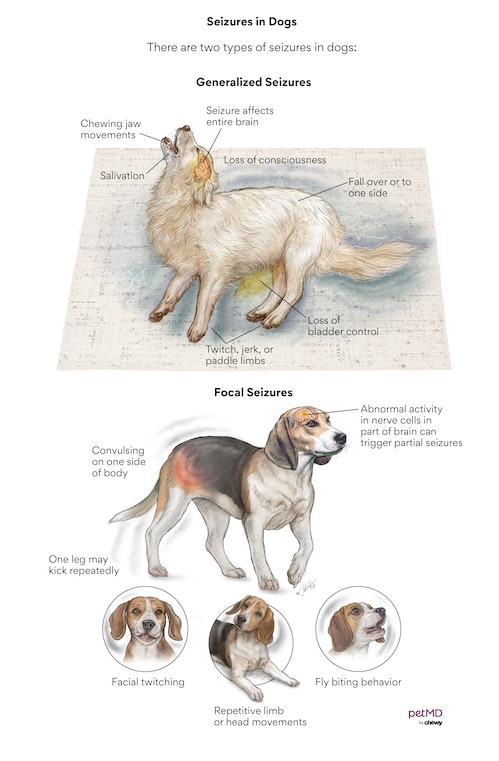
Image Source: image.petmd.com
Spotting the Signs: Dog Seizure Signs and Symptoms
A seizure is a sudden burst of uncontrolled electrical activity in the brain. This causes involuntary muscle jerking or changes in behavior. Not all seizures look the same. Some are very dramatic. Others are very subtle.
Types of Seizures
There are a few main types of seizures dogs experience:
- Tonic-Clonic Seizures (Grand Mal): These are the most common and dramatic. They involve both stiffening (tonic phase) and rhythmic jerking (clonic phase).
- Focal (Partial) Seizures: These affect only one part of the body. Your dog might just twitch an ear, lip, or leg. They might seem confused but might not lose consciousness fully.
- Psychomotor Seizures: These involve strange behaviors. Your dog might suddenly snap at imaginary objects, “fly bite,” or run in circles aimlessly.
- Absence Seizures: These are very brief. The dog stares blankly for a few seconds and then acts normally. They are often missed.
What Happens Before and During a Seizure?
Before a seizure, some dogs show signs called the pre-ictal phase. They might act nervous, whine, hide, or look for their owner.
During the seizure itself, you will see physical signs:
- Loss of consciousness (falling over, not responding).
- Stiffening of the body.
- Jerking or paddling of the legs.
- Drooling or foaming at the mouth.
- Loss of bladder or bowel control (peeing or pooping).
Immediate Action: Your Dog Seizure First Aid Plan
When you see your dog start to seize, time is important, but safety comes first. Follow these steps in order.
Step 1: Keep Calm and Stay Safe
Panic makes it hard to help. Take a deep breath. Remember, your dog cannot control what is happening.
- Move Objects Away: Quickly remove furniture, sharp corners, or anything your dog could hit. You want a clear, safe space around your pet.
- Do Not Touch the Mouth: A common mistake is sticking a hand in the dog’s mouth. Seizing dogs cannot control their jaw. They might bite you accidentally, even if they love you. Never put your fingers, treats, or anything else in their mouth.
- Keep Calm Voices: Keep noise low. Loud sounds or bright lights can sometimes make the seizure worse or extend its length.
Step 2: Time the Seizure
This is the most critical piece of information for your vet. You need to know how long do dog seizures last.
- Start a stopwatch immediately when the shaking begins.
- Note the exact time the seizure stops.
If the seizure goes on for more than five minutes, it is an emergency. This is called status epilepticus, and it requires immediate advanced care.
Step 3: Provide Comfort (If Possible)
Once the shaking starts, you cannot stop it. Focus on making the environment safe.
- If your dog is conscious but acting strangely, try to gently guide them away from danger.
- If your dog is unconscious, cushion their head gently with a soft towel or blanket.
After the Shaking Stops: Post-Seizure Care for Dogs
Once the active shaking ends, your dog enters the post-ictal phase. This period can last a few minutes to several hours. It is just as important as the seizure itself.
What to Expect During the Post-Ictal Phase
The brain is recovering from the electrical storm. Your dog will not be immediately normal.
- Confusion and Disorientation: They might seem blind, walk into things, or act lost.
- Extreme Hunger or Thirst: They might suddenly want a lot of food or water.
- Exhaustion: They will likely be very tired and want to sleep.
- Behavior Changes: They might be aggressive, clingy, or seem unaware of you.
Immediate Post-Seizure Care
- Keep Them Quiet: Move your dog to a dark, quiet room. Limit activity. Let them rest.
- Monitor Breathing: Ensure their breathing is steady and strong.
- No Food or Water Immediately: Wait at least 30 minutes after the seizure ends before offering any food or water. The throat muscles are often uncoordinated right after a seizure, and they could choke or inhale water into their lungs.
- Check Temperature: If the seizure was long or they were active, check their temperature if you can do so safely. Overheating can happen. If it is above 103°F (39.4°C), call the vet right away.
When to Rush to the Emergency Vet for Dog Seizure
Knowing when a situation moves from “wait and watch” to “urgent care” is vital for canine epilepsy management.
Emergency Triggers:
- Status Epilepticus: The seizure lasts longer than five minutes continuously.
- Cluster Seizures: Your dog has two or more seizures within a 24-hour period, with little or no recovery time in between.
- First-Time Severe Seizure: If the first seizure lasts over three minutes, go straight to the emergency room.
- Injury: If your dog injured itself seriously during the episode.
- Breathing Difficulty: If your dog has trouble breathing after the seizure stops.
When heading to the clinic, call ahead if you can. Tell them you are coming with a dog that just had a seizure. This lets the staff prepare the necessary drugs (like diazepam or midazolam) to stop the seizure immediately.
Fathoming the Causes: Why Do Dogs Seize?
Seizures have many root causes. Vets classify them based on where the seizure originates. This helps guide dog convulsions treatment.
Intracranial Causes (Inside the Head)
These involve problems within the brain itself.
- Idiopathic Epilepsy: This is the most common cause in dogs under five years old, with no known underlying cause. It is a diagnosis of exclusion.
- Structural Brain Disease: This includes brain tumors (especially in older dogs), strokes, or severe head trauma.
- Infections: Diseases like distemper, fungal infections, or severe meningitis.
- Inflammation: Immune-mediated diseases affecting the brain.
Extracranial Causes (Outside the Head)
These are metabolic issues in the body that affect brain function.
- Toxins/Poisons: Ingesting chocolate, xylitol (artificial sweetener), antifreeze, or certain insecticides.
- Metabolic Issues: Severe low blood sugar (hypoglycemia), liver disease (portosystemic shunts), or kidney failure.
- Electrolyte Imbalances: Very low calcium levels.
The Role of Diagnosis and Canine Epilepsy Management
If your dog has had a seizure, a vet visit is essential, even if the episode was short. The vet needs to rule out emergency causes and establish a baseline.
Diagnostic Tools
Your veterinarian will likely perform tests to find the cause.
| Test | What It Checks For | Notes |
|---|---|---|
| Bloodwork (CBC/Chemistry) | Liver function, kidney function, blood sugar, electrolytes. | Rules out many metabolic causes. |
| Urinalysis | Kidney function and toxin presence. | Helpful if poison ingestion is suspected. |
| Infectious Disease Testing | Tests for tick-borne diseases or viral infections. | Important if the dog has traveled or is young. |
| MRI or CT Scan | Detailed images of the brain structure. | Necessary to find tumors, strokes, or inflammation. |
| Cerebrospinal Fluid (CSF) Tap | Analysis of fluid surrounding the brain and spinal cord. | Used to diagnose inflammation or infection. |
If all these tests come back normal, the vet often diagnoses the dog with Idiopathic Epilepsy (sometimes called primary epilepsy).
Long-Term Care and Medication
For many dogs, seizures are chronic. Canine epilepsy management focuses on reducing the frequency and severity of future events through medication. This is not a cure, but a way to control the condition.
Starting Anti-Seizure Medication
Medication is usually started if:
- The dog has more than one seizure per month.
- The seizures are very severe or long (even if infrequent).
- The dog has cluster seizures.
The goal is to keep the drug levels in the blood steady to prevent the brain from misfiring.
Common Anti-Seizure Medications:
- Phenobarbital: An older, very effective drug. It requires regular blood testing to ensure safe and effective levels.
- Levetiracetam (Keppra): Often used as a first-line drug or alongside others. It usually has fewer side effects initially.
- Zonisamide: Another medication often added when the first drug isn’t fully controlling the seizures.
- Potassium Bromide (KBr): Sometimes used with phenobarbital, especially in dogs with liver issues.
Important Note on Dosing: Never stop or change an anti-seizure medication suddenly. Stopping abruptly can cause a massive, dangerous seizure (rebound effect). Always follow your vet’s instructions for dosing changes.
Lifestyle Adjustments: Dog Seizure Home Care
Good dog seizure home care goes beyond just giving pills. It involves creating a stable, predictable environment for your dog.
Environmental Stability
Dogs thrive on routine. Stability helps prevent the triggers that might lead to a seizure.
- Consistent Schedule: Feed and walk your dog at the same times every day.
- Stress Reduction: Minimize loud noises, sudden excitement, or major household changes. If your dog is sensitive, try to keep stressful events (like big parties) brief or absent.
- Safe Sleep Areas: Ensure their favorite resting spots are secure and free of hazards.
Diet and Supplements
While diet doesn’t cure epilepsy, it can be supportive.
- Medium-Chain Triglycerides (MCTs): Some specialized veterinary diets are high in MCTs. These fats can provide an alternative energy source for the brain, which may help stabilize electrical activity. Discuss these diets with your vet.
- Omega-3 Fatty Acids: Fish oil supplements might have mild anti-inflammatory effects that support brain health.
Tracking and Logging
Keeping a detailed log is crucial for effective canine epilepsy management. This log helps the vet see if medication is working or if a different approach is needed.
What to Record in Your Seizure Log:
- Date and time the seizure started.
- How long the seizure lasted (in seconds/minutes).
- What the dog was doing just before (pre-ictal signs).
- Level of consciousness during the seizure.
- Any medication given during or after the event.
- The dog’s behavior for the next 12–24 hours (post-ictal recovery).
- Any known recent changes (new food, stress, new medication).
Deciphering Triggers and Preventing Dog Seizures
While you cannot always stop epilepsy, identifying and managing triggers is key to preventing dog seizures.
Common Triggers to Watch For:
- Stress and Excitement: Over-stimulation, fear, or high arousal states are very common triggers.
- Sleep Deprivation: Being awake too long or unusual sleep patterns.
- Flickering Lights: Strobe lights or rapid flashes (like sunlight reflecting off moving water).
- Hormonal Changes: Changes related to the heat cycle in unspayed females.
- Medication Fluctuation: Missing a dose of anti-epileptic drugs.
If you notice a pattern, try to manage that specific trigger. For example, if excitement causes seizures, keep play sessions calm and short. If your dog seizes after sleep deprivation, enforce a strict bedtime schedule.
Special Concerns: Puppy Seizures
When a young puppy (under 6 months) has a seizure, the focus shifts heavily toward metabolic and congenital causes, as idiopathic epilepsy is less common at this age.
Puppy Seizure Causes Often Include:
- Severe low blood sugar (hypoglycemia), especially in very small breeds.
- Liver shunts (portosystemic shunts).
- Infections passed from the mother.
- Toxin exposure (even residue on toys or flooring).
Immediate emergency care is paramount for puppies, as their small bodies cannot tolerate metabolic disturbances for long.
Comprehensive Dog Convulsions Treatment Overview
Dog convulsions treatment involves two main phases: stopping the acute event and long-term control.
Acute Treatment (In the Clinic)
If the seizure lasts over five minutes, or if the dog is clustered, vets use fast-acting intravenous (IV) medications to calm the overactive brain cells.
- Benzodiazepines (Diazepam, Midazolam): These are usually the first line of defense, given intravenously or rectally if IV access is impossible. They rapidly reduce seizure activity.
- Barbiturates (e.g., Pentobarbital): Used if benzodiazepines fail. These are powerful sedatives that can stop even severe status epilepticus, though they require intensive monitoring.
Long-Term Treatment (At Home)
This involves the daily maintenance medications discussed earlier (Phenobarbital, Levetiracetam, etc.) to keep the dog seizure-free or significantly reduce the frequency.
FAQ Section
Q: Can my dog go blind after a seizure?
A: It is common for dogs to appear temporarily blind during the post-ictal phase because their brains are recovering. However, true permanent blindness due to a seizure is rare unless the seizure was caused by a severe, underlying brain condition like a large tumor or stroke.
Q: How can I give my dog water or food after a seizure?
A: Wait a minimum of 30 minutes after the seizure has completely stopped. Start with just a few ice cubes or a tablespoon of water. If they swallow normally without choking or coughing, you can offer a small amount of food later. If they show any sign of difficulty swallowing, wait longer.
Q: Is idiopathic epilepsy hereditary?
A: Yes, idiopathic epilepsy is widely believed to have a genetic component, meaning it can run in certain breeds (like Golden Retrievers, Beagles, and German Shepherds). Responsible breeders screen their dogs, but the exact inheritance pattern is complex.
Q: If my dog has one seizure, will they have them forever?
A: Not necessarily. If the seizure was caused by a temporary factor (like eating a toxin or a metabolic imbalance), resolving that issue might prevent future seizures. However, if the diagnosis is idiopathic epilepsy, the condition is lifelong, though medication can often control it very effectively.
Q: What if my dog has a seizure while I am driving?
A: Pull over immediately to the safest location possible. Turn off the car, engage the parking brake, and assess the situation quietly before trying to move the dog. If the seizure lasts longer than five minutes, call emergency services or a trusted friend for immediate transport to the nearest veterinary hospital. Keep yourself and the dog secure in the vehicle while you call ahead.