
If your dog is scratching, licking, or biting their skin excessively, especially after being outside, they might be allergic to grass. Dog grass allergy symptoms often show up as itchy skin, red paws, or ear infections.
Having a dog that suffers from grass allergies can be tough for both of you. You want your furry friend to enjoy playing outside, but the grass seems to be their enemy. This common issue, often called seasonal itching, needs careful management. We will explore the causes, signs, and the best ways to help your dog feel better.
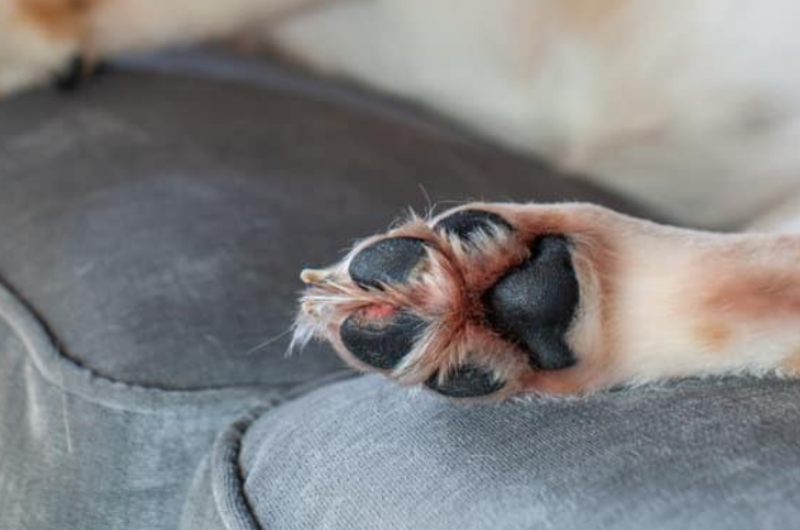
Image Source: zoomadog.co.uk
Recognizing Signs of Grass Allergy in Dogs
Your dog tells you when something is wrong, usually through scratching. It is vital to spot the signs early. Grass allergies are a type of environmental allergy, known scientifically as atopy.
Common Dog Grass Allergy Symptoms
The signs of a grass allergy are often focused on the skin. Look closely at where your dog spends most of their time scratching.
- Intense Itching (Pruritus): This is the biggest sign. Your dog will scratch, rub, or chew more than usual.
- Red, Inflamed Skin: Areas that touch the grass often turn pink or red. The belly, paws, and groin are common spots.
- Paw Licking and Chewing: Dog constantly licking paws grass allergy is a classic marker. They may lick until the skin is raw or dark brown from saliva staining. How to treat dog’s itchy paws from grass starts with keeping the paws clean after every walk.
- Ear Infections: Recurring ear issues, often smelly or red, are common with skin allergies.
- Hot Spots: These are patches of raw, painful, infected skin caused by relentless scratching or biting.
- Rashes or Hives: Small bumps may appear on the skin after exposure.
When to Be Concerned
It is normal for dogs to scratch sometimes. However, you must know when to see vet for dog grass allergy. If the itching wakes your dog up, causes hair loss, or leads to skin bleeding, it is time to call the vet. If home care does not help within a few days, professional help is needed.
Causes and Timing of Dog Grass Allergies
Grass allergies are not caused by ingesting grass, but by touching it or breathing in its pollen. This reaction happens when the dog’s immune system overreacts to harmless proteins in the grass pollen.
Seasonal Patterns
Grass pollen is most active during specific times of the year. This is why grass allergies are often seasonal.
- Spring: Certain grasses release pollen early.
- Summer: This is usually the peak season for most grass allergies.
- Early Fall: Some grasses still release pollen until the weather gets cold.
If your dog is only itchy in summer, grass is a likely culprit. If the itching happens year-round, your vet might look at food allergies or dust mites too.
The Role of Lawn Chemicals
Sometimes, the problem is not just the grass itself. Your dog might be allergic to lawn chemicals. Fertilizers, pesticides, and herbicides used on lawns can irritate sensitive skin. These chemicals can cause immediate reactions or worsen existing pollen allergies. Always check what is used on your yard or the parks you visit.
Managing Exposure: Preventing Dog Grass Allergies
The best treatment is often avoiding the allergen altogether. This is often hard because dogs love the outdoors. However, limiting exposure can greatly reduce symptoms.
Post-Walk Cleaning Routine
After every trip outside, especially through grass, cleaning your dog is key. This physical removal of pollen stops the allergic reaction from starting or continuing.
Steps for Cleaning Paws:
- Keep a bucket of warm water and a mild, hypoallergenic pet-safe wipe near the door.
- Gently wipe down your dog’s belly, chest, and especially their paws.
- If your dog is very itchy, give them a quick rinse in the tub, focusing on the legs and belly. Use only cool or lukewarm water.
Controlling the Home Environment
Pollen travels indoors on fur, clothes, and shoes.
- Limit Indoor Pollen: Change your clothes after spending a long time outside. Keep windows closed during peak pollen times.
- Air Filtration: Use HEPA air filters in your home, especially in rooms where your dog sleeps. This helps remove airborne pollen.
Lawn Management
If you have your own yard, take steps to make it safer.
- Mow Smartly: Mow the grass when the pollen count is low (usually early morning).
- Avoid Chemicals: Try to avoid using chemical weed killers or fertilizers. Look for organic lawn care options.
Medical Treatments for Canine Atopic Dermatitis Treatment
When avoidance is not enough, medical intervention is necessary. Canine atopic dermatitis treatment often involves a mix of approaches managed by your veterinarian.
Medications to Control Inflammation and Itching
Vets prescribe drugs to calm down the immune system response.
- Steroids: These offer fast relief from severe itching. They are very effective but used carefully due to long-term side effects.
- Apoquel (Oclacitinib): This newer drug targets the specific chemicals that cause itch signals in the body. It works quickly and is often used for long-term management.
- Cytopoint (Lokivetmab): This is an injection given by the vet that works for four to eight weeks. It neutralizes a key itch-causing molecule. Many owners find this very convenient.
- Antihistamines: While helpful for some dogs, they usually do not work as well for severe grass allergies alone, but they can be used alongside other treatments.
Immunotherapy: Training the Immune System
For long-term control, immunotherapy is highly recommended. This process helps desensitize your dog to the specific allergens.
- Allergy Testing: Blood tests or intradermal skin tests determine exactly what your dog is allergic to (e.g., Timothy grass, Bermuda grass).
- Customized Allergy Shots or Drops: Based on the tests, a serum is created. This serum contains tiny amounts of the allergen.
- Gradual Introduction: The serum is given regularly (injections or drops under the tongue). Over time, the dog’s body learns not to overreact to the grass pollen.
This treatment takes time, often six months to a year to see full effects, but it can provide lasting relief without daily medication.
Skin Care and Topical Relief
Since grass allergies hit the skin hard, excellent topical care is crucial for managing symptoms and preventing secondary infections.
Specialized Shampoos for Dog Grass Allergy
Regular bathing removes pollen stuck in the fur. Using the right product helps soothe the skin barrier. Look for specialized shampoos for dog grass allergy that contain soothing ingredients.
| Shampoo Type | Key Ingredients | Benefit |
|---|---|---|
| Oatmeal Shampoos | Colloidal Oatmeal | Reduces inflammation and calms irritation. |
| Medicated Shampoos | Chlorhexidine, Miconazole | Fights secondary bacterial or yeast infections. |
| Soothing Sprays/Rinses | Ceramides, Essential Fatty Acids | Helps repair the skin barrier and lock in moisture. |
Always follow the instructions for medicated shampoos. Usually, you must let the lather sit on the dog’s skin for 5 to 10 minutes before rinsing thoroughly.
Topical Spot Treatments
For intensely itchy areas, like paws, sprays or mousses can be applied between baths. These often contain hydrocortisone or pramoxine to stop the itch right away. They are great for quick fixes after a romp in the yard.
Dietary Support for Allergy Management
While grass allergies are environmental, diet plays a huge supporting role in skin health. A healthy skin barrier resists allergens better.
The Role of Diet
The right nutrition helps reduce inflammation throughout the body, which can lessen the severity of the itch. When choosing food, focus on quality ingredients and skin-supportive nutrients.
Best Dog Food for Grass Allergies:
- High-Quality Protein: Essential for healthy skin cell turnover.
- Omega-3 Fatty Acids (EPA/DHA): Found in fish oil, these are potent natural anti-inflammatories. Look for foods that list fish oil high in the ingredient list, or supplement separately.
- Limited Ingredient Diets (LID): If you suspect a food allergy might be complicating the grass allergy, an LID can help rule out food triggers. These diets use novel proteins (like venison or duck) that the dog has never eaten before.
Important Note: Changing food will not cure a grass allergy, but it will optimize your dog’s ability to cope with the environmental reactions. Always introduce new foods slowly over one to two weeks.
Natural Remedies for Dog Grass Allergies
Many owners seek gentler ways to manage mild allergies. Natural remedies for dog grass allergies can support medical treatments or manage very mild cases. Always discuss these with your vet before starting, as “natural” does not always mean safe for your dog.
Supplements for Skin Health
- Fish Oil: The most proven supplement. High doses of EPA and DHA reduce systemic inflammation. This helps cool down the itchy response caused by the pollen.
- Probiotics: A healthy gut biome supports a strong immune system. Some studies suggest balancing gut flora can reduce allergic responses.
- Quercetin: This is a plant flavonoid that acts as a natural antihistamine. It can be found in supplements, often combined with bromelain to aid absorption.
Soothing Home Treatments
- Cool Compresses: Applying a cool, damp cloth to a hot spot can stop the immediate urge to scratch.
- Apple Cider Vinegar (ACV) Rinse (Diluted): A very diluted ACV rinse (1 part ACV to 4 parts water) can help balance the skin’s pH and discourage yeast growth that thrives on itchy, moist skin. Never use ACV on broken or raw skin as it will sting painfully.
Detailed Management of Itchy Paws
Paws are constantly in contact with grass, making them the prime target for allergic reactions. Dealing with how to treat dog’s itchy paws from grass requires a focused approach.
Preventing Ingestion and Saliva Damage
When a dog licks their paws, they ingest pollen, which can cause stomach upset. The saliva left behind also encourages yeast growth.
Steps to Reduce Paw Licking:
- Immediate Cleaning: Wipe or rinse paws every time they come inside.
- Protective Booties: During peak season, consider using dog boots for walks. This creates a physical barrier between the paw pad and the allergen. Acclimate your dog slowly to wearing them.
- E-Collar (If Necessary): If licking is severe and causing injury, the vet may suggest a cone to break the cycle until medication kicks in.
Treating Secondary Infections
Itching often leads to yeast or bacterial infections in the moist environment between the paw pads. Your vet will likely prescribe:
- Topical antifungal or antibiotic wipes.
- Oral medications if the infection is deep or widespread.
A clean paw is a less itchy paw. Keep the fur between the toes trimmed short to allow air circulation and make cleaning easier.
Long-Term Success with Canine Atopic Dermatitis Treatment
Successfully managing grass allergies is a marathon, not a sprint. It requires consistent effort and partnership with your veterinary team.
Creating a Seasonal Action Plan
Work with your vet before the allergy season even starts. A good plan includes:
- Pre-season medication: Starting certain medications (like low-dose steroids or Apoquel) a few weeks before the typical start date can prevent the itch before it takes hold.
- Maintenance Schedule: Knowing exactly what to do daily (cleaning, supplements).
- Flare-up Protocol: Having specific instructions on when and how to increase medication if a bad patch hits.
This proactive approach stops minor itching from becoming a major crisis.
Monitoring and Adjusting Treatment
Your dog’s needs may change from year to year, or even throughout one season.
- Keep a simple log or journal. Note when the itching starts, which treatments you used, and how effective they were.
- If you notice the dog constantly licking paws grass allergy is worsening despite your efforts, it means the current treatment plan needs adjustment. Don’t wait until the dog is miserable to call the clinic.
Comprehensive Look at Allergy Testing
To treat allergies effectively, you must know the enemy. Allergy testing removes the guesswork from canine atopic dermatitis treatment.
Types of Testing
- Intradermal Skin Testing (IDT): Considered the gold standard. Small amounts of allergens are injected under the skin. The vet observes which areas become red and raised. This test is best for creating immunotherapy serums.
- Serum Allergy Testing (Blood Test): A blood sample is taken to measure antibodies to various environmental allergens. It is less invasive but sometimes slightly less accurate than IDT for serum creation.
These tests are usually performed after ruling out other causes of itching, like fleas or food allergies.
Frequently Asked Questions (FAQ)
Can I prevent my dog from ever getting grass allergies?
No, you cannot completely prevent environmental allergies, as they are often genetic. However, you can significantly reduce the severity and frequency of symptoms by managing exposure, maintaining excellent skin health, and using appropriate medical treatments like immunotherapy.
My dog seems allergic to grass but is itchy all year. What now?
If itching persists year-round, it suggests multiple allergies. Your dog might have co-existing food sensitivities or be allergic to indoor environmental factors like dust mites or molds. You must consult your vet for a comprehensive diagnostic plan, which might include a strict elimination diet trial alongside environmental testing.
How long does it take for treatment like Cytopoint or Apoquel to work?
Cytopoint injections usually start reducing itchiness within 24 to 48 hours. Apoquel generally starts working within a few hours to a day, with maximum effect seen within a week. Consistency is key for both.
Is it safe to let my dog run on artificial turf if they are allergic to natural grass?
Artificial turf is often better because it does not produce pollen. However, the turf material itself, or the rubber infill often used, can sometimes cause mild irritation or heat up excessively. It is usually a much safer alternative for grass-allergic dogs compared to a natural lawn.
What are the signs that my dog has developed a secondary infection?
Signs of secondary infection include a strong, foul odor coming from the skin or ears, excessive redness, weeping sores, or pus. This means the skin barrier has been broken down by scratching, allowing bacteria or yeast to take over. Immediate veterinary attention is needed to treat these infections.
Can I give my dog human allergy medicine like Benadryl?
While some vets recommend a trial of Benadryl (diphenhydramine) for mild cases, you must confirm the correct dosage with your veterinarian first. Never give your dog any human medication without professional guidance, as many common drugs are toxic to dogs.
How often should I use specialized shampoos for dog grass allergy?
During peak season, many dermatologists recommend bathing your dog 2 to 3 times per week with a soothing or medicated shampoo to physically wash away pollen and maintain skin health. Outside of allergy season, once or twice a month is usually sufficient.