
If your dog has a cold, they might need supportive care at home, but in many cases, canine influenza treatment or care for a dog upper respiratory infection requires a visit to the veterinarian. While many mild colds resolve with rest, fluids, and monitoring, severe symptoms like high fever, trouble breathing, or refusal to eat need immediate professional attention.
Dogs can catch colds, but what we call a “dog cold” is usually an upper respiratory infection (URI). These are often caused by viruses like Canine Parainfluenza or Canine Adenovirus, or sometimes bacteria. Knowing the signs and when to seek help is key to caring for a sick dog.
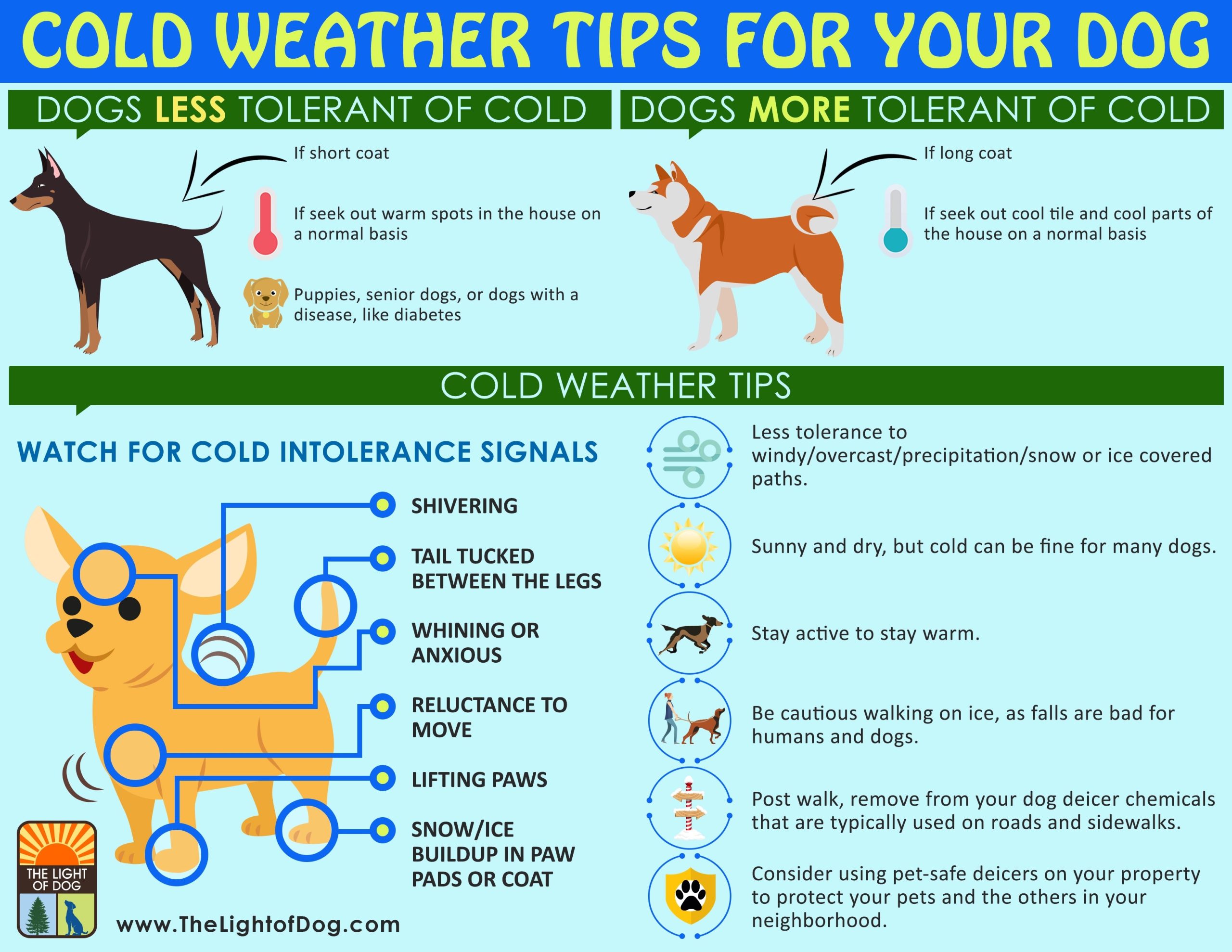
Image Source: www.mspca.org
Recognizing Dog Cold Symptoms
It is important to spot the signs early. Dog cold symptoms look a lot like human cold symptoms. Your dog might not seem like their usual self.
Common Signs of a Canine Cold
- Sneezing: This is very common. Dog sneezing and coughing often happen together.
- Nasal Discharge: The nose might run clear at first. It can turn thick, yellow, or green later.
- Watery Eyes: Eyes might look a little red or watery.
- Coughing: This could be a dry hack or a wet cough. Sometimes it sounds like a goose honk.
- Lethargy: Your dog seems tired or less playful than usual.
- Mild Fever: A slightly higher body temperature than normal.
- Reduced Appetite: They might not want to eat their regular food.
These symptoms can appear suddenly. They usually last for several days to a couple of weeks.
When To See Vet For Dog Cold: Knowing the Warning Signs
Most mild cases of a dog cold can be managed at home. However, some symptoms signal a more serious problem. Knowing when to see vet for dog cold is crucial for your pet’s safety.
Seek Immediate Veterinary Care If You Notice:
- Difficulty Breathing: Heavy panting when resting, wheezing, or open-mouth breathing. This is an emergency.
- High Fever: A temperature over 103.5°F (39.7°C) needs prompt treatment.
- Refusal to Drink or Eat: Dehydration is a major risk if your dog won’t take in fluids for over 24 hours.
- Thick, Colored Discharge: Green or yellow discharge, especially if it blocks the nostrils.
- Extreme Lethargy: If your dog is too weak to move or seems unresponsive.
- Symptoms Lasting Too Long: If symptoms persist past 7 to 10 days without improvement.
- Coughing Fits: Severe, uncontrollable coughing fits, especially if they lead to gagging.
If your dog has a pre-existing health condition, like heart or lung issues, call the vet sooner rather than later, even for mild symptoms.
Diagnosing the Cause: More Than Just a Cold
Vets often use the term URI, but they need to figure out the cause. Is it kennel cough, a different virus, or maybe something bacterial?
Common Causes of Dog Upper Respiratory Infection (URI)
| Cause | Description | Contagious? | Typical Treatment Focus |
|---|---|---|---|
| Canine Influenza Virus (Dog Flu) | Highly contagious virus causing fever and severe respiratory signs. | Yes | Supportive care, sometimes antivirals. |
| Bordetella (Kennel Cough) | A common bacterial cause, often leading to a harsh cough. | Yes | Rest, sometimes antibiotics for secondary infection. |
| Parainfluenza Virus | A frequent cause of milder cold signs. | Yes | Supportive care, time. |
| Canine Distemper | Serious, potentially fatal virus. Often includes eye/nasal discharge, fever, and GI signs. | Yes | Supportive care, vaccination history review. |
Your vet will perform a physical exam. They might listen to your dog’s chest. Depending on the severity, they might suggest tests, such as swabs for flu testing or chest X-rays if pneumonia is suspected.
Quick Relief Strategies for Mild Cases at Home
If your vet confirms it is a mild URI and sends you home, your focus shifts to supportive care. The goal is to keep your dog comfortable while their immune system fights the infection. These home remedies for dog cold focus on comfort and hydration.
Hydration is Key
A sick dog can easily become dehydrated, especially if they have a fever or are congested.
- Offer Fresh Water Often: Place water bowls in several easy-to-reach spots.
- Add Broth: Try adding a little low-sodium chicken or beef broth to their water to encourage drinking. Make sure it has no onion or garlic powder.
- Wet Food: Switching temporarily to wet food, or mixing a little water into dry kibble, increases fluid intake.
Easing Congestion and Breathing
Helping your dog breathe easier makes them more comfortable and helps them eat better. Dog congestion relief often involves moisture.
Steam Therapy (Humidifying the Air)
Steam helps loosen mucus in the nose and chest.
- Use the Bathroom: Close the bathroom door. Turn the shower on hot. Do not put the dog in the shower! Just sit with your dog in the steamy room for 10 to 15 minutes.
- Repeat: Do this two to three times a day, especially before meals. This can work wonders for a dog stuffy nose remedies.
Saline Drops
For a runny or stuffy nose, simple saline solutions can help thin the mucus.
- Use plain, preservative-free saline drops made for humans or babies.
- Gently place one or two drops in each nostril. Wait a few minutes, and then offer a short walk or playtime to encourage sneezing. Always check with your vet before putting anything into your dog’s eyes or nose.
Encouraging Appetite
When a dog feels unwell, their sense of smell decreases, leading to a poor appetite.
- Warm the Food: Warming wet food or adding a little warm water to dry food can boost the smell and appeal.
- Offer Bland Foods (Temporarily): Small amounts of plain, boiled, unseasoned chicken mixed with plain white rice can be appealing. Use this sparingly and only for a day or two.
Natural Remedies for Dog Cold Support
While natural remedies for dog cold should never replace necessary veterinary care, some can support recovery alongside standard care. Always discuss these with your vet first.
Honey (For Coughs)
Honey has mild antibacterial properties and can coat the throat, soothing irritation that leads to coughing.
- Dosing: A small amount, about half a teaspoon for small dogs or a full teaspoon for medium/large dogs, given a few times a day.
- Caution: Never give honey to puppies under one year old due to the risk of botulism spores.
Boosting Immunity
A strong immune system is your dog’s best defense.
- Probiotics: A high-quality canine probiotic can support gut health, which is closely linked to immune function.
- Rest: This is the most important natural remedy. Sick dogs need peace and quiet. Keep activity levels very low.
Medical Treatments for Canine Influenza and Serious URIs
When symptoms are severe, or if the cause is identified as something like canine influenza treatment protocols kick in. Your vet will tailor treatment based on the diagnosis.
Antibiotics vs. Viruses
It is crucial to know that antibiotics do not work on viruses. They only kill bacteria.
- Viral Infections (Most Colds/Flu): Treatment is supportive—managing symptoms, fluids, and rest.
- Bacterial Infections (or Secondary Infections): If the vet suspects bacteria (often noted by thick, colored discharge or if the condition worsens), they will prescribe antibiotics. A secondary bacterial infection often follows a virus that has weakened the immune system.
Medications Your Vet Might Prescribe
| Medication Type | Purpose | Examples (Varies by Vet) |
|---|---|---|
| Cough Suppressants | To calm severe, non-productive coughing that prevents rest. | Dextromethorphan (specific dog formulations) |
| Mucolytics | To thin thick mucus, making it easier to clear. | Acetylcysteine (under vet direction) |
| Pain Relief/Fever Reducers | Only use drugs specifically prescribed for dogs, as human NSAIDs are toxic. | Carprofen or Meloxicam |
| Antivirals | Used rarely, only for confirmed, severe cases of canine influenza. | Oseltamivir (Tamiflu) |
Crucial Warning: Never give your dog human cold medicine like Tylenol (acetaminophen) or Advil (ibuprofen). These are highly toxic to dogs and can cause liver failure or kidney damage.
Isolation and Preventing Spread
Respiratory infections are highly contagious. If you have multiple pets or frequently visit dog parks, isolating the sick dog is essential.
Keeping Others Safe
- Separate the Sick Dog: Keep the sick dog away from other dogs and vulnerable pets (very young puppies, senior dogs, immunocompromised animals).
- Hand Washing: Wash your hands thoroughly after petting or caring for your sick dog before touching other animals.
- Disinfect Surfaces: Clean bowls, toys, and bedding frequently with a pet-safe disinfectant. Canine influenza and Bordetella can survive on surfaces for a period.
- Limit Visitors: Do not let visitors interact with your sick pet.
If your dog has kennel cough or the flu, your vet may ask you to wait a specific time before returning to daycare or boarding facilities to ensure they are no longer contagious. This period is often 10 to 21 days, depending on the illness.
Monitoring Recovery and Follow-Up Care
Recovery from a dog cold or URI is rarely instant. Consistent monitoring is part of caring for a sick dog.
What to Watch For During Recovery
- Return of Energy: Your dog starts showing interest in play or walks again.
- Normal Appetite: They start eating their regular food enthusiastically.
- Clear Discharge: Nasal discharge clears up and stops flowing freely.
- Normal Breathing: No more heavy panting or excessive coughing when excited.
If your dog seems better for a day or two and then suddenly gets worse (a relapse), this often means a secondary bacterial infection has set in. Call your vet immediately if this happens.
Follow-Up Appointments
If your dog was prescribed antibiotics or other medications, ensure you complete the entire course, even if they seem totally better halfway through. Stopping early can allow the infection to bounce back stronger. A follow-up appointment might be necessary to ensure the lungs are clear, especially after a severe bout of dog sneezing and coughing.
Focusing on Prevention
The best way to deal with a dog cold is to prevent it. Vaccination plays a massive role in preventing the most serious respiratory diseases.
Vaccination Schedule
Talk to your veterinarian about vaccinating against common respiratory threats:
- Bordetella: Often required for boarding or grooming.
- Canine Influenza (Dog Flu): Highly recommended, especially for dogs who socialize often.
- Distemper/Parvo: Core vaccines that also protect against severe viruses that can present like a cold initially.
Environmental Factors
Keep your dog’s environment clean and stress-free. Stress weakens the immune system, making dogs more susceptible to illness. Ensure good ventilation in your home and avoid exposing your dog to areas with known outbreaks of dog flu or kennel cough.
Frequently Asked Questions (FAQ)
Q: Can I give my dog human cold medicine?
A: Absolutely not. Most human cold medicines contain ingredients like acetaminophen or ibuprofen, which are highly toxic and potentially fatal to dogs. Always use only veterinary-approved medications.
Q: How long does a dog cold usually last?
A: Mild viral infections typically last between 5 to 10 days. If symptoms last longer than two weeks, or if they worsen after improving slightly, you must consult your vet, as it could indicate a secondary infection or a different condition.
Q: Is my dog’s cold contagious to me?
A: Most common dog URIs (like kennel cough or canine influenza) are species-specific and are not easily transmitted to humans. However, practicing good hygiene (hand washing) after handling a sick dog is always recommended.
Q: What if my dog has an underlying condition and catches a cold?
A: If your dog has chronic heart disease, asthma, or an already weakened immune system, treat any sign of a dog upper respiratory infection seriously. Call your vet right away for guidance, as a mild cold can quickly turn into dangerous pneumonia in these cases.
Q: Are there any good dog stuffy nose remedies besides steam?
A: Besides steam, you can gently wipe away thick mucus from the nostrils with a warm, damp cloth. Never stick anything inside the nostrils. Hydration helps thin the mucus internally, making it easier for them to sneeze it out.