
If your dog has a seizure, the immediate steps you take are crucial for their safety. Canine seizure first aid starts with keeping your dog safe during the event and knowing when to seek professional help.
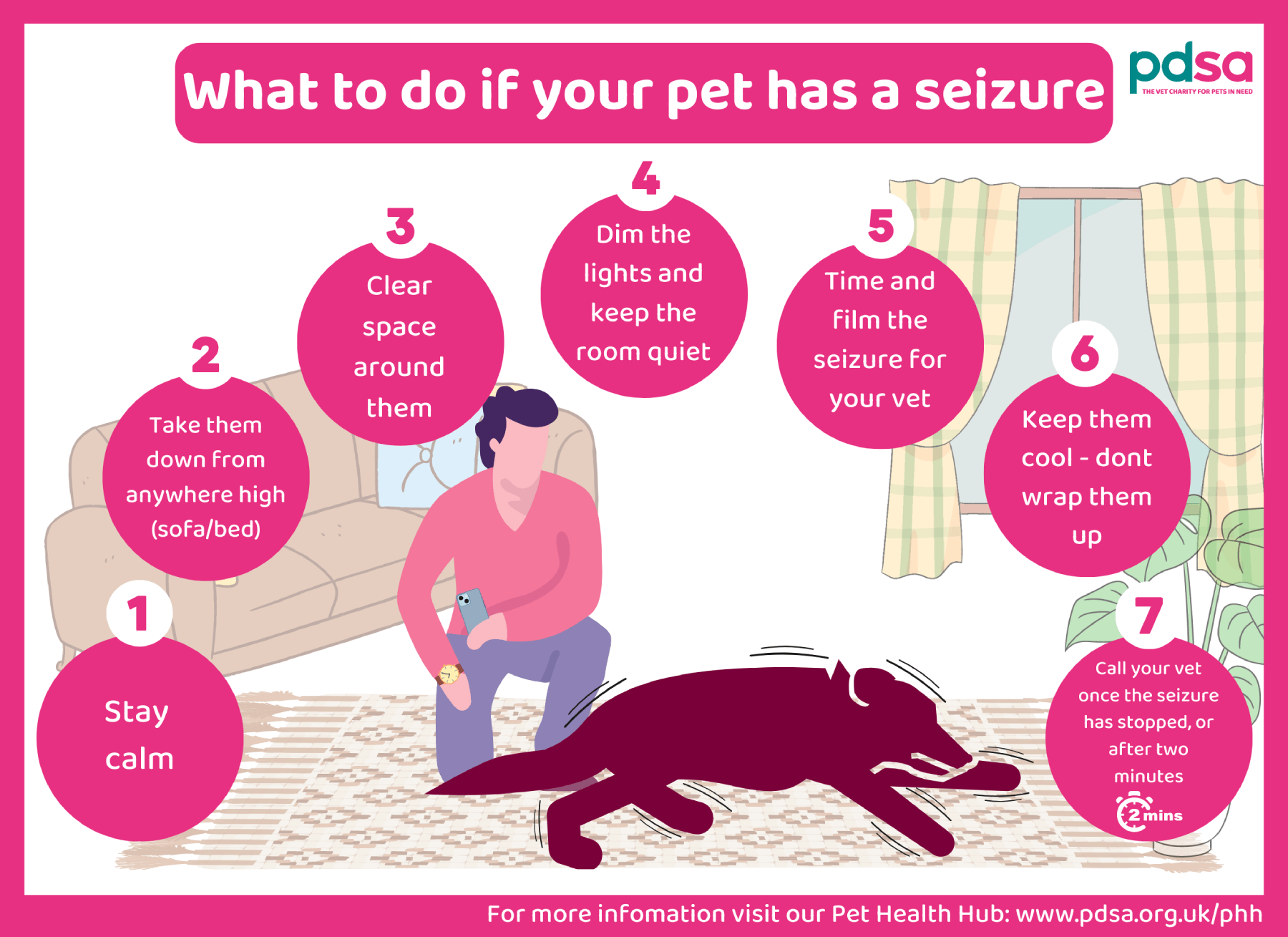
Image Source: www.pdsa.org.uk
Recognizing Dog Seizure Symptoms
Knowing what a seizure looks like is the first step in helping your dog. Not all seizures look like the dramatic shaking you see on TV. Dogs may experience different types of seizures.
Types of Seizures in Dogs
Seizures happen when the brain has a sudden burst of abnormal electrical activity.
- Tonic-Clonic Seizures (Grand Mal): These are the most common and severe. They involve loss of consciousness. The dog may collapse. Muscles become stiff (tonic phase). Then, the dog will jerk or paddle its legs (clonic phase). Saliva or foam may come from the mouth. The dog might lose control of its bladder or bowels.
- Focal Seizures (Partial Seizures): These affect only one part of the brain. Symptoms are less dramatic. They might include twitching of a single leg, face, or lip. The dog stays awake and aware during this time.
- Psychomotor or Complex Partial Seizures: These involve strange behaviors. A dog might suddenly chase its tail aggressively. It could nip at the air or appear confused and scared. The dog seems aware but acts strangely.
- Absence Seizures: These are brief staring spells. The dog seems to “check out” for a few seconds. It does not respond to you. It might look like daydreaming.
The visible part of a seizure usually lasts only a few minutes. However, it feels much longer to the owner.
Immediate Steps During a Dog Seizure
The goal during a seizure is to protect your dog from injury and stay calm yourself. Knowing what to do for dog seizure events is essential preparation.
Stay Calm and Safe
It is scary to watch your dog seize. Staying calm helps you act correctly.
- Do Not Panic: Your dog cannot hear you or see you clearly during a seizure. Panicking will not help them.
- Keep Everyone Away: Clear the area immediately. Keep children and other pets far away from the seizing dog. A dog in a seizure cannot control its movements. It might accidentally bite or scratch you.
- Protect the Head: Gently move furniture or sharp objects away from your dog. If the dog is near stairs or hard corners, try to put a cushion or soft blanket under its head. Never try to hold your dog down or restrict its movements. This can cause injury to you or your pet.
- Do Not Put Anything in Their Mouth: A very common myth is that dogs swallow their tongues during seizures. This is false. Trying to force objects into a dog’s mouth can break their teeth or cause you to be bitten severely.
- Time the Seizure: Use a watch or phone to time exactly how long the seizure lasts. This information is vital for your veterinarian.
After the Shaking Stops (Post-Ictal Phase)
The period right after the active shaking stops is called the post-ictal phase. Post-ictal care for dogs is just as important as care during the event.
- Stay Quiet and Dim the Lights: When the active shaking stops, your dog may still be disoriented, weak, or blind for a few minutes up to an hour. Keep the room quiet and dark. Loud noises or bright lights can sometimes trigger another seizure.
- Offer Comfort: Speak in a low, soft voice. Let your dog wake up slowly. They might walk into walls or seem confused. Do not force them to move.
- Check Breathing: Make sure your dog is breathing normally. If they are still having trouble breathing long after the shaking stops, seek emergency care.
- Water and Food: Do not offer food or water right away. They may still have trouble swallowing properly. Wait until they seem fully alert and steady on their feet before offering small amounts of water.
Determining When to Seek Emergency Care
Knowing when to worry about dog seizures separates routine management from a medical crisis. Not every seizure requires an immediate rush to the emergency clinic, but some situations demand instant attention.
Emergency Situations: Status Epilepticus
The most dangerous situation is status epilepticus. This is when a dog has continuous seizures for five minutes or longer without regaining consciousness between events. This is a life-threatening emergency. Brain cells can be permanently damaged or die from overheating and over-activity.
- Action: If the seizure lasts five minutes, call your vet immediately while you are on your way. Do not wait for it to stop naturally.
Cluster Seizures
Cluster seizures happen when a dog has two or more distinct seizures within a 24-hour period, often with very little recovery time in between.
- Action: Even if the individual seizures are short, if you see a second one start shortly after the first ends, it is time to call the vet. They may need medication to stop the seizure cycle.
First-Time Seizures
If your dog has never seized before, a vet visit is essential, even if the seizure was short and the dog recovered well. A veterinarian needs to find the causes of dog seizures.
Finding the Root Cause of Seizures
Seizures in dogs are a symptom, not a disease itself. Finding the cause is key to long-term dog seizure control. Vets categorize the causes into two main groups: structural and idiopathic.
Structural Causes (Intracranial)
These involve physical problems within the brain itself.
- Brain Tumors: Especially common in older dogs.
- Infections: Such as distemper or fungal infections.
- Inflammation (Encephalitis): Swelling of the brain tissue.
- Trauma: Head injuries can lead to scar tissue that causes seizures.
- Stroke: Blood flow issues in the brain.
Metabolic Causes (Extracranial)
These happen due to problems outside the brain that affect brain function.
- Hypoglycemia: Dangerously low blood sugar.
- Liver Disease (Portosystemic Shunts): The liver cannot clear toxins like ammonia from the blood. These toxins build up and affect the brain.
- Kidney Failure: Buildup of toxins kidneys normally remove.
- Electrolyte Imbalances: Issues with sodium or calcium levels.
- Toxins: Ingesting poisons like antifreeze, chocolate, or certain medications.
Idiopathic Epilepsy
If a dog is under six years old, and a thorough workup (blood tests, sometimes MRI) shows no structural or metabolic cause, the diagnosis is often Idiopathic Epilepsy. This means the seizures happen due to an unknown, inherited tendency. This is the most common diagnosis for seizures in young to middle-aged dogs.
Veterinary Diagnosis and Treatment
When you bring your dog in, the vet will perform a full physical and neurological exam. Depending on the findings, they may recommend further testing.
Diagnostic Tools
| Test Recommended | Purpose |
|---|---|
| Bloodwork (CBC/Chemistry) | Checks organ function (liver, kidneys) and blood sugar levels to rule out metabolic issues. |
| Urinalysis | Looks for signs of kidney disease or infection. |
| Infectious Disease Testing | Screens for tick-borne diseases that can cause neurological signs. |
| Cerebrospinal Fluid (CSF) Tap | Analysis of the fluid around the brain to check for infection or inflammation. |
| MRI/CT Scan | Essential for visualizing the brain structure to find tumors or other lesions. |
Medication for Dog Epilepsy Management
If seizures are frequent or severe, medication is usually necessary to prevent future events. This is the core of dog epilepsy management. Medication does not cure epilepsy, but it controls it.
- Goal of Medication: The aim is to reduce seizure frequency by at least 50%. Ideally, the goal is to reduce them by 80% or more, and stop cluster seizures completely.
- Common Anti-Seizure Drugs:
- Phenobarbital
- Zonisamide
- Keppra (Levetiracetam)
- Potassium Bromide (often used as an add-on)
These medications require strict adherence to dosing schedules. Missing even one dose can lower the drug level in the blood too much and trigger a seizure. Regular blood tests are needed to monitor drug levels and check for liver stress caused by some medications.
Exploring Home Remedies and Supportive Care
While prescription drugs are usually necessary for true epilepsy, owners often seek ways to support their dog through treating dog seizures at home alongside veterinary care. These are supportive measures, not replacements for prescribed medication.
Dietary Approaches
Some owners find dietary changes helpful, especially when combined with traditional dog epilepsy management. Always discuss major diet changes with your vet first.
- Medium-Chain Triglycerides (MCT Oil): MCTs are fats that the body converts into ketones. Ketones can provide an alternative fuel source for the brain. Some studies suggest that adding MCT oil (like coconut oil, but specifically MCT oil formulated for dogs) to the diet might help stabilize brain energy, potentially reducing seizure activity in some dogs, especially those with structural epilepsy.
- Prescription Ketogenic Diets: Specialized veterinary diets designed to be very high in fat and very low in carbohydrates are sometimes used under strict veterinary guidance to promote ketone production.
Supplements and Natural Aids
Many supplements are marketed for seizure control. Evidence for their effectiveness varies widely.
- CBD Oil: Cannabidiol (CBD) oil has gained popularity. Some studies show promise in reducing seizure frequency in dogs with epilepsy, often used alongside standard anti-seizure drugs. Ensure you use high-quality, third-party tested products specifically formulated for pets.
- Magnesium and B Vitamins: Deficiencies in these nutrients can sometimes contribute to neurological excitability. A vet may recommend supplementation if blood tests show low levels.
Lifestyle Management
A stable, low-stress environment is beneficial for any dog prone to seizures.
- Avoid Triggers: Identify and avoid known triggers. Common triggers include loud noises, flashing lights (like lightning storms or fireworks), extreme excitement, or sudden changes in routine.
- Consistent Routine: Feed your dog at the same time every day. Keep walk times regular. Consistency helps reduce overall neurological stress.
The Importance of Tracking Seizure Logs
A detailed seizure log is perhaps the most useful tool you have for long-term dog seizure control. This log is essential for your vet to assess if current treating dog seizures at home efforts or medications are working.
What to Record in Your Log
Create a simple chart or use a dedicated app to record every incident.
| Date and Time | Duration (Active Shaking) | Post-Ictal Period Length | Description of Activity (Shaking, Paddling, Drooling) | Possible Trigger Noted | Medication Given (If Any) | Did the Dog Recover Fully? |
|---|---|---|---|---|---|---|
| 10/26/2023, 3:15 PM | 1 minute, 30 seconds | 45 minutes | Full body convulsions, mild drooling. | Loud thunderclap outside. | Gave 1 dose of rescue med (Keppra) at 3:25 PM. | Yes, tired but alert by 4:30 PM. |
Reviewing this log helps the vet decide if they need to adjust medication dosages or explore different treatment paths.
When Is an Emergency Vet for a Dog Seizure Necessary?
While short, isolated seizures are often managed at home with supportive care and a follow-up vet appointment, certain scenarios necessitate immediate action at an emergency vet for dog seizure situation.
Red Flags for Emergency Care
- Seizure > 5 Minutes: Status Epilepticus.
- Cluster Seizures: Multiple seizures within 24 hours.
- Injury During Seizure: If the dog hit its head hard or seems injured after the event.
- Prolonged Post-Ictal Phase: If the dog remains completely disoriented, non-responsive, or unable to walk normally for several hours after the shaking stops.
- First-Time Seizure in a Young Puppy or Senior Dog: This requires urgent rule-out of severe causes like poisoning or hypoglycemia.
- Known Toxin Ingestion: If you suspect the dog ate something poisonous just before the seizure began.
If you must transport your dog during a seizure, try to keep them as calm as possible. Place them securely on a blanket or towel in the car, minimizing jostling and noise.
Comprehending the Different Stages of a Seizure
Vets divide the seizure event into three phases. Fathoming these stages helps owners know what to expect.
1. The Pre-Ictal Phase (Aura)
This is the period immediately before the seizure starts. It can last seconds to minutes. Dogs may show subtle signs that something is about to happen.
- Pacing anxiously.
- Hiding or seeking out the owner for comfort.
- Drooling or lip-smacking.
- Appearing suddenly fearful or confused.
If you recognize these signs, this is your window to safely move the dog to a secure area before the active seizure begins.
2. The Ictal Phase (The Seizure Itself)
This is the active, visible part of the seizure. This phase is when the muscle activity (shaking, rigidity) occurs. As noted, this typically lasts only a few minutes. This is the time to time the event and ensure safety.
3. The Post-Ictal Phase
This phase follows the active shaking. The dog recovers neurologically. Recovery time is highly variable, ranging from a few minutes to several hours. Dogs often appear blind, deaf, or very clumsy during this time. They may seem hungry or thirsty. Full mental clarity returns slowly.
Long-Term Control and Quality of Life
Dog epilepsy management is a marathon, not a sprint. Successful management focuses on maximizing the dog’s quality of life while minimizing seizure frequency and severity.
Working Closely with Your Veterinarian
For dogs diagnosed with epilepsy, finding the right combination of medications and dosages takes time.
- Titration: Vets slowly increase medication doses until the seizures are controlled or side effects become too severe. This process requires patience and diligent logging.
- Rescue Medications: For dogs that experience cluster seizures or prolonged seizures at home, the vet might prescribe “rescue” medications. These are usually given rectally (as a suppository) or orally if the owner recognizes the beginning of a cluster. These are meant to stop a seizure cycle before it becomes life-threatening and must be used exactly as directed.
Monitoring Side Effects
Medications used for long-term dog seizure control can have side effects. Owners must monitor their dogs closely for these changes:
- Increased Thirst and Urination (Polydipsia/Polyuria): Common with Phenobarbital. This requires monitoring kidney function via blood tests.
- Lethargy or Sedation: If the dog seems unusually sleepy all the time, the dose might be too high.
- Liver Changes: Many anti-seizure drugs are metabolized by the liver, necessitating regular enzyme checks.
If side effects are severe, consult your vet about switching to an alternative drug, like Zonisamide or Keppra, which might have a better side-effect profile for your specific dog.
Frequently Asked Questions (FAQ)
Q: Can I give my dog human seizure medication like Valium during a seizure?
A: If your vet has not specifically prescribed a dose of a human anti-seizure medication (like diazepam or midazolam) as a rescue medication to be given only if a seizure lasts over five minutes, then no. Do not give human medication. If you suspect a seizure is starting and the dog has been prescribed an emergency dose of medication, administer it exactly as directed by your veterinarian.
Q: How long does a dog seizure usually last?
A: Most isolated, uncomplicated seizures last between 30 seconds and 3 minutes. If the active shaking phase lasts longer than five minutes, it is a medical emergency (status epilepticus).
Q: Is dog epilepsy contagious?
A: No. Epilepsy is a neurological condition related to abnormal electrical activity in the brain. It is not contagious between pets or to humans.
Q: Can stress cause a dog to have a seizure if they are not epileptic?
A: While stress doesn’t cause idiopathic epilepsy, extreme stress or excitement can sometimes trigger a seizure in a dog already predisposed to epilepsy or in a dog experiencing a metabolic issue. Reducing stress is part of good canine seizure first aid and management.
Q: Are seizures more common in certain breeds?
A: Yes. Breeds like Beagles, German Shepherds, Golden Retrievers, Labrador Retrievers, and Poodles are statistically more prone to idiopathic epilepsy. However, seizures can happen in any dog.
Q: How soon after a seizure should I see the vet?
A: If it is the dog’s first seizure, you should schedule a vet visit within 24–48 hours for a full workup to identify the causes of dog seizures. If the dog has a known history of epilepsy, call your vet immediately if the seizure lasts over 5 minutes, or if you see a second seizure start quickly (cluster).