
The right size crate for a Labrador Retriever is one where the dog can stand up tall, turn around easily, and lie down fully stretched out, without feeling cramped. For an adult Labrador, this usually means a crate that is 42 inches long. Picking the correct Labrador crate size is key for successful crate training and keeping your dog safe and happy. This guide will help you pick the perfect home for your Lab.
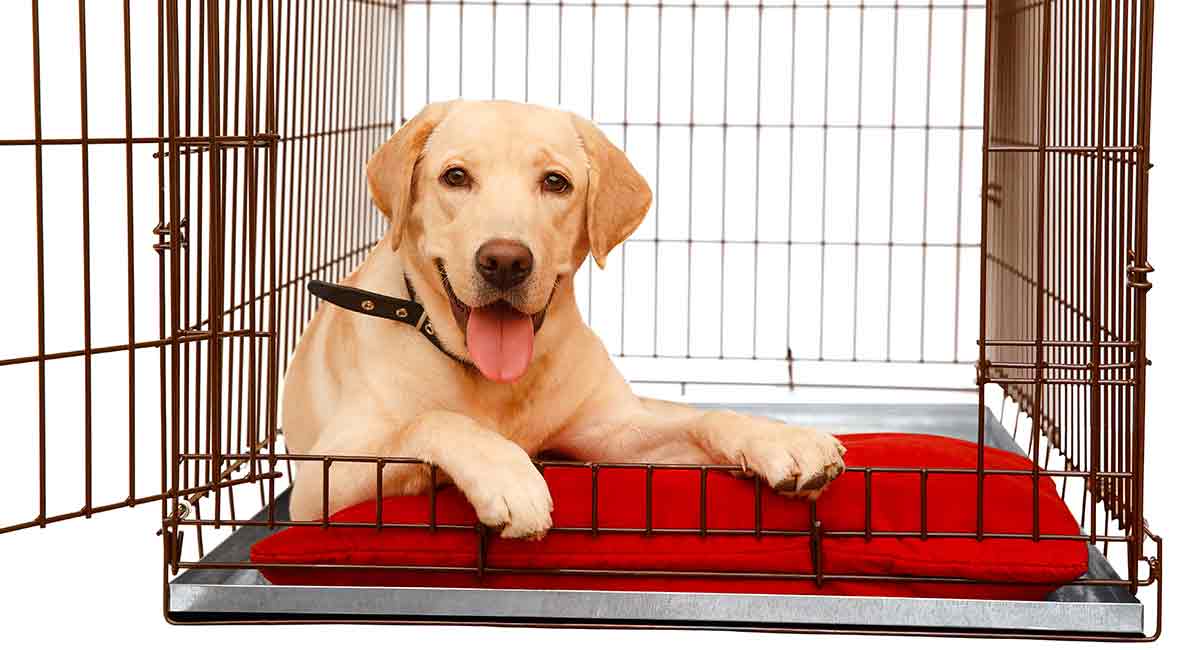
Image Source: www.thelabradorsite.com
Choosing the Right Crate Size: Why It Matters
Picking the right size crate is very important for your Lab. A crate that is too small causes discomfort and stress. A crate that is too big can cause problems too. If the crate is too large, your Lab might try to use one corner as a potty area. Dogs naturally want to keep their sleeping space clean. If there is too much room, this natural instinct is lost.
We need a space that feels cozy, like a den. It should be just big enough for comfort. This helps with potty training. It also makes the crate a safe place for your dog.
Deciphering Crate Sizes for Labradors
Labradors come in different sizes even within the breed standard. Males are often bigger than females. Knowing the typical measurements helps you shop smart.
Measurements of a Typical Labrador
Adult male Labs often weigh between 65 and 80 pounds. They stand about 22.5 to 24.5 inches tall at the shoulder. Adult female Labs usually weigh 55 to 70 pounds. They stand 21.5 to 23.5 inches tall.
These heights and weights directly affect the adult Lab crate size you need.
The Golden Rules for Crate Sizing
When measuring for a crate, always measure your dog first.
- Length: Measure your dog from the tip of the nose to the base of the tail. Add about 4 to 6 inches to this number. This gives room to turn and stretch.
- Height: Measure your dog from the floor to the top of its head when sitting straight up. Add 2 to 4 inches to this height. This allows your Lab to stand without hitting its head.
How big a crate for a full grown Lab? Most fully grown Labs need a crate that is 42 inches long. Some very large males might need a 48-inch crate.
Crate Size Chart for Labradors
This chart shows the typical crate sizes needed for different stages of a Labrador’s life.
| Stage of Lab | Weight Range (Approx.) | Recommended Crate Length | Common Crate Size Name |
|---|---|---|---|
| Puppy (8-12 Weeks) | 10 – 25 lbs | 24 inches | Small |
| Adolescent Lab | 25 – 50 lbs | 30 – 36 inches | Medium / Intermediate |
| Average Adult Lab | 50 – 75 lbs | 42 inches | Large |
| Extra Large Adult Lab | 75+ lbs | 48 inches | Extra Large |
This sizing chart is a great starting point for finding the best crate for Labrador.
Growing Pains: Sizing the Crate for a Lab Puppy
Buying a crate for a puppy crate size for Lab is tricky. Puppies grow very fast! If you buy a tiny crate, you will have to buy another one in a few months. If you buy one that is too big right away, potty training will be hard.
The Solution: Dividers
The best way to handle a growing puppy is to buy a crate meant for the full grown Lab size, but use a divider panel.
- What is a divider? It is a movable panel inside the crate. It makes the large space smaller when the puppy is small.
- How to use it: Set up the crate so the puppy has just enough room to stand, turn around, and sleep comfortably. As the puppy grows, move the divider further back.
- Benefits: This saves money in the long run. It keeps potty training effective, as the puppy cannot soil its entire living space.
For a puppy that will reach 70 pounds, start with a 42-inch crate. Use the divider to section off about 30 inches initially.
Crate Construction: Wire vs. Plastic
When looking at large dog crate dimensions, you also need to choose the material. There are two main types: wire and plastic (often called travel crates).
Wire Crates for Labs
Wire crate for Lab options are very popular.
- Pros:
- Excellent ventilation. Air flows freely.
- Easy to clean. Spills drop right through to a tray below.
- Good visibility. Your dog can see out, and you can see in. This helps them feel less isolated.
- Usually foldable, making storage easier.
- Often come with adjustable dividers.
- Cons:
- Can be drafty in cold weather.
- Less private; some dogs feel too exposed.
- If the latch is weak, a strong Lab can sometimes escape.
Plastic Dog Crates (Airline Style)
These are often called “travel crates” or “kennels.”
- Pros:
- Very sturdy and secure. Great for strong chewers or escape artists.
- Offer more privacy, which many Labs prefer for sleeping.
- Better protection from weather and drafts. Ideal for outdoor use or travel.
- Cons:
- Heavier and bulkier to move.
- Less air flow unless there are many vents.
- Harder to clean inside, as everything sits on the floor.
- Visibility is limited.
For general home use, a wire crate for Lab is often easier to manage. For frequent travel, a secure plastic dog crate size Lab model is better.
Crate Dimensions in Detail
When shopping, you will see measurements listed as Length x Width x Height. Always check all three dimensions against your dog’s measurements.
The 42-Inch Crate Breakdown
A standard 42-inch large dog crate dimensions crate usually measures:
- Length: 42 inches
- Width: 28 inches
- Height: 30 inches
This size works well for Labs weighing up to 75 pounds. It gives them enough space to be comfortable without being so large that they misuse the space.
When Might a 48-Inch Crate Be Necessary?
If you have a very large male show-line Labrador or a very tall female, a 48-inch crate is safer. A 48-inch crate typically measures:
- Length: 48 inches
- Width: 30 inches
- Height: 33 inches
This extra space ensures that even a very tall Lab can stand fully upright without stooping, which is important for long-term comfort.
Crate Training Lab Size Considerations
The success of crate training Lab size depends heavily on getting the dimensions right from day one. Poor sizing leads to crate refusal.
Keeping the Crate Comfortable
Once you have the correct size, you must make the inside inviting.
- Bedding: Use durable, washable bedding. Labs love to dig or nest. Avoid very plush beds initially, especially if the dog is a chewer. A thick mat or towel works well.
- Water: If the dog is crate trained for short periods (a few hours), water bowls are usually not necessary inside the crate. For longer stays or during travel, use a spill-proof water system attached to the wire.
- Toys: Only leave safe, indestructible toys inside, like Kongs stuffed with frozen treats. Never leave toys that can break apart easily.
Crate Use for Separation Anxiety
Labs are social dogs and bond closely with their families. If your Lab has separation anxiety, a crate that is too big can make anxiety worse because the dog feels too exposed. A cozy, snug crate (correctly sized, not oversized) feels more like a secure den when they are alone.
Traveling with Your Labrador
Travel requirements change the type of crate you need. The home crate might not be the right travel crate size for Labrador for car trips or flights.
Car Travel
For safety in the car, the crate should fit securely in the back seat or cargo area. It should not slide around. For most SUVs or wagons, a 42-inch crate fits well in the back cargo area. Make sure the crate is properly buckled or secured against the sides of the vehicle.
Air Travel (Airline Crrates)
Airline-approved crates are almost always hard-sided plastic kennels that meet IATA (International Air Transport Association) regulations.
- Key Features for Air Travel:
- The dog must be able to stand up completely without touching the top.
- The dog must be able to turn around easily.
- The carrier must have secure metal bolts, not just plastic clips.
- Vents must be on all four sides.
If flying, check with your specific airline well in advance. A standard 42-inch crate might need to be swapped for a specific airline-approved model to meet their exact size restrictions for the cargo hold.
Common Mistakes When Sizing a Crate
Many new Lab owners make one of these errors. Avoid these pitfalls to make crate training smooth.
Mistake 1: Buying Too Big Early On
As mentioned, this ruins house training. A dog will soil a large space if given the chance. Always use the divider for puppies.
Mistake 2: Ignoring Height Requirements
People often focus only on length. If the crate is too short, the dog has to hunch or crouch when standing up. This causes muscle strain and makes the crate an uncomfortable place to be, especially for long-term containment or recovery from injury.
Mistake 3: Using the Dog’s Current Size Only
Always size based on the mature size of the breed, especially when starting with a puppy. It is always better to buy the final size crate with a divider than to buy three smaller crates in a row.
Mistake 4: Choosing a Weak Crate for a Strong Dog
Labs are powerful dogs. A lightweight, cheap wire crate might bend under their weight or if they lean hard against the side. Invest in a sturdy crate made of thick gauge metal or heavy-duty plastic if your Lab is robust.
Maintenance and Longevity of the Crate
Your Labrador crate is an investment. Taking care of it ensures it lasts for the dog’s entire life.
Cleaning the Crate
Regular cleaning is vital for health.
- Remove bedding frequently. Wash it weekly or bi-weekly, depending on use.
- Wipe down plastic crates with a mild disinfectant.
- For wire crates, wash the tray underneath often. Rust can form on lower-quality wires if urine is left to sit. Check the hinges and latches regularly.
When to Retire a Crate
You should retire a crate if:
- The latch fails or becomes loose. Safety is paramount.
- The structure bends or breaks, creating sharp edges.
- Rust compromises the integrity of the wire.
Even if your dog stops using the crate daily after training, it remains a vital tool for safe travel and temporary containment (like after surgery). Ensure it stays in good shape.
Integrating the Crate into Daily Life
The crate should feel like a positive space. This links directly back to size. A dog that fits perfectly feels secure.
If your Lab is fully grown and perfectly sized in a 42-inch crate, they see it as their safe bedroom. This makes things easier when you leave the house or go to sleep.
Crate training Lab size acceptance is a team effort between the owner and the equipment chosen.
Creating a Positive Association
Never use the crate as punishment. This ruins the den feeling. Always make entries into the crate a positive event:
- Toss a high-value chew toy inside.
- Feed meals inside the crate (especially when training starts).
- Use calm, happy praise when the dog goes in willingly.
A properly sized crate supports these positive activities. A cramped crate suggests confinement, not comfort.
Summary of Labrador Crate Needs
Finding the correct Labrador crate size ensures your dog remains happy, healthy, and well-behaved. Remember these key takeaways:
- Measure your dog first—nose to tail base and floor to head top.
- Most adult Labs require a 42-inch crate.
- Use dividers for puppies to manage growth and house training.
- Check both length and height specifications when shopping.
- Wire offers airflow; plastic offers security for travel.
By selecting the right dimensions, you are providing your Lab with a safe sanctuary they will appreciate for years to come.
Frequently Asked Questions (FAQ) About Lab Crate Sizing
Q: Can I use a smaller crate for my Labrador puppy if I take the bedding out?
A: No, you should not use a crate that is too small, even without bedding. A crate that is too small prevents the puppy from standing or turning around naturally. This causes physical discomfort and psychological stress. Always use a crate large enough for the current size, using a divider to limit space if necessary.
Q: My 70-pound Lab seems scared in the 42-inch crate. Should I get a bigger one?
A: Fear in a crate is usually related to the training process, not the size, provided the size is correct. If the crate is the right size (42 inches for a 70-pound Lab), try making the crate more appealing. Cover three sides of the wire crate with a blanket to make it darker and more den-like. Ensure all introductions to the crate are positive and short at first. Only go up to a 48-inch crate if the dog is significantly larger than average or if you are certain they cannot stand fully upright in the 42-inch size.
Q: Should I buy a crate based on the box size or the actual internal dimensions?
A: Always base your purchase on the actual internal dimensions (Length x Width x Height). Manufacturers sometimes list the exterior measurements, which can be misleading due to things like rounded corners or latch mechanisms. Look specifically for the clear internal measurements provided in the product details.
Q: How long should I leave my adult Lab in a crate during the day?
A: An adult, fully crate-trained Lab should generally not be left in a crate for more than 4 to 6 hours at a time without a potty break. While they can physically “hold it” longer, forcing them to stay in their sleeping area for too long goes against good training principles and can cause distress. If you must be gone longer, arrange for a mid-day walk or check-in.
Q: What is the minimum height needed for a crate for a 23-inch tall Lab?
A: If your Lab measures 23 inches tall at the shoulder, you need at least 2 to 4 inches of extra clearance above their head when they are standing fully erect inside the crate. Therefore, a crate height of 27 to 29 inches would be the minimum. Most standard 42-inch crates offer a height around 30 inches, which is usually perfect.