
Boarding a dog means leaving your pet in the care of others, usually overnight or for an extended period, at a dedicated facility or in someone else’s home while you are away. When planning a trip or facing unexpected time away, securing reliable overnight dog care becomes essential for many pet owners. This guide will help you explore your options, learn how to select the best fit, and get your dog ready for their stay.
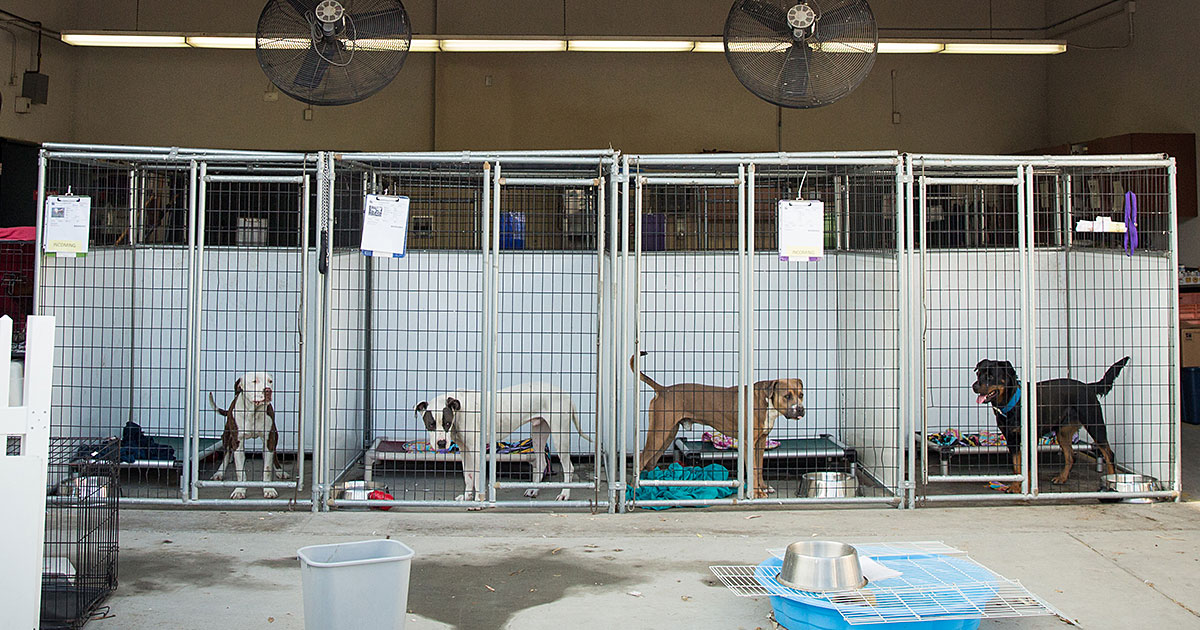
Image Source: images.contentstack.io
Exploring Options for Canine Lodging
When you need care for your dog, you have several choices. Each option offers different benefits and levels of attention for your furry friend. Deciding which one fits best depends on your dog’s personality, your budget, and how long you will be gone.
Dog Boarding Kennels: The Traditional Choice
Dog boarding kennels are specialized facilities designed specifically to house pets while their owners travel. These places are set up to manage many animals safely. They often provide structured schedules, playtime, and feeding times.
Features of Quality Kennels
Good kennels focus on safety and comfort. They usually have indoor and outdoor areas for exercise. Staff members are often trained in animal care.
- Safety Protocols: Cleanliness is crucial. Look for proper sanitation routines.
- Kennel Size: Ensure the enclosures are large enough for your dog to move around comfortably.
- Exercise Time: Ask how often and how long dogs get out of their individual spaces.
Dog Hotel Alternatives: Luxury and Comfort
Some owners seek a more upscale experience for their pets. Dog hotel alternatives often mimic human hotel amenities. These places focus heavily on comfort and personalized attention.
These facilities often feature softer bedding, premium food options, and perhaps even webcams so you can check in. While they cost more, they offer peace of mind for owners who want a luxury stay for their pets.
In-Home Dog Boarding: A Home-Like Setting
In-home dog boarding means your dog stays at the caregiver’s private residence, not a commercial facility. This is often favored by dogs who get anxious in new, busy places. The dog lives as part of the family temporarily.
This option often means one-on-one attention. It can be less stressful for shy or elderly dogs. However, you must vet the caregiver very carefully, as the environment is a private home, not a regulated business.
Professional Dog Sitting: In Your Own Home
Professional dog sitting usually involves a sitter coming to your house. They stay overnight or visit several times a day to care for your dog, feed them, and walk them in their familiar environment. This is often the least disruptive choice for many dogs.
This service is great if your dog struggles with separation anxiety or has very specific medical needs that require monitoring in their own space. It minimizes changes to their routine.
Dog Daycare Versus Boarding: Knowing the Difference
It is important to know dog daycare versus boarding. Dog daycare provides supervision and socialization during the day only. Dogs go home with their owners at night. Boarding involves care around the clock, including overnight stays. Some facilities offer both services. If you are gone for a week, you need boarding. If you just need care while at work, daycare might work.
Selecting the Right Facility: Making the Best Choice
Choosing the right place is vital for your dog’s happiness and well-being. Do not rush this decision. Start your search early.
Steps for Choosing a Dog Boarding Facility
The process of choosing a dog boarding facility requires careful research. Use a structured approach to compare your top contenders.
Initial Vetting and Research
Start by asking friends for recommendations. Check online reviews for recurring themes, both positive and negative. Look at the facility’s website.
Conducting the Visit
Always tour the facility before booking. A tour lets you see the operations firsthand. Look closely at the cleanliness and staff interactions.
What to Look for During Your Tour:
- Staff-to-Dog Ratio: How many dogs does each staff member handle? Lower is better.
- Cleanliness: Do the kennels and common areas smell clean? Are waste stations readily available?
- Emergency Plans: Do they have clear procedures for medical emergencies? Who is the emergency vet contact?
- Ventilation and Lighting: Is the area well-lit and does it have fresh air circulation?
Assessing Pet Boarding Safety
Pet boarding safety must be your top priority. A safe environment prevents accidents, illness, and escape.
Security Measures
Check fences, gates, and door locks. Are the play yards secure? Are there clear boundaries between different groups of dogs?
Health and Hygiene Practices
Ask about vaccination requirements for all boarded dogs. How often are common areas sanitized? If a dog shows signs of illness, what is the protocol for isolation?
Table 1: Comparing Care Options
| Feature | Dog Boarding Kennels | In-Home Boarding | Professional Sitting (Your Home) |
|---|---|---|---|
| Environment | Commercial, structured | Private home setting | Dog’s familiar home |
| Supervision Level | Group or individual | One-on-one or small group | Dependent on sitter’s schedule |
| Best For | Social dogs, longer trips | Anxious dogs needing calm | Dogs with separation issues |
| Routine Change | Significant | Moderate | Minimal |
Preparing Your Dog for Boarding Success
Even the best facility can be stressful if your dog is unprepared. Preparing your dog for boarding eases the transition for both of you. Start preparation weeks before your trip.
Acclimating Your Dog to the Environment
If you choose a kennel or hotel, a trial run is highly recommended. A short visit or a half-day of daycare helps your dog get used to the sounds, smells, and sights.
Short Stays and Visits
Book one short overnight stay a few weeks out. This lets your dog test the waters without a long commitment. Observe how they react to being separated from you.
Introducing Them to the Caregiver
If using professional dog sitting or in-home dog boarding, schedule multiple short visits where you are present. Let your dog warm up to the new person while you are there to provide comfort.
Managing Feeding and Medications
Consistency in diet is key to preventing stomach upset. Do not switch foods right before boarding.
Detailed Medication Instructions
If your dog needs medicine, write clear, simple instructions. Include the drug name, dosage, time, and method of giving it. Bring enough medication plus a few extra doses, just in case.
Food Specifics
Bring their usual food, portioned out if possible. Label everything clearly. If they are on a special diet, confirm the facility can handle those needs.
Creating a Dog Boarding Checklist
Using dog boarding checklists ensures you do not forget important items. Being organized reduces last-minute panic.
Essential Items Checklist
- Vaccination records (required by most facilities).
- Food and treats (clearly labeled).
- Medications with instructions.
- Leash, collar, and ID tags.
- Favorite toys or blankets for comfort.
- Contact information for your vet and an emergency contact.
Comfort Items
A familiar item helps a lot. A favorite blanket, a worn t-shirt that smells like you, or a durable chew toy can provide immense comfort during separation. Be cautious with soft toys that could be shredded and ingested if the dog is anxious.
Fathoming Facility Regulations and Staff Expertise
When looking into kennels or hotels, you must gauge the staff’s ability to handle different situations. Their expertise directly impacts your dog’s safety and happiness.
Staff Training and Certification
Ask about staff training. Are they certified in Pet CPR and First Aid? Do they have experience with behavioral issues or handling reactive dogs? Knowledgeable staff can spot subtle signs of stress or illness early.
Group Play Versus Individual Time
Many facilities offer group play sessions. This is great for social dogs. However, it raises safety concerns if not managed well.
Assessing Play Yard Management
Observe how staff supervise playgroups. Are they actively engaged? Are dogs separated by size and temperament? If your dog is older or fearful, confirm they can opt out of group play for more one-on-one attention. This is a key factor when comparing services.
Handling Special Needs
Dogs with minor mobility issues or anxiety require extra care. Discuss these needs openly with the potential caregiver.
- Can they manage slow walks for an older dog?
- Can they provide quiet time away from high-energy play areas?
- Do they have experience administering injectables if needed?
Navigating Separation Anxiety During Boarding
Separation anxiety is common when dogs are away from their owners. A good boarding situation manages this stress proactively.
Signs Your Dog May Be Stressed
Watch for excessive drooling, pacing, whining, refusal to eat, or destructive behavior once left alone. If you notice these signs during a short trial stay, you may need a different option, like in-home dog boarding.
Strategies to Reduce Anxiety
- Familiar Scents: Include bedding that smells strongly of home.
- Exercise Before Drop-off: A tired dog is a calm dog. Ensure a good long walk before leaving them.
- Calming Aids: Discuss using pheromone diffusers or veterinarian-approved calming supplements with your vet beforehand.
- Positive Departure: Keep goodbyes short and cheerful. Lingering reassurances can make the dog feel that your departure is something to worry about.
The Logistics of Booking and Contracts
Once you select a place, the administrative side needs attention. Understanding the policies protects both you and your pet.
Booking in Advance
Popular facilities, especially during holidays, book up months ahead. Secure your spot as soon as your travel dates are firm.
Reviewing Contracts and Policies
Read every document carefully before signing. Pay close attention to cancellation policies. What happens if your flight is delayed?
Crucial Policy Areas to Check:
- Vaccination Requirements: Non-negotiable for safety.
- Feeding Schedule: Confirm they follow your instructions.
- Veterinary Authorization: Who can authorize treatment if you cannot be reached?
- Liability: What happens if your dog is injured while in their care?
This review is crucial whether you use traditional dog boarding kennels or a private sitter. Transparency is key to a good relationship.
Frequently Asked Questions (FAQ)
How far in advance should I book overnight dog care?
For standard boarding during busy seasons (holidays, summer), book at least four to six weeks in advance. If you require specialized care or are using a highly sought-after professional dog sitting service, book several months out.
Is in-home dog boarding always safer than a kennel?
Not necessarily. In-home dog boarding is often less structured and less monitored by external regulations. Safety depends entirely on the individual sitter’s experience, home environment, and security measures. A well-run, reputable kennel might offer a safer, more professionally managed environment than an inexperienced sitter’s home.
What if my dog doesn’t eat while boarding?
This is a common issue due to stress. Notify the facility immediately. They should monitor consumption. If the dog refuses food for more than 24 hours, they must contact you or follow emergency vet authorization. Ensure you have discussed your dog’s usual eating habits during intake.
Should I leave my dog with toys or blankets?
Yes, comfort items are generally encouraged, especially soft blankets or worn clothing that carries your scent. However, avoid anything that could be a choking hazard if your dog is prone to chewing when anxious. Always check the facility’s specific rules on personal items.
What is the main difference between dog daycare versus boarding?
Dog daycare versus boarding boils down to duration. Daycare ends when the owner returns at the end of the day. Boarding involves the dog staying overnight at the facility or caregiver’s home until the owner returns. Daycare is supervision during business hours; boarding is 24-hour care.