
Ringworm, also known as dermatophytosis, looks like patchy hair loss, often with a circular or ring-like shape, on a dog’s skin. It can also appear as scaly, red, or crusty sores.
Ringworm is a common skin issue in dogs. It is not caused by a worm at all. It is a fungal infection. This fungus attacks the skin, hair, and nails. If you spot strange spots on your dog, knowing what to look for is key. Early action helps stop the spread to your dog and your family.
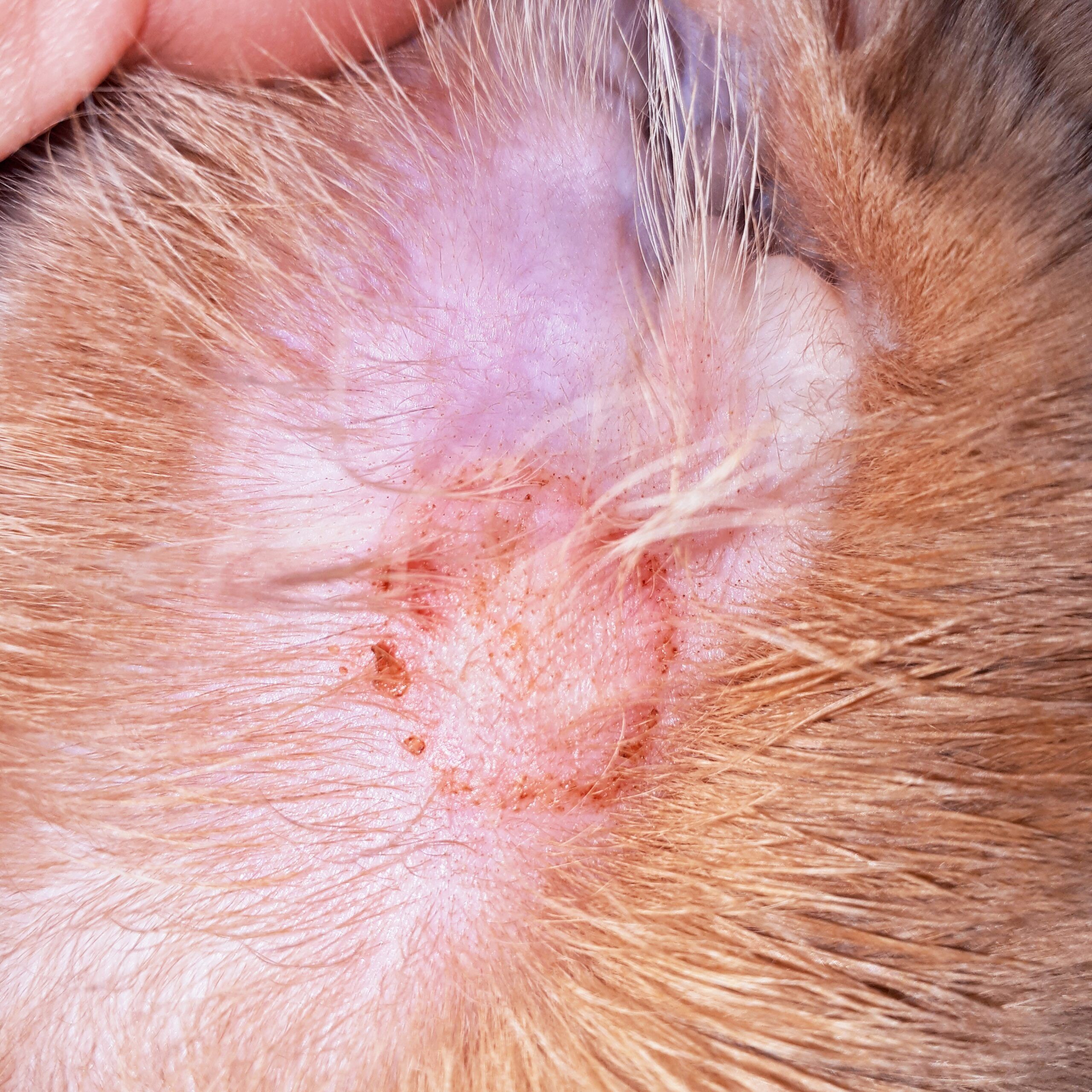
Image Source: cdn-edlic.nitrocdn.com
Deciphering the Look of Ringworm in Dogs
The dog ringworm appearance can vary a lot from one dog to another. Sometimes it is very obvious. Other times, it is very subtle. This makes spotting it tricky. Knowing the typical signs helps vets make a quick diagnosing ringworm in dogs process.
Common Signs and Lesions
The most classic sign is the way the hair falls out. This creates bald spots. These spots are often round. These are the canine fungal infection lesions vets look for first.
- Circular Rashes: The name “ringworm” comes from the ring shape. You might see a dog circular rash on body. This circle often has a raised, crusty border. The center of the circle might look clearer or have less hair.
- Scaly Patches: The skin under the hair loss often looks flaky. It can look like dandruff or dry skin. This scaling is a key sign of ringworm on dog skin.
- Redness and Inflammation: The affected areas can become red and irritated. Sometimes, these spots look very inflamed. They can become dog itchy red spots, making the dog scratch a lot.
- Hair Loss (Alopecia): This is often the first thing owners notice. The hair breaks easily. This leads to distinct dog hair loss patches. These patches can be small at first but grow larger over time.
Variations in Appearance
Not all dogs show the classic ring shape. Sometimes, the signs are less clear.
Scabby and Crusty Patches
In some cases, the spots do not look like perfect rings. Instead, they look like raised, rough patches covered in scabs. These scabs can flake off, leaving a dull, broken hair surface.
Asymptomatic Carriers
A worrisome aspect is that some dogs carry the fungus without showing many symptoms. These dogs might only have a few broken hairs or slight scaling. They look mostly normal but can still spread the spores to other pets or people.
Appearance on Puppies
Puppy ringworm symptoms often appear more severe. Puppies have weaker immune systems. They get infected easily. In puppies, the lesions are frequently widespread. They often look very crusty, especially around the head, ears, and paws. The whole face might look inflamed and scaly.
Where Ringworm Shows Up on a Dog
The location of the lesions can offer clues. Ringworm likes warm, moist areas. However, it can appear almost anywhere on the body.
Common Locations
- Head and Face: The muzzle, ears, and around the eyes are common starting points. Look closely near the eyelids.
- Legs and Paws: Because dogs touch surfaces, the fungus spreads easily to the feet. You might see scaling between the toes.
- Trunk: The main body area is where large, spreading patches often develop. This is where you often find the dog circular rash on body.
- Nails: In rare cases, the fungus infects the nails. The nails might become brittle, thickened, or misshapen.
Interpreting Itchiness and Discomfort
Is ringworm itchy? Sometimes yes, sometimes no. This is a common source of confusion for owners.
Many people assume all skin problems cause intense itching. However, ringworm lesions are not always intensely itchy.
- Mild Itch: Some dogs only experience mild itching at the edge of the lesion. They might scratch occasionally.
- No Itch: Often, the initial signs of ringworm on dog skin do not cause any discomfort at all. The owner only notices the hair loss.
- Secondary Infections: If the dog scratches the area a lot, the broken skin can let in bacteria. This secondary infection causes intense itching, pain, and redness. At this stage, the problem looks worse than just the fungus alone.
If you see dog itchy red spots that look scaly, ringworm must be considered.
Using Pictures to Identify Ringworm
Sometimes, words do not capture the look of the infection. Looking at ringworm in dogs pictures online is helpful. However, be careful. Many other skin issues look similar.
Pictures help you see the typical patterns:
| Image Feature | Description | What It Suggests |
|---|---|---|
| Circular Border | Distinct, raised edge around the hair loss. | Highly suggestive of ringworm. |
| Scaling/Flaking | Dry, white or gray flakes within the patch. | Common with fungal or dry skin issues. |
| Broken Hairs | Hairs easily snap off at the skin level. | Suggests a fungal attack on the hair shaft. |
| Pigmentation Change | The skin might look darker or lighter in the patch. | Can occur after inflammation resolves. |
Always compare what you see on your dog to reliable sources. Remember that secondary infections can mask the classic look.
Differentiating Ringworm from Other Skin Issues
This is the hardest part for a non-veterinarian. Many skin problems mimic the dog ringworm appearance. Misdiagnosis can lead to using the wrong medication, making the actual ringworm worse.
Here is how ringworm differs from common look-alikes:
Allergies (Atopy or Food)
Allergies usually cause generalized itching over the whole body, often targeting the paws, belly, and rear end.
- Ringworm: Usually localized, circular, and scaly.
- Allergies: Widespread inflammation, often involving chewing on paws or rubbing the face. The spots are rarely perfectly circular.
Mange (Sarcoptic or Demodectic)
Mange involves mites burrowing into the skin.
- Sarcoptic Mange (Scabies): Causes intense, non-stop itching. Lesions often start on the ear margins, elbows, and hocks. It is extremely contagious.
- Demodectic Mange: Often shows up as patchy hair loss, especially around the eyes or mouth, particularly in young dogs or those with weak immunity. It usually isn’t very itchy unless a secondary infection sets in.
Bacterial Infections (Pyoderma)
Bacterial infections often look like pustules (small pimples) or moist, oozing sores (hot spots).
- Ringworm: Usually dry and scaly.
- Pyoderma: Often wet, smelly, and frequently involves pus.
If your dog has dog itchy red spots that are weeping or have pus, a bacterial infection is more likely, though it can happen alongside ringworm.
The Diagnostic Process: How Vets Confirm Ringworm
Never try to treat what you suspect is ringworm without a vet visit. Diagnosing ringworm in dogs requires professional tools.
Wood’s Lamp Examination
The vet may first use a special UV light called a Wood’s lamp. Some strains of the fungus glow a bright apple-green color under this light.
- Pro: It’s fast and non-invasive.
- Con: Only about 50% of the common Microsporum canis strains glow. A negative result does not rule out ringworm.
Fungal Culture (DTM)
This is the gold standard for confirmation. The vet takes hair and skin scrapings directly from the lesions. They place these samples on a special culture medium (Dermatophyte Test Medium or DTM).
- Process: The culture is incubated for several weeks. If ringworm spores are present, the fungus feeds on the medium and changes its color (usually from yellow to red).
- Importance: This confirms the presence of the fungus and identifies the specific species, which guides the best approach for treating fungal spots on dogs.
Microscopic Examination
Sometimes, the vet can look at the hairs under a microscope after special staining. This can quickly show fungal spores attached to the hair shaft.
Treating Fungal Spots on Dogs
Once ringworm is confirmed, prompt and thorough treating fungal spots on dogs is crucial. Ringworm is highly contagious to other pets and people (zoonotic). Treatment usually involves a combination approach.
Topical Treatments
These treatments work directly on the skin lesions.
- Antifungal Shampoos: Medicated shampoos containing ingredients like lime sulfur or miconazole are used frequently (often two or three times a week). You must leave the shampoo on for the time specified on the bottle (contact time) for it to work.
- Topical Rinses/Dips: Lime sulfur dips are very effective but smell strongly of rotten eggs. They are often used for severe or widespread cases. Care must be taken as they can stain light-colored fur temporarily.
Oral Medications
For widespread, severe, or persistent cases, the vet will prescribe oral antifungal drugs.
- Itraconazole or Griseofulvin: These drugs enter the bloodstream and help kill the fungus from the inside out. They are powerful and require regular follow-ups and sometimes blood tests to check liver function, as they can affect the liver.
Environmental Decontamination
Treating the dog is only half the battle. The spores can live in the environment (carpets, bedding, furniture) for months.
- Cleaning: Vacuum floors daily. Dispose of the vacuum bag immediately or clean the canister thoroughly.
- Washing: Wash all bedding, towels, and soft toys in hot water.
- Disinfection: Use a diluted bleach solution (1 part bleach to 10 parts water) or a specialized veterinary disinfectant like accelerated hydrogen peroxide (Rescue) to wipe down hard surfaces, carriers, and grooming tools. This step is vital to stop re-infection.
Special Considerations for Puppies
Puppy ringworm symptoms require careful management. Puppies are small, and strong oral medications can sometimes be too harsh.
Vets usually focus heavily on topical treatment for puppies. Frequent bathing and careful environmental cleaning become the most important steps. Isolation of the puppy is also critical to prevent the spread in the household.
Longevity of Treatment
Ringworm treatment is not quick. Even when the visible dog ringworm appearance clears up, the dog must remain in treatment for several weeks afterward.
A dog is only considered cured when two or three successive fungal cultures come back negative, taken several weeks apart. This ensures that all fungal spores are truly gone and prevents relapse. Treatment often lasts between 6 to 12 weeks total.
Prevention: Stopping Ringworm Before It Starts
While accidents happen, minimizing risk is possible.
- Quarantine New Pets: Always keep new animals separate for a few weeks. Watch them closely for any signs of ringworm on dog skin before mixing them with established pets.
- Avoid Contact: Keep your dog away from stray animals or dogs that show signs of skin lesions.
- Good Hygiene: Keep your dog’s coat clean and dry. Overly damp environments encourage fungal growth.
Summary of Key Visual Clues
If you are worried about your dog, check for these signs first:
| Feature | Ringworm Likely | Ringworm Less Likely |
|---|---|---|
| Shape | Distinct circle or oval lesion. | Scattered, irregular hives or bumps. |
| Texture | Scaly, flaky, or crusty. | Oozing, wet, or blistered (more bacterial). |
| Hair | Patches of broken, sparse, or missing hair. | Thickened skin with normal hair coverage. |
| Itch Level | Mild to moderate. | Extremely intense (more likely mites or allergy). |
Remember, while looking at ringworm in dogs pictures can help you notice a problem, only a veterinarian can confirm the diagnosis and guide effective treating fungal spots on dogs.
Frequently Asked Questions (FAQ) About Dog Ringworm
Can I catch ringworm from my dog if I see the lesions?
Yes, ringworm is zoonotic, meaning it can pass between animals and humans. If you see signs of ringworm on dog skin, handle your dog with gloves, especially when applying treatments. Wash your hands thoroughly afterward. Humans usually develop a red, itchy, circular rash on their own skin.
How long does it take for ringworm to show up on my dog after exposure?
The incubation period—the time between when the dog gets the spores and when you see dog ringworm appearance—is typically between 4 days and 3 weeks. Most often, symptoms appear in about 1 to 2 weeks.
If my dog has hair loss patches, is it always ringworm?
No. Hair loss patches, or alopecia, can be caused by allergies, hormonal issues (like hypothyroidism), parasites (like Demodex mites), or even stress. This is why a veterinarian must perform tests like a fungal culture before starting treatment for canine fungal infection lesions.
Can I use human athlete’s foot cream on my dog’s ringworm?
Do not use human medications without specific instruction from your vet. While some active ingredients might be the same, the concentration, formula, and safety profile for dogs can be different. Some ingredients safe for human feet can be toxic if licked by a dog. Stick to vet-approved methods for treating fungal spots on dogs.
What should I do immediately if I suspect ringworm?
Isolate your dog from other pets immediately, if possible. Limit contact with people, especially children or immunocompromised individuals. Call your veterinarian right away to schedule an appointment for diagnosing ringworm in dogs. Avoid bathing the dog heavily before the vet visit, as this can wash away spores needed for the culture test.