
A microchipped dog has an implant, about the size of a grain of rice, placed under the skin, usually between the shoulder blades. This chip holds a unique ID number that links the dog to its owner’s contact details in a database, making lost pet recovery microchip technology a key tool for reunion.
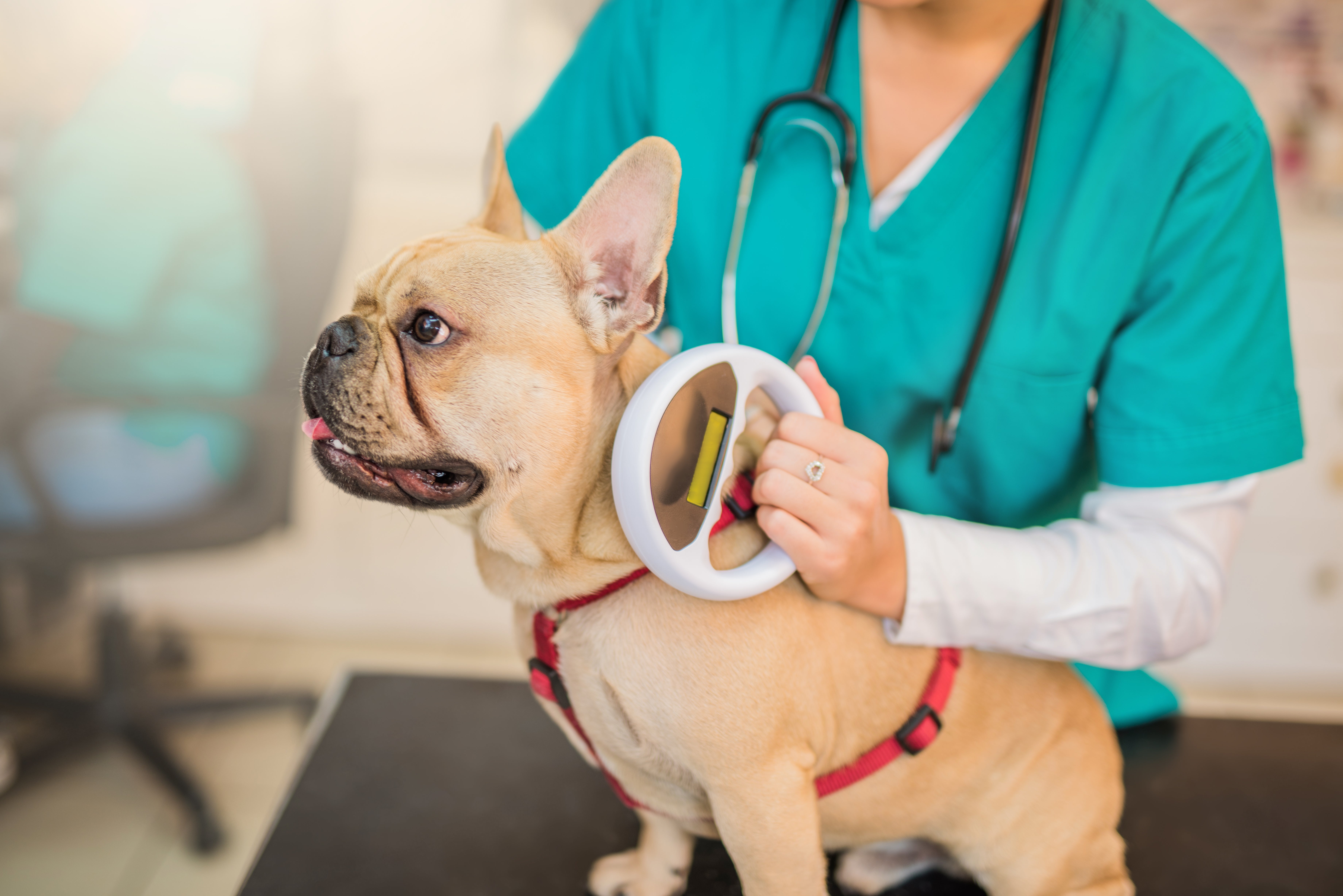
Image Source: www.akc.org
The Core Idea: What is a Dog Microchip?
A dog microchip identification system is a simple, safe way to permanently mark your pet. It is not a GPS tracker. It does not have a battery or moving parts. Think of it as a permanent ID tag woven into your dog’s body. If your dog gets lost, a shelter or vet uses a special reader to find the ID number. This number connects them straight back to you.
How Dog Microchips Work
The technology behind the dog microchip identification tag is quite clever yet very basic.
Passive Technology Explained
Microchips are passive devices. This means they do not send out a signal on their own. They wait to be activated.
- Implantation: A veterinarian uses a sterile needle to place the chip just under the skin. This is like giving your dog a quick vaccination shot.
- Activation: When a microchip scanner for dogs passes over the chip’s location, it sends out a low-power radio frequency signal.
- Reading: The chip uses this energy to power up briefly. It sends its unique identification code back to the scanner.
- Lookup: The person scanning the dog enters this number into a national or international database. This database holds your current phone number and address. This step is vital for success.
The Veterinarian Microchip Procedure
The actual placement of the chip is quick and usually painless. The veterinarian microchip procedure is very routine now.
- Preparation: The vet cleans the area where the chip will go, usually the scruff area between the shoulder blades.
- Injection: A specialized injector device pushes the chip under the skin. Many vets say it feels like a quick pinch, similar to a routine shot.
- Confirmation: Some vets scan the area right after injection to make sure the chip is present and readable.
- Registration: The most important step follows: registering a dog’s microchip immediately.
The Big Safety Benefits of Microchipping Pets
Why go through the small trouble of chipping? The benefits of microchipping pets far outweigh the minimal effort involved. The primary gain is a much higher chance of getting your lost dog back safely.
A Permanent ID Solution
Collars and tags can fall off. Dogs can slip out of collars easily, especially when scared. A microchip cannot be lost or removed easily. This provides a permanent link back to you. Even if your dog is found miles from home and without any tags, the chip tells the finder who owns the dog.
Speeding Up Reunions
When a dog is found, time is crucial. If a shelter has to rely only on signs or social media, the reunion takes longer. With a microchip, a quick scan at a shelter or vet office provides instant owner contact information, making the reunion happen fast. This reduces stress for both the owner and the pet.
Compliance with Laws
In many places, microchipping is becoming the standard. Knowing about microchip laws for dogs is important for responsible ownership. Some regions now mandate microchipping for dog licensing.
| Requirement Type | Common Practice | Safety Impact |
|---|---|---|
| Required for Travel | Often required for international or interstate travel. | Ensures customs and border officials can confirm ownership. |
| Required for Licensing | Increasingly required in major cities or counties. | Links official registration records directly to the pet. |
| Shelter Policy | Most shelters scan every intake animal. | Maximizes the chance of a found pet being scanned immediately. |
Microchip vs. Tattoo for Dogs: Which ID is Best?
People sometimes ask about the old method: tattooing. Deciding between a chip and a tattoo involves weighing permanence against readability.
Tattoo Drawbacks
Tattoos used to be popular. They are applied inside the ear flap or on the belly. However, they have clear issues:
- Fading: Tattoos can fade over time, making them hard or impossible to read.
- Identification: If the dog is severely injured or shaved, the tattoo might not be visible.
- Data: Tattoos usually only hold a license number, not direct owner contact information. You still have to call the issuing authority.
Microchip Advantages
The microchip wins in modern pet identification for several reasons:
- Clarity: The chip number is always crisp and clear. No fading issues.
- Direct Link: When you complete the microchip dog registration, you link the number directly to your current phone number.
- Non-Invasive Scanning: The microchip scanner for dogs reads the chip through the skin easily.
It is best to view the microchip vs tattoo for dogs debate as settled in favor of microchipping for primary identification.
Making It Work: The Importance of Registration
A microchip is just a number until it is linked to you. This is why microchip dog registration is the single most crucial step. Without it, the chip is useless.
Step 1: Choosing a Registry
There are many registries available. Some chip manufacturers provide a free national registry. However, many owners choose an independent, universal registry that works across multiple databases. Research reputable databases before you commit.
Step 2: Entering Correct Information
When registering a dog’s microchip, accuracy matters:
- Use your most reliable phone number.
- Include at least two contact numbers if possible.
- Provide your current physical address.
- Include an email address.
Step 3: Keeping Data Current
This is where many people fail. If you move or change your phone number, you must update the registry immediately. Shelters will call the number on file. If that number is disconnected, your lost dog stays lost. Treat updating your chip information like updating your driver’s license address—it’s mandatory for safety.
Key Action Item: Set a yearly reminder on your calendar to log in and check your contact details on the microchip dog registration site.
Misconceptions About Dog Microchips
Many people have fears or wrong ideas about what a microchip does. Let’s clear up a few common myths.
Myth 1: It’s a Tracking Device
No. A microchip is not a GPS tracker. It does not use satellites or cellular networks. It only works when actively scanned by a reader held close to the chip. If your dog is at home, the chip is silent.
Myth 2: It’s Too Risky to Implant
The veterinarian microchip procedure is extremely safe. The chip material is biocompatible, meaning the body does not reject it. The size is tiny, like a grain of rice, and it rarely moves from the initial injection site. Serious side effects are incredibly rare.
Myth 3: The Chip Can Hurt My Dog Later
Once implanted, the chip usually forms a thin layer of scar tissue around it, keeping it stable. It does not migrate far. It does not affect your dog’s health or cause internal problems as they age.
Myth 4: It’s Only for Lost Dogs
While primary use is lost pet recovery microchip assistance, chips are also important for confirming ownership in disputes or theft cases. If your dog is stolen, the chip proves you are the legal owner when you recover them.
The Role of the Microchip Scanner for Dogs
The success of the chip relies on someone having a microchip scanner for dogs. Fortunately, these devices are now very common.
Where Scanners Are Found
Nearly every entity involved in animal welfare owns a scanner:
- All veterinary offices.
- Animal shelters and humane societies.
- Animal control officers.
- Many police departments in larger cities.
If your dog is found, it is highly likely the first person who secures them will have a way to scan them.
Scanner Compatibility
Historically, there were different frequencies used globally. This meant a scanner from one country might not read a chip from another. Today, most modern scanners are “universal” or “multi-frequency.” They can read the common ISO (International Organization for Standardization) standard chips used worldwide. Always ask your vet which chip standard they use to ensure maximum compatibility if you travel.
Comparing Data Storage: Microchip vs. Current Tags
Let’s look at how the microchip stacks up against a simple engraved tag.
| Feature | Engraved ID Tag | Microchip Identification |
|---|---|---|
| Permanence | Can be lost, break, or fall off. | Permanent implant; cannot be lost. |
| Data Capacity | Very limited (Name, Phone). | Stores a unique number linked to extensive online records. |
| Reliability | Dependent on metal quality and wear. | Readability is constant unless the chip fails (very rare). |
| Action Needed | Owner must replace if lost or phone number changes. | Owner only needs to update registering a dog’s microchip data online. |
While tags are still highly recommended as a first line of defense (they provide immediate contact info without a scanner), the microchip serves as the vital, permanent backup.
Fathoming the Global Reach of Microchips
The benefits of microchipping pets extend beyond local boundaries. For owners who travel with their dogs, especially internationally, the chip is a non-negotiable requirement.
International Travel and ISO Standards
When moving pets between countries, the ISO standard chip (usually 15-digit code) is often mandatory. If you plan to move abroad, you must ensure your dog has an ISO-compliant chip inserted before any other procedures, like rabies vaccinations, as the chip must precede the vaccination for travel validity in many regions. Check the specific import requirements for your destination country.
Deciphering Microchip Laws for Dogs
Laws around pet identification are changing fast. Knowing microchip laws for dogs in your area can save you hassle or fines.
In many large US cities, for example, proof of microchip registration is required to obtain a yearly dog license. In some states, if you surrender an animal to a shelter, and it is chipped, the shelter is legally required to attempt to contact the owner before putting the animal up for adoption.
This legal framework reinforces the chip’s role not just as a reunion tool but as a legal marker of ownership recognized by authorities. Always check with your local county or municipal government for current mandates regarding licensing and chipping.
Caring for the Implanted Chip
Once the chip is in place, what does a dog owner need to do concerning the physical chip itself? Very little!
Post-Procedure Care
After the veterinarian microchip procedure, watch the site for 24 hours for any slight swelling or redness, just as you would for any injection. Keep the area clean. After that, no special care is needed. The chip stays where it is and requires no maintenance.
Dealing with Migration
Very rarely, a chip might shift slightly from its original spot between the shoulder blades. This is more common in very small breeds or dogs with little body fat. If you ever worry about the chip’s location, your vet can easily locate it with a scanner during a routine check-up. A slight shift does not affect its function.
The Ultimate Goal: Ensuring Lost Pet Recovery Microchip Success
Success in lost pet recovery microchip efforts hinges on two things: the chip being implanted, and the registration being current.
Scenario 1: The Found Pet is Scanned Immediately
Your dog runs out during a thunderstorm. A neighbor finds them scared and distressed. They take the dog to the nearest vet clinic. The vet scans the dog, gets ID #123456789. They look up the number in the registry. They call you. Success! This happens quickly because of current microchip dog registration.
Scenario 2: The Found Pet is Taken to a Shelter
A dog is found wandering and is taken to the local shelter. The shelter scans the dog. They find the chip but the phone number is old because you moved three years ago and forgot to update the database. The shelter follows procedures, waits the legal holding period, and eventually puts the dog up for adoption. This is the failure point—the technology worked, but the data management failed.
To maximize safety, treat the chip data like gold. It is the most reliable way to prove you are the owner of a pet found far from home.
Practical Steps for Every Dog Owner
To ensure you have maximized your dog’s safety using this technology, follow this checklist:
- Verify Installation: Ask your vet to scan your dog yearly to confirm the chip is present and readable.
- Confirm Registry: Ensure you have completed registering a dog’s microchip with a national or universal database.
- Update Contacts: If any phone number or address changes, update the registry that day.
- Use Tags: Keep an engraved ID tag on the collar at all times, as it offers instant, non-scanner access to your information.
- Know the Laws: Be aware of microchip laws for dogs in your city and state regarding licensing.
By taking these simple, proactive steps, the small rice-sized implant becomes one of the most powerful tools available for ensuring your beloved companion finds their way home.
Frequently Asked Questions (FAQ) About Dog Microchips
Q1: How much does a microchip cost?
The cost varies. The chip itself is inexpensive, usually under $20. However, the procedure requires a vet visit, which includes the consultation and injection. Total costs often range from $30 to $60. Some shelters offer low-cost chipping events, sometimes as low as $10-$25. Remember, the one-time cost of the chip is separate from any small yearly fee some independent registries charge for database maintenance.
Q2: Does the microchip hurt my dog during implantation?
The injection is very quick, similar to a standard vaccination. Most dogs react minimally, showing only a brief flick of the ear or a momentary twitch. Anesthesia is usually not needed because the process is so fast.
Q3: Can my dog be scanned without a special microchip scanner for dogs?
No. The chip requires a specialized reader that emits a radio frequency signal to power the chip and receive the ID code back. Standard metal detectors or X-ray machines will not read the chip.
Q4: If I move, do I have to get a new microchip?
No. You do not need a new chip. You must contact the registry where you completed your microchip dog registration and update your contact details linked to the existing chip number.
Q5: Is there an age limit for microchipping?
No, there is no minimum age. Many vets recommend chipping puppies when they receive their first set of vaccinations, often around 6 to 8 weeks old, so that they are chipped before leaving the breeder or initial caregiver.
Q6: What happens if my dog has two microchips?
While rare, it can happen if a previous owner chipped the dog and the new owner didn’t know. If a scanner reads two chips, the finding organization will contact the owners listed for both IDs. Ensure your current registration notes that a previous chip exists, if known.