
Dog licking behavior is a common way dogs interact with people and their world. When a dog licks you, it usually signals affection, attention-seeking, or sometimes, a way to groom or taste something interesting.
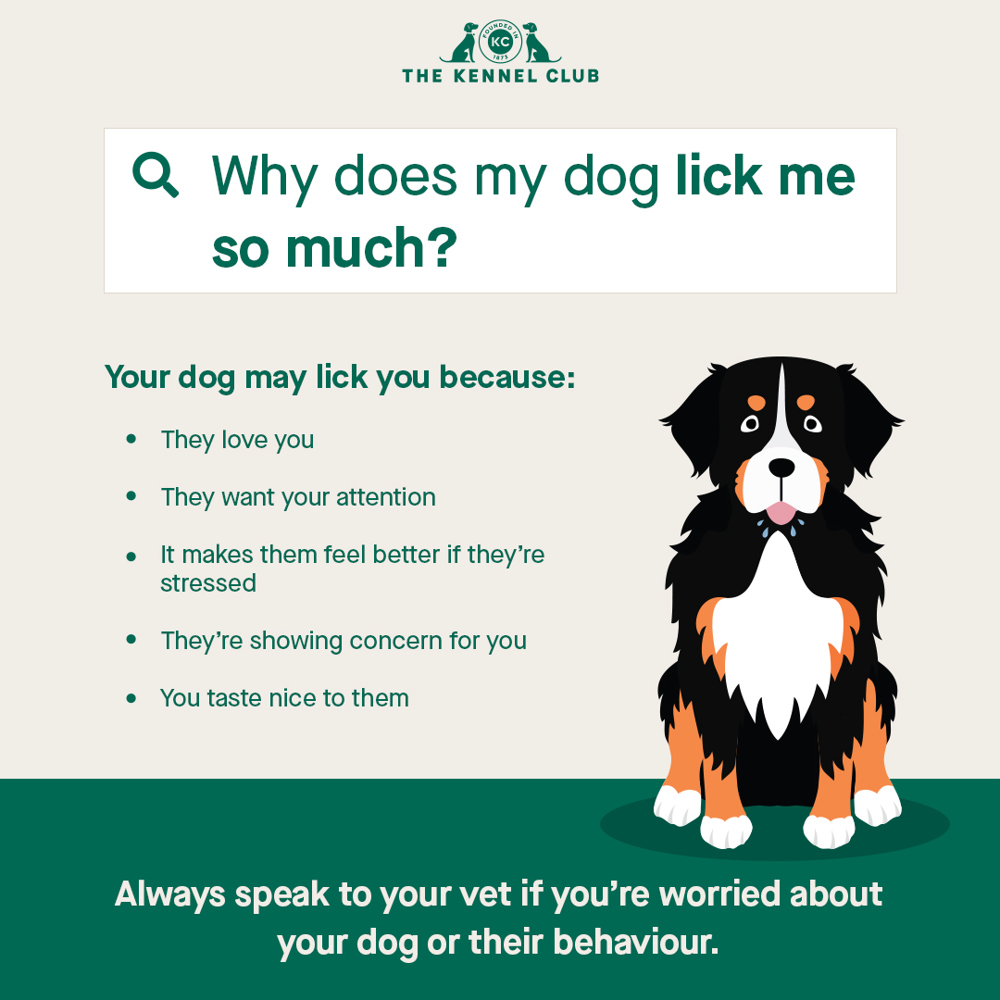
Image Source: www.thekennelclub.org.uk
The Basics of Dog Licking Behavior
Dogs lick for many reasons. It is a natural part of how they live and communicate. This action is deeply rooted in their instincts. It starts when they are very young puppies. Mother dogs lick their pups to clean them and encourage them to breathe and eat. This early bonding shapes future dog licking behavior.
Instinctual Roots of Licking
Licking is essential for survival in the canine world. Puppies lick their mother’s mouth. This signals that they want regurgitated food. This action continues into adult life but changes its meaning.
- Nurturing: Licking mimics the care a mother dog gives.
- Submission: A dog might lick a dominant dog or person as a sign of respect or to show they mean no harm.
- Exploration: Dogs use their mouths and tongues to learn about their environment. They taste and smell the world this way.
Grasping Why Dogs Lick Owners
There are several main reasons dogs lick owners. These reasons often overlap. Context is key to knowing what your dog truly wants.
Affection and Bonding
The most pleasant reason is often the simplest: dog affection licking. Your dog likes you. Licking releases feel-good hormones in both dogs and humans. It is a strong sign of a close bond. When your dog licks your face or hands, they are showing love. They often seek closeness when they lick you affectionately.
Seeking Attention
If you react every time your dog licks you, even by saying “stop,” you are rewarding the action. Dogs quickly learn that licking gets a response. They might lick you simply because they want you to pet them or play a game. This is a learned behavior to get attention.
Taste and Smell
Dogs are very driven by scent. Your skin holds many interesting smells. You might have just eaten something salty, like sweat. Your dog might be licking to taste that salty flavor. They can also be trying to clean you. They might lick off food crumbs you missed. This is simple exploration mixed with caretaking.
Stress Relief and Self-Soothing
Sometimes, licking is a coping mechanism. Just like humans bite their nails when nervous, dogs lick when they feel stressed or anxious. This is often linked to excessive dog licking behaviors directed toward themselves, but it can transfer to owners too. If your dog licks you when a scary sound happens, they might be seeking comfort.
Deciphering Different Licking Locations
Where your dog licks you offers clues about the dog licking meaning.
| Licking Location | Common Interpretation | Context Clues |
|---|---|---|
| Face and Lips | Affection, Seeking Food, Submission | Intense eye contact, relaxed body posture |
| Hands and Feet | Tasting Salt, Grooming, Attention Seeking | Quick, brief licks, or persistent licking |
| Arms and Legs | Curiosity, Play Invitation | Wagging tail, bouncy posture |
| Wounds or Scabs | Instinct to Clean/Heal | Dog focuses intently on the spot |
Why Dogs Lick Face
Why dogs lick face is a complex question. It often reverts to puppy behavior. Puppies lick the mouths of returning parent dogs to ask for food. When an adult dog licks your face, it can be a sign of deep affection or deference. They are showing they see you as the leader or caregiver. However, if it is persistent and frantic, it might signal anxiety.
Compulsive Licking and Health
While normal licking is fine, you must watch for signs of problems. Dog licking excessively or focusing on just one spot can signal an issue.
Grooming Behavior
Dogs instinctively groom each other. If one dog licks another’s ear, it is social bonding. When they lick you, they are including you in their social circle. They might be trying to “clean” you, which is a high compliment in dog society.
Medical Concerns
Excessive dog licking can point toward physical pain. If your dog suddenly starts licking one area of your body a lot, check that spot. If the licking is constant and hard to distract them from, a vet visit is wise. They might be smelling something unusual on your skin.
When Licking Becomes Excessive Dog Licking
Most licking is normal. But what happens when it crosses the line into excessive dog licking? This behavior can become bothersome to owners and might hide underlying issues.
Differentiating Normal vs. Problem Licking
Normal licking is usually brief and situational. It happens during greetings or playtime. Problem licking is relentless, intense, and happens without clear external triggers.
Signs that licking is excessive:
- It interrupts normal activities (eating, sleeping).
- The dog cannot easily be distracted from the licking.
- It causes irritation or raw spots on your skin (rare, but possible).
- It is accompanied by other anxious behaviors (pacing, whining).
Causes of Compulsive Licking
If you see signs of dog licking excessively, look for these causes:
- Boredom: Lack of mental and physical exercise leads to self-soothing behaviors, including licking people.
- Anxiety and Stress: Separation anxiety or loud noises can trigger stress licking.
- Attention Seeking: If this started after you began rewarding the licking, the dog is simply optimizing their communication strategy.
- Underlying Medical Issues: Taste changes or neurological issues can sometimes cause strange licking patterns.
Communication Through Dog Licking
Licking is a vital part of communication through dog licking. It is a language you can learn to interpret.
The Subtleties of the Tongue
The speed and pressure of the lick matter.
- Quick, soft licks: Usually friendly greetings or quick checks.
- Slow, long licks: Often associated with deep comfort or intense focus (like tasting something salty).
- Licking followed by a lean: A request for more attention or reassurance.
Dog Licking Paws: A Separate Language
While licking humans is social, dog licking paws is usually about themselves. If your dog licks its own paws frequently, it needs your attention for different reasons.
Reasons for heavy dog licking paws:
- Allergies: Environmental or food allergies cause itching.
- Injury: They feel pain and try to soothe the area with their tongue.
- Boredom: Self-soothing when bored (can lead to hot spots).
If you notice your dog obsessively licking their paws, it is a sign they need a vet check, not just a distraction tactic.
Managing Unwanted Licking
If you enjoy affection but need to stop dog licking when it becomes too much, consistency is vital. You need to teach your dog a new way to ask for attention.
Training Techniques to Reduce Licking
The key to managing unwanted licking is to remove the reward for the behavior.
1. Ignore the Licking
If your dog licks you for attention, withdraw all attention immediately.
- Stop talking.
- Stop looking at the dog.
- Turn your body away.
Wait until the dog stops licking completely, even for just a second. Then, reward that moment of quiet with praise or petting. This teaches them: Licking = Attention ends; Quiet = Attention starts.
2. Redirect the Behavior
When licking starts, redirect the energy to an appropriate activity.
- Offer a chew toy they love.
- Ask for a simple command like “Sit.”
- Start a brief game of fetch.
This fulfills their need for interaction without encouraging the licking.
3. Teach an Alternative Greeting
Train your dog to do something else when you come home or sit down. For example, train them to go to their bed and lie down when you enter the room. Reward this calm behavior heavily.
Addressing Excessive Self-Licking
If the issue is dog licking paws or flanks constantly, professional help is necessary.
- Veterinarian Visit: Rule out pain, infections, or allergies first.
- Behaviorist Consultation: If health issues are clear, a behaviorist can address anxiety or boredom fueling the compulsive licking.
The Science Behind Dog Affection Licking
Why does this simple action feel so good to dogs? It relates to brain chemistry.
The Oxytocin Effect
Licking stimulates the release of oxytocin, often called the “love hormone,” in both the dog and the human. This chemical fosters bonding and trust. When your dog licks you, they are actively strengthening your relationship on a biological level. This reinforces the positive feedback loop, making them want to lick more. This is the core of dog affection licking.
Sensory Input
A dog’s tongue is highly sensitive. The repetitive motion of licking provides significant sensory feedback. For a dog, this can be very calming, much like rhythmic rocking soothes a baby.
Frequently Asked Questions (FAQ) About Dog Licking
Does my dog lick me because I taste salty?
Yes, this is a very common reason, especially after exercise or a hot day when your skin has sweat. Dogs enjoy the salty taste.
Should I let my dog lick my face?
This is a personal choice. Medically, it’s generally safe unless your immune system is compromised or you have open sores. Behaviorally, if you allow face licking sometimes but not others, it can confuse the dog. Choose a consistent rule.
How can I quickly stop dog licking when it happens?
The fastest way is usually to move away instantly. Stand up, turn your back, or walk out of the room for a few seconds. This immediately removes the reward (you) for the unwanted behavior.
Is it bad if my dog licks my hands all the time?
If it is only brief hand licking, it is likely exploration or a mild request for attention. If it is non-stop and obsessive, it’s likely attention-seeking or related to anxiety, and you should start ignoring the behavior to curb it.
What if my dog licks me and seems anxious?
If the licking is frantic, accompanied by yawning, lip-licking (when not tasting food), or pacing, the dog is using licking as a calming signal. Address the underlying anxiety first, perhaps by providing a safe space or consulting a trainer.
How long should I wait before rewarding my dog for stopping licking?
Wait for a moment of complete calm—even just a second where the tongue is off your skin—before offering praise or a treat. Consistency teaches them that quietness is what earns the reward.