
To open a dog daycare, you need a solid dog daycare business plan, proper licensing requirements for dog daycare, adequate dog daycare insurance, a suitable location, necessary safety gear, trained staff, and a plan to attract clients.
Starting a dog daycare can be a fun and profitable venture. Dogs need care when owners are at work. This guide breaks down the essential steps. We will cover everything from planning to opening day. This checklist helps you prepare for success.
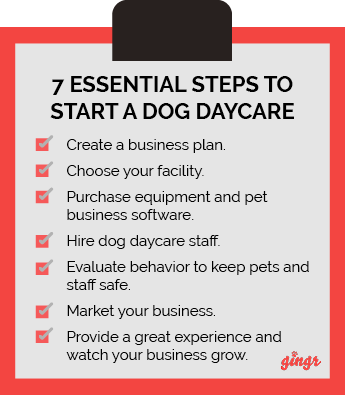
Image Source: www.gingrapp.com
Laying the Foundation: The Business Plan
A strong start needs careful planning. Your dog daycare business plan is the map for your business journey. It shows others, like lenders, that you are serious. It also forces you to think through tough choices early on.
Developing Your Concept and Niche
What kind of daycare will yours be? Will you focus on small dogs only? Maybe large, high-energy breeds need a place to play. Some owners look for luxury experiences. Others seek budget-friendly care.
- Target Market: Who are your ideal customers? Busy city professionals? Suburban families?
- Service Offering: Will you just offer daycare? Or will you add extras like dog grooming services inclusion?
- Pricing Strategy: How much will you charge per day or month? Look at local competitors.
Financial Planning and Projections
Money matters. You must know how much cash you need to start. You also need to guess how much money you will make. This part of your plan addresses the projected costs for dog daycare startup.
Initial Startup Costs
These are one-time costs to get the doors open.
| Item | Estimated Cost Range (Varies by Location) | Notes |
|---|---|---|
| Lease Deposit & First Month’s Rent | \$2,000 – \$10,000+ | Depends on size and location |
| Permits and Licenses | \$500 – \$3,000 | Varies greatly by city/state |
| Initial Equipment Purchase | \$4,000 – \$15,000 | Fencing, kennels, cleaning supplies |
| Insurance Premiums (First Year) | \$1,500 – \$5,000 | Liability is key |
| Marketing Launch Costs | \$1,000 – \$5,000 | Website, flyers, opening event |
| Working Capital Buffer | \$5,000 – \$20,000 | For slow initial months |
Operational Costs
These are ongoing monthly costs to keep running.
- Rent or mortgage payments.
- Staff payroll.
- Utilities (water, electricity, heat).
- Food, treats, and toys.
- Marketing expenses.
Forecasting your break-even point is crucial. This tells you when the business starts making a profit.
Legal Hurdles: Permits and Insurance
Running a business with animals requires specific legal compliance. Do not skip these steps. They keep you safe and legal.
Deciphering Licensing Requirements for Dog Daycare
Licensing requirements for dog daycare differ by area. You must check with your city and county offices. State rules also apply, especially for animal care businesses.
You will likely need:
- Business License: Standard for any company operating locally.
- Zoning Approval: The location must allow for animal care facilities. This is often the biggest hurdle when finding a suitable location for dog daycare.
- Health and Safety Permits: Inspections will check sanitation and fire codes.
Always ask local animal control about specific guidelines for dog capacity and facility standards.
Securing Dog Daycare Insurance
Insurance protects your assets. A single dog bite incident can bankrupt an uninsured business. You need robust dog daycare insurance.
Key types of coverage to seek:
- General Liability Insurance: Covers common accidents, like a slip-and-fall by a client picking up their dog.
- Professional Liability (or Care, Custody, and Control): This is vital. It covers injury or loss of a dog while it is in your care.
- Property Insurance: Protects the building and your necessary dog daycare equipment.
- Workers’ Compensation: Required if you have employees.
Get quotes from insurers who specialize in animal care businesses. They know the risks better.
Finding a Suitable Location for Dog Daycare
The space you choose dictates how many dogs you can serve and what activities you can offer. Finding a suitable location for dog daycare requires careful inspection.
Zoning and Accessibility
Check zoning first. Many areas restrict commercial animal boarding or daycare due to noise complaints or odor concerns. Look for spaces zoned for light commercial use.
Accessibility matters for clients. Is there easy drop-off and pick-up? Is there ample parking?
Facility Size and Layout
Dogs need space to play safely. Overcrowding leads to fights and stress. A good rule of thumb is to have enough indoor and outdoor space for safe management.
- Indoor Space: Needs durable, easy-to-clean flooring (like sealed concrete or commercial-grade vinyl). You need separate areas for nap time or isolation if a dog gets sick.
- Outdoor Space: Must be fully fenced with secure, high fencing. Check the height needed for the largest breeds you plan to host. Drainage is critical to prevent muddy messes.
Necessary Dog Daycare Equipment Checklist
Safety and hygiene depend on the right gear. Stocking up on the necessary dog daycare equipment ensures smooth operations.
Safety and Containment Gear
- Secure Fencing: Both indoor partitions and outdoor barriers. Gates must self-latch or require two steps to open (to prevent dog escapes).
- Kennels/Crates: For feeding times, rest periods, or if a dog needs temporary separation.
- Muzzles: Have different sizes available for necessary procedures or emergency separation.
- First Aid Kits: One for humans and one specifically for canine emergencies. Know how to use them.
Cleaning and Sanitation
Cleanliness prevents the spread of illness (like kennel cough).
- High-Quality Cleaners: Use vet-approved, pet-safe disinfectants. Bleach solutions are effective but must be rinsed thoroughly.
- Mops, Buckets, and Squeegees: Dedicated sets for dog areas.
- Wet/Dry Vacuum: Essential for quick cleanups of accidents.
- Heavy-Duty Washing Machines/Dryers: For bedding and towels.
Play and Enrichment Items
Keep dogs happy and tired!
- Durable Toys: Kongs, hard rubber balls, rope toys. Avoid soft toys that are easily shredded and ingested.
- Water Stations: Multiple large, easily cleanable water bowls or fountains.
- Rest Mats or Raised Cots: For quiet time areas.
Staffing Needs for Dog Daycare
People are the heart of your service. Good staff ensures dog safety and happy clients. Staffing needs for dog daycare depend heavily on local regulations regarding staff-to-dog ratios.
Determining Ratios
Most experts recommend a low ratio. For example, one staff member for every 8 to 12 dogs, depending on the size and energy level of the group. Lower ratios mean safer play.
Hiring and Training
Look for people who genuinely love dogs and have patience. Experience in animal handling is a huge plus.
- Behavioral Fathoming: Staff must recognize subtle signs of stress, anxiety, or aggression in dogs quickly.
- Emergency Protocols Training: Everyone must know what to do if a dog fights, chokes, or has a medical emergency.
- Basic Dog First Aid/CPR Certification: Highly recommended for all primary caregivers.
Expanding Services: Beyond Basic Play
To maximize revenue, consider adding specialized services. This helps justify higher pricing and attracts a wider client base.
Integrating Dog Grooming Services Inclusion
Dog grooming services inclusion is a natural fit. Dogs playing all day get dirty. Offering a bath or nail trim before pick-up is a huge convenience for owners.
- Space Allocation: You will need a dedicated, well-ventilated grooming area separate from the main play floor.
- Grooming Equipment: Professional tubs, high-velocity dryers, shears, and tables are required.
- Trained Groomers: Hire staff certified in canine grooming safety.
Offering Dog Training Options in Daycare
Many owners struggle with basic obedience or puppy management. Integrating dog training options in daycare adds significant value.
- “Daycare Manners” Classes: Focus on polite greetings, recall in a busy environment, and impulse control.
- Private Sessions: Offer 15-30 minute private training slots during the day, perhaps during a quiet lull.
- Staff Skills: Ensure your trainers have recognized certifications (e.g., CPDT-KA). Training dogs while they play reinforces good behaviors naturally.
Marketing a New Dog Daycare
You have a great facility and great staff. Now, people need to know you exist! Successful marketing a new dog daycare starts long before opening day.
Building Early Buzz
Start marketing 2-3 months before you open your doors.
- Online Presence: Create a professional website showcasing photos of your clean facility, staff bios, and transparent pricing. Set up social media accounts (Instagram is great for cute dog photos!).
- Local Partnerships: Connect with local vets, pet supply stores, and apartment complexes. Offer referral bonuses.
- Grand Opening Event: Host an open house. Offer tours, free treats, and perhaps a small discount for first-time bookings.
Focusing on Trust and Safety
In the pet care industry, trust is the primary currency. Market your safety measures heavily.
- Feature your low staff-to-dog ratios.
- Post photos of your secure fencing.
- Highlight staff training and certifications.
- Use testimonials heavily once you have them.
| Marketing Channel | Best Use | Key Focus |
|---|---|---|
| Website/SEO | Primary information hub | Safety protocols, booking portal |
| Social Media | Visual appeal and engagement | Cute play photos, staff highlights |
| Local Flyers/Mailers | Reaching immediate neighbors | Opening specials, contact info |
| Google Business Profile | Local search visibility | Accurate hours, responding to reviews |
Operational Flow: A Day in the Life
Creating clear standard operating procedures (SOPs) is vital for consistent, safe service.
Intake and Assessment
Every new dog must go through an intake process. This confirms vaccination records are current and assesses the dog’s temperament.
- Temperament Testing: A brief, supervised meet-and-greet with a few calm dogs. This ensures the dog fits your group dynamic.
- Waivers: Ensure all legal liability waivers are signed before the dog enters the play area.
Managing Play Groups
Dogs should not all mix together randomly. Group dogs by size, energy level, and play style.
- Morning Arrival: Allow time for calm greetings. Offer fresh water.
- Structured Play: Short bursts of high-energy activity followed by mandated rest periods.
- Nap/Quiet Time: Essential for all dogs to decompress. This is when cleaning staff can refresh water and sanitize common areas.
- Afternoon Play: Often lower energy than the morning session.
- Clean Up and Exit: Staff should check each dog for hidden injuries before returning them to their owners.
Fathoming the Cost Structure
Revisiting the projected costs for dog daycare startup helps manage expectations. Startup costs are high, but operational costs determine long-term viability.
Labor will likely be your highest recurring expense. Aim to keep payroll around 40-50% of your total revenue. If you charge \$40 per day, and you have 30 dogs, your daily revenue is \$1,200. Staff costs should ideally stay below \$600 for that day.
High utility costs are common due to the need for constant cleaning (water usage) and heating/cooling large spaces. Negotiate utility rates where possible.
Frequently Asked Questions (FAQ)
How much money do I need to start a dog daycare?
The initial capital required can range from \$25,000 to over \$100,000. This depends heavily on whether you rent an existing facility (lower cost) or build out a new space requiring major renovations (higher cost). Your projected costs for dog daycare startup document should detail this precisely.
What is the hardest part about running a dog daycare?
Staffing and managing liability are often the toughest parts. Finding reliable staff who know dog body language is hard. Dealing with insurance claims or aggressive incidents, however rare, requires excellent preparation and strong dog daycare insurance.
Can I start a dog daycare in my home?
This depends entirely on local zoning laws and licensing requirements for dog daycare. Many jurisdictions prohibit commercial activity involving many animals in residential zones due to noise and sanitation concerns. Always check zoning first.
Do I need professional grooming or training to be successful?
While not strictly necessary to open, adding dog grooming services inclusion or dog training options in daycare significantly increases revenue potential and customer satisfaction. These add-ons allow you to capture more of the client’s total pet care budget.
What is the minimum space required per dog?
While rules vary, many industry guidelines suggest at least 50 to 100 square feet per dog for comfortable, safe indoor play. Outdoor space requirements are often larger. This directly impacts how you approach finding a suitable location for dog daycare.