
If your dog has diarrhea, the first step is often to withhold food for 12 to 24 hours, especially for small dogs, puppies, or if the diarrhea is severe; however, always consult your vet first. Feeding a dog with diarrhea requires careful selection of easily digestible foods to rest the gut and help firm up stools. This guide will show you the best ways to manage your dog’s diet during this uncomfortable time, focusing on simple, bland options that are gentle on a sensitive digestive system.
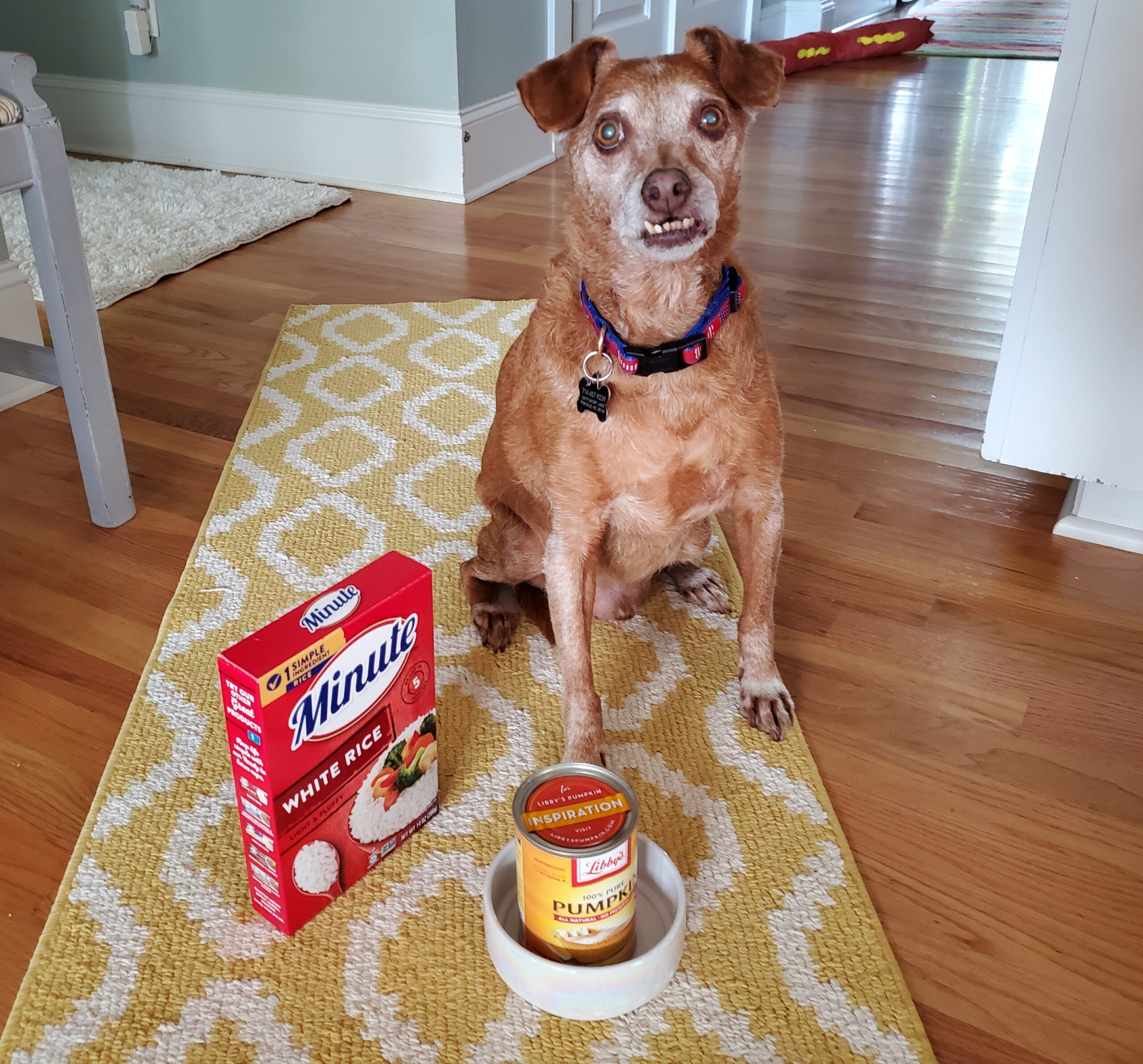
Image Source: cdn.whole-dog-journal.com
Why Diarrhea Happens in Dogs
Diarrhea is a common problem for dogs. It means your dog’s poop is too loose or watery. Many things can cause this upset. It could be a simple change in food. Maybe your dog ate something they shouldn’t have outside. Stress can also cause tummy troubles. Sometimes, illness or infection is the real cause. Knowing the cause helps decide the best path forward.
Common Triggers for Loose Stools
- Dietary indiscretion: Eating garbage or rich, fatty foods.
- Sudden food changes: Switching brands too fast.
- Stress or anxiety: Travel or new environments.
- Infections: Viruses, bacteria, or parasites.
- Underlying health issues: Inflammatory bowel disease or food allergies.
Initial Steps: Resting the Gut
When diarrhea first strikes, giving the digestive system a short break can be very helpful. This gives the inflamed gut time to calm down.
When to Fast A Dog With Diarrhea
Fasting is often recommended, but timing is key.
- For adult dogs (over 1 year): A short fast of 12 to 24 hours is usually safe. This helps clear the digestive tract.
- For puppies and small dogs: Fasting should be very short, perhaps only 6 to 12 hours. Puppies can get very sick quickly if they don’t eat. Always check with your vet before fasting a puppy.
- For large breeds: A 24-hour fast is generally the maximum recommended without vet guidance.
Important Note: Never fast a very young puppy, an elderly dog, or any dog with known chronic conditions like diabetes without direct vet approval.
Hydrating A Dog With Diarrhea
While resting the gut, keeping your dog hydrated is the most critical job. Diarrhea causes the body to lose lots of fluid and salts. Dehydration can happen fast.
- Ensure fresh, clean water is always available.
- If your dog refuses to drink, you can offer small amounts of low-sodium chicken or beef broth. This adds flavor and encourages drinking.
- If your dog is vomiting along with diarrhea, they need immediate veterinary care to get fluids under the skin (IV fluids).
Introducing Food: The Bland Diet for Dog Diarrhea
After the short rest period, it is time to reintroduce food slowly. The goal is to feed easy-to-digest items. This is where the bland diet for dog diarrhea comes into play. This diet puts minimal stress on the sick gut.
What Constitutes A Bland Diet?
A bland diet usually contains two main parts: a lean protein source and a simple carbohydrate source. These ingredients are easy for the gut to break down and absorb.
Lean Protein Sources
Choose proteins that are cooked plain, without any fat, oil, salt, or seasonings.
- Boiled, skinless, boneless chicken breast: This is a top choice. Boil it until it is very tender. Shred it finely.
- Low-fat cottage cheese: If your dog tolerates dairy well, this can work, but many dogs are slightly lactose intolerant when sick.
- Plain, boiled, lean ground beef (90% lean or higher): Drain off all the fat after cooking.
Simple Carbohydrate Sources
These provide energy without irritating the bowels. They also help absorb excess water, firming up the stool.
- Plain white rice: Cooked until very soft, almost mushy. White rice lacks the fiber of brown rice, which is better for a truly upset stomach.
- Plain cooked pasta: Similar to rice, use plain, boiled noodles.
- Canned plain pumpkin (not pie filling): This is excellent. It contains soluble fiber that helps regulate bowel movements, whether they are too loose or too hard.
Following the BRAT Diet for Dogs
You may have heard of the BRAT diet for dogs. This human remedy is often adapted for dogs. BRAT stands for Bananas, Rice, Applesauce, and Toast.
| Component | Dog Adaptation | Why It Helps |
|---|---|---|
| Bananas | Ripe, mashed bananas | Good source of potassium, which is lost during diarrhea. |
| Rice | Plain white rice | Easily digestible carbohydrate base. |
| Applesauce | Unsweetened applesauce | Contains pectin, which helps solidify stool. |
| Toast | Plain, white bread, lightly toasted | Simple filler; avoid butter or jam. |
While the BRAT diet is a good starting point, many vets prefer a protein/rice mix (like chicken and rice) as it offers better nutrition for a recovering dog.
The Feeding Schedule for Sick Dog Recovery
How often and how much you feed is as important as what to feed dog with loose stools. Rushing the feeding process can restart the diarrhea cycle.
Gradual Reintroduction
The key is small, frequent meals. This prevents overwhelming the tired digestive system.
- After the Fast (or 12-24 hours): Offer a very small amount—about one teaspoonful for a small dog, or one tablespoon for a large dog—of the bland mixture. Wait an hour.
- Monitor: If the dog keeps that down without vomiting, you can offer a little more after two to three hours.
- Day 1 of Reintroduction: Offer 4 to 6 very small meals throughout the day, using the bland diet. The total amount fed should be about half of what your dog normally eats in a day.
- Day 2: If stools are improving (firmer, less frequent), slowly increase the portion size slightly while keeping the frequency the same (4-5 meals).
- Day 3 and Beyond: If things look good, you can start mixing a tiny bit of their regular food into the bland diet. Increase the regular food ratio slowly over the next 3 to 5 days until they are back on their normal diet.
This careful feeding schedule for sick dog management prevents relapse. Never jump back to the regular food all at once.
Portion Sizes for Bland Diet Meals
Use these as general guidelines. Always adjust based on your dog’s reaction and size.
| Dog Weight (Approx.) | Initial Bland Meal Size (Teaspoons/Tablespoons) | Daily Meal Frequency |
|---|---|---|
| Toy Breeds (Under 10 lbs) | 1 to 2 teaspoons | 4 to 6 times a day |
| Small Dogs (10-25 lbs) | 1 to 2 tablespoons | 4 to 6 times a day |
| Medium Dogs (25-50 lbs) | 3 to 4 tablespoons | 4 to 5 times a day |
| Large Dogs (50+ lbs) | 1/4 cup to 1/2 cup | 3 to 4 times a day |
Alternatives and Supplements for Upset Stomachs
Sometimes, plain chicken and rice isn’t enough, or you need something softer. Many dog diarrhea home remedies focus on adding helpful binders or probiotics.
Probiotics: Restoring Gut Flora
Diarrhea flushes out the good bacteria along with the bad. Replacing these good bacteria is crucial for long-term gut health.
- Use a high-quality probiotic made specifically for dogs. Many veterinarians recommend products containing Enterococcus faecium or Lactobacillus acidophilus.
- Plain, unsweetened yogurt containing live and active cultures can be a gentle starter if your dog tolerates dairy. Start with just half a teaspoon mixed into a meal.
Prebiotics
Prebiotics are food for the good bacteria. Adding a small amount of plain canned pumpkin acts as a prebiotic fiber source. This helps the good bacteria multiply and thrive.
Slippery Elm Bark
Slippery elm is an herb often used for digestive soothing. It forms a slick coating when mixed with water, which can help protect the inflamed lining of the stomach and intestines. You can often find it in powder form at pet health stores. Mix the powder with water to make a thin paste before adding it to the food.
Digestive Enzymes
Some dogs benefit from digestive enzymes added to their food. These help break down fats, proteins, and carbs more easily, reducing the burden on the inflamed pancreas and gut. Consult your vet before starting any enzyme supplement.
Specialized and Prescription Diets
If the simple bland diet for dog diarrhea does not work after a few days, or if the diarrhea is chronic, you may need something more specialized.
Prescription Diet for Canine Diarrhea
Veterinary clinics stock specialized foods designed for acute gastrointestinal distress. These diets usually feature:
- Highly Digestible Ingredients: They use novel proteins or hydrolyzed proteins to prevent immune reactions.
- Controlled Fat Levels: Lower fat content is easier on the pancreas.
- Added Prebiotics and Fiber: Specific ratios to promote firm stools quickly.
Examples include Hill’s i/d, Royal Canin Gastrointestinal, or Purina EN. These prescription diet for canine diarrhea options are often the fastest way to resolve persistent issues.
Soft Food for Dog Diarrhea
When switching back to regular food, or if the dog is refusing solids, soft food for dog diarrhea can be helpful. This often means canned veterinary diets or homemade recipes that are finely blended. Making sure the food is easy to lick and swallow ensures nutrient intake during recovery.
When Bland Food Isn’t Enough: Recognizing Red Flags
While most cases of diarrhea resolve with home care and dietary changes, some situations demand immediate professional attention. A vet visit is mandatory if you notice any of the following signs.
Signs That Require Urgent Veterinary Care
- Lethargy and Weakness: Your dog is unusually tired or refuses to move.
- Vomiting: Repeated vomiting along with diarrhea suggests a much more serious issue, such as a blockage or severe infection.
- Blood in Stool: Bright red blood (fresh) or black, tarry stools (digested blood).
- Pain: The dog seems to be in abdominal pain or constantly strains to poop.
- Fever: An elevated body temperature.
- Duration: Diarrhea lasts longer than 48 hours without any improvement, even on a bland diet.
- Dehydration Signs: Sunken eyes, tacky gums, or skin that stays tented when gently pinched.
If your dog has chronic loose stools that come and go, a full medical workup is needed to rule out things like parasites, allergies, or serious organ dysfunction.
Fathoming the Role of Fat in Diarrhea
Fat is the hardest nutrient for a dog’s body to process when the gut is inflamed. High-fat meals trigger the release of digestive juices that can irritate the already sensitive intestinal lining. This often leads to more watery stools.
This is why when choosing what to feed dog with loose stools, you must prioritize very lean protein sources and avoid adding oils or fatty table scraps. Even healthy fats, like fish oil, should be stopped until the diarrhea has completely resolved for several days.
Transitioning Back to Regular Dog Food
The final phase is returning to the dog’s normal kibble or wet food. This must be done slowly to avoid irritating the newly healed gut lining.
Use this ratio system over four to five days:
| Day | Bland Diet % | Regular Food % |
|---|---|---|
| Day 1 | 75% | 25% |
| Day 2 | 50% | 50% |
| Day 3 | 25% | 75% |
| Day 4 | 0% | 100% |
If stools start to get loose again at any point, go back one step in the transition and stay there for another 24 hours before trying to advance again. Patience here prevents a relapse.
Frequently Asked Questions (FAQ)
Q: Can I give my dog Pepto-Bismol for diarrhea?
A: You should never give your dog Pepto-Bismol or any human medication without talking to your veterinarian first. Pepto-Bismol contains salicylates, which can be toxic to dogs, especially if given too often or in high doses. Some vets might recommend a specific, small dose of Imodium (loperamide), but this requires a diagnosis, as Imodium can be dangerous for certain breeds (like Collies) or if the diarrhea is caused by toxin ingestion. Always call your vet first.
Q: How long does it take for a bland diet to work?
A: For mild cases caused by dietary indiscretion, you should see improvement in stool consistency within 24 to 48 hours of starting the bland diet for dog diarrhea. If there is no improvement after 48 hours on the bland diet, you need to call your veterinarian.
Q: Should I continue feeding my dog probiotics after the diarrhea stops?
A: Yes, continuing a dog-specific probiotic for at least one to two weeks after the stool has normalized is highly recommended. This helps fully reestablish a healthy population of gut bacteria, making the dog more resilient against future tummy upsets.
Q: Is brown rice okay to feed a dog with diarrhea?
A: While brown rice is generally healthier than white rice due to its fiber content, it is often too harsh for a gut actively struggling with diarrhea. The high fiber in brown rice can sometimes worsen loose stools in the acute phase. Stick to white rice until the stool is firm. You can reintroduce brown rice slowly once your dog is fully recovered.
Q: Can my dog catch a cold that causes diarrhea?
A: Dogs do not generally catch the “common cold” like humans do. However, they can catch viruses (like Parvovirus, though less common in vaccinated adults) or bacterial infections that cause severe gastrointestinal upset, which often comes with other symptoms like vomiting or lethargy.
Q: What if my dog won’t eat the bland diet?
A: If your dog refuses the bland food for more than 24 hours (especially after the initial fast), offer something different that falls within the bland guidelines, such as plain scrambled egg whites instead of chicken. If refusal continues, dehydration is a risk, and you must contact your vet immediately. Sometimes, heating the food slightly makes it smell more appealing.
Q: Can I use sweet potatoes instead of white rice?
A: Yes, sweet potatoes are an excellent, highly digestible carbohydrate source and are often better tolerated than rice by some dogs. Like white rice, they must be cooked until very soft and served plain, without skin or seasoning. They offer more nutritional value than white rice.