
Whipworms themselves are very hard to see in dog poop because they are small and often hide in the large intestine, but sometimes you might see whipworm segments in stool or thin threads. If you see small, thread-like worms, they might be the adult thin white worms in dog feces, which are about 2 to 3 inches long but very thin, like a piece of thread.
Seeing anything unusual in your dog’s waste is always concerning. Many pet owners worry when they spot signs of parasites. Knowing what these common pests look like helps you act fast. This guide will help you spot the signs of whipworm infections by looking closely at your dog’s feces. We will look at what adult worms are, what their eggs look like, and other signs you might see.
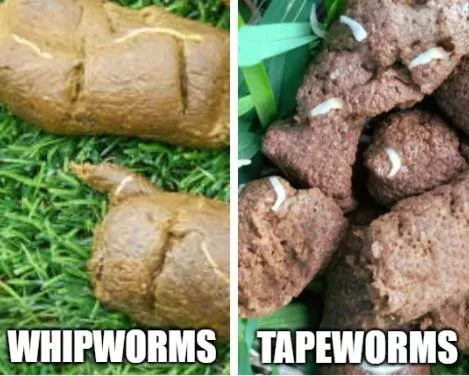
Image Source: s.puainta.com
Grasping the Appearance of Whipworms in Stool
Whipworms (scientific name Trichuris vulpis) are common intestinal parasites in dogs. They get their name from their shape—they look like a tiny whip. The front end is thin, and the back end is thicker.
Adult Whipworm Sightings
Adult whipworms live deep in the large intestine and the cecum of your dog. This location makes them tricky to spot. They do not usually pass through the digestive tract easily unless the dog has a very heavy infection or is actively purging them out.
- Size and Shape: Adult worms are thin. They look like short pieces of white thread. They are usually 2 to 3 inches long.
- Color: They are typically pale white or light tan.
- Movement: If you see a live one, it might wiggle slightly, but often they look still.
It is rare to see a full adult worm. Most often, owners notice secondary signs. If you do see these thin white worms in dog feces, it means the infection is significant.
Whipworm Segments in Stool: A Common Misidentification
Sometimes, what people think are whipworm segments in stool are actually pieces of tapeworm. Tapeworms often break apart into visible, mobile segments.
Whipworms do not typically shed segments like tapeworms do. If you see what looks like grains of rice moving in the poop, those are usually tapeworm segments, not whipworms. Whipworms shed eggs, not visible body parts.
However, if the intestinal lining is severely irritated due to the whipworms, you might notice mucus or blood mixed in the stool. This doesn’t look like the worm itself, but it is a direct result of the parasite’s presence.
Distinguishing Whipworm Signs from Other Parasites
Many things look like worms in poop. It is vital to know the difference between signs of whipworms and signs of other common dog poop parasites visible, like roundworms or tapeworms.
| Parasite | Appearance in Stool (If Visible) | Typical Size | Primary Location |
|---|---|---|---|
| Whipworm | Rare to see adults; thin, thread-like; may cause bloody mucus. | 2–3 inches long (very thin) | Large Intestine/Cecum |
| Roundworm | Long, spaghetti-like worms; often seen live. | Several inches long | Small Intestine |
| Tapeworm | Rice-like segments in dog poop; segments may move. | Segments are tiny, like sesame seeds | Small Intestine |
| Hookworm | Too small to see; causes dark, tarry stool. | Tiny | Small Intestine |
If you see rice-like segments in dog poop, you are likely dealing with tapeworms, not whipworms. Tapeworms shed segments filled with eggs.
What About “Coffee Grounds”?
Some dog owners report seeing debris that looks like coffee grounds in dog poop. This appearance is rarely the worm itself. This dark, granular material is usually digested blood or hookworm debris. Hookworms chew into the intestinal lining and feed on blood. When this blood passes through the gut, it turns dark, resembling coffee grounds. This is a serious sign, often indicating heavy bleeding higher up in the digestive tract.
Fathoming Whipworm Eggs in Stool Appearance
Since seeing adult whipworms is uncommon, veterinarians rely on testing for eggs. You cannot see the eggs with your naked eye.
Whipworm Eggs Under the Microscope
Whipworm eggs have a very distinct look under a microscope. This is how vets confirm an infection.
- Shape: They are oval or lemon-shaped.
- Color: They are usually yellowish-brown.
- Lids (Operculum): A key feature is the plug or “lid” at each end. These plugs give the egg a slightly asymmetrical look.
If your dog has whipworms, these eggs are what cause the infection to spread. The eggs are hardy and can survive in the environment for a long time. If the lab report shows positive findings for whipworm eggs in stool appearance, treatment is necessary.
The Shedding Cycle and Detection
Whipworms have a complex life cycle. They spend most of their time attached to the intestinal lining. They only release eggs intermittently. This means a single stool sample might not catch the eggs, even if the dog is infected. This intermittent process is called whipworm shedding in feces.
Because of this irregular shedding, vets often recommend three fecal tests done a few weeks apart to be sure if the eggs are not showing up initially.
Canine Whipworm Symptoms in Stool and Behavior
While we focus on what the poop looks like, the symptoms associated with the infection often show up in the feces first. The presence of inflammation or irritation is a strong indicator of canine whipworm symptoms in stool.
Changes in Stool Consistency
Whipworms irritate the large intestine. This irritation leads to inflammation, which changes how the poop looks and feels.
- Mucus: You might notice slick, slimy material coating the feces. This is mucus produced by the irritated gut lining.
- Diarrhea: Whipworms are a common cause of chronic, intermittent dog diarrhea with worms signs. This diarrhea is often soft, watery, or pudding-like. It may come and go.
- Blood: Frank, bright red blood may be present on the surface of the stool or smeared on the outside. This shows active inflammation in the lower bowel.
Fecal Appearance Summary
If you see any of these combinations, suspect a whipworm issue:
- Soft stool with lots of mucus.
- Stool containing streaks of fresh blood.
- The overall appearance of the stool is pale or unusually soft, even if no worms are visible.
It is important to note that many dogs with light infections show no visible symptoms at all, meaning you cannot rely solely on visual checks of the stool.
Why Are Whipworms So Hard to See?
It takes specific conditions for you to see any sign of a whipworm. This difficulty in visual confirmation is why fecal testing is the gold standard for identifying dog intestinal worms.
Location, Location, Location
Whipworms prefer to burrow their thin heads into the lining of the cecum and large colon. This area is the very end of the digestive tract. By the time feces reach the outside, the worms are rarely dislodged unless they are ready to pass or the gut is in severe distress.
Life Cycle Stage
The adult stage is necessary for egg production. If the infection is new, the worms might not yet be mature enough to release eggs or be expelled. They are spending their time developing inside the dog.
Size Matters
Even the adult worm is very slender. Imagine a piece of sewing thread that is a few inches long. It is easy to miss among normal feces, especially in dogs with dark stools or on grass.
Steps to Take If You Spot Something Suspicious
If you see thin white worms in dog feces or notice chronic changes in stool quality, you must take action quickly. Early diagnosis leads to better outcomes.
Step 1: Collect a Sample
If you see anything strange, try to collect a small, fresh sample of the feces. If you see a worm, place it in a sealed plastic bag or container. If it is just abnormal stool, scoop a small amount. You do not need the entire sample, just enough for a vet to analyze. Keep it cool, but avoid freezing it if possible.
Step 2: Contact Your Veterinarian
Call your vet immediately. Tell them exactly what you observed. Mention if you saw any whipworm segments in stool or if the stool contained blood or mucus. Do not wait for symptoms to worsen.
Step 3: Diagnostic Testing
Your vet will likely perform a fecal flotation test. This test mixes the sample with a special solution that causes the eggs to float to the top, allowing them to be viewed under a microscope.
If the initial test is negative but symptoms continue, the vet might suggest retesting or starting a broad-spectrum dewormer known to target whipworms, followed by another test in two weeks to catch any whipworm shedding in feces that was missed.
Prevention: The Best Defense Against Whipworms
Since spotting whipworms is difficult, prevention is crucial. Regular, targeted deworming is the only way to protect your dog effectively.
Year-Round Protection
Whipworms are widespread and eggs can persist in the environment for years. Therefore, year-round parasite control is highly recommended for all dogs, even those who rarely go outside.
- Monthly Preventatives: Many heartworm preventatives also contain ingredients effective against intestinal worms, including whipworms. Check the label to ensure it lists protection against Trichuris vulpis.
- Fecal Checks: Regular fecal exams (usually every 6 to 12 months) are important, even for dogs on preventatives, to monitor for resistance or breakthrough infections.
Environmental Control
Whipworms are transmitted when a dog ingests infective eggs from contaminated soil, bedding, or even licking contaminated paws.
- Yard Cleanup: Promptly clean up all dog waste from your yard. This reduces the chance of eggs building up in the soil.
- Hygiene: Wash your hands thoroughly after handling waste or treating your dog.
Treatment Protocols for Confirmed Infections
If your vet confirms whipworms, treatment involves specific medications. Traditional dewormers are often not fully effective against this hardy parasite.
Effective Medications
The most common drugs used to eliminate whipworms are fenbendazole (Panacur) and milbemycin oxime (Interceptor).
- Fenbendazole: This drug often requires a short course of treatment, sometimes given daily for three to five days, to ensure all worms are killed as they mature and shed eggs.
- Milbemycin Oxime: This is often used as a monthly preventative, but higher, targeted doses may be used to treat an active infection.
Your veterinarian will tailor the dose and duration based on the severity of the infection and your dog’s overall health. Retesting after treatment is essential to confirm the successful removal of all dog poop parasites visible or microscopic.
Frequently Asked Questions (FAQ)
Can humans get whipworms from their dogs?
No, the dog whipworm (Trichuris vulpis) does not typically infect people. Humans can get their own species of whipworm (Trichuris trichiura), which is transmitted through different routes, usually contaminated food or water, not directly from petting your dog.
Why do I only see signs of dog diarrhea with worms sometimes?
Whipworms have an erratic egg-laying cycle. They may not release eggs daily. This means your dog may have good days (no visible signs) and bad days (diarrhea, mucus, or visible irritation) depending on when the worms are most active in passing debris or irritating the gut lining.
Is it possible to see whipworm eggs in dog poop without a microscope?
No. Whipworm eggs are microscopic. If you see anything in the stool that looks like small seeds or grains of rice, those are almost certainly tapeworm segments, not whipworm eggs.
How long do whipworms live inside a dog?
If left untreated, whipworms can live inside a dog for several months to potentially a year or more. Because they are so long-lived and tough, repeated treatments are often necessary to clear the infection completely.
What if my dog’s stool looks like they have hookworms (looks like coffee grounds in dog poop)?
If you see material that looks like coffee grounds in dog poop, this suggests digested blood, which is often associated with hookworms or severe ulceration higher up. This requires urgent veterinary attention, as it indicates internal bleeding.
What if I think I saw whipworm segments in stool, but they were moving?
If you see something moving, it is likely a live adult worm (if long and thin) or a tapeworm segment (if rice-like and segmenting). Adult whipworms are thin, but tapeworm segments are more commonly seen breaking apart in the stool. Either way, collect a sample and see your vet.