
Healthy dog teeth look clean, white or slightly off-white, and are firmly set in pink, non-swollen gums. If you are asking what normal dog teeth color is, the answer is typically white to slightly yellow, depending on the dog’s age and breed.
Keeping your dog’s mouth healthy is a big part of being a good pet owner. Good dental health means more than just avoiding bad breath. It helps keep your dog feeling good and can prevent other health problems. This guide will help you see what a healthy mouth looks like in your furry friend. We will look closely at teeth, gums, and how to keep everything in top shape through good canine dental care.
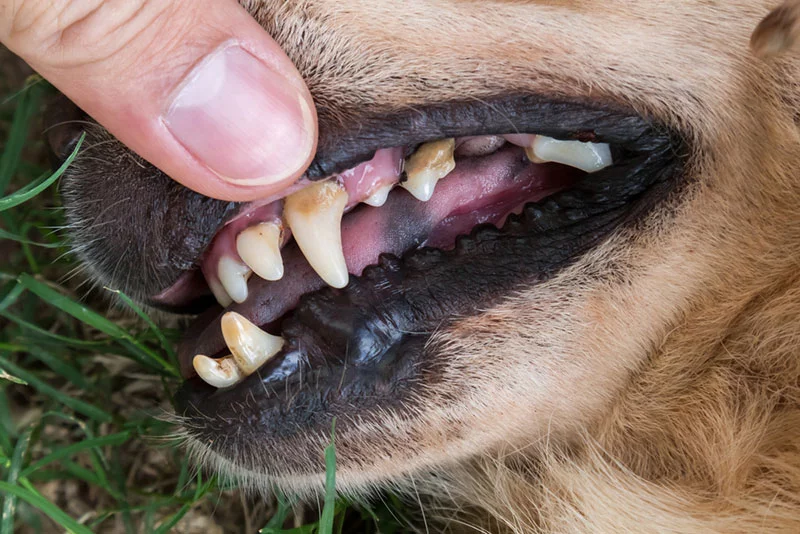
Image Source: shallowfordvet.com
Looking Closely at Healthy Dog Teeth
A dog’s mouth is complex. It has different kinds of teeth for different jobs. Just like people, dogs have baby teeth and then adult teeth. Adult dogs usually have 42 teeth. Knowing what these teeth should look like is key to spotting problems early.
Deciphering Normal Dog Teeth Color
What is the normal dog teeth color? Healthy adult teeth are usually white. Some dogs, especially older ones, might have a slight yellowish tint. This can happen naturally over time. However, the color should be fairly uniform.
| Tooth Color | What it Might Mean | Action Needed |
|---|---|---|
| Bright White | Excellent health | Keep up current care |
| Slight Yellowing | Normal aging or light staining | Monitor; consider dog teeth cleaning |
| Dark Yellow/Brown | Dog plaque buildup or tartar | See the vet soon |
| Gray or Pink Tint | Possible injury or decay | Vet visit needed now |
If the teeth look dull, murky, or have very dark patches, that is a sign something is wrong. We need to look past just the color. The surface texture matters too.
Assessing Tooth Surface and Structure
A healthy tooth feels smooth to the touch (if you could safely touch it!). The surface should not be rough or pitted. The dog tooth structure is designed to be strong. It needs to handle chewing tough toys and kibble.
Healthy teeth are:
- Strong and solid.
- Set straight in the jaw.
- Free from chips or cracks.
If you see tiny cracks or chips, especially on the large back teeth used for grinding, call your vet. Even small breaks can let germs inside the tooth. This can lead to pain or infection later.
Inspecting Healthy Dog Gums
The gums are just as important as the teeth themselves. They hold the teeth in place. If the gums are not healthy, the teeth will loosen over time. Healthy dog gums tell a great story about your dog’s overall health.
The Look of Pink and Firm Gums
Healthy dog gums should be firm, not squishy. They should look pink. This pink color means there is good blood flow. It shows your dog is getting enough oxygen throughout their body.
To check the gums, gently lift your dog’s lip. Look at the color near the tooth line.
- Healthy: Light pink color.
- Unhealthy (Inflammation): Bright red or swollen. This is gingivitis. It means gums are irritated.
- Unhealthy (Anemia/Poor Circulation): Very pale pink or white gums. This needs immediate vet attention.
A good way to check gum health quickly is the “Capillary Refill Time” (CRT). Press your finger gently on the gum until it turns white. When you lift your finger, the color should return to pink in about two seconds or less. This shows blood is moving well.
Checking the Gum Line
The area where the tooth meets the gum is crucial. In a healthy mouth, this line should be neat and tight. The gum tissue hugs the tooth.
When dog plaque buildup starts, it pushes the gum away from the tooth. This creates a little pocket. Bacteria love these dark, moist pockets. This is the start of periodontal disease. In a healthy mouth, you should not see any dark lines or gaps between the tooth and gum.
Signs of Healthy Dog Teeth
How can you tell for sure that your dog has a good mouth? Look for these key signs of healthy dog teeth:
- Fresh Breath (Relatively): While no dog has minty breath, it should not smell overwhelmingly foul. Strong, rotten smells are a major red flag.
- Easy Eating: Your dog eats their food, kibble, or chews toys without hesitation. If they drop food or chew only on one side, they might have pain.
- No Excessive Drooling: Drooling is normal for some breeds. But sudden, excessive drooling often means there is pain or something stuck in the mouth.
- Clean Tooth Surfaces: Minimal visible brown or yellow buildup.
- Pink Gums: Firm gums without swelling or bleeding when eating or chewing.
These simple checks help you monitor your dog daily between vet visits.
What Causes Bad Mouth Smells?
One of the first things owners notice is a change in smell. Dog bad breath causes are almost always dental. It is rarely just a simple food issue.
Decoding Dog Bad Breath Causes
The bad smell (halitosis) happens when bacteria break down food particles trapped on the teeth and gums. This creates smelly waste products.
The progression often looks like this:
- Food Debris: Bits of food get stuck between teeth.
- Plaque Forms: Bacteria mix with saliva and food to form sticky, colorless dog plaque buildup. This happens within hours of eating.
- Tartar Hardens: If the plaque isn’t brushed off, minerals in the saliva harden it into rough, brown tartar.
- Infection Sets In: This tartar irritates the gums, leading to inflammation, pockets, and eventually, infection and bone loss. The odor gets much worse at this stage.
If the bad breath is sudden and very strong, it might also signal a severe infection or even a kidney issue, though dental disease is the most common culprit.
The Danger of Plaque and Tartar
Plaque is soft. Tartar is hard. Both are enemies of a healthy mouth.
Dealing with Dog Plaque Buildup
Dog plaque buildup starts right away. It covers the tooth surface, especially near the gum line. This is where daily brushing is essential. Plaque harbors millions of bacteria.
If you see a hazy, yellowish-brown film on the teeth, that is plaque. It is still soft enough to be removed with a toothbrush.
The Need for Dog Tartar Removal
Once plaque mineralizes, it becomes tartar (calculus). Tartar is rough. Dogs cannot easily remove it by chewing bones or drinking water.
Tartar provides a perfect rough surface for even more plaque to stick to. It also irritates the gums deeply. This is the primary driver of painful periodontal disease.
Dog tartar removal is not a home job. Once tartar has formed below the gum line, it needs professional tools. This requires anesthesia at the vet clinic. At-home remedies often fail to remove hardened tartar safely.
The Role of Professional Veterinary Dental Care
Home care is vital, but it cannot replace professional care. Every dog needs a veterinary dental checkup regularly.
Why a Veterinary Dental Checkup is Essential
The vet checks for things you cannot see. They look under the gum line. They check for loose, broken, or abscessed teeth. They assess the overall bone health supporting the teeth.
During a veterinary dental checkup, the vet will:
- Examine the outside and inside of every tooth.
- Probe the gum pockets around each tooth.
- Check the tongue, throat, and roof of the mouth for growths or sores.
- Recommend when a professional cleaning is needed.
Most experts recommend a veterinary dental checkup at least once a year, often during the annual wellness exam. Older dogs or those prone to dental issues may need checkups twice a year.
Professional Cleaning: Scaling and Polishing
If the vet finds significant tartar buildup, they will recommend a professional cleaning. This procedure is called scaling and polishing. It must be done under general anesthesia for several crucial reasons:
- Thorough Cleaning: The hygienist must clean below the gum line where the worst damage occurs. This requires probing instruments.
- X-rays: Dental X-rays are vital. They show bone loss and the roots of the teeth. You cannot see this from the outside.
- Safety: It prevents your dog from moving during sharp scaling. It also allows the vet to manage any necessary extractions safely.
This deep cleaning is the best way to reverse early gingivitis and prevent severe bone loss, which leads to tooth loss.
Maintaining Health: Home Dental Hygiene
Professional care keeps things clean, but daily care keeps them healthy between visits. Good dog teeth cleaning at home is the best defense against dental disease.
The Importance of Daily Brushing
Brushing is the gold standard for home dental care. Yes, it takes effort, but it directly removes plaque before it hardens into tartar.
Steps for Brushing Your Dog’s Teeth:
- Get the Right Tools: Use a soft-bristled brush designed for dogs, or a finger brush.
- Use Pet Toothpaste: Never use human toothpaste. It contains ingredients like fluoride or xylitol that are toxic to dogs if swallowed. Dog toothpaste comes in appealing flavors like poultry or beef.
- Start Slow: Let your dog lick the toothpaste off the brush first. Make it a positive experience with lots of praise.
- Focus on the Outside: Brush the outer surfaces of the upper teeth first, as these collect the most plaque. Use gentle, circular motions, focusing right where the tooth meets the gum.
- Aim for Daily: Even a quick 30-second brush daily is better than nothing.
Dental Diets and Chews
While brushing is best, other tools can help reduce plaque and tartar. These are supplementary, not replacements, for brushing.
Dental Diets: Some prescription or specialized over-the-counter kibbles are designed differently. They are larger, softer, or have a unique texture that scrapes the tooth surface as the dog chews. Ask your vet which diets are VOHC (Veterinary Oral Health Council) approved for effectiveness.
Dental Chews and Toys: Certain chews have textures that help physically scrub the tooth surface. Again, check for the VOHC seal. Be cautious with very hard chews (like antlers or hard nylon bones), as these can fracture healthy teeth.
Recognizing Signs of Dental Pain
Dogs are masters at hiding pain. They often do not cry out when their mouths hurt. You have to look for subtle clues that something is wrong. Painful teeth affect eating, playing, and mood.
Behavioral Changes Linked to Mouth Pain
Look out for these changes that might signal dental trouble:
- Reluctance to Chew Hard Items: Suddenly avoiding favorite toys or hard biscuits.
- Dropping Food: Picking up food and then dropping it before swallowing.
- Pawing at the Face: Rubbing their muzzle with a paw.
- Irritability: Snapping or growling when you approach their face.
- Drooling More Than Usual: Especially if the drool looks stringy or has flecks of blood.
If you see these signs, schedule a veterinary dental checkup right away. Untreated dental pain can make your dog grumpy and miserable.
Deep Dive into Dog Tooth Structure
To fully appreciate the need for good care, let’s look briefly at the dog tooth structure. A tooth is more than just the white crown you see above the gum line.
Parts of a Dog Tooth
Each tooth is made of several layers:
- Enamel: The hard, white outer layer. This is the toughest substance in the body. It protects the rest of the tooth.
- Dentin: Lies beneath the enamel. It is softer and makes up the bulk of the tooth.
- Pulp: The innermost chamber. It contains nerves, blood vessels, and connective tissue. If plaque gets past the enamel and dentin, it reaches the pulp, causing intense pain and infection (abscess).
- Cementum: A layer covering the root, which anchors the tooth into the jawbone.
The roots are very long—often longer than the visible crown! This is why infections can be severe. Bacteria starting on the surface can travel down the root and infect the jawbone, which is hidden from view.
Types of Dog Teeth
Dogs have four main types of teeth, each with a specific job:
- Incisors: The small front teeth. Used for nibbling, grooming, and grasping small bits of food.
- Canines: The long, pointed “fangs.” These are for gripping, holding prey, and defense. They are usually the largest teeth.
- Premolars: Located behind the canines. They are used for shearing and tearing food.
- Molars: The large teeth in the back. They are used for grinding and crushing kibble.
When checking for signs of healthy dog teeth, make sure all these types look correct and function well.
Preventing Future Dental Issues
Prevention is always easier, cheaper, and less stressful than treatment. Good canine dental care is a lifetime commitment.
Creating a Dental Home Care Routine
Make dental hygiene a non-negotiable part of your dog’s routine, just like walks and feeding.
| Care Method | Frequency | Benefit |
|---|---|---|
| Tooth Brushing | Daily (ideally) | Removes soft plaque before it hardens |
| Dental Water Additives | Daily (in drinking water) | Helps reduce bacteria in the mouth |
| Approved Dental Chews | Daily or several times a week | Mechanical abrasion to clean surfaces |
| Professional Exam | Annually (or twice yearly) | Catches hidden tartar and disease early |
If your dog truly hates brushing, try starting with just rubbing their gums with a piece of gauze. Then, introduce the pet-safe toothpaste flavor. Patience is key. Never force the brush.
Diet Choices and Dental Health
While specialized diets help, be mindful of overly sticky foods. Foods that leave a lot of residue clinging to the teeth increase the risk of dog plaque buildup. A balanced diet of high-quality kibble or vet-recommended food supports overall health, including gum health. Remember, even the best diet cannot stop plaque from forming entirely; mechanical removal (brushing) is essential.
When to Seek Immediate Veterinary Help
While routine checkups catch most issues, some situations need urgent attention. Do not wait for the next scheduled appointment if you see these signs:
- Severe Bleeding: Gums are bleeding heavily and won’t stop.
- Loose or Missing Teeth: A tooth is visibly hanging out or gone when it should be present.
- Facial Swelling: One side of the face looks puffy or swollen. This suggests a severe abscess.
- Refusal to Eat: The dog stops eating solid food completely due to pain.
- Drooling Blood: Consistent, fresh blood in the saliva.
These scenarios strongly suggest advanced disease or trauma requiring immediate dog tartar removal or extraction under emergency conditions.
Frequently Asked Questions (FAQ)
How often should my dog have professional teeth cleaning?
Most dogs benefit from a professional cleaning and veterinary dental checkup once a year. Dogs prone to rapid tartar development, small breeds, or senior dogs may need cleanings every six months. Always follow your veterinarian’s specific recommendation based on your dog’s mouth condition.
Can I remove tartar at home safely?
No. You can remove soft plaque at home with brushing. Hardened tartar (calculus) must be removed using specialized scaling tools, usually under anesthesia. Attempting to scrape hard tartar at home can damage the tooth enamel or cause severe pain and injury to your dog.
Why do small dogs get worse teeth problems?
Small breeds often have crowded teeth within a smaller jaw structure. This crowding makes it easier for plaque to accumulate and harder for the teeth to self-clean through chewing. Because of this crowding, small dogs frequently need more frequent dog teeth cleaning procedures.
What is the difference between gingivitis and periodontitis?
Gingivitis is the earliest stage of gum disease. It involves red, swollen gums that bleed easily. This is reversible with good home care and professional cleaning. Periodontitis is the advanced stage where the inflammation has started to destroy the tissues and bone supporting the tooth. This damage is often permanent and requires more intensive treatment, sometimes involving dog tartar removal below the gum line or tooth extraction.
How can I improve my dog’s bad breath without brushing?
While brushing is best for stopping dog bad breath causes, you can use approved dental water additives or VOHC-approved dental chews. These products help reduce the bacterial load in the mouth between brushings. However, they will not solve issues caused by large amounts of hardened tartar. A vet visit is necessary if the smell is foul.