
A dog cough happens for many reasons. It can range from a minor irritation to a serious health problem. If your dog is coughing, it usually means something is bothering their throat or lungs.
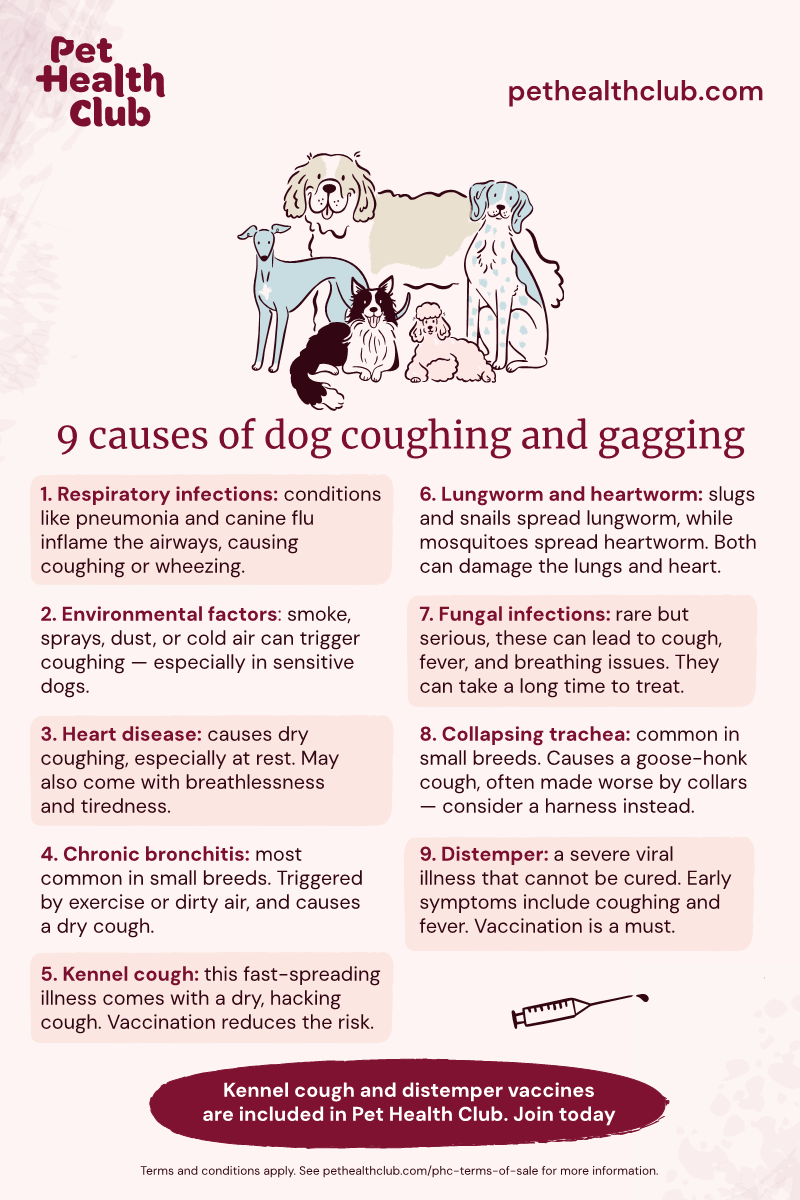
Image Source: images.ctfassets.net
Deciphering Dog Coughs: Common Causes and Triggers
A cough is the body’s way to clear the airways. Think of it as a reflex. When irritants or fluid get into the throat or windpipe, the dog coughs to push them out. But what exactly triggers this action?
Infectious Causes: When Germs Take Hold
One major group of causes involves infections. These germs attack the dog respiratory infection system.
Kennel Cough: A Highly Contagious Culprit
Kennel cough symptoms are very common, especially in dogs that spend time around other dogs, like boarding facilities or dog parks. The medical name is infectious tracheobronchitis.
- What causes it? Often, it’s a mix of viruses (like Parainfluenza) and bacteria (like Bordetella bronchiseptica).
- The Sound: The cough is usually dry, harsh, and sounds like a goose honk. It can be violent.
- Triggers: Excitement, pulling on a leash, or even just taking a deep breath can set off this distinct hack.
Other Infections
Pneumonia is another serious infectious cause. This involves infection deep in the lung tissue, making the cough sound wetter. Fungal infections can also cause coughing, though this is less common.
Environmental and Physical Irritants
Sometimes, the cause isn’t a germ but something the dog breathes in or swallows. This leads to dog throat irritation symptoms.
- Dust and Smoke: Just like people, dogs can react to strong dust, smoke from fires, or heavy pollution.
- Allergens: Pollen or mold spores can inflame the airways, leading to coughing fits.
- Foreign Bodies: A piece of grass, a small toy part, or even a treat stuck in the throat can cause sudden, severe coughing as the dog tries to dislodge it.
Chronic Issues: Long-Term Coughing
When a cough lasts for weeks or months, we look for causes of chronic dog cough. These are often long-term diseases.
Canine Bronchitis Causes
Canine bronchitis causes inflammation and swelling in the bronchial tubes—the air passages leading to the lungs.
- Mechanism: The tubes become narrow and produce extra mucus. This constant irritation leads to a persistent, often dry, hacking cough.
- Risk Factors: Smaller breeds, older dogs, and overweight dogs seem more prone to developing chronic bronchitis.
Heart Disease: The Surprising Link
Heart problems are a major cause of chronic coughing, especially in older dogs.
- Congestive Heart Failure (CHF): When the heart cannot pump blood efficiently, fluid can back up into the lungs (pulmonary edema).
- The Sound: This fluid often causes a wet dog cough causes sound, sometimes described as gurgling or bubbly. The cough is often worse when the dog is resting or sleeping because fluid pools easily when they are lying flat.
Airway Collapse
This condition primarily affects small and toy breeds like Yorkshire Terriers or Poodles.
- Tracheal Collapse: The cartilage rings that keep the windpipe (trachea) open become weak and flatten.
- The Cough: This results in a characteristic harsh, dry cough, similar to kennel cough, often triggered by excitement or pulling on the collar.
Gastrointestinal Issues
Believe it or not, tummy problems can lead to throat irritation and coughing.
- Acid Reflux (GERD): Stomach acid flowing back up into the esophagus can irritate the throat. This irritation might trigger a cough, especially after eating.
Identifying the Cough: What Does It Sound Like?
If you are asking, “why is my dog hacking,” observing the sound and timing of the cough is crucial for the vet. Not all coughs are the same.
The Dry Hack vs. The Wet Sound
| Cough Type | Description | Common Causes |
|---|---|---|
| Dry/Hacking | Sounds harsh, like something stuck, often ends with retching. | Kennel Cough, Tracheal Collapse, Early Bronchitis, Foreign Body. |
| Wet/Moist | Sounds bubbly, gurgly, like fluid is moving in the chest. | Pneumonia, Pulmonary Edema (Heart Failure). |
| Reverse Sneeze | A rapid, loud snorting sound. Often mistaken for a severe choking fit. | Nasal/Throat Irritation, Elongated Soft Palate. |
Distinguishing Coughing from Reverse Sneezing
Many owners confuse a severe cough with a dog reverse sneezing vs coughing.
- Coughing: A forceful expulsion of air from the lungs, usually preceded by a deep inhale.
- Reverse Sneezing: This is actually a rapid, noisy inhalation through the nose, often sounding like a snort or gasp. It happens when the throat spasms due to irritation (like tickling). While unsettling, reverse sneezing is usually harmless and stops quickly.
When Does the Cough Happen?
Timing offers big clues:
- After Exercise or Excitement: Points toward heart issues, tracheal collapse, or kennel cough.
- At Rest or Lying Down: Strongly suggests fluid in the lungs due to heart disease.
- After Drinking or Eating: Might indicate aspiration, reflux, or a problem with swallowing mechanics.
- All Day, Every Day: Usually points to chronic bronchitis or an ongoing environmental irritant.
Alarming Signs: When Coughing Requires Immediate Care
While some coughs clear up on their own, certain symptoms signal a true emergency. Knowing these signs can save your dog’s life.
Red Flags in the Cough Itself
- Dog Coughing Up Foam: This is a serious warning sign. White or clear foamy discharge often indicates fluid accumulation in the lungs, which is a classic sign of acute heart failure (pulmonary edema). Seek emergency veterinary care immediately.
- Coughing Up Blood (Hemoptysis): This is never normal. It can result from severe lung inflammation, heartworm disease, trauma, or cancer.
- Blue Gums (Cyanosis): If your dog’s gums look pale blue or purple, they are not getting enough oxygen. This is a critical emergency.
Accompanying Symptoms
A cough paired with these signs needs urgent attention:
- Lethargy: Extreme tiredness or refusal to move.
- Difficulty Breathing (Dyspnea): Heavy, open-mouth breathing when resting, or labored breathing where the stomach muscles are working hard to push air out.
- Fever or Loss of Appetite: Suggests a significant systemic infection like pneumonia.
Diagnostic Steps: Finding the Root Cause
If your dog has been coughing for more than a week, a vet visit is essential. Diagnosis often requires several tests to figure out the exact source of the irritation.
Initial Veterinary Exam
The vet will listen closely to your dog’s heart and lungs with a stethoscope. They will ask detailed questions about the cough’s sound, frequency, and when it started. They will also check for signs of dog throat irritation symptoms, like redness or swelling in the throat area.
Advanced Testing
Depending on the initial findings, the vet may recommend:
- Chest X-rays (Radiographs): These images are vital. They show the size and shape of the heart and lungs. They can confirm fluid in the lungs (heart failure), check for changes in the airways (bronchitis or collapse), or spot tumors.
- Blood Tests: These check for infection, inflammation markers, or organ function, especially kidney and liver values, which can be relevant before starting certain medications.
- Heartworm Test: This test is standard for any persistent cough, as heartworms live in the pulmonary arteries and cause chronic inflammation and coughing.
- Bronchoscopy: In complex cases, a tiny camera is inserted down the windpipe to look directly at the airways, potentially take samples, or remove a foreign object.
Treatment Approaches Based on Diagnosis
Treatment focuses entirely on the cause. There is no single cure-all for every cough.
Treating Infections
If a dog respiratory infection is diagnosed:
- Bacterial Infections (like Bordetella): Treated with antibiotics. Cough suppressants might be used temporarily to allow the dog to rest.
- Pneumonia: Requires aggressive antibiotic therapy, often hospitalization for oxygen support and nebulization.
Managing Chronic Conditions
Causes of chronic dog cough require long-term management, not quick fixes.
- For Heart Disease: Treatment involves medications to help the heart pump better (like ACE inhibitors or diuretics) and diuretics to pull fluid out of the lungs.
- For Tracheal Collapse: Management often includes weight loss, avoiding neck collars in favor of a harness, and using cough suppressants. Sometimes surgery is needed to place stabilizing rings around the trachea.
- For Bronchitis: Medications like steroids or bronchodilators (which open the airways) are used. Sometimes, prescription diets can help manage inflammation.
Symptom Relief: When to Use Cough Medicine
If the cough is dry and non-productive (meaning no mucus is coming up), relieving the irritation can help the dog rest.
Considering the Best Dog Cough Medicine
Over-the-counter (OTC) human cough medicines are generally not safe for dogs. They often contain ingredients like acetaminophen or high amounts of decongestants that are toxic to canines.
Your veterinarian may prescribe specific veterinary cough suppressants, such as:
- Butorphanol or Hydrocodone: These are stronger narcotics used judiciously to break the coughing cycle, especially when the cough is severe and preventing sleep.
- Dextromethorphan (DM): This is the active ingredient in some human cough syrups, but it must be given at a precise, vet-approved dosage, as overdose is dangerous.
Crucial Note: Never give your dog any human cough medicine without explicit instructions from your vet.
Addressing Dog Coughing Up Foam
If your dog is coughing up foam, treatment is urgent and hospital-based. The immediate goal is to use diuretics (like Furosemide) to rapidly remove excess fluid from the lungs caused by heart failure. Oxygen therapy is often required until the fluid level decreases.
Prevention Strategies for Coughing Dogs
While you cannot prevent every illness, you can reduce the risk factors associated with common causes.
Vaccination and Hygiene
Protecting against airborne germs is key.
- Bordetella Vaccine: Ensure your dog stays current on vaccinations for kennel cough, especially if they frequently visit groomers, daycares, or parks.
- Clean Environment: Keep your home environment free of heavy dust, strong chemical cleaners, or excessive smoke.
Leash Management
For breeds prone to tracheal issues:
- Use a Harness: Switch from a neck collar to a chest harness. A harness distributes pressure across the chest, avoiding pressure on the sensitive trachea, which can trigger a cough in dogs with tracheal collapse or bronchitis.
Weight Control and Diet
Maintaining a lean body condition reduces strain on the heart and lessens overall inflammation. Excess weight makes breathing harder, even in healthy lungs.
Summary of Key Takeaways
A cough is a symptom, not a disease. Finding out why your dog is coughing is the path to relief.
- Dry coughs often suggest irritation or airway narrowing (kennel cough, collapse).
- Wet coughs often signal fluid in the lungs (heart issues, severe pneumonia).
- Foamy discharge requires emergency care.
- Always consult your vet before using any OTC human medication.
Frequently Asked Questions (FAQ)
Can kennel cough symptoms last for weeks?
Yes, even after the initial infection clears, a mild, dry cough from kennel cough symptoms can linger for several weeks due to residual inflammation in the airways. This lingering cough is called a post-infectious cough.
Is a dog coughing up foam always heart failure?
While dog coughing up foam is highly suggestive of fluid in the lungs (pulmonary edema), which is often due to heart failure, it can sometimes be seen in severe, acute pneumonia or lung injury. In either case, it is a life-threatening situation demanding immediate veterinary stabilization.
If my dog has chronic coughing, do I need the best dog cough medicine available?
The “best” medicine depends entirely on the cause of the causes of chronic dog cough. For heart-related coughs, diuretics are most important. For inflammation, steroids might be used. Your vet will tailor the medication plan specifically to your dog’s needs, rather than using a general, powerful suppressant.
How can I tell the difference between dog throat irritation symptoms and a real chest cough?
Irritation symptoms, like frequent throat clearing or light hacking, usually happen when the dog first wakes up or after drinking. A true chest cough is deeper, louder, and comes from the lungs, often sounding like the dog is trying to bring something up from deep inside.