
A dog can lose hair due to many reasons, including allergies, infections, parasites, hormonal issues, stress, and poor nutrition. Recognizing the right cause is key to finding the best fix for your furry friend’s coat.
Losing hair, medically known as alopecia, is one of the most common concerns dog owners bring to the vet. A few lost hairs during a good brushing session are normal. However, when shedding becomes heavy, patchy, or causes bald spots, it signals an underlying problem. This long guide explores the top dog hair loss causes and outlines effective solutions for each one.
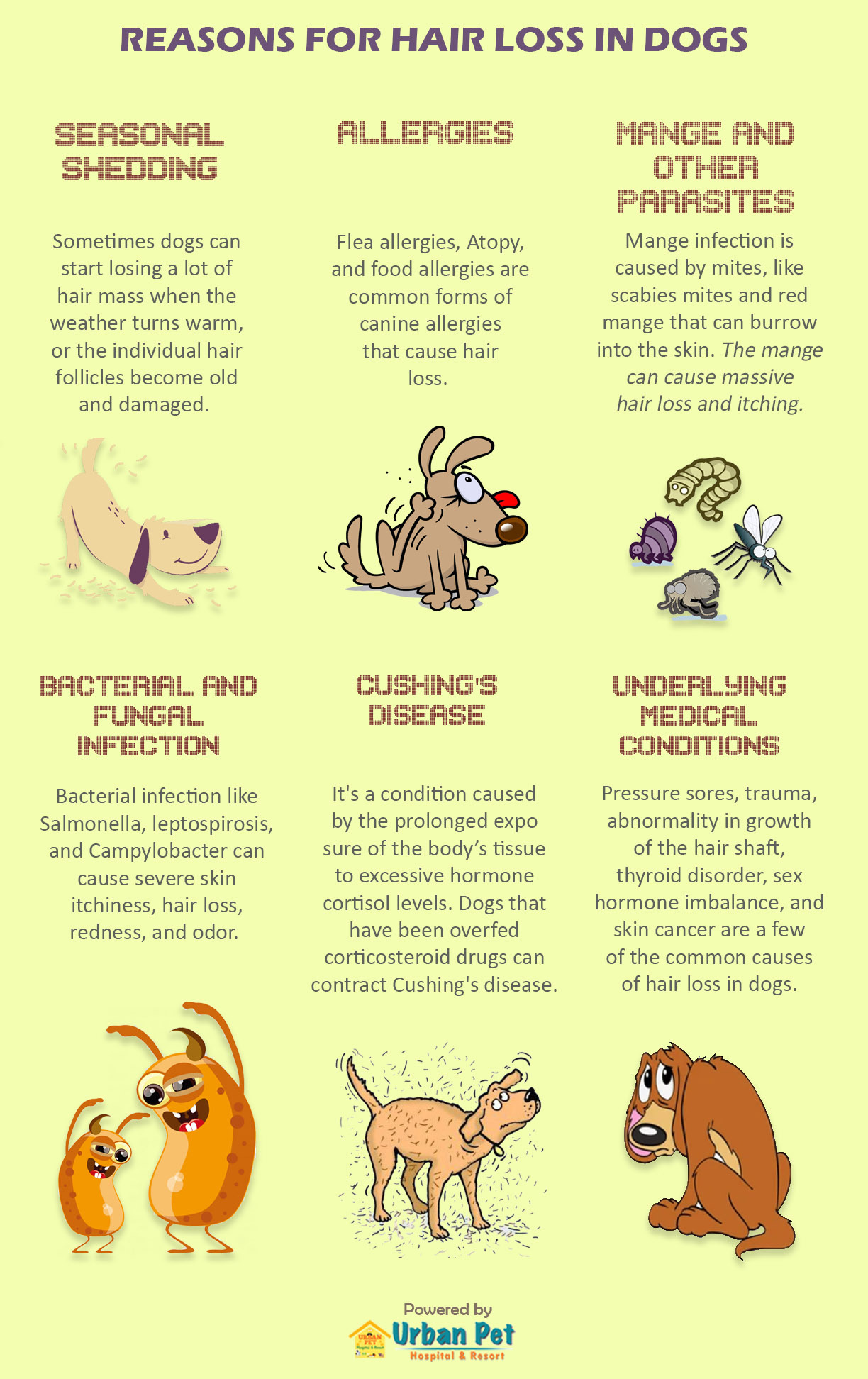
Image Source: www.urbanpethospital.com
Parasitic Invaders: Mites and Fleas
One of the most common culprits behind patchy hair loss is external parasites. These tiny critters cause intense itching, leading the dog to scratch, bite, and chew their skin raw. This self-trauma results in significant hair loss.
Deciphering the Symptoms of Mange in Dogs
Mange is a skin condition caused by parasitic mites burrowing into the skin. There are two main types, and knowing the difference is vital for treatment.
Sarcoptic Mange (Scabies)
This type is highly contagious. The mites cause severe, relentless itching.
- Key Signs: Intense scratching, crusty skin, redness, and hair loss often starting on the ear edges, elbows, and belly. Dogs infected often seem miserable due to the constant itch.
Demodectic Mange (Demodex)
This type is usually not contagious between dogs. It often appears when a dog’s immune system is weak, allowing the normally present mites to overgrow.
- Key Signs: Reasons for patchy fur loss in dogs often point here. It usually begins as small, coin-sized patches of hair loss, often around the face or paws. It usually does not itch unless a secondary infection sets in.
Flea Allergy Dermatitis (FAD)
Even a single flea bite can trigger a massive allergic reaction in sensitive dogs. This reaction causes extreme itching, especially around the tail base and hind legs. This constant biting and scratching quickly lead to hair loss.
Solutions for Parasite-Induced Hair Loss
- Veterinary Diagnosis: A vet will use skin scrapings to confirm the presence of mites.
- Medicated Baths: Shampoos designed to kill surface pests are helpful.
- Oral or Topical Preventatives: Modern flea and tick preventatives are highly effective at stopping infestations before they start. Consistent use prevents future flare-ups.
Allergic Reactions: When Itching Equals Hair Loss
Allergies are a major factor in common dog coat problems. When a dog is allergic, their immune system overreacts to harmless substances. This reaction manifests as skin inflammation, itching, and subsequent hair loss.
Environmental Triggers
Dogs can be allergic to things in the air, similar to human hay fever. This is called Atopic Dermatitis.
- Common Allergens: Pollen from trees, grasses, and weeds, as well as dust mites and molds.
- Impact on Coat: Dogs often lick and chew their paws, groin, and armpits excessively. This over-grooming removes the hair, resulting in bald patches, often worsened by licking.
Food Sensitivities
While less common than environmental allergies, food allergies cause intense itching all year round.
- Triggers: Usually proteins like chicken, beef, dairy, or wheat.
- Symptoms: Besides itching and hair loss, dogs may also have chronic ear infections or digestive upset.
Identifying Dog Allergies Causing Shedding
Treating allergies requires identifying the trigger first.
- Elimination Diet Trial: This is the gold standard for food allergies. Owners switch the dog to a novel protein (one they have never eaten) or a hydrolyzed protein diet for 8 to 12 weeks. If the itching stops, the food was the problem.
- Medication Management: Modern veterinary medicine offers excellent relief for allergy symptoms. Medications like Apoquel or Cytopoint target the itch response directly, helping the skin heal and hair regrow.
Infections and Skin Issues: The Root of the Problem
When the skin barrier is compromised—often due to allergies or underlying illness—bacteria or yeast can take over. This leads to a dog skin infection leading to hair loss.
Bacterial Infections (Pyoderma)
Bacterial skin infections often appear secondary to another problem (like allergies or scratching).
- Appearance: Red bumps, pus-filled pimples, circular patches of hair loss, or a foul odor.
- Treatment: Requires specific antibiotics prescribed by a vet, often paired with antiseptic shampoos to clean the skin surface.
Yeast Infections (Malassezia Dermatitis)
Yeast thrives in warm, moist environments, often in skin folds or areas that are constantly licked.
- Appearance: Greasy skin, a distinctive musty smell, dark skin thickening (hyperpigmentation), and hair loss, often around the feet and ears.
- Treatment: Topical antifungals and oral medications are needed to reduce the yeast population.
Dealing with Dry Skin on Dogs Causing Bald Spots
Dry skin is more susceptible to infection and irritation.
- Causes of Dryness: Low humidity in the home (especially winter), poor diet lacking essential fatty acids, or underlying medical conditions.
- Remedies: Supplementing the diet with Omega-3 and Omega-6 fatty acids (fish oil) improves skin barrier function. Regular moisturizing sprays or conditioning baths help retain moisture.
Hormonal and Endocrine Disorders
Sometimes, hair loss is not due to external irritation but an internal system malfunction. These conditions cause hair loss that is often symmetrical (the same on both sides of the body) and usually does not itch initially.
Hypothyroidism
This is a common hormonal issue where the thyroid gland does not produce enough thyroxine hormone. This hormone controls metabolism and hair follicle health.
- Symptoms: Weight gain, lethargy, cold intolerance, and classic symmetrical hair loss, often on the flanks (sides) and tail (“rat tail”). The hair that grows back might be dull or brittle.
- Diagnosis and Fix: A simple blood test diagnoses hypothyroidism. Treatment involves daily synthetic thyroid hormone supplementation (medication).
Cushing’s Disease in Dogs Hair Loss (Hyperadrenocorticism)
Cushing’s disease occurs when the body produces too much cortisol (a stress hormone). High cortisol levels interfere with the hair growth cycle.
- Symptoms: This leads to thinning hair, thin skin that bruises easily, a pot-bellied appearance, increased thirst and urination, and hair loss usually starting on the trunk and spreading outwards.
- Diagnosis: Requires specific urine or blood tests to measure cortisol levels. Treatment focuses on managing cortisol production through medication.
Sex Hormone Imbalances
Low levels of sex hormones (like estrogen or testosterone) can cause hair loss, especially around the prepuce (in males) or vulva (in females). This is usually diagnosed after ruling out other common causes.
Stress, Anxiety, and Behavioral Issues
Hair loss isn’t always physical; it can stem from psychological distress. This is crucial when investigating dog excessive shedding causes.
Lick Granulomas (Acral Lick Dermatitis)
This is an obsessive-compulsive behavior where a dog licks one specific spot constantly—usually the front of one or both front legs.
- The Cycle: The licking irritates the skin, which causes more itching/soreness, leading to more licking. This creates a thick, raised, hairless lesion.
- Triggers: Can start from a minor injury, boredom, anxiety, or underlying pain.
- Treatment: Requires a multi-pronged approach: treating any underlying pain, using anti-anxiety medication if needed, and often employing physical barriers (like soft E-collars or boots) to stop the licking long enough for the skin to heal.
Anxiety and Boredom
Dogs left alone too long, those undergoing major home changes, or those with separation anxiety may develop generalized scratching or over-grooming, leading to diffuse hair thinning rather than distinct bald spots.
Nutritional Deficiencies and Poor Diet
A dog’s coat quality directly reflects what they eat. Poor quality food or diets lacking essential nutrients can lead to brittle hair, excessive shedding, and baldness.
Lack of Essential Fatty Acids (EFAs)
Omega-3 and Omega-6 fatty acids are crucial for maintaining skin moisture and a healthy hair shaft. If a dog’s diet is low in these fats, the coat becomes dry, dull, and prone to breakage.
Protein Quality
Hair is mostly made of protein. If the diet uses low-quality protein sources or insufficient amounts, the body cannot maintain healthy hair growth, resulting in poor coat density.
Improving Coat Health Through Nutrition
- High-Quality Food: Select foods where named meat sources (like chicken, salmon, lamb) are the first few ingredients.
- Supplementation: Adding quality fish oil supplements provides highly absorbable EFAs, often resolving mild dryness and improving shine, which can mitigate hair loss related to dry skin on dogs causing bald spots.
Autoimmune Diseases and Cancer
While less common, severe hair loss can signal serious underlying systemic disease.
Pemphigus
This is a rare autoimmune disease where the body attacks its own skin cells, causing blistering, crusting, and secondary hair loss.
Alopecia X
This condition is poorly understood but often affects Nordic breeds (like Huskies or Malamutes). It causes slow, progressive, symmetrical hair loss, often sparing the head and legs. It is often linked to hormone imbalances that are difficult to treat.
Skin Tumors
Though less common than infections, certain skin tumors can cause localized hair loss as the tumor grows and destroys the hair follicles underneath.
Table Summary: Locating the Cause of Hair Loss
| Hair Loss Pattern | Common Location | Associated Symptoms | Likely Causes |
|---|---|---|---|
| Patchy, Itchy | Ears, elbows, belly, tail base | Scabbing, severe scratching, redness | Mange, Flea Allergy Dermatitis |
| Symmetrical Thinning | Sides of the body, tail | Lethargy, weight gain, dull coat | Hypothyroidism, Cushing’s Disease |
| Localized Licking | Front legs (shins) | Thick, leathery skin patch, constant licking | Lick Granuloma (Behavioral/Pain) |
| Dry, Brittle, Excessive Shedding | All over, poor coat quality | Flaky skin, dull appearance | Nutritional Deficiencies, Dry Air |
| Red Bumps, Odor | Any area irritated by scratching | Pustules, greasy feeling | Secondary Bacterial or Yeast Infection |
Navigating Veterinary Diagnosis and Canine Alopecia Treatments
When you notice significant hair loss, scheduling a vet visit is essential. Self-treating can delay the correct diagnosis and allow the underlying issue to worsen.
Diagnostic Steps Your Vet Will Take
- History Review: The vet will ask detailed questions: When did it start? Does your dog itch? What food do they eat? Have you traveled recently?
- Skin Scraping: Placing a small amount of skin debris under a microscope to look for mites, bacteria, or yeast.
- Cytology: Pressing a slide against the skin surface to check for yeast and bacteria overgrowth.
- Blood Work: If the hair loss is symmetrical and non-itchy, blood tests check hormone levels (thyroid, cortisol).
- Fungal Culture: To check for ringworm (dermatophytosis), which causes circular patches of hair loss.
Treatment Modalities
Canine alopecia treatments depend entirely on the diagnosis. Here is how different problems are addressed:
- For Parasites: Prescription anti-parasitic drugs (oral or topical).
- For Infections: Targeted antibiotics or antifungals, along with topical skin therapy.
- For Hormonal Issues: Lifelong medication to replace missing hormones (e.g., thyroid pills).
- For Allergies: A combination of itch management medication, specialized diets, and environmental control measures.
- For Behavioral Issues: Addressing the root anxiety, using prescription anti-anxiety aids, and physical protection devices.
Grooming Practices: Friend or Foe?
Improper grooming habits can inadvertently contribute to hair loss or exacerbate existing skin irritation.
Over-Bathing and Harsh Products
Bathing too frequently strips the dog’s skin of natural oils (sebum), which are vital for a healthy skin barrier. If you use harsh, human-grade shampoos, you disrupt the dog’s skin pH balance, leading to dryness and irritation.
Best Grooming Practices
- Use Dog-Specific Shampoos: Always use shampoos formulated for dogs with a neutral pH.
- Condition Regularly: For dogs prone to dryness or allergies, use a moisturizing conditioner after shampooing.
- Gentle Brushing: Use the right tools for your dog’s coat type. Over-brushing fragile areas can cause friction, leading to breakage.
Clipping Too Short
For some breeds, clipping the coat very short (especially during summer) can sometimes cause a condition called Post-Clipping Alopecia, where the hair fails to grow back evenly, often due to trauma to the follicle or an underlying predisposition.
Frequently Asked Questions (FAQ)
Q1: Can stress alone cause a dog to go bald?
Yes, severe or chronic stress can cause hair loss indirectly. Stress triggers obsessive grooming behaviors, like licking or chewing, which physically pulls the hair out, leading to bald patches (often on the legs). It can also trigger or worsen existing allergic skin conditions.
Q2: Is hair loss always a sign of a serious problem?
No. Mild seasonal shedding or minor hair loss due to rubbing against bedding is not usually serious. However, significant, sudden, or patchy hair loss always needs veterinary attention to rule out parasites, infections, or serious internal diseases.
Q3: How long does it take for hair to grow back after treatment?
Recovery time varies widely based on the cause and the depth of the skin damage.
* Minor irritation or allergies: Hair may start regrowing within 2 to 4 weeks once the itching stops.
* Hormonal issues or severe infection: It can take several months of consistent medical treatment before the coat returns to normal density. The dog’s overall health must stabilize first.
Q4: What if my dog has hair loss but never scratches?
If the hair loss is symmetrical and the dog is not itching, it strongly suggests an internal, non-infectious cause. Focus your veterinary investigation on endocrine disorders like Hypothyroidism or Cushing’s disease, or potentially nutritional deficiencies.