
What are the signs of cancer in a dog? The signs of cancer in a dog are often subtle at first. They can range from visible lumps and bumps to changes in eating habits, energy levels, or even how they breathe. Spotting these dog cancer warning signs early is crucial for the best chance of successful treatment. Many illnesses can cause these signs, so a trip to the vet is always the next step.
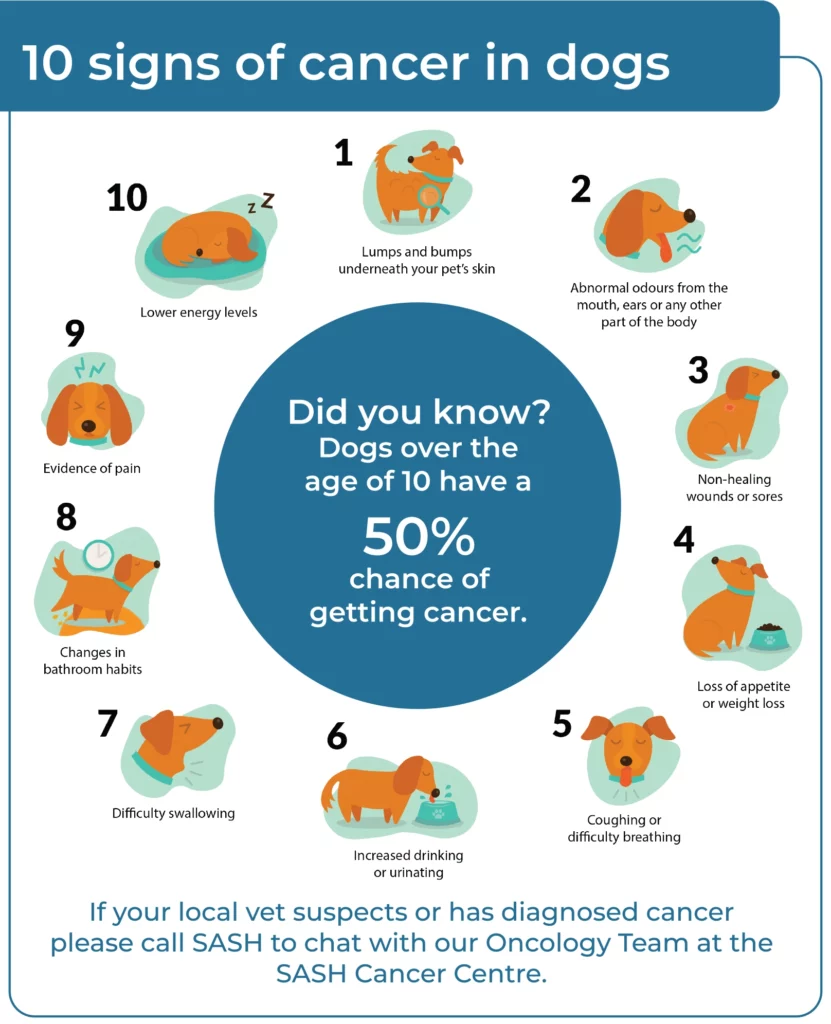
Image Source: sashvets.com
Recognizing Early Signals of Canine Cancer
Dogs are masters at hiding pain and sickness. This is an old survival trait. They often do not show obvious distress until the disease is quite advanced. As pet owners, we must be very watchful for small changes in our dogs’ normal routines. Being aware of canine cancer symptoms is a vital part of responsible pet ownership.
Physical Changes You Must Notice
The most common early indicator involves physical changes you can see or feel on your dog’s body.
Lumps and Bumps on Dogs: A Closer Look
Any new growth needs checking. Lumps and bumps on dogs are often the first thing owners find. Not every lump is cancer, but some are.
- Location Matters: Lumps found under the skin (subcutaneous) are very common. They can appear anywhere—on the chest, legs, or belly.
- Texture Check: Is the lump hard or soft? Does it seem fixed in place, or can you move it around easily? Fixed, hard lumps are more concerning.
- Growth Rate: How fast is the lump growing? A lump that seems to double in size over a few weeks needs urgent vet attention.
- Ulceration: Sometimes, a lump can break open and bleed. This is an important sign.
It is essential to perform regular “body checks” on your dog, just like you would check yourself. Feel their whole body gently during petting sessions.
Unexplained Sores or Wounds
Some cancers, especially skin cancers, show up as sores that just won’t heal. These might look like simple cuts at first. If a sore is present for weeks without healing, even with good care, it needs a vet check.
Changes in Body Weight and Condition
Changes in your dog’s size and shape can point to serious health issues, including cancer.
Weight Loss in Dogs Cancer
Unexplained weight loss in dogs cancer is a major red flag. If your dog is eating normally but still losing weight, this signals that their body is using up energy too fast. Cancer cells consume a lot of the body’s resources.
- Muscle Wasting: Look closely at your dog’s hips and shoulders. If muscles seem thinner or “wasted away,” this is a sign of significant illness.
Changes in Dog Appetite Cancer
How your dog eats can tell you a lot. Changes in dog appetite cancer are frequent.
- Loss of Appetite (Anorexia): If your dog skips meals or shows no interest in favorite treats, it is a concern. Tumors in the mouth or throat can make eating painful.
- Increased Appetite (Polyphagia): Some cancers, like certain types of lymphoma or those affecting the endocrine system, can actually make a dog hungrier than normal, even while they are losing weight.
Behavioral Shifts and Energy Level
When a dog is sick, their daily habits change. These shifts in routine often accompany signs of malignancy in dogs.
Lethargy and Weakness
A cancer diagnosis often comes with a big drop in energy.
- Tiredness: Is your usually playful dog now preferring to sleep? Does he hesitate to go for walks he used to love?
- Stiffness: Cancer that spreads to the bones or joints can cause pain, leading to stiffness when getting up or reluctance to jump.
Changes in Breathing
Sometimes, cancer starts inside the chest, making breathing difficult. These dog coughing cancer signs should never be ignored.
- Persistent Cough: A cough that lasts for weeks, especially a dry, hacking cough, needs checking. Lung cancer or masses pressing on the windpipe can cause this.
- Shortness of Breath (Dyspnea): If your dog breathes faster than normal while resting, or struggles to catch his breath after mild exercise, seek immediate care. Fluid buildup around the lungs due to cancer can cause this.
Unusual Behavior in Dogs with Cancer
Unusual behavior in dogs with cancer covers many small things. They are signs of discomfort or internal pressure.
- Hiding: Sick dogs often seek quiet, dark places to hide away from the pack.
- Restlessness: Conversely, some dogs become restless, pacing, or unable to settle down because of pain or nausea.
- Vocalizing: New whining, yelping, or crying, especially when touched or moving, suggests pain.
Internal and Systemic Signs of Cancer
Not all signs are easy to see from the outside. Some require blood tests or imaging by a vet. These signs relate to the way cancer affects the whole body system.
Digestive Issues
Tumors in the gastrointestinal tract cause visible problems.
- Vomiting or Diarrhea: While common, persistent vomiting or diarrhea that doesn’t resolve with diet changes can signal internal cancer.
- Abdominal Swelling: A belly that looks distended or bloated when it shouldn’t be can mean fluid buildup (ascites) or a large tumor mass inside the abdomen.
Changes in Urination and Defecation
- Straining: Difficulty peeing or pooping can indicate a tumor pressing on the bladder or colon.
- Blood in Urine or Stool: Any visible blood should prompt an immediate vet visit.
Oral and Dental Signs
Cancers in the mouth (oral tumors) are common in older dogs.
- Bad Breath (Halitosis): A very foul odor coming from the mouth, sometimes worse than normal dog breath, can be a sign of oral cancer or severe infection related to a tumor.
- Drooling: Excessive drooling, or dropping food while eating, suggests pain or difficulty swallowing.
Fathoming Dog Cancer Progression Signs
Once cancer is established, the signs can change or become more severe. Recognizing dog cancer progression signs helps owners and vets adjust treatment plans.
Metastasis Indicators
Metastasis means the cancer has spread from its original site to other body parts.
- New Lumps: Finding new lumps in different areas of the body after a primary diagnosis means the cancer has spread.
- Respiratory Distress: If a primary tumor in a leg or abdomen spreads to the lungs, breathing problems (as noted above) will worsen.
Systemic Decline
As cancer advances, the dog’s overall health declines rapidly.
- Cachexia: This is severe muscle and fat loss that is not just simple weight loss. It is a wasting syndrome caused by the cancer using up the body’s reserves faster than they can be replaced.
- Anemia: Many cancers cause chronic internal bleeding or interfere with the body’s ability to make red blood cells. This leads to pale gums, extreme weakness, and fatigue.
The Role of Veterinary Oncology Symptoms
When you see a warning sign, the next step is contacting your veterinarian. They look for specific veterinary oncology symptoms through exams and diagnostics.
Diagnostic Steps Vets Take
The veterinarian uses a combination of methods to confirm or rule out cancer.
| Diagnostic Tool | What It Looks For |
|---|---|
| Physical Exam | Feeling for lumps and bumps on dogs and checking lymph nodes. |
| Bloodwork | Checking overall organ function, red/white cell counts, and looking for anemia. |
| Urinalysis | Checking for infection or abnormal proteins linked to cancer. |
| Imaging (X-rays, Ultrasound) | Looking for masses inside the chest or abdomen. |
| Biopsy/Fine Needle Aspirate (FNA) | Taking a small sample of cells to look at under a microscope. This confirms the type of cancer. |
Common Cancers and Their Specific Signs
Different types of cancer show up in unique ways.
Lymphoma
This cancer affects the white blood cells (lymphocytes). Signs often include:
* Swollen, firm lymph nodes (often felt in front of the shoulders or behind the knees).
* Lethargy and general sickness.
Osteosarcoma (Bone Cancer)
This is common in large, older breeds.
* Sudden, non-healing lameness (limping).
* Swelling over a bone, often in a leg.
* Pain when the area is touched.
Hemangiosarcoma
This cancer starts in the blood vessel linings and is aggressive.
* Sudden collapse due to internal bleeding.
* Pale gums due to blood loss.
* Bloated abdomen due to fluid or blood accumulation.
Deciphering Subtle Clues and Owner Intuition
Sometimes, the signs of cancer are not the textbook symptoms listed above. They are changes in the “vibe” of your dog. Trust your intuition.
Pain Indicators
Dogs hide pain well, but sometimes they give clues:
- Guarding: Resisting being touched in certain areas.
- Change in Posture: A hunched back or reluctance to lie down flat.
- Aggression: A normally gentle dog snapping when approached, often due to fear of pain.
Excessive Thirst or Urination (Polydipsia/Polyuria)
While often linked to kidney issues or diabetes, certain pituitary or adrenal gland tumors can cause increased thirst and urination. This is an important systemic sign to monitor.
Prevention and Regular Screening
While we cannot always prevent cancer, regular checks improve the odds of early detection. Early detection is the single best factor in managing dog cancer progression signs.
Wellness Checks Are Key
Routine vet visits are critical. Your veterinarian is trained to spot veterinary oncology symptoms that you might miss. They will check lymph nodes, listen to the heart and lungs (checking for dog coughing cancer signs), and assess body condition.
At-Home Monitoring Checklist
Use this simple checklist weekly to monitor for changes:
| Area to Check | Normal State | Warning Sign |
|---|---|---|
| Body Weight | Stable weight, good muscle tone. | Unexplained weight loss in dogs cancer or muscle loss. |
| Skin/Coat | Smooth, no lumps. | Any new lumps and bumps on dogs; non-healing sores. |
| Appetite/Thirst | Consistent changes in dog appetite cancer are absent. | Sudden refusal of food or drinking excessive amounts of water. |
| Energy | Active and engaged. | Increased sleeping, reluctance to play (a form of unusual behavior in dogs with cancer). |
| Breathing | Quiet, easy breaths at rest. | Persistent, hacking cough (a dog coughing cancer signs indicator). |
Final Thoughts on Action
If you notice any of the canine cancer symptoms mentioned here, do not panic, but do act swiftly. Delayed diagnosis allows the cancer more time to grow and spread, making treatment much harder. A veterinarian specializing in oncology can provide the best path forward, whether that involves surgery, chemotherapy, radiation, or palliative care to ensure your dog has the best quality of life possible. Early discovery is your greatest tool in fighting signs of malignancy in dogs.
Frequently Asked Questions (FAQ)
Q1: Can a dog’s bad breath be a sign of cancer?
Yes, severe or sudden bad breath (halitosis) can signal oral tumors, especially in older dogs. Tumors in the mouth often become infected or begin to rot, causing a very foul smell.
Q2: How quickly can cancer spread in a dog?
The speed of spread varies greatly by cancer type. Some cancers, like highly aggressive hemangiosarcoma, can spread very quickly, sometimes within weeks. Others, like slow-growing skin tumors, may take many months or years to metastasize.
Q3: If my dog has a lump, is it definitely cancer?
No. Most lumps and bumps on dogs are benign (non-cancerous). They can be fatty tumors (lipomas), cysts, or infection pockets. However, because malignant tumors are common, any new lump should be checked by a vet, ideally with a fine needle aspirate (FNA) test.
Q4: Are older dogs more likely to show signs of cancer?
Yes. Cancer risk increases significantly with age, much like it does in people. The older a dog gets, the more important routine checks become to catch early dog cancer warning signs.
Q5: What if my dog seems fine but the vet finds something on bloodwork?
Sometimes, systemic cancers like lymphoma or leukemia are first caught through abnormal findings on routine bloodwork, such as low red blood cell counts (anemia) or abnormal white blood cell numbers. This is why yearly blood tests are important, even if your dog shows no obvious unusual behavior in dogs with cancer.