
The seven most important dog commands are Sit, Stay, Come, Down, Leave It, Heel, and Place. These form the core foundation for safety, good manners, and a strong bond between you and your dog.
Teaching your dog these essential dog obedience commands is not just about showing off; it’s about responsible pet ownership. Good manners make life easier for everyone. These are the must-know dog commands for beginners. We will look closely at the top 7 dog training cues that every dog owner needs to master. Mastering these skills provides structure and clarity for your dog, leading to better behavior in all settings. These basic dog commands for good behavior are the building blocks for a happy life together.
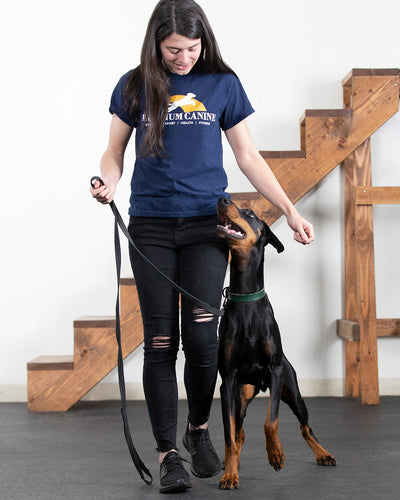
Image Source: maximumk9service.com
Why Focus on These Seven Commands?
Many commands exist in dog training. However, some offer more value for daily life and safety. These seven commands are chosen because they address common real-world needs. They are proven essential dog commands that solve most behavioral issues quickly.
Safety First: The Critical Commands
Some commands directly impact your dog’s safety. If your dog bolts out the front door, you need a reliable recall. If a tempting, dangerous item is on the ground, you need a strong “Leave It.” These command groups are the important dog commands for safety.
Daily Life Harmony
Other commands make daily routines smooth. Imagine having guests over. A “Stay” or “Place” command keeps your dog calm and out of the way. These are the best 7 dog commands for daily life. They reduce stress for both you and your pet. These form the core dog commands every owner should teach.
The 7 Most Important Dog Commands Detailed
Let’s explore each of the seven highly effective dog commands in detail. We will cover how to teach them and why they matter so much.
1. Sit: The Foundation of Focus
The “Sit” command is often the very first thing people teach. It is simple but powerful. Asking a dog to sit interrupts unwanted actions. It is an easy default behavior.
How to Teach “Sit”
- Use a Lure: Hold a tasty treat near your dog’s nose.
- Move Up and Back: Slowly move the treat over the top of their head toward their tail.
- The Natural Sit: As their nose follows the treat up, their rear end will naturally drop to the floor.
- Mark and Reward: The moment their bottom touches the ground, say “Yes!” or use a clicker, then give the treat.
- Add the Cue: Once they reliably follow the lure into a sit, start saying “Sit” just before you move the lure.
- Fade the Lure: Gradually make the hand motion smaller until just the verbal cue works.
| Why “Sit” Matters | Real-World Use |
|---|---|
| Instant attention grabber | Greeting people calmly |
| Breaks focus from distractions | Waiting for food bowls |
| Simple impulse control | Stopping jumping behavior |
2. Come (Recall): The Lifesaver
“Come,” or recall, is arguably the most vital command for your dog’s life. A reliable recall means your dog will return to you no matter what distractions exist. These are the foundational dog commands for recall.
How to Teach “Come”
- Start Small and Fun: Begin in a quiet room with few distractions. Have a helper hold your dog gently.
- Make it a Party: Back away a few steps, use an excited voice, and say, “Come!”
- Reward Big: When the dog reaches you, throw a party! Use high-value treats, enthusiastic praise, and petting. Make coming to you the best thing ever.
- Increase Distance and Distraction: Slowly move to larger, more interesting areas. Never punish your dog for taking time to return. That ruins the fun.
- Never Call for Bad Things: Do not use “Come” right before bath time or leaving the park. This teaches them not to come when called.
Tip: Keep your voice high and joyful when asking for a recall.
3. Stay: Building Patience and Control
“Stay” teaches your dog to remain in a position (usually Sit or Down) until released. It builds incredible impulse control.
How to Teach “Stay”
- Establish the Position: Ask your dog to “Sit” first.
- Introduce the Cue: Hold your hand up like a stop sign, look at your dog, and say “Stay.”
- Short Duration: Wait just one second. Then, step back to your dog (do not call them to you yet), say your release word (like “Okay!”), and reward them heavily.
- Increase Time, Then Distance: Only increase the distance or the time spent waiting, not both at once. If they break the stay, calmly reset them without fuss.
- The Release Word is Key: Always use a clear release word so your dog knows exactly when the job is done.
This command is vital for managing chaos. It supports the reliability of other core dog commands every owner should teach.
4. Down: The Ultimate Calm Signal
The “Down” command asks the dog to lie flat on the floor. Dogs naturally feel calmer when lying down compared to sitting or standing. This makes “Down” a powerful relaxation tool.
How to Teach “Down”
- Lure to the Floor: Start with your dog in a “Sit.” Hold a treat at their nose.
- Draw to the Floor: Slowly drag the treat straight down to the floor between their front paws, then slightly out along the floor away from them.
- The Stretch: To follow the treat, their elbows must touch the floor.
- Mark and Reward: As soon as they lie down, praise and treat.
- Add the Cue: Once they consistently follow the lure, add the verbal cue “Down” as you begin the motion.
The “Down” cue is often used alongside “Stay” for long periods of calm, like during dinner.
5. Leave It: Preventing Disaster
“Leave It” tells your dog to ignore something tempting—a dropped piece of food, a toy, or even a strange dog on a walk. This is one of the important dog commands for safety.
How to Teach “Leave It”
This command requires careful, step-by-step teaching.
- Low Value Item: Put a boring treat (like dry kibble) on the floor. Cover it with your hand before the dog can grab it.
- Wait for Calm: Wait until your dog stops sniffing or pawing your hand. The second they pull back or look up at you, say “Yes!” and give them a better treat from your other hand.
- Remove Hand, Keep Cue: Repeat this, but slowly lift your hand slightly. If they lunge, cover it again. The second they look away from the floor treat, reward from your hand.
- Add the Verbal Cue: Once they reliably look away when your hand is covering the item, say “Leave It” just as you put your hand down.
- Increase Temptation: Only move to higher-value items (like cheese) once the low-value item is totally ignored based only on the verbal cue.
This is a highly effective dog command for preventing accidents.
6. Heel: Walking Politely on Leash
“Heel” means the dog walks right beside you, usually on your left side, without pulling on the leash. Loose-leash walking transforms neighborhood strolls from a tug-of-war contest into a pleasant activity. This addresses a major issue in daily dog ownership.
How to Teach “Heel”
- Define the Space: Decide where you want the dog’s shoulder to be relative to your leg (usually aligned with your knee).
- Use a Lure: Hold a treat near your leg in the desired spot.
- Take One Step: Take one step forward. If the dog stays in position next to you, mark and reward instantly while moving.
- Increase Steps: Add a second step, then a third. If the dog moves ahead or lags behind, stop instantly. Wait for them to realign with you before moving again.
- Add the Cue: Once they can walk a few steps nicely, start saying “Heel” just before you start walking.
This is one of the basic dog commands for good behavior that owners value highly.
7. Place (or Mat Work): Creating a Safe Zone
“Place” tells your dog to go to a specific designated spot—a dog bed, a mat, or a crate—and remain there until released. This is incredibly useful when company visits or during mealtimes. It gives the dog a specific job to do instead of wandering aimlessly.
How to Teach “Place”
- Introduce the Target: Place the mat or bed in a low-distraction area. Lure the dog onto it using a treat. Mark and reward heavily while they are on the mat.
- Duration: Ask the dog to “Go to Place.” Reward them for staying there for a few seconds. Release them with “Okay!”
- Introduce Distance: Take a step away before rewarding. Slowly increase the distance you move away from the mat.
- Add Time and Distraction: Once they stay for a minute while you stand nearby, start adding small distractions, like dropping a toy near them (but not close enough to leave the mat).
This command provides a portable decompression zone for your dog and is among the core dog commands every owner should teach.
Integrating the 7 Commands into Daily Life
It’s one thing to teach these in a quiet kitchen. It’s another to have a reliable dog outside. Consistency is the key to turning these cues into reliable habits.
The Power of Proofing
Proofing means practicing commands in different environments with increasing levels of distraction. This process ensures the commands work everywhere, making them truly essential dog obedience commands.
| Proofing Level | Description | Goal |
|---|---|---|
| Level 1: Quiet Home | Practice with no distractions present. | Perfect execution of the cue. |
| Level 2: Mild Distraction | Practice near a window or while someone walks by slowly. | Dog focuses despite nearby activity. |
| Level 3: High Distraction | Practice in the backyard or a quiet park. | The command works reliably outdoors. |
| Level 4: Real-World Stress | Practice near other dogs or noisy traffic. | The dog prioritizes your cue over the excitement. |
Never skip levels. If your dog fails at Level 3, go back and reinforce at Level 2 until they succeed consistently.
Reward Systems: Fueling Motivation
To make sure your dog loves listening, your rewards must match the difficulty of the task.
- Easy Task (e.g., Sit in the kitchen): Use everyday kibble or a normal pat.
- Medium Task (e.g., Stay for 30 seconds): Use slightly better treats like small pieces of cheese or hot dogs.
- Hard Task (e.g., Perfect Recall in a busy park): Use the absolute highest value reward—something they never get otherwise.
Using varied rewards keeps the training fresh and the dog engaged. These core dog commands every owner should teach become more powerful the better your reward system is.
Common Mistakes When Teaching Essential Dog Obedience Commands
Many owners inadvertently sabotage their own training efforts. Avoiding these pitfalls is crucial for success with the top 7 dog training cues.
Mistake 1: Repeating the Cue Too Much
If you say, “Sit, sit, sit, sit, sit,” your dog learns that the command is the whole sequence, not just the first word. They learn to tune out the first few requests.
Fix: Say the cue once. If the dog does not respond, physically guide them into position (lure or gently guide) and then reward. They need to learn that the first instruction is the only one they get.
Mistake 2: Not Using a Release Word
If the dog doesn’t know when the “Stay” or “Place” is finished, they may break the position prematurely because they are unsure if they are allowed to move.
Fix: Always use a clear release word like “Okay,” “Free,” or “Break.” The dog only moves after hearing that word, no matter how long they hold the position.
Mistake 3: Training Too Long
Dogs, especially puppies, have short attention spans. Training sessions that last 30 minutes often result in frustration for both parties.
Fix: Keep sessions short and sweet—5 to 10 minutes, three or four times a day. Always end on a positive success, even if you have to ask for a very simple command they already know well. This builds confidence. These must-know dog commands for beginners are best absorbed in short bursts.
Mistake 4: Calling “Come” When Angry or Worried
If you sound anxious or irritated when calling your dog, they sense it. They associate returning to you with negative feelings.
Fix: Keep your tone enthusiastic and happy. If you are worried about where your dog is, use a calm, low voice to walk toward them first, then reward them heavily once they approach you willingly.
Deciphering the Science Behind Training Cues
Why do dogs respond to these specific sounds or hand signals? It comes down to classical and operant conditioning.
Operant Conditioning in Action
When teaching foundational dog commands for recall, we use positive reinforcement, which is the core of operant conditioning.
- Positive Reinforcement: Adding something the dog likes (a reward) after a desired behavior occurs. This makes the behavior happen more often.
- Cue Association: The verbal command (“Sit”) becomes a predictor. The dog hears “Sit,” performs the action, and then receives the reward. Eventually, the sound of the word alone triggers the action because the dog predicts the good outcome.
This is why timing the marker (“Yes!” or click) perfectly is so important when teaching basic dog commands for good behavior. The marker bridges the gap between the action and the treat.
Consistency in Signals
Dogs are masters of non-verbal communication. When teaching highly effective dog commands, ensure your body language matches your words.
If you say “Down” but look upward or tap your leg, you are confusing the dog. Keep your “Sit” hand signal identical every time. Keep your “Stay” posture rigid. This clarity makes the process faster and easier for the dog to learn. These proven essential dog commands rely heavily on clear, consistent human signals.
Table Summarizing the Best 7 Dog Commands for Daily Life
This table summarizes the purpose and key teaching element for the best 7 dog commands for daily life.
| Rank | Command | Primary Benefit | Key Teaching Element |
|---|---|---|---|
| 1 | Come | Safety/Emergency Return | Make return the most rewarding event possible. |
| 2 | Stay | Impulse Control/Waiting | Progressively increase time or distance, never both at once. |
| 3 | Sit | Quick Interruption | Use as a default calm behavior. |
| 4 | Down | Deep Relaxation | Lure smoothly down between the paws. |
| 5 | Leave It | Preventing Ingestion/Danger | Reward heavily for looking away from the temptation. |
| 6 | Heel | Pleasant Walks | Reward for precise position beside your leg. |
| 7 | Place | Settling Management | Create a designated spot for calm time. |
Frequently Asked Questions (FAQ)
How quickly can I teach my dog these 7 essential dog obedience commands?
For a healthy, young adult dog, you can teach the basics of all seven essential dog obedience commands within 3 to 6 weeks of consistent, short daily practice. However, making them reliable in high-distraction environments (proofing) can take many months.
Should I use a clicker or a verbal marker like “Yes!”?
Both are excellent choices for marking behavior when teaching the top 7 dog training cues. A clicker offers a consistent, brief sound that is excellent for precise timing. A verbal marker like “Yes!” is convenient because you always have it with you. Choose the one that feels most natural for you to use consistently.
What if my dog ignores the “Come” command outside?
If your dog ignores recall outside, it means the environment is more rewarding than you are right now. You must regress training to an area where the dog can succeed. Use a long-line leash (15-30 feet) for safety and practice in that area until you build confidence again. Never chase a dog who won’t come; this turns it into a game.
Are these commands different for puppies versus adult rescue dogs?
The techniques for teaching the must-know dog commands for beginners remain the same. Puppies learn faster through shaping and play. Adult rescue dogs may require more patience, especially if they have learned conflicting commands or developed fear-based behaviors. Focus heavily on building positive association with your voice and presence first.
When should I start using my release word?
Use your release word immediately after the dog completes the desired action in a “Stay” or “Place” command. The release word signals, “The task is over, and you are now free to move, and you will get your reward.” This clarifies the boundaries for the dog.