
A hot dog steamer is used to cook hot dogs and sausages quickly and keep them warm using moist heat. Can you use a hot dog steamer for buns? Yes, many models have separate sections or trays for steaming hot dog buns, making them soft and warm.
If you want perfect, juicy hot dogs every time, using a steamer is the best method. It locks in moisture better than grilling or boiling. This guide will show you exactly how to use your machine, whether it is a small home unit or a commercial hot dog steamer guide. We focus on making your next hot dog stand experience a success.
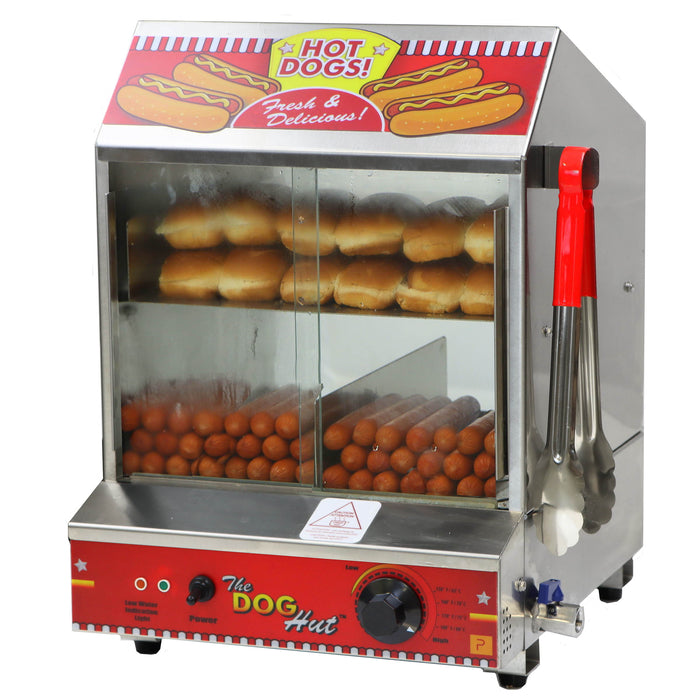
Image Source: www.paragonconcessions.com
Setting Up Your Hot Dog Steamer
Proper setup is key to smooth cooking. Before you start, take a moment to check your machine. This process applies whether you are setting up hot dog steamer equipment for a party or a busy lunch rush.
Safety First Checks
Always unplug any appliance before you clean it or move it. Check the power cord for any damage. Make sure the steamer is on a flat, stable surface. This prevents spills, especially when dealing with hot water.
Filling the Water Reservoir
The heart of the steamer is the water reservoir. This part creates the steam.
- Locate the Tank: Find the area where you add water. This is usually at the base of the unit.
- Use the Right Water: Use plain tap water. For maintaining hot dog steamer health, some people prefer distilled water to prevent mineral buildup. However, tap water is fine for most uses.
- Fill Level: Do not overfill the tank. Look for the “Max Fill” line inside the reservoir or on the side of the unit. Overfilling can cause water to splash onto the heating element or leak out. Only fill enough water for the time you plan to steam.
Preparing the Steaming Baskets
Most steamers have two main areas: one for the dogs and one for the buns.
- Hot Dog Compartment: Place the hot dogs directly into the perforated basket or tray. Do not overcrowd them. Steam needs space to circulate around each hot dog for even heating.
- Bun Steamer Use: If your unit has a separate tray for buns, line it with a paper towel or perforated parchment paper. This keeps the buns from getting too soggy. Place the buns cut-side down, if possible, or just place them in the tray. This is the hot dog bun steamer use part of the process.
Operating the Hot Dog Steamer Correctly
Now that everything is set up, it is time to learn how to operate hot dog steamer equipment. This involves selecting the right heat and timing.
Deciphering Hot Dog Steamer Temperature Settings
Different models have different controls. Some have simple on/off switches. Others have dials for precise control.
Table 1: Typical Steamer Settings and Use
| Setting | Purpose | Approximate Time to Reach Temp | Notes |
|---|---|---|---|
| Low (Warm) | Holding cooked dogs warm | 10–15 minutes | Ideal for keeping dogs ready to serve. |
| Medium (Cook) | Cooking raw or chilled dogs | 15–20 minutes | Standard cooking setting for most franks. |
| High (Fast Steam) | Rapid heating of pre-cooked items | 5–10 minutes | Use with caution; can dry out dogs if left too long. |
The best way to steam hot dogs involves a medium setting. This cooks them gently without bursting the casings.
Cooking Raw vs. Pre-Cooked Hot Dogs
The time needed depends on what you start with.
- Raw Hot Dogs: If your franks are completely raw (uncooked), they need a longer steam time. Aim for 15 to 20 minutes on a medium setting. The internal temperature should reach 160°F (71°C) for safety. Use a meat thermometer if unsure.
- Pre-Cooked/Chilled Hot Dogs: These just need reheating. Steam for about 10 to 12 minutes. They are safe once they are hot all the way through.
Steaming the Buns
Buns should be steamed after the hot dogs are nearly done. Steaming them too early makes them wet and mushy.
- Wait for Final Minutes: Start steaming the buns for the last 3 to 5 minutes of the hot dog cooking time.
- Keep Them Warm: If you are not serving immediately, move the dogs to a warming setting. You can put the buns in the warmer section (if available) or steam them in short 2-minute bursts as needed. Never let buns steam for more than 5 minutes straight unless you like soggy bread.
Following the Hot Dog Steamer Instructions
Always refer to your specific manual. Hot dog steamer instructions might vary based on brand (like Paragon, Gold Medal, or a generic model). Some units have separate steam vents for dogs and buns, while others share the steam source.
Mastering the Steam: Tips for Perfection
Getting the texture just right takes a little practice. Here are tips for achieving that perfect, plump, juicy texture.
Avoiding Dryness and Bursting
The main problem with steamed hot dogs is that they can dry out or split open.
- Don’t Overcook: Overcooking pushes too much moisture out. Stick to the recommended times.
- Maintain Water Level: If the water runs out, the steamer will overheat, and the dogs sitting on top can scorch or dry instantly. Check the water level halfway through a long batch.
- Use Medium Heat: High heat blasts steam too aggressively. Medium heat allows the heat to penetrate slowly and evenly.
Achieving the Ideal Hot Dog Steamer Temperature Settings
For best results, aim for the sweet spot where the hot dogs are steaming consistently but not boiling violently. If your machine only has Low, Medium, High, use Medium. If you can set a specific temperature, 185°F to 200°F (85°C to 93°C) in the steam area is generally ideal for cooking without destroying the texture.
Internal Temperature Check
For safety and quality, check a few dogs from the center of the batch. They should be hot all the way through. For pork or beef products, 160°F is the target. For poultry, aim for 165°F (74°C).
Advanced Use: The Commercial Hot Dog Steamer Guide
If you run a concession stand or cater events, your needs are bigger. A commercial hot dog steamer guide focuses on volume and speed.
Volume Handling
Commercial units are larger and often designed for continuous use.
- Stagger Cooking: Do not load the steamer to 100% capacity at once if it is raw meat. Cook in staggered batches. Start the first batch. When that batch is five minutes from being done, start the second batch. This ensures a steady supply.
- Warming Mode: Always switch to the ‘Keep Warm’ setting immediately after the dogs are cooked. This uses less energy and prevents overcooking.
Bun Capacity
High-volume steamers often have large bun compartments. Remember the 5-minute rule for buns. If you have a long line, steam buns in small groups constantly rather than steaming a huge batch all at once.
Cleaning Hot Dog Steamer Equipment
Proper cleaning is essential for food safety and the longevity of your machine. Make cleaning hot dog steamer a routine task.
Daily Cleaning Routine
After every use, follow these steps:
- Unplug and Cool Down: Always unplug the unit. Let it cool completely. Steamers retain heat for a long time.
- Discard Water: Carefully pour out any remaining water from the reservoir. Tip the unit away from the controls.
- Wash Trays and Baskets: Remove the hot dog and bun trays. Wash these parts in hot, soapy water. Rinse well. Many removable parts are top-rack dishwasher safe, but check your manual first.
- Wipe Down the Interior: Use a damp, soft cloth to wipe the inside of the steaming chamber. Do not submerge the main body of the machine in water.
- Exterior Wipe: Clean the outside housing with a mild cleaner to remove grease or fingerprints.
Deep Cleaning and Descaling
Over time, minerals from the water (limescale) build up inside the heating element. This slows down heating and can damage the machine. This is a crucial part of maintaining hot dog steamer performance.
- When to Descale: If water takes significantly longer to boil, or if you see white, chalky deposits in the water tank, it is time to descale.
- Descaling Solution: Use a mixture of one part white vinegar to two parts water.
- The Process: Fill the reservoir about halfway with the vinegar-water solution. Run the steamer on a low setting for about 15 minutes. Turn it off and let it sit for 30 minutes. The acid helps break down the minerals.
- Rinse Thoroughly: Drain the vinegar solution. Run two or three full cycles using only fresh, clean water to completely flush out the vinegar smell and taste.
Troubleshooting Hot Dog Steamer Issues
Sometimes things do not go perfectly. Knowing how to perform basic troubleshooting hot dog steamer fixes saves time and frustration.
Problem 1: Steamer Won’t Turn On
| Possible Cause | Simple Fix |
|---|---|
| Power cord unplugged or loose. | Check both ends of the cord connection. |
| Unit is still too hot from previous use. | Wait 15–20 minutes for the safety cutoff to reset. |
| Blown fuse (rare on home models). | Check the owner’s manual for fuse replacement instructions. |
Problem 2: Not Enough Steam Produced
This usually relates to the water or the heating element.
- Low Water Level: Refill the reservoir to the correct level.
- Scale Buildup: If the water level is correct but steam is weak, you need to descale immediately (see Deep Cleaning section). Scale blocks the steam outlet.
- Lid Not Secured: Ensure the lid fits tightly. Steam escapes easily if the seal is broken.
Problem 3: Hot Dogs Are Soggy or Mushy
This is the most common complaint about steaming. It means too much condensation is dripping onto the food.
- Buns Too Wet: Ensure you are using a liner (paper towel) in the bun tray.
- Dogs Over-Steamed: Reduce the cooking time slightly.
- Shared Steam: If your unit shares a single steam vent for both dogs and buns, try placing the dogs on the top rack and the buns on the bottom, or keep the bun rack empty if you only have dogs to cook.
Comparing Steaming to Other Methods
Why choose the steamer? Fathoming the benefits over grilling or boiling explains why this appliance is popular.
Steaming vs. Boiling
Boiling puts hot dogs directly in water. This leaches out flavor and makes the casing soft and slimy. Steaming uses hot air (vapor). The dogs stay plump, flavorful, and the casing keeps its snap better. Steaming is gentler.
Steaming vs. Grilling
Grilling adds smoky flavor and those nice char marks. However, grilling dries out the hot dog quickly if you are not watching closely. A steamer ensures uniform temperature and moisture retention, which is critical for large volumes or when keeping food hot for a long time.
Steaming vs. Microwaving
Microwaving is fast but terrible for hot dogs. It cooks unevenly, often making the center cold and the outside tough or chewy. Steaming offers superior texture compared to microwave cooking.
Maintaining Hot Dog Steamer Longevity
Good maintaining hot dog steamer habits guarantee years of reliable service. This goes beyond just daily cleaning.
Storage Considerations
If you use the steamer infrequently, how you store it matters.
- Thorough Dry Out: Before storing, ensure the water reservoir is completely dry. Any standing water can encourage mold or mildew growth inside the tank.
- Cover It: Store the unit under its original cover or in a dust-free container. Keep cords neatly tucked away.
- Keep Away from Extreme Temps: Do not store the unit where it will freeze, as residual water could expand and crack components.
Inspecting Seals and Gaskets
If your model uses rubber or silicone gaskets around the lid for a tight seal, check them periodically. Hardened or cracked gaskets will leak steam, reducing efficiency. Replace them if they look worn. This is a simple fix that restores high performance.
Frequently Asked Questions (FAQ)
Q: How long does it take to steam hot dogs from raw?
A: For most standard-sized raw hot dogs, it takes about 15 to 20 minutes on a medium heat setting to ensure they are cooked safely and thoroughly heated.
Q: Should I use foil in the hot dog steamer?
A: No, do not use aluminum foil inside the hot dog cooking section. Foil blocks steam circulation, leading to uneven cooking and potentially damaging the machine by trapping heat around the food. Use perforated trays or paper liners only in the bun section.
Q: What is the safest way to keep hot dogs warm after steaming?
A: The safest and best way is to use the steamer’s dedicated “Keep Warm” or “Low” setting. Keep the temperature just hot enough to maintain safe serving temperature (above 140°F or 60°C) without continuing to cook the meat.
Q: Can I steam sausages other than hot dogs?
A: Yes, you can steam most pre-cooked sausages like bratwurst or kielbasa. However, if you are cooking raw sausages that have natural casings, you must ensure they reach a safe internal temperature of 160°F (71°C). Check the sausage manufacturer’s recommendations.
Q: My steamer is steaming unevenly. What can I do?
A: Check for scale buildup inside the tank first, as this is the most common cause. If the tank is clean, ensure the hot dogs are not packed too tightly in the basket, restricting steam flow. Redistribute the food for better airflow.