
When should you take your dog to the vet for a paw injury? You should see a vet right away if the bleeding won’t stop, the cut is deep, you see bone or tendon, or if your dog cannot put weight on the paw at all. Immediate professional help is often necessary for serious issues.
Caring for a hurt paw is a common worry for dog owners. Paws take a lot of abuse daily. They step on glass, hot pavement, sharp rocks, or just overwork themselves. Knowing what to do right away can make a big difference in healing. Good dog paw injury care starts at home, but knowing when to call the experts is vital.
This guide will help you handle minor boo-boos and know the signs of bigger trouble. We will walk through safe steps for cleaning, dressing, and watching over your dog’s recovery.
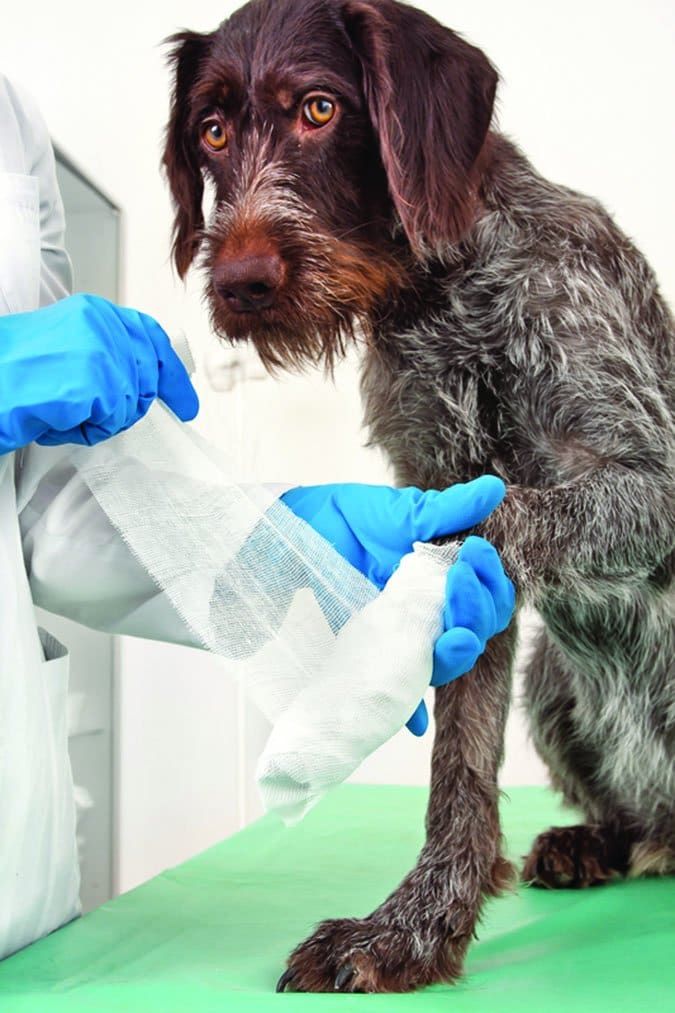
Image Source: cdn.whole-dog-journal.com
First Steps: Assessing the Dog Paw Injury
Before you clean or treat anything, you must stay calm. Your dog will sense your stress. A hurt paw is very painful. Even the sweetest dog might bite when they are hurting.
Safety First When Touching a Hurt Paw
Your dog’s safety, and yours, comes first. Do not rush into examining the paw if your dog is scared or aggressive.
- Muzzle if Needed: If your dog snaps or growls, use a soft muzzle. If you don’t have a muzzle, a strip of cloth or a scarf can work for a short time.
- Get Help: Ask a friend or family member to hold your dog gently but firmly. They can talk softly to the dog.
- Look Closely: Try to see where the pain is coming from. Is it between the pads? On the top of the foot? Is it just a small scrape or a deep slice?
Types of Common Dog Paw Injuries
Not all paw injuries need the same care. Knowing the type helps you choose the right home remedy or when to seek fast vet attention.
- Scrapes and Minor Cuts: These are superficial wounds on the pad surface. They usually stop bleeding quickly.
- Deep Lacerations: These cuts go deep into the skin or muscle. Bleeding might be heavy. This often needs stitches. This is a key situation for canine paw pad laceration treatment by a vet.
- Broken Toenails: A nail might split down to the quick (the sensitive, bloody part). This is very painful and bleeds a lot.
- Burns or Frostbite: Caused by very hot or very cold surfaces. The pads may look red, swollen, or blistered.
- Foreign Objects: Thorns, glass shards, or gravel stuck in the paw.
- Cracked Pads: Often caused by dry weather or too much walking on rough ground. This leads to peeling or deep fissures. This is where treating cracked dog paw pads comes into play.
Treating Minor Wounds: The At-Home Dog Paw Cut Remedy
For small cuts, scrapes, and minor abrasions, you can start treatment at home. Remember, these steps are for simple injuries only.
Dog Paw Wound Cleaning Procedure
Cleaning the wound is the most important step to stop infection. You need to get rid of all dirt, debris, and bacteria.
Materials Needed:
- Mild, sterile saline solution (or warm water mixed with a little salt).
- Antiseptic wash (like Chlorhexidine solution diluted or Betadine, also diluted).
- Clean gauze pads or soft, clean cloths.
- Small scissors (blunt-tipped) to trim hair around the wound if needed.
Cleaning Steps:
- Trim Hair: If there is hair around the wound, carefully trim it away using blunt scissors. This helps keep the wound clean and lets you see it better. Do not cut the hair growing on the pad itself.
- Rinse Thoroughly: Hold the paw under cool, running water for a few minutes to wash away loose dirt.
- Soak (If Possible): Prepare a shallow bowl of warm, diluted antiseptic solution (like iodine or chlorhexidine). Soak the paw for 3 to 5 minutes. This helps lift debris and kills germs.
- Gentle Washing: Use a clean piece of gauze soaked in the antiseptic solution to gently wipe the wound area. Work from the center of the cut outwards. Never scrub hard.
- Final Rinse: Rinse the area again with plain, sterile saline solution. This removes any soap or strong antiseptic residue that could irritate the skin.
- Dry Gently: Pat the area completely dry with a clean, soft towel. Moisture left behind encourages bacteria growth.
Applying Topical Treatments
Once the paw is clean and dry, you can apply a protective layer.
- Antibiotic Ointment: Use an over-the-counter antibiotic ointment made for wounds (check with your vet first to ensure it is safe if the dog licks it). Avoid ointments containing strong pain relievers like benzocaine, as these can irritate and dogs often ingest them.
- Natural Remedies for Dog Paw Sores: Some owners find success with natural aids. Manuka honey (medical grade) has strong healing and antibacterial properties. You can also use products specifically formulated with calendula or aloe vera, which soothe the skin. Apply a thin layer after cleaning.
Protecting the Wound: Bandaging and Preventing Licking
After treating the injury, you must cover it to keep it clean and allow it to heal. Proper bandaging is key to successful dog paw wound care.
How to Apply a Dog Paw Bandage
Bandaging a dog’s paw is tricky because of their shape and movement. It needs to be snug enough to stay on but loose enough not to cut off circulation.
Bandaging Layers (The Three-Layer Wrap):
- Primary Layer (Contact Layer): This layer touches the wound. It can be non-stick gauze, petroleum jelly gauze, or sterile dressing. This keeps the wound moist (good for healing) and prevents the next layer from sticking.
- Secondary Layer (Padded Layer): This is the bulky layer. Use cast padding or thick rolled cotton. This absorbs swelling and protects the foot. Crucially, this layer must not be wrapped too tightly. When wrapping between the toes, use thin strips or skip this layer in the webbing to avoid skin breakdown.
- Tertiary Layer (Outer Protective Layer): This holds everything in place. Use cohesive (self-adhering) vet wrap or stretch gauze. Wrap from the toes up past the wrist joint. Overlap each layer by half. Make sure the wrap is secure but you can still slip one finger easily underneath the top edge.
Important Bandaging Tips:
- Check Toes: Always leave the very top two toes exposed if possible, or at least check them frequently. If they swell, turn blue, or feel cold, the bandage is too tight.
- Change Daily: A bandage should be changed at least once a day, or immediately if it gets wet or dirty.
Dog Paw Licking Prevention
Licking is natural, but saliva contains bacteria. Excessive licking damages healing tissue and can introduce infection. This is a major hurdle in dog paw injury care.
- E-Collars (Cones): The classic plastic cone is often the most effective way to stop licking.
- Soft Collars or Protective Sleeves: Some dogs tolerate soft fabric donuts or inflatable collars better than the hard cone. Protective boots or surgical socks can also cover the paw completely.
- Bitter Sprays: While they sometimes work on fur, dogs often lick right through them when the wound is directly accessible.
Dealing with Specific Injuries
Different injuries need focused treatment plans.
Canine Paw Pad Laceration Treatment
Deep cuts need professional help for closure (sutures or surgical glue). If you must wait to get to the vet, focus on pressure and keeping it clean.
- Apply firm, direct pressure with a clean cloth for 10 minutes straight.
- If bleeding slows, clean gently (as described above) and bandage it snugly.
- Do not try to stitch or glue deep cuts at home.
Treating Cracked Dog Paw Pads
Cracked pads are usually caused by dryness, lack of moisture, or excessive friction.
- Soak: Soak the paws in warm water for 10 minutes to soften the dry skin.
- Exfoliate (Gently): Once soft, very carefully use a fine-grit emery board to smooth down the rough edges of the crack. Do not dig into the healthy skin.
- Moisturize: Apply thick, dog-safe paw balm or pure petroleum jelly several times a day. Use heavily before bed and cover with soft cotton socks overnight if the dog allows it.
Managing Foreign Objects
If you see a small splinter or thorn easily visible right on the surface:
- Clean the area first.
- Use clean tweezers sterilized with alcohol to gently pull the object out, following the angle it entered.
- If the object is embedded deeply, or if you cannot see the end, do not dig. Digging can push it deeper or cause more trauma. When to see vet for dog paw injury definitely includes embedded objects.
Recognizing Infection: Dog Paw Infection Signs and Treatment
Infection can turn a minor scrape into a serious problem quickly. Watch closely for these signs during the healing process.
Signs of Dog Paw Infection:
- Increased Redness and Swelling: The area gets puffier and looks angry red, not just pink.
- Pus or Discharge: Oozing yellow, green, or foul-smelling fluid.
- Heat: The paw feels noticeably warmer to the touch than the other paws.
- Pain Worsens: The dog cries out when the area is touched, even lightly, days after the injury.
- Odor: A bad smell coming from the wound or bandage.
- Lethargy/Fever: The dog stops wanting to eat or play normally.
If you spot any of these signs, you need prompt dog paw infection treatment, which usually involves prescription antibiotics from your veterinarian. Home remedies are not enough once bacteria have taken hold.
Ongoing Care and Rehabilitation
Healing takes time. Most minor scrapes take 5 to 7 days to close up. Deeper cuts can take weeks.
Rest is Essential
A dog’s instinct is to run and play, but activity stresses healing tissue.
- Leash Walks Only: For the first few days, only allow short potty breaks on a leash.
- Restrict Jumping: Keep your dog off furniture and stairs if possible. Carry small dogs.
- Soft Bedding: Ensure the dog rests on clean, soft bedding to avoid irritating the wound.
Post-Bandage Care
Once the vet says the bandage can come off, or after a week if it was a minor cut:
- Continue to wash the area gently once or twice a day with mild soap and water or saline.
- Apply recommended ointments or moisturizers.
- Keep the paw dry, especially before walks.
When to See Vet for Dog Paw Injury: Knowing the Red Flags
While many injuries can be managed at home, some situations demand immediate veterinary attention. Knowing when to see vet for dog paw injury prevents long-term damage.
| Situation | Urgency Level | Why It Needs a Vet |
|---|---|---|
| Bleeding does not stop after 10 minutes of pressure. | EMERGENCY | Need sutures or cauterization to control blood loss. |
| Deep cut exposing white (bone) or tendon (shiny white cord). | EMERGENCY | High risk of deep infection; requires surgical repair. |
| Inability to bear any weight on the paw for more than 12 hours. | Urgent | Could indicate fracture, severe sprain, or deep soft tissue damage. |
| Visible foreign object deeply embedded or stuck between pads. | Urgent | Attempting to remove it can cause serious tearing. |
| Signs of severe infection (pus, extreme heat, fever). | Urgent | Requires prescription antibiotics or drainage. |
| Burn or chemical exposure (licking cleaners, hot asphalt). | Urgent | Needs specific topical medication to manage tissue death. |
If the injury seems minor but shows no improvement after 48 hours of diligent home care, schedule a regular appointment.
Advanced Care: Surgical Options and Pain Management
If the injury is severe, veterinary professionals use advanced techniques for canine paw pad laceration treatment.
Surgical Closure
For deep wounds, the vet will clean, debride (remove dead tissue), and close the wound. They may use fine stitches that dissolve over time or need removal later. Sometimes, a skin graft is needed if a large section of the pad is missing.
Pain Control
Dogs feel pain intensely in their paws due to the dense nerve endings.
- Veterinary Medications: Vets prescribe safe anti-inflammatory drugs (NSAIDs) specific for dogs (like Carprofen or Meloxicam). Never give your dog human pain relievers like Tylenol or Advil; they are toxic.
- Nerve Blocks: During procedures, vets often use local anesthetics to numb the area completely for hours, ensuring comfort immediately following treatment.
Focusing on Prevention
The best paw care is proactive care. Minimize the chances of your dog needing emergency dog paw wound cleaning procedure in the future.
Paw Pad Conditioning
Regular conditioning builds resilience, especially for active dogs or those walking on new terrain.
- Paw Balms: Use high-quality paw wax or balm regularly, especially before winter or summer walks. This acts as a barrier and moisturizer.
- Gradual Exposure: When introducing a dog to new surfaces (like hiking trails), start with short trips and increase distance slowly.
Post-Walk Routine
Make checking the paws a habit every single time your dog comes inside from a long walk or rough play.
- Inspect: Use a flashlight to look between the toes and check the pads for cuts, cracks, or small embedded items.
- Rinse: Quickly rinse the paws with cool water to wash off irritants like road salt or ice melt chemicals.
- Dry: Dry thoroughly, paying special attention to the webbing between the toes, as moisture here causes irritation.
Frequently Asked Questions (FAQ) Regarding Dog Paw Wounds
Can I use hydrogen peroxide on my dog’s paw cut?
No. Hydrogen peroxide is too harsh for wound healing. It kills healthy cells along with bacteria, which actually slows down the healing process. Stick to diluted antiseptic washes like Chlorhexidine or plain saline for cleaning.
How long does it take for a dog’s paw pad to heal?
Minor scrapes or superficial cuts usually close up within 5 to 7 days with good protection. Deeper lacerations requiring stitches or surgery can take 2 to 4 weeks to fully close, and the pad may take months to regain its full toughness.
What is a good natural remedy for dog paw sores that keep reopening?
If sores repeatedly reopen, they likely need veterinary assessment for infection or structural issues. However, for minor irritation, applying a thick layer of medical-grade Manuka honey before bandaging can promote moist healing and fight bacteria naturally. Keep the area clean and dry when not applying treatment.
Why does my dog keep licking a specific spot on its paw even after I bandage it?
Licking is a multi-sensory action for dogs—it can be soothing, exploratory, or simply habitual. If the bandage isn’t completely blocking access, they will find a way. You must use a physical barrier like a cone or a protective boot to stop the dog paw licking prevention behavior effectively until the area is healed enough that the dog loses interest.
Are commercial dog paw antiseptics safe?
Many are safe, but check the label carefully. Solutions containing Povidone-iodine (Betadine) or Chlorhexidine are commonly recommended by vets when properly diluted. Always ensure the product is intended for topical use on open wounds and confirm with your vet if your dog tends to lick treatments off.