
What is the most important first step in training a Search and Rescue (SAR) dog? The most important first step in training a SAR dog is building a strong bond and ensuring excellent basic obedience training for working dogs. This foundation sets the stage for all specialized training to come.
Training a Search and Rescue (SAR) dog is a long journey. It takes time, patience, and a deep bond between the handler and the dog. A successful SAR dog team can save lives. This guide shares proven steps to get your dog ready for real searches.
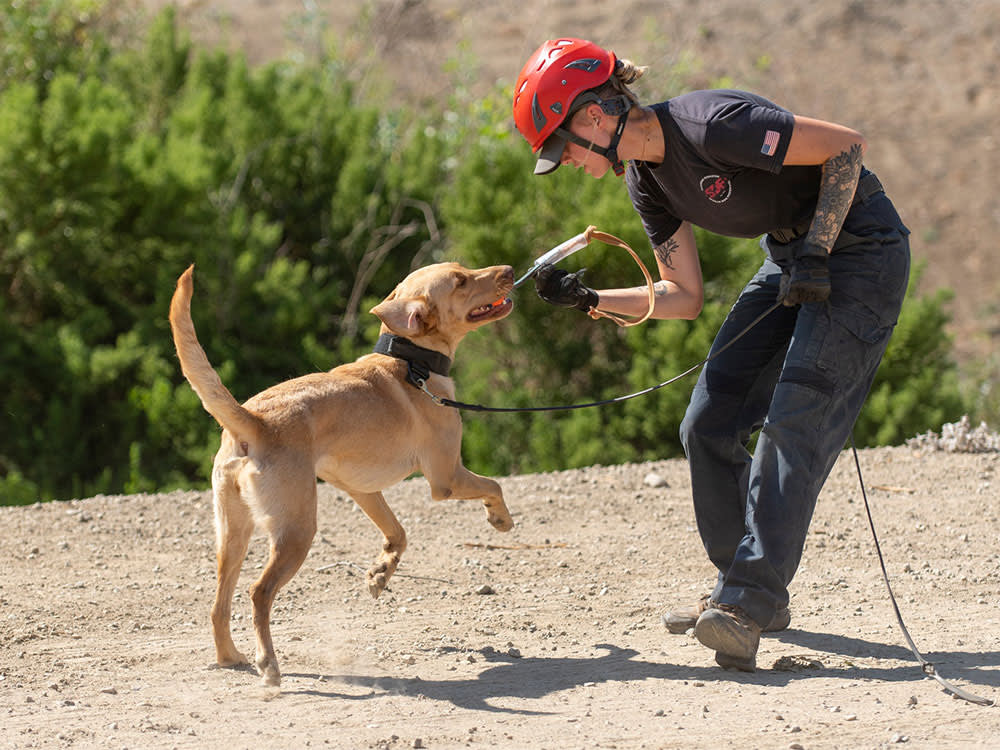
Image Source: images.ctfassets.net
Building the Core Relationship
A SAR dog works because it trusts its handler completely. This trust is the base of all good SAR dog training techniques.
Establishing Solid Obedience
Before any search work starts, the dog must obey every command instantly. This is vital when the dog is working near danger.
- Recall: The dog must come back every single time. No matter what distractions are present.
- Stay/Wait: The dog must hold its position until released. This is key for safety on rough terrain.
- Heel: The dog must walk calmly beside the handler. This is needed when moving through crowds or staging areas.
Use only positive reinforcement in SAR dog training. Keep sessions fun and rewarding. Use high-value treats or favorite toys as rewards. Never punish mistakes. Correct the behavior gently and guide the dog toward the right action.
The Role of Play
Play is a massive motivator for SAR dogs. Many dogs are trained using an “object-guarding” or “toy drive” system. The search find becomes a fun game leading to a huge reward—their favorite toy.
Making the Toy the Best Thing Ever
- Make the toy special. Only use it during training or searching.
- Play short, exciting games. Keep the drive high.
- The dog must learn that finding the “victim” (or the scent article) earns the play.
Starting Scent Detection Training for Search Dogs
SAR dogs use their noses to find missing people. This is called scent work. The dog must learn to identify human scent specifically.
Imprint Training: Linking Scent to Reward
Scent detection training for search dogs starts simply. You need a clear scent article from the person you want the dog to find.
- Scent Articles: Use a clean item the missing person has touched recently. A glove or a hat works well.
- Introduction: Present the article. When the dog shows interest (sniffs it), reward heavily.
- Association: Repeat this. The dog learns: “This smell equals big reward.”
Developing the Search Image
The dog must learn to search for a live human scent, not just the article left behind. This is where training progresses from finding an object to finding a person.
Improving K9 search patterns requires teaching the dog to systematically cover an area.
Grid Searches vs. Line Searches
Different missions require different search patterns.
| Search Type | Description | When to Use |
|---|---|---|
| Grid Search | Dog covers the ground like mowing a lawn, back and forth. | Open areas, thick woods where visibility is low. |
| Line Search | Dog follows a straight line, often tied to a rope or handler. | Near trails, cliffs, or along roadways. |
Handlers must practice these patterns until the dog moves through them without handler direction. The dog should search based on wind direction and scent cone entry.
Advancing to Advanced Tracking Skills for SAR Dogs
Tracking is different from area search. Tracking means following the trail of a specific person over time. This needs very focused nose work.
Understanding Scent Degradation
Scent fades quickly, especially in heat or wind. Advanced tracking skills for SAR dogs involve teaching the dog to stick to the disturbed ground scent (footprints) or the airborne scent trail, even if it is weak.
- Cross-Track Management: If the dog hits a cross-track (a scent trail going a different way), the handler must direct the dog back to the original path without confusion.
- Ground Disturbance: Good tracking dogs learn to follow the subtle changes in the soil left by footsteps.
Blind Tracking vs. Visual Tracking
In real-life scenarios, handlers often cannot see the track.
- Visual Tracking: The handler can see the disturbed ground. This is the starting point.
- Blind Tracking: The handler cannot see the track or the path ahead. The dog must lead the handler solely by scent. This builds massive handler reliance on the dog’s nose.
Handler Preparation: The Unsung Hero
The dog is only half the team. SAR dog handler preparation is just as crucial as training the K9. A handler must be physically fit and mentally sharp.
Physical Fitness
SAR work is exhausting. Handlers carry heavy packs, navigate difficult terrain, and walk for hours. If the handler tires, the dog’s search quality drops because the handler cannot manage the search pattern effectively.
Weather and Environmental Reading
The handler must read the environment:
- Wind: Where is the scent coming from? This dictates the search pattern direction.
- Temperature: Heat makes scent fade faster. Cold, damp air can hold scent longer.
- Terrain: Knowing when to move the dog slowly or quickly is a handler skill.
Mastering Communication
Communication relies heavily on non-verbal cues. The dog reads the handler’s body language.
- Leash Pressure: Subtle shifts in the leash tell the dog where to focus.
- Voice Tone: Calmness reassures the dog, even in stressful situations.
Implementing Specialized SAR Dog Drills
Regular, varied drills keep the dog sharp and prevent burnout. These drills mimic real-life chaos.
Scenario-Based Training
Move beyond simple setups. Introduce elements that mimic actual emergencies.
- Distraction Drills: Train near noisy roads, busy playgrounds, or around emergency vehicles (sirens, flashing lights). The dog must ignore these and focus only on the search task.
- Time Pressure: Practice searches where time is critical. This teaches the dog to work efficiently under stress.
- Varying Find Locations: Hide the “victim” in increasingly difficult spots: high up (tree stand), low down (culvert), or partially hidden by water.
Specialized SAR dog drills should always end on a high note. If a drill goes badly, restart a simple version and give a huge reward.
Achieving Search and Rescue Dog Certification
Certification proves the team meets high national or organizational standards. Search and rescue dog certification is not a one-time event; it requires constant upkeep.
The Certification Process
Most organizations require a minimum number of training hours per month. Certification usually involves three main components:
- Obedience and Agility Test: Proving the dog is controllable in a busy environment.
- Wilderness Search Test: A blind search over a set area within a time limit, finding multiple hidden subjects.
- Disaster or Rubble Test (if applicable): Finding hidden scent in unstable, man-made debris piles.
Passing certification means the team is reliable enough to be deployed on real missions.
Expanding Skill Sets: A Look at Other K9 Roles
While the focus is on SAR, some handlers cross-train dogs in related fields. This is especially true for dogs with very high drive.
Medical Alert Dog Training Overview
While different from SAR, medical alert dog training overview shows how scent work can be applied to health issues.
- Diabetic Alert Dogs (DAD): Trained to smell minute chemical changes in a person’s breath or sweat linked to low or high blood sugar.
- Seizure Response Dogs: Trained to help or alert before a seizure happens.
These roles rely heavily on positive reinforcement in SAR dog training principles, just applied to specific human biomarkers instead of missing persons scent. The foundational obedience remains the same.
Maintaining Peak Performance
A SAR dog is like a top athlete. They need ongoing maintenance.
Annual Re-Certification and Skill Refreshers
If a dog is not deployed often, skills can fade. Handlers must schedule frequent re-certification practice. Focus heavily on pattern work and proofing known weaknesses.
Diet, Health, and Rest
A tired or sick dog cannot smell well.
- Proper Diet: High-quality food supports long hours of physical exertion.
- Veterinary Care: Regular check-ups are vital, especially for older dogs who might develop joint issues that hinder agility on searches.
- Downtime: The dog needs time off the job to be a normal pet. Burnout is a real threat to a working dog’s career.
Deciphering Wind and Scent Dynamics
The wind is the SAR dog’s best friend and worst enemy. Mastering wind reading is crucial for improving K9 search patterns.
Understanding the Scent Cone
A scent trail doesn’t stay still. It moves based on the wind, forming a “scent cone” downwind of the missing person.
- Upwind Search: If the wind is steady, the dog should work perpendicular to the wind, moving upwind until it hits the edge of the scent cone.
- Crosswind Search: When the dog crosses the scent cone, it should turn back toward the downwind direction until the scent is lost, then move over and repeat the crosswind search.
Handlers must learn to “feel” the wind direction using flags, smoke, or specialized instruments. If the handler searches the wrong direction, the dog wastes energy and time.
Table: Sample Weekly Training Schedule (Intermediate Team)
This schedule assumes the team has passed basic obedience and is working toward advanced search skills.
| Day | Focus Area | Duration | Key Activity |
|---|---|---|---|
| Monday | Obedience & Conditioning | 1 hour | Long walk with leash responsiveness drills. |
| Tuesday | Area Search Simulation | 2 hours | Grid search in a medium-density wooded area. |
| Wednesday | Rest/Mental Enrichment | Varies | Puzzle toys, gentle play, handler bonding time. |
| Thursday | Tracking/Line Search | 1.5 hours | Practicing blind tracking over varied, short tracks. |
| Friday | Proofing/Distractions | 1 hour | Search drills near loud noises or heavy foot traffic. |
| Saturday | Full Mission Simulation | 4+ hours | Long search scenario involving multiple finds and terrain changes. |
| Sunday | Rest/Review | Low-key activities | Reviewing video from Saturday’s search; light obedience. |
Frequently Asked Questions (FAQ)
How long does it take to train a SAR dog?
Training a reliable, fully operational SAR dog usually takes between 18 months to 3 years of consistent, dedicated work. The dog must be fully mature before final certification, often around two years old.
What breeds make the best SAR dogs?
Many breeds excel, but the most common and successful breeds include German Shepherds, Belgian Malinois, Labrador Retrievers, and Golden Retrievers. The key factor is the dog’s drive, work ethic, and physical health, not just the breed.
Can I train my SAR dog without professional help?
While dedication and study can take you far, professional guidance is strongly recommended. Trainers experienced in search and rescue dog certification can spot subtle errors in tracking or scent discrimination that a new handler might miss. Professional guidance helps secure success during official testing.
What is the difference between a trailing dog and an area search dog?
A trailing dog follows the specific scent path of one person (tracking). An area search dog sweeps a general area to locate any human scent present, without focusing on one specific trail. Both are vital SAR specialties.