
What is heeling? Heeling is when your dog walks right beside you, staying close to your leg, without pulling on the leash. Can I teach my dog to heel? Yes, absolutely! With practice, any dog can learn to walk nicely beside you.
Perfect leash walking is one of the most important skills you can teach your dog. It makes walks safe, fun, and relaxing for both of you. Dealing with a dog that constantly pulls on the leash can turn a nice stroll into a tug-of-war. This guide will walk you through everything you need to know about dog leash training and achieving true loose-leash walking. We will focus on positive methods to make sure your dog enjoys learning.
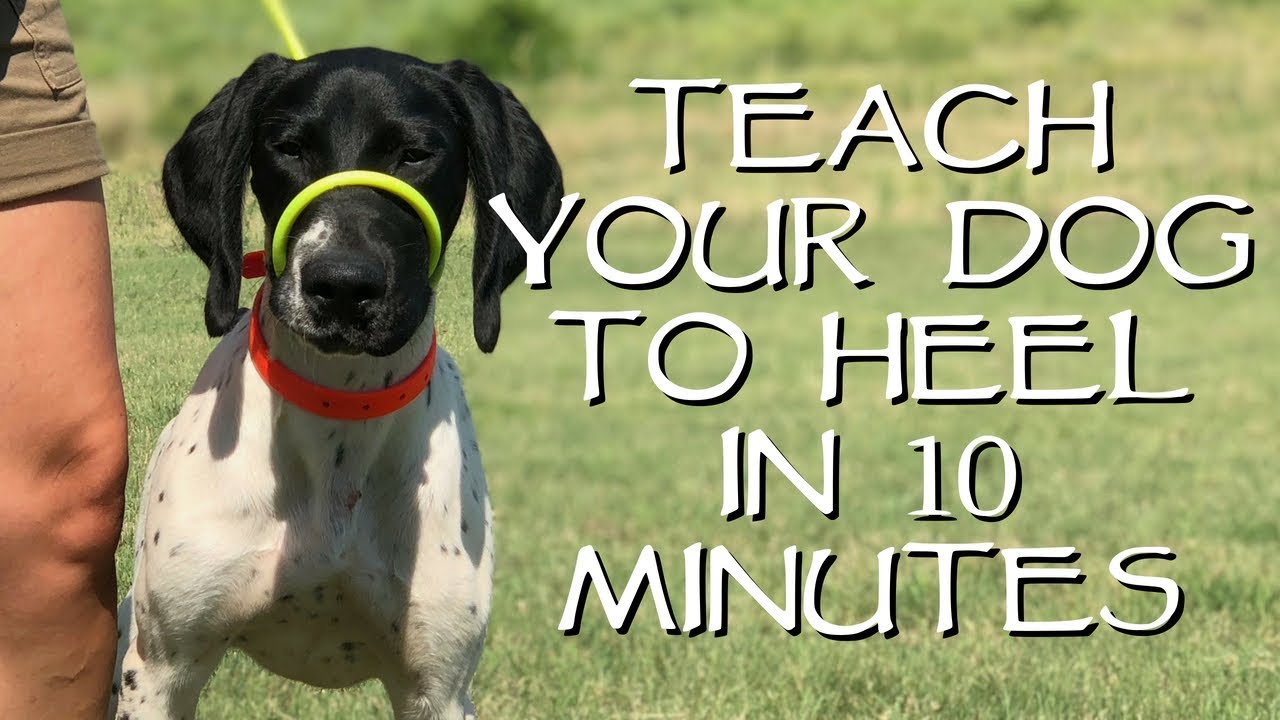
Image Source: i.ytimg.com
The Basics of Good Leash Manners
Before diving into the steps, we must set the stage for success. Good heeling starts with the right gear and the right mindset.
Gear That Makes a Difference
Choosing the right equipment is the first step in dog leash training. A standard flat collar might work for some dogs, but when teaching a strong puller, you might need tools that offer more control without causing pain.
| Equipment Type | Best For | Notes |
|---|---|---|
| Standard Leash (4-6 ft) | Already trained dogs, short commands | Good for control in busy areas. |
| Front-Clip Harness | Dogs that pull moderately | Clip the leash to the chest ring. It gently turns the dog toward you when they pull. |
| Head Halter (Gentle Leader) | Strong pullers, focused training | Gives control over the dog’s head. Needs slow introduction so the dog accepts it. |
| Flat Collar | Only for dogs that rarely pull | Simple neck collar. Not recommended for heavy pulling correction. |
Avoid tools that rely on pain, like choke chains or prong collars, especially when starting out. We use positive methods here.
Setting the Right Environment
Start training in a quiet area. Your living room or a very quiet backyard is perfect. Low distraction means high success early on. As your dog gets better, slowly add in more noise and movement. This helps with generalization—making sure your dog listens everywhere, not just at home.
Phase 1: Introducing the Concept of Walking Beside Me
The goal here is teaching dog to walk beside me without any pressure on the leash. We want the leash to stay slack, or “loose.”
Making the Leash “Go Away”
Many dogs learn that the leash means tension and restriction. We need to change that view.
- Leash On, No Pressure: Put the leash and harness/collar on your dog while you are inside playing or giving treats. Let them walk around with the leash dragging, under supervision. This makes the gear normal.
- Treat Association: Hold a high-value treat near your dog’s nose. Take one step. If the dog moves with you, treat and praise them right by your side. If they stop or pull ahead, stop walking immediately. Wait for them to look back, then try again.
This phase focuses purely on making movement synchronized.
Using Lures and Rewards
Luring helps guide your dog to the right spot initially.
- Hold a treat in your hand. Keep your hand right next to your thigh, where you want your dog’s head to be.
- Take a few steps. Your dog should follow the treat.
- When they are in the perfect spot (shoulder next to your knee), say “Yes!” or click your clicker, and give the treat.
- Repeat this. Keep sessions short—five minutes max at this stage.
Remember, positive reinforcement dog heel means rewarding the desired position, not punishing the wrong one.
Phase 2: Introducing the “Heel” Cue and Position
Once your dog moves easily beside you for a few steps, it’s time to add the actual command.
The Heel Command Training Steps
We break down the heel command training steps into small, achievable chunks.
Step 1: Marking the Spot
Decide which side you want your dog to heel on (usually the left). Stand still. Hold the treat next to your left thigh. Say your chosen cue clearly, like “Heel.”
Step 2: The Movement
As you say “Heel,” start moving forward. Keep your hand with the treat near your leg. Your dog should step into position to follow the lure.
Step 3: The Reward
Take three to five steps perfectly in sync. Stop. Reward your dog heavily right in that perfect heeling spot. Praise them a lot.
Step 4: Adding Duration
Gradually increase the number of steps before you reward. Start with three steps, then five, then seven. If your dog breaks position before you reward, simply stop, reset, and try again with fewer steps next time. Never continue walking if they are pulling or lagging behind when you are asking for a heel.
The Importance of Consistent Leash Pressure Dog Training
When teaching heeling, many trainers use very light, consistent leash guidance. This is part of consistent leash pressure dog training, but it must be gentle.
- When teaching “Heel,” the leash should have no tension. It should be draped loosely.
- If the dog moves ahead of the perfect spot, the moment they create tension, you stop instantly. Wait for the leash to go slack again (this usually means the dog turns back to see why you stopped).
- The instant the leash loosens, you start walking forward again, often repeating the “Heel” cue.
The rule is simple: Movement happens only when the leash is loose and the dog is near your leg. Stop happens when tension occurs.
Phase 3: Dealing with Distractions and Correcting Pulling
This is where most people struggle. The real world is full of smells, squirrels, and other dogs—major distractions!
Correcting Pulling on the Leash: The Stop-and-Go Method
The most effective way for correcting pulling on the leash without harsh correction is the “Be a Tree” method.
- Dog Pulls: The second your dog tightens the leash, stop moving immediately. Become a statue. Do not yank or talk to the dog.
- Wait for Slack: Wait patiently until the dog realizes they can’t move forward. They might look back, sit, or simply relax the tension. The moment the leash goes slack, resume walking forward instantly.
- Reward Success: If you take even one or two steps slackly after stopping, praise them!
If your dog pulls constantly, you will be stopping every two seconds. This is frustrating but necessary. It teaches the dog: Pulling stops progress. Slack leash equals movement.
Introducing Directional Changes
If your dog races ahead, changing direction forces them to pay attention to you to keep up.
- If the dog pulls forward, pivot sharply (180 degrees) and walk the other way, saying “Heel.”
- If they stay glued to your side during the turn, reward them lavishly.
- These sharp turns keep the dog focused on your body’s position rather than the environment ahead.
Utilizing Dog Heeling Training Aids
For dogs that are highly driven by scent or sight, specialized dog heeling training aids can bridge the gap between theory and reality.
- Short Leashes: Use a shorter 4-foot leash during early distraction training. This physically limits how far ahead they can get before you can react.
- Tug Toys/High-Value Treats: Reserve the absolute best treats (like tiny bits of cheese or cooked chicken) only for high-distraction heeling.
Phase 4: Proofing and Advancing the Skill
Proofing means practicing the skill in many different places with many different distractions. This moves you from simple walking to true heeling.
Moving to New Environments
Always start small when proofing.
- Low Distraction Indoors: Mastered (Good!).
- Low Distraction Outdoors (Quiet Street/Empty Park): Practice the basic “Heel” command.
- Medium Distraction (Park with few people): Increase the distance you ask for before rewarding.
- High Distraction (Busy Sidewalk): Expect regressions. Be prepared to go back to rewarding every step if needed.
If your dog fails in a new area, it doesn’t mean they forgot the command; it means the environment is too hard right now. Go back a step in difficulty.
Fading the Lure and Treats
You cannot carry a treat forever. You must fade the lure quickly.
- Lure to Hand Signal: Once your dog follows the treat for 10 steps, start holding your empty hand where the treat was. Reward from your other hand or pocket after they complete the distance. The hand position becomes the visual cue.
- Treat Frequency: Move from rewarding every 5 steps to rewarding every 10, then every 20. Eventually, you reward randomly (intermittent reinforcement). Sometimes they get a treat for two steps, sometimes for twenty. This keeps them guessing and motivated!
Teaching Off-Leash Heeling Techniques
True mastery comes with off-leash heeling techniques. This is only safe once your dog has 100% reliable recall and excellent leash manners in all environments.
Off-leash heeling is the same as on-leash heeling, but without the physical connection. You must rely entirely on your verbal cue (“Heel”) and the dog’s desire to stay near you.
- Practice in a Secure Area: Use a long line (20-30 feet) in a fenced area. Work on the “Heel” command with the line just dragging, not held.
- Check-Ins: Reward frequently for checking back in with you. If they wander too far, use a gentle recall cue (“Come!”), and when they return, immediately cue “Heel” and reward heavily for getting back into position.
- Remove the Line: Once they are perfect with the long line dragging, remove it completely in a safe, enclosed space.
When to Seek Professional Guidance
While most owners can teach great loose-leash walking with patience, some situations require expert help.
Recognizing When to Call an Expert
If you are experiencing any of the following, it might be time for professional dog obedience training:
- Your dog shows aggression or extreme reactivity when they pull (lunging, barking).
- You have tried positive methods consistently for weeks with no visible improvement.
- You have a very large, powerful breed, and you feel unsafe managing their pulling.
- Your dog is leash trained indoors but totally ignores you outside, regardless of reward value.
A certified trainer can assess your specific situation, identify subtle issues you might be missing, and customize a training plan for you and your dog.
Common Pitfalls in Leash Training
Avoid these common mistakes to keep your training moving forward smoothly.
Mistake 1: Continuing to Walk While Pulling
This is the biggest error. If you move forward when the dog is pulling, you are rewarding the pull. You are teaching them that pulling makes them get where they want to go faster. Always stop dead when tension occurs.
Mistake 2: Inconsistent Cues or Location
Using “Heel” one day and “Walk nicely” the next confuses the dog. Be specific with your cue. Also, if the dog only heels in the quiet living room, they haven’t truly learned the skill yet. Inconsistency kills progress.
Mistake 3: Using the Wrong Reward
If your dog pulls past a squirrel to get to you for a dry biscuit, the biscuit is not high enough value. You must use something they value more than the squirrel in that moment. Experiment to find their ultimate jackpot reward.
Mistake 4: Training Too Long
Dogs (especially puppies) have short attention spans. Training sessions should be short (5-10 minutes) and end on a high note, while the dog is still eager to work. Long, frustrating sessions lead to burned-out owners and confused dogs.
Summary of Perfect Leash Walking Principles
Heeling is not a single event; it’s a series of small, repeated positive choices by the dog, reinforced by you.
| Principle | Action Summary | Keywords Reinforced |
|---|---|---|
| Management | Use the right gear (front-clip harness often helps). | Dog heeling training aids |
| Foundation | Reward heavily when the dog is in the correct position beside you. | Positive reinforcement dog heel |
| Correction | Stop moving immediately when pulling starts. Wait for slack. | Correcting pulling on the leash |
| Progression | Start easy and slowly add distractions. | Dog leash training, Loose-leash walking |
| Mastery | Practice everywhere and fade treats gradually. | Teaching dog to walk beside me, Heel command training steps |
Frequently Asked Questions (FAQ)
Q: How long does it take to teach a dog to heel?
A: It varies greatly by breed, age, and commitment. A young puppy might grasp the basic concept in a few weeks of short daily sessions. Achieving reliable heeling in distracting environments can take many months of consistent practice.
Q: Should I ever yank the leash?
A: No. In modern, positive dog leash training, yanking is counterproductive. If you need immediate guidance, use a gentle leash adjustment that guides the dog back to your side, followed immediately by a reward if they comply. If you need significant control, focus on equipment changes first (like a front-clip harness).
Q: My dog only heels when I have food in my hand. What now?
A: This is normal! It means you need to start “fading the lure.” Start holding your hand where the food would be, but reward from your other hand or pocket after a few steps. Then, start rewarding randomly rather than every time. This builds anticipation and relies on you, not just the visible treat.
Q: Can I use a clicker for heeling?
A: Yes, a clicker is an excellent tool. It marks the exact second your dog is in the perfect heel position, which is much more precise than saying “Good!” You use the clicker immediately when the dog is right beside you, followed by delivering the treat.
Q: What is the difference between loose-leash walking and heeling?
A: Loose-leash walking means the dog walks next to you without pulling, but they can meander slightly. Heeling is a precise, formal position where the dog’s shoulder is locked exactly beside your knee, often used in obedience or when passing high distractions. You must master loose-leash walking first before demanding strict heeling.