
Can a dog catch a cold like a human? Yes, dogs can catch colds, though what people often call a “dog cold” is usually a mild upper respiratory infection. These infections are generally caused by viruses or bacteria that affect the dog’s nose, throat, and airways. Knowing the signs is key to helping your furry friend feel better faster.
When your dog seems a bit under the weather, it’s natural to worry. Many owners ask how to tell if their dog has a cold. While dogs don’t get the exact same cold virus as people, they do get similar illnesses that share many signs. Spotting these early signs is the first step toward getting your pet the right care. This guide will help you look for common symptoms and know when it is time to call the vet.
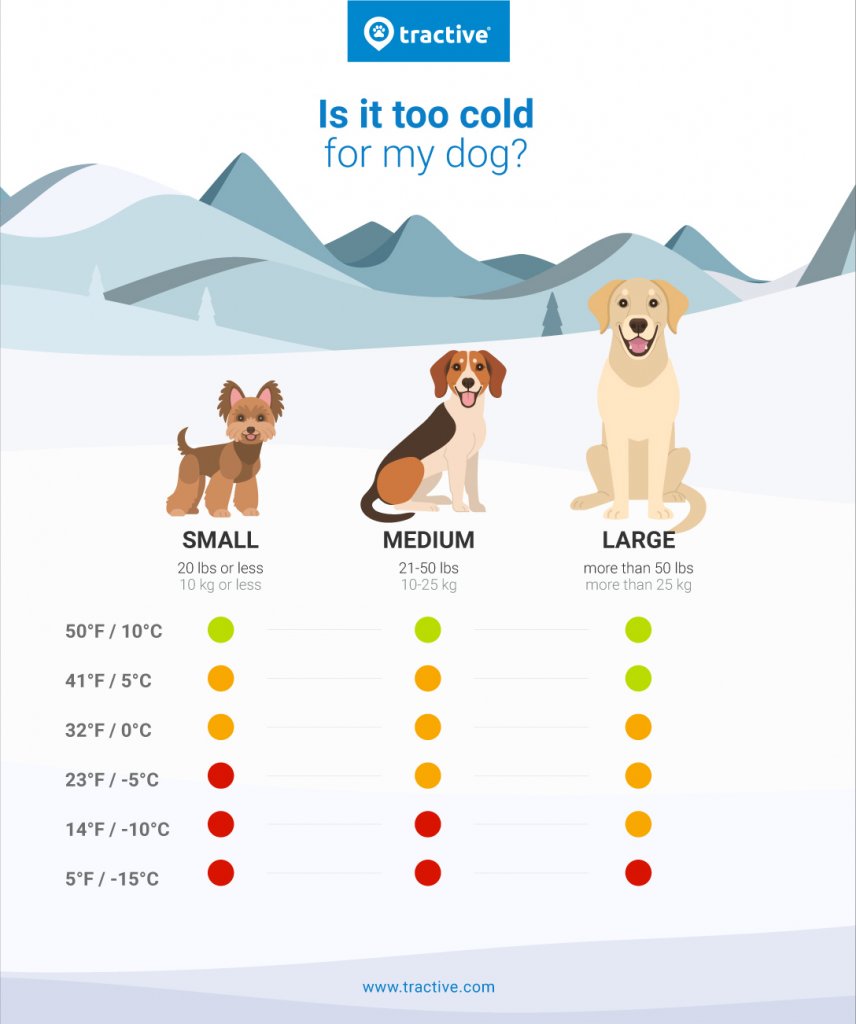
Image Source: tractive.com
Deciphering Common Canine Cold Symptoms
If your dog has a mild respiratory infection, you might see a few key signs. These symptoms often look a lot like when a human catches a common cold. Paying close attention to your dog’s daily habits will help you spot these changes quickly.
Dog Sneezing and Coughing
Sneezing is often one of the very first things an owner notices. A dog might sneeze suddenly and repeatedly, just like a person does when irritated or sick.
- What to look for: Frequent, sudden bursts of air out of the nose.
- Coughing types: Sometimes the cough sounds dry and hacking. Other times, it might sound a bit wet or congested. A harsh, honking cough can sometimes point toward kennel cough, which is highly contagious.
Nasal and Eye Discharge
Changes in what comes out of your dog’s nose and eyes are big clues. These are often very clear canine respiratory infection symptoms.
Dog Watery Eyes and Nose
When a dog first gets sick, the eyes and nose might just leak clear fluid. This is very much like the beginning of a human cold.
- Watery Eyes: The eyes might look watery, slightly red, or they might blink a lot.
- Runny Nose: The nose may drip clear mucus frequently.
Dog Nasal Discharge Color Changes
The color of the discharge tells a lot about how long the infection has lasted or if a secondary bacterial infection has started.
| Discharge Color | Possible Meaning | When to See the Vet |
|---|---|---|
| Clear and Watery | Early stage of infection, irritation, or allergies. | If it lasts more than a few days. |
| Thick White or Yellow | Increased white blood cells fighting infection. | Soon, as this suggests bacterial involvement. |
| Thick Green | Strong sign of bacterial infection. | Immediately for professional care. |
| Bloody (Pink or Red) | Trauma, severe irritation, or very deep infection. | Always seek prompt veterinary advice for dog cold issues that include blood. |
Changes in Energy and Eating Habits
When a dog feels sick, their whole routine changes. These shifts are important signs of a sick dog.
Dog Lethargy and Loss of Appetite
A sick dog usually doesn’t want to play. They might sleep more than usual.
- Lethargy: This means they are tired, slow to get up, or uninterested in walks or playtime. They just want to rest.
- Loss of Appetite: If your dog skips a meal or eats much less than normal, it is a serious sign. Sick dogs often don’t smell their food well, which reduces their desire to eat.
Distinguishing a Simple Cold from More Serious Illnesses
Not every sneeze means a simple cold. Many serious dog illnesses share cold symptoms. Knowing the difference helps you act fast.
Fathoming Canine Flu Symptoms in Dogs
The canine flu (Dog Influenza) is a highly contagious respiratory disease. While it presents like a bad cold, it can be more severe and even cause pneumonia.
| Symptom | Dog Cold (Mild Infection) | Canine Flu (More Serious) |
|---|---|---|
| Fever | Mild or none | Often a high fever (over 103°F). |
| Cough | Mild, occasional, maybe wet. | Persistent, deep, often severe cough. |
| Energy Level | Slightly low, still interested in toys. | Very low energy, true dog lethargy and loss of appetite. |
| Recovery Time | A few days to a week. | Can take two weeks or longer, requires vet care. |
If you see sudden, widespread illness in your household or recent exposure to kennels/daycare, strongly consider the possibility of canine flu symptoms in dogs.
When to Suspect Kennel Cough
Kennel cough (Infectious Tracheobronchitis) is another common cause of coughing. It is highly contagious and spreads easily in social dog settings.
- The hallmark sign is a sudden, harsh, dry cough that sounds like the dog is trying to clear its throat or is gagging.
- It often gets worse after exercise or excitement.
How Long Does a Dog Cold Last?
A typical, mild viral infection that resembles a human cold usually runs its course relatively quickly. Knowing how long does a dog cold last can ease your worries.
For a simple cold, you should expect symptoms to peak within the first three to five days. Most dogs start improving noticeably within seven days. If symptoms persist beyond ten days, or if they worsen after appearing to improve, it’s crucial to seek professional help. Lingering symptoms often mean a secondary bacterial infection has taken hold or the initial virus was more severe.
Seeking Professional Help: When to Call the Vet
While mild colds can often be managed at home, knowing when to seek professional care is vital for your dog’s safety. Always err on the side of caution if you are concerned.
Veterinary Advice for Dog Cold Management
Your vet will perform a physical exam to check your dog’s temperature, listen to their chest, and assess their breathing. They might swab the throat or nose if they suspect something like the flu or severe bacterial infection.
- Diagnosis: The vet confirms if it is a mild cold or something needing specific treatment.
- Treatment Plans: For simple colds, supportive care is recommended. For bacterial infections or flu, they might prescribe antibiotics (to treat secondary infections, not the virus itself) or antiviral medications.
Call the vet immediately if you notice:
- Difficulty breathing (short, shallow breaths or heavy panting when resting).
- Thick, colored discharge (green or yellow) lasting more than 48 hours.
- Complete refusal to drink water for over 24 hours (risk of dehydration).
- High fever (rectal temperature above 103.5°F).
- Severe lethargy where the dog won’t move or react to you.
Treating a Dog’s Cold at Home: Supportive Care Tips
If your vet confirms it is just a mild cold, the focus shifts to comfort and supportive care. Treating a dog’s cold at home centers on rest, hydration, and keeping airways clear.
Promoting Rest and Comfort
Rest is the most important medicine for any viral infection.
- Quiet Space: Keep your dog in a calm, warm, draft-free area away from household traffic.
- Limit Activity: No strenuous walks or rough play until they are fully recovered. Short, gentle potty breaks are fine.
Keeping Airways Clear
A stuffy nose makes it hard to breathe and smell food, leading to dog lethargy and loss of appetite.
The Power of Steam Therapy
Steam helps loosen mucus in the nose and chest.
- Take your dog into the bathroom while you run a hot shower.
- Close the door and sit with your dog for 10 to 15 minutes, two to three times a day.
- Do not put the dog directly in the hot water; they just need to breathe the moist air.
Cleaning Discharge
Gently wipe away dog watery eyes and nose discharge with a soft, warm, damp cloth. Use a separate cloth for the eyes and nose to prevent spreading germs.
Encouraging Hydration and Eating
Hydration is non-negotiable when a dog is sick.
- Water Access: Ensure fresh, clean water is always available.
- Warming Food: Slightly warming wet or canned food enhances the smell. A stronger smell encourages them to eat, even with a blocked nose.
- Bland Diet: If your dog is reluctant to eat their regular food, try offering plain, boiled, skinless chicken mixed with a little boiled white rice. Offer small amounts frequently rather than one large meal.
Medications to AVOID Without Vet Approval
Never give your dog human cold medicines like Tylenol (acetaminophen) or Advil (ibuprofen). These are highly toxic to dogs and can cause severe organ damage or death. Only administer medications prescribed by your veterinarian.
Prevention Strategies for Respiratory Illnesses
The best way to deal with a dog cold is to prevent it from happening in the first place. Prevention is key, especially for highly contagious canine respiratory infection symptoms.
Vaccination Status
Ensure your dog is up to date on core vaccines and any recommended non-core vaccines. Vaccines are available for some serious respiratory threats, such as Canine Influenza and Bordetella (a major component of kennel cough).
Managing Exposure
If you know there is a respiratory outbreak in your area, or if you use high-traffic dog facilities, take extra precautions:
- Avoid dog parks, boarding facilities, or group training classes temporarily.
- If boarding is necessary, choose facilities with excellent ventilation and strict hygiene protocols.
- Wash your hands thoroughly after handling other dogs.
Good Hygiene at Home
Regularly clean your dog’s bowls, toys, and bedding. If one dog gets sick, clean shared items frequently to avoid passing the illness around your home.
Frequently Asked Questions (FAQ)
Can I catch a cold from my dog if it has one?
Generally, no. The viruses and bacteria that cause respiratory illness in dogs are usually species-specific, meaning they do not transfer easily to humans. While it’s always good practice to wash your hands after tending to a sick pet, the risk of catching a “dog cold” is extremely low.
What if my dog’s cough sounds like a honk?
A distinctive, harsh, honking cough is the classic sign of Kennel Cough. This infection often requires veterinary advice for dog cold care, as it is highly contagious and sometimes needs specific cough suppressants or antibiotics if a secondary infection develops.
Is it safe to give my dog honey for a cough?
A small amount of plain honey can sometimes help soothe a dry, irritating cough in dogs, as it coats the throat. However, this should only be done sparingly, and only if your dog does not have underlying conditions like diabetes. Always check with your vet first before trying any home remedies.
Why is my dog refusing food when they have a cold?
When a dog’s nose is congested, their sense of smell is severely limited. Since dogs rely heavily on smell to determine if food is appealing, a blocked nose often leads directly to a dog lethargy and loss of appetite. Warming the food can help release aromas and encourage eating.
Can my dog still go for a short walk if they have a cold?
Yes, very short, gentle walks for bathroom breaks are usually fine, provided your dog has energy. However, if the walk causes heavy panting or a severe coughing fit, stop immediately. Excessive activity can delay recovery from any illness, so keep exercise very limited until how long does a dog cold last is over and they are back to normal energy levels.