
If you suspect your dog is bleeding internally, seek immediate veterinary care; time is critical in these emergencies. Recognizing the signs of internal bleeding in dogs is vital for a prompt response. Internal bleeding, also known as hemorrhage, occurs when blood leaks from blood vessels inside the body. This can range from minor leakage to massive loss, both posing serious threats to your pet’s life.
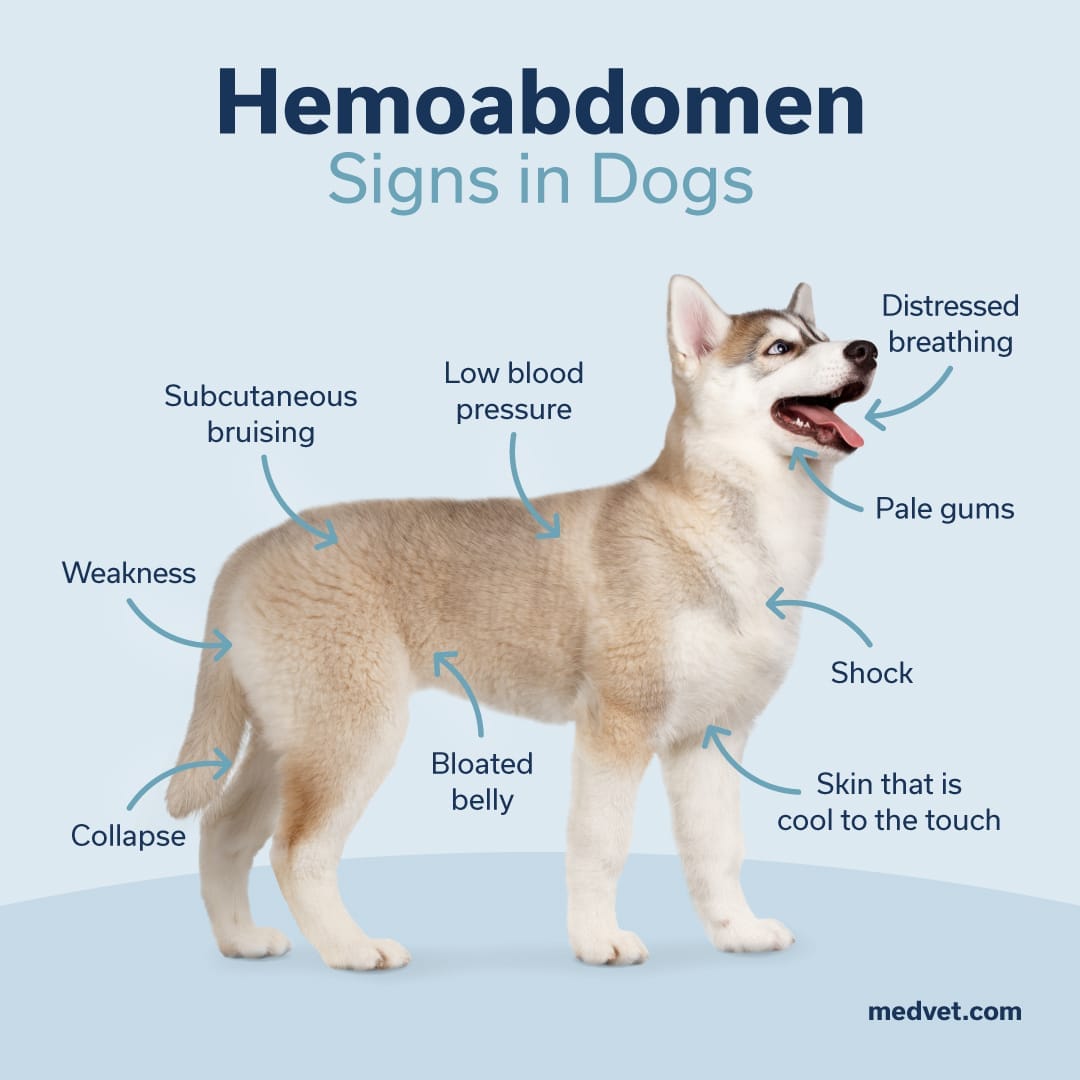
Image Source: cdn.medvet.com
Grasping Canine Internal Hemorrhage
Internal bleeding happens when damage occurs inside the body, stopping blood from leaving through a visible wound. Blood pools in body cavities like the chest (thorax) or belly (abdomen). This loss reduces the volume of blood circulating. When circulation drops too low, organs do not get enough oxygen. This can quickly lead to shock and death if not treated fast.
Common Canine Internal Bleeding Causes
Several things can cause a dog to bleed inside. Knowing these causes can sometimes help you guess what happened.
- Trauma: This is a big one. Car accidents, hard falls, or being hit by something can cause severe internal damage. This often leads to internal trauma signs in canines.
- Cancer: Certain tumors, especially those involving the spleen or liver, can rupture and bleed heavily.
- Toxins: Rat poison (rodenticides) often works by stopping blood from clotting. This leads to widespread bleeding, making it a classic cause of dog internal hemorrhage symptoms.
- Blood Clotting Disorders: Some dogs have diseases that prevent their blood from clotting normally.
- Organ Rupture: Extreme physical stress or disease can lead to symptoms of dog organ rupture. For example, a tear in the spleen or liver.
- Aortic Thrombus (Saddle Thrombs): While often related to heart disease, this condition can cause severe bleeding or severe pain leading to collapse.
Spotting the Signs of Internal Bleeding in Dogs
Many times, internal bleeding hides itself well. It is often called “occult bleeding” when it is not easily seen. However, your dog will show other signs that something is deeply wrong. Early recognition is key.
Physical Changes to Look For
The physical signs relate mainly to blood loss and the body’s reaction to low blood volume.
Gum Color Changes
Checking your dog’s gums is one of the most important steps. Healthy gums should be moist and pink, like a healthy human’s gums.
- Dog pale gums internal bleeding is a major red flag. Gums that look white, very pale pink, or even bluish indicate severe anemia from blood loss. Press your finger gently on the gum tissue. The spot should turn white briefly, then pink should return quickly (in less than two seconds). If the color stays white or takes a long time to return, your dog is losing blood fast.
Breathing Difficulties
If blood leaks into the chest cavity, the lungs cannot expand fully.
- Fast, shallow breathing (panting when resting).
- Labored breathing, making the dog work hard just to get air.
- Gasping or open-mouth breathing without exercise.
Changes in Abdomen Appearance
If bleeding occurs in the belly, the abdomen might change shape.
- The belly may look swollen or tight (distended).
- The dog might show pain when you gently touch the belly area.
Behavioral and General Symptoms
Beyond physical appearance, your dog’s mood and actions will change drastically. These are general dog internal hemorrhage symptoms.
- Weakness and Lethargy: The dog seems extremely tired, moves slowly, or cannot stand up. This is often the first noticeable sign.
- Collapse or Fainting: Sudden collapse is a dire sign that blood pressure has dropped too low.
- Restlessness or Agitation: Some dogs become very anxious, pacing or unable to settle down because they feel unwell.
- Vomiting or Diarrhea: If the stomach or intestines are bleeding, you might see blood in vomit (red or “coffee grounds” look) or stool (dark, tarry stools indicating digested blood, or bright red blood).
- Increased Heart Rate: The heart beats faster to try and move the remaining blood volume around the body quickly.
Recognizing Occult Bleeding in Dogs
Recognizing occult bleeding in dogs means spotting subtle signs. Occult bleeding means slow, steady blood loss that doesn’t cause immediate collapse. Signs might include:
- Chronic fatigue or exercise intolerance over several days.
- Mildly pale gums that only become noticeable when stressed.
- Weight loss over time without a clear dietary change.
The Danger of Dog Shock from Internal Bleeding
When enough blood is lost internally, the dog enters a state of shock. Dog shock from internal bleeding is a life-threatening emergency. Shock happens when the body cannot deliver enough oxygen to its vital organs.
Key signs of shock include:
| Sign | What It Means |
|---|---|
| Low Body Temperature | Cool ears and paws. |
| Weak Pulse | Hard to feel the heartbeat or pulse in the leg. |
| Dull Eyes | Eyes look sunken or glazed over. |
| Rapid, Shallow Breathing | The body desperately tries to pull in more oxygen. |
| Extreme Lethargy | Inability to respond to commands or stimuli. |
If you see these signs along with any suspected internal injury, the situation is dire.
Steps to Take If Dog Is Bleeding Internally
The crucial element here is speed. If you suspect signs of internal bleeding in dogs, you must act immediately. Do not wait to see if things improve.
Immediate First Aid (While Preparing for the Vet)
What to do if dog is bleeding internally requires minimizing movement and maximizing transport speed.
- Stay Calm: Your panic will scare your dog more. Keep your voice soothing.
- Limit Movement: If the dog is conscious, move them as little as possible. Movement can worsen internal damage.
- Support the Body: Gently slide a blanket or large towel underneath the dog. Use this like a stretcher to carefully lift and move them into the car. Keep their head slightly elevated if possible, but do not force it.
- Maintain Body Heat: Cover the dog lightly with a blanket. Shock makes dogs cold, and keeping them warm supports circulation.
- Call Ahead: As soon as you realize the severity, call your regular veterinarian or the nearest emergency vet for dog internal bleeding. Tell them you are coming and suspect internal hemorrhage so they can prepare the team and equipment (like IV catheters and blood typing kits).
What Not to Do
- Do not give any human pain medications (like Ibuprofen or Tylenol). These can worsen bleeding or damage kidneys.
- Do not attempt to give large amounts of water or food, especially if the dog seems nauseous or weak.
- Do not poke or prod the abdomen to find the source of the bleeding.
Fathoming the Veterinary Diagnostic Process
Once you arrive at the clinic, the veterinary team will move quickly to stabilize the dog. Treatment often focuses on controlling the bleed and treating shock.
Emergency Stabilization
The very first priority is supporting the cardiovascular system.
- IV Fluids: Large-bore intravenous (IV) catheters will be placed. Fluids are given rapidly to boost blood volume and blood pressure.
- Blood Transfusion: If anemia is severe (indicated by pale gums), a blood transfusion may be necessary immediately. The vet will check the dog’s blood type if it is known, or use universal donor blood if time is short.
- Oxygen Therapy: Oxygen is administered to ensure the brain and vital organs get enough oxygen despite the low blood count.
Pinpointing the Source of Bleeding
After initial stabilization, the vet needs to locate where the blood is coming from. This helps determine the necessary surgery or medical treatment.
Diagnostic Tools
- Physical Exam: The vet will thoroughly check pulses, listen to the heart and lungs, and palpate the abdomen to feel for fluid or masses.
- Blood Tests: A complete blood count (CBC) shows how low the red blood cell count is. Coagulation panels check if the blood is clotting properly.
- Radiographs (X-rays): X-rays can show large amounts of fluid in the chest or abdomen, or reveal fractures or masses that might be the source of the bleed.
- Ultrasound: This is often the fastest way to see free fluid and identify the source organ, such as the spleen or liver, which might show signs of trauma or masses.
Medical Versus Surgical Management
The treatment plan depends entirely on the cause and location of the internal bleeding.
Surgical Intervention
If the bleeding is from a ruptured organ (like the spleen), or from a tumor that has burst, surgery is usually required to stop the source of the hemorrhage.
- Exploratory Laparotomy: The surgeon opens the abdomen to find and repair or remove the damaged tissue. This is high-risk, especially if the dog is in shock, but it is often the only way to save the dog’s life.
Medical Management
If the bleeding is widespread due to clotting problems (like poison ingestion), surgery may not fix the core issue.
- Vitamin K Therapy: If anticoagulant rodenticide poisoning is suspected, high doses of Vitamin K are given to help the liver restart clotting factor production.
- Clotting Factor Replacement: In cases of severe clotting disorder, specific blood products might be given to temporarily restore the body’s ability to clot.
Focusing on Internal Trauma Signs in Canines
When trauma is suspected (e.g., the dog was hit by a car), the veterinarian must look for evidence of damage beyond just the obvious external wounds. Internal trauma signs in canines can be subtle.
- Chest Trauma: Damage to the lungs or major blood vessels in the chest causes blood to fill the space around the lungs (hemothorax). This leads to severe, non-productive coughing and rapid breathing.
- Abdominal Trauma: Damage to organs like the liver, spleen, or kidneys causes blood to fill the belly (hemabdomen). This leads to a distended abdomen and signs of internal blood loss (pale gums, shock).
A dog that seems okay minutes after a minor incident can crash hours later as internal bruising swells or a small tear widens. This delayed presentation makes monitoring critical after any known impact.
Preventing Future Crises
Prevention plays a role in avoiding many canine internal bleeding causes.
- Secure Environment: Keep your dog leashed or securely fenced. Prevent access to roads and areas where they could fall from heights.
- Toxin Control: Store all household chemicals, cleaners, and especially rodenticides in areas inaccessible to your dog. If poisoning is suspected, immediate veterinary intervention is non-negotiable.
- Regular Check-ups: Routine senior wellness exams often include blood work that can flag early signs of cancer or chronic diseases that might predispose a dog to spontaneous bleeding.
Conclusion: Acting on Symptoms
Recognizing dog internal hemorrhage symptoms demands swift action. Pale gums, extreme weakness, and labored breathing are not minor complaints; they are distress signals from a system failing due to critical blood loss. Your ability to notice subtle shifts in your pet’s behavior is often the difference between life and death in cases of internal bleeding. Always prioritize getting your dog to an emergency vet for dog internal bleeding the moment you suspect a problem.
Frequently Asked Questions (FAQ)
Can a dog bleed internally without any external injury?
Yes, this is very common. Internal bleeding happens when damage occurs inside body cavities, such as the chest or abdomen. Causes like ruptured tumors, internal organ damage from accidents, or issues like rat poison ingestion lead to dog internal hemorrhage symptoms without any visible cuts.
How quickly can a dog go into shock from internal bleeding?
A dog can enter shock very rapidly, sometimes within minutes, especially if a major vessel or organ like the spleen ruptures completely. In other cases, slow, continuous bleeding can cause the dog to slowly decline over several hours.
What is the first thing a vet does for a dog suspected of internal bleeding?
The vet’s first step is stabilization. This means quickly establishing IV access to start administering fluids to support blood pressure and addressing immediate oxygen needs, often via oxygen therapy. They work to reverse the effects of shock while simultaneously trying to determine the source of the bleeding.
Is internal bleeding always painful for the dog?
Pain levels vary. If a large volume of blood rapidly fills the abdomen, the stretching of the abdominal lining can cause intense pain. If the bleeding is slow or occurring in an area less sensitive to pressure, the dog might primarily show signs of weakness and lethargy rather than obvious pain signals.
Can I treat mild internal bleeding at home?
No. Even if the bleeding seems mild, there is a high risk it could worsen suddenly. Since recognizing occult bleeding in dogs is difficult, any sign suggesting internal blood loss—like lethargy or pale gums—requires professional medical assessment immediately. Home treatment is not an option for internal hemorrhage.