
Can a dog learn to put away its own toys? Yes, absolutely! Dogs can be taught to put away their toys through positive reinforcement and fun, step-by-step training. This guide will show you simple, engaging ways to teach your furry friend dog toy cleanup duties. Teaching your dog to tidy up is a great way to bond and keep your living space neat.
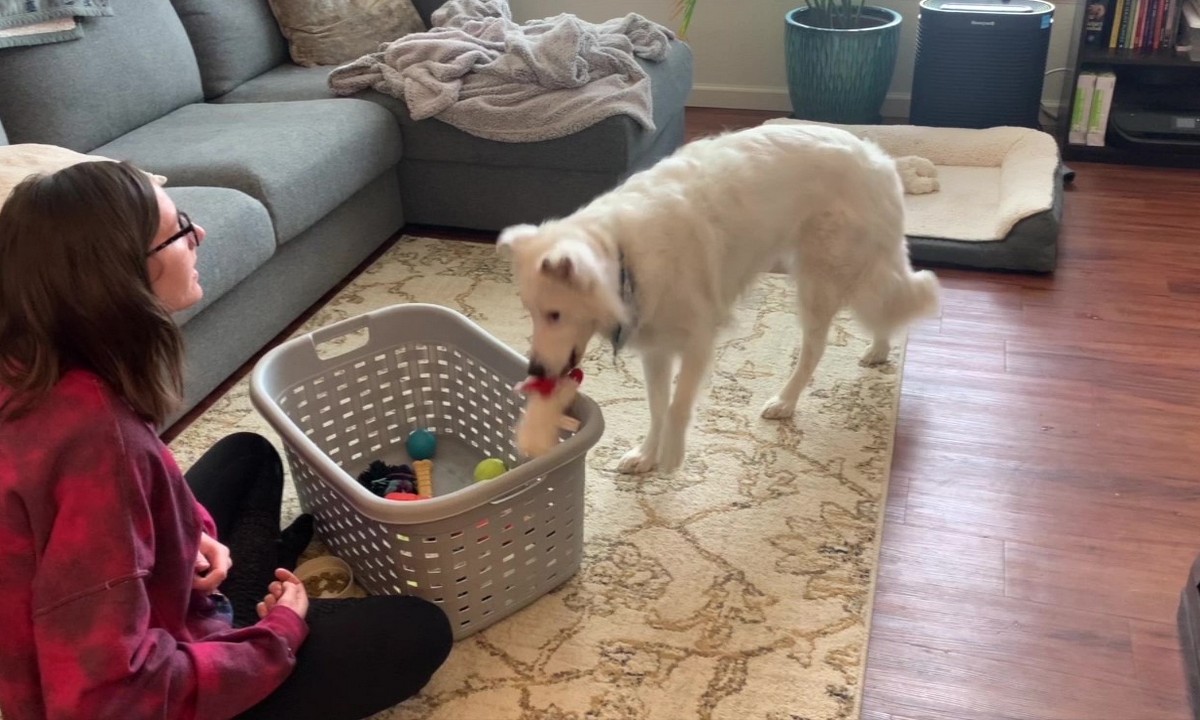
Image Source: karenpryoracademy.com
Why Teach Your Dog Toy Tidy Up Skills?
Many people think that only humans should clean up. But teaching your dog to help with dog toy cleanup offers many benefits. It keeps your house safer and cleaner. It also provides great mental exercise for your dog. This skill uses their natural drive to carry things. It builds confidence too.
Benefits of Canine Cleanup Training
- Safety: Fewer tripping hazards for people. Toys are not chewed up dangerously when left out.
- Orderliness: Helps with decluttering dog play area naturally.
- Mental Stimulation: The task requires focus and problem-solving. This is tiring in a good way for your dog.
- Bonding: Training sessions are quality time together.
Getting Ready: Setting Up for Success
Before you start training, you need the right tools. Good preparation makes teaching your dog to return toys much easier. Think about what you want your dog to do. Do you want them to drop the toy in a box? Or maybe place it in a specific basket?
Essential Training Gear
- The Right Container: Choose a toy box or basket. It should be open and easy to access. Big, heavy chests are not good starting points. Look for interactive dog toy storage options if you want to make it a game later.
- High-Value Rewards: Use small, tasty treats your dog loves. These fuel positive reinforcement toy training.
- Target Toys: Start with one or two favorite toys. Keep other toys put away for now. This limits distractions.
Making the Container Inviting
Your dog needs to see the toy bin as a fun place, not a scary object.
- Place the container in a quiet spot.
- Let your dog sniff it and explore it without pressure.
- Toss a treat near the container when they investigate it positively.
- Never force their head or paws near the box.
Phase 1: Teaching the “Hold” and “Drop” Cues
Before putting toys away, your dog must know how to hold and release an object on command. This is the base for teaching dog to return toys.
Step 1: Teaching “Take It” or “Hold”
- Present the toy to your dog.
- When they mouth or gently hold it, say “Take It!” (or “Hold”).
- Give a treat immediately while they are holding it.
- Keep the hold time very short at first—just one second.
- Repeat this many times until your dog reliably takes the toy when you ask.
Step 2: Teaching “Drop It”
This is crucial. You need a reliable release cue.
- Once your dog is holding the toy, present a high-value treat right at their nose.
- As soon as they open their mouth to sniff or take the treat, say “Drop It!”
- When the toy falls, give the treat immediately.
- Do not pull the toy away. Let them release it willingly for the reward.
- Practice this until “Drop It” makes the toy fall instantly, even without the treat present yet.
Readability Check: We use short sentences and simple words here. Keep practice sessions short (3-5 minutes) to maintain high energy.
Phase 2: Introducing the Target—The Toy Box
Now we connect holding the toy with moving it toward the designated area. This is where fun ways to teach dog cleanup start to shine.
Step 3: Targeting the Container
We use the “place” or “target” method here. You want the dog to move the toy to the box.
- Have your dog hold the toy (using the “Hold” cue).
- Lead your dog toward the toy box. Use a treat lure or gentle movement.
- When they are near the box, give the command, “Put Away” or “Tidy Up” (this becomes your dog tidy up command).
- If they drop the toy near the box, reward heavily!
Step 4: Shaping the Drop Into the Box
This takes patience. You are shaping the final desired behavior.
- If the toy lands too far away: Gently move the toy closer to the box and ask them to drop again. Mark and reward a better attempt.
- If the toy lands right next to the edge: Big reward! Say “Yes!” and give praise.
- If the toy falls in: Jackpot! Give several treats quickly and lots of praise.
We are using positive reinforcement toy training. The dog learns that dropping the toy in the box leads to the best outcomes.
Tip for Success: Sometimes, start by placing an already-in-the-box toy on the edge of the box. Ask the dog to “Drop It” onto the toy. This reinforces the motion of dropping onto the target surface.
Phase 3: Adding the Recall for Toys
This phase focuses on canine toy recall. You want your dog to bring the toy back to you, wherever you are, even if you are not standing by the box yet.
Step 5: Linking the Bring-Back to the Drop
- Toss a toy a short distance away.
- When the dog picks it up, call them back using your standard recall word (“Come!”).
- When they arrive at you with the toy, ask for “Drop It.”
- If they drop it at your feet, reward. If they drop it into your open hand, reward even more!
- Once this is solid, start moving the drop location closer to the toy box during practice sessions.
Step 6: Fading Your Location
Gradually, have the dog drop the toy directly into the bin when they return to you, even if you are standing slightly away from it.
- Ask for “Come.”
- When they arrive, point to the box and say your dog tidy up command.
- Reward the successful deposit.
If the dog struggles, go back to rewarding the drop near the box first, then slowly increase the required distance the toy must travel into the container.
Advanced Techniques and Troubleshooting
Once your dog reliably picks up one toy and puts it in the bin, you can expand the training. This is key for organizing dog toys effectively.
Expanding the Command to Multiple Toys
Do not switch toys too fast. Keep using the first toy until the behavior is perfect. Then, swap it for a different favorite toy.
| Toy Type | Training Focus | Goal |
|---|---|---|
| Ball | Rolling motion into the bin. | Consistent drop into the container. |
| Rope | Needs careful positioning to fit. | Teaching careful handling near the opening. |
| Plush Toy | Easier to carry; may require a soft drop. | Mastering the release cue upon approach. |
When practicing with multiple toys, always reward the successful cleanup, no matter which toy it is.
Utilizing Crate Training Principles for Toys
If you use crate training for toys, you can adapt the concept. A crate is a defined “place.” The toy box is another defined “place” for specific items.
If your dog views their crate as a safe den, they might naturally enjoy depositing items there. If you use a large, accessible crate, you can use the crate entrance as the target zone for putting toys away initially. Always make sure the crate is open and safe when performing this task.
Dealing with Resistance: When Dogs Refuse to Clean Up
If your dog stops cooperating, it usually means one of three things:
- The Reward Isn’t Worth It: Increase the value of the treat or praise. Make it a “jackpot” moment when they succeed.
- The Task is Too Hard: You moved too fast. Go back one step where the dog was successful. Did they master dropping it near the box? Go back to just that.
- The Toy is Too Fun: The dog values playing with the toy more than the treat. This is common with high-drive dogs. Solution: Only bring out that specific toy after they have successfully put away two other toys. This builds value for the opportunity to play.
Making Toy Cleanup an Interactive Game
The best way to ensure long-term success is to make the process fun. This turns a chore into a rewarding game, using those fun ways to teach dog cleanup.
The “Find and Fetch” Cleanup
- Scatter a few toys slightly apart.
- Ask the dog to fetch one toy, bring it to you, and drop it near the box. Reward.
- Then, ask them to fetch the next toy.
- Finally, use your dog tidy up command to guide them to put the last one in the box.
This keeps the dog moving and engaged. It mimics a scavenger hunt.
The “Sort the Stash” Game
If you have many types of toys (balls, ropes, squeakies), you can teach sorting.
- Get three separate small buckets.
- Teach the dog that balls go in Bucket A, ropes in Bucket B, etc.
- When practicing, ask them to pick up a ball and put it in the “Ball Bucket.”
- This advanced skill is excellent mental work and helps immensely with organizing dog toys.
Long-Term Maintenance and Consistency
Teaching a new skill requires consistency. If you let the cleanup slide, the dog will quickly forget the dog tidy up command.
Establishing a Routine
Decide when cleanup happens. Is it before dinner? After the last walk of the evening?
- Consistency is Key: Always ask for cleanup at the same time daily, even if it’s just one toy.
- Everyone Must Participate: Ensure everyone in the household uses the same cues and rewards. If one person lets toys lie around, the training is undermined.
- Keep the Area Tidy: A chaotic area makes it hard for the dog to focus. Regularly help with decluttering dog play area so the dog’s “work zone” remains manageable.
Using the Toy Box as the Default
If the toy box is full or hard to access, the dog will stop using it.
- Periodically empty the toy box.
- Rotate toys. Only have a few accessible at a time. This keeps the interactive dog dog toy storage appealing and manageable for the dog.
If you notice behavior fading, take a few days to go back to Step 3 (targeting the box) using high-value rewards again. Brush up the basics often.
Frequently Asked Questions (FAQ)
Q: How long does it take to teach a dog to put toys away?
A: It varies widely based on the dog’s age, breed, focus, and consistency of training. Basic concepts like “Hold” and “Drop” can take a few weeks. Mastering the full sequence—fetch, carry, and deposit into a specific container—often takes one to three months of short, daily practice sessions.
Q: My dog drops the toy too early, far from the box. What should I do?
A: Go back to shaping. Reward tiny improvements. If the dog drops it two feet away, reward that, but praise less than if they drop it one foot away. Gradually require the toy to be closer to the opening. If the dog struggles, try using a smaller target area initially, like a laundry basket placed right next to where they usually drop the toy, then move the basket closer to the main bin over several sessions.
Q: Can I use food rewards if I am trying to keep my dog’s weight down?
A: Yes, you can! Switch to using kibble from their daily meal ration as the reward. Take out the amount you plan to use for training before feeding them. If you use 20 pieces of kibble during training, feed them 20 fewer pieces at mealtime. This keeps the positive reinforcement toy training effective without adding extra calories. You can also use enthusiastic praise and a favorite quick game (like a brief tug session) as non-food rewards, especially for older dogs who enjoy play more than treats.
Q: Should I use the same command for all clean-up tasks?
A: It is often best to use one primary dog tidy up command (like “Tidy Up” or “Put Away”) for putting toys in the bin. If you decide to train other clean-up tasks, like picking up their own leash, use a different cue (e.g., “Leash Home”). This helps the dog differentiate between tasks clearly.
Q: What if my dog chews the toy while they are supposed to be carrying it to the box?
A: If your dog chews excessively when they should be carrying, the “Hold” training might be too weak, or the reward isn’t high enough to override the urge to chew. Immediately pause the game. Go back to Step 1 and practice “Hold” while keeping the toy out of reach of their mouth, rewarding only for gentle carrying. If they begin chewing during the cleanup attempt, calmly take the toy away without reaction (a brief time-out, not a punishment), and try again in 30 seconds with a new toy.