
If your dog is shaking its head a lot, it usually means something is bothering its ears or head. The first step to stop dog from shaking head is finding the main reason why they are doing it. This shaking is often a sign of discomfort, pain, or irritation.
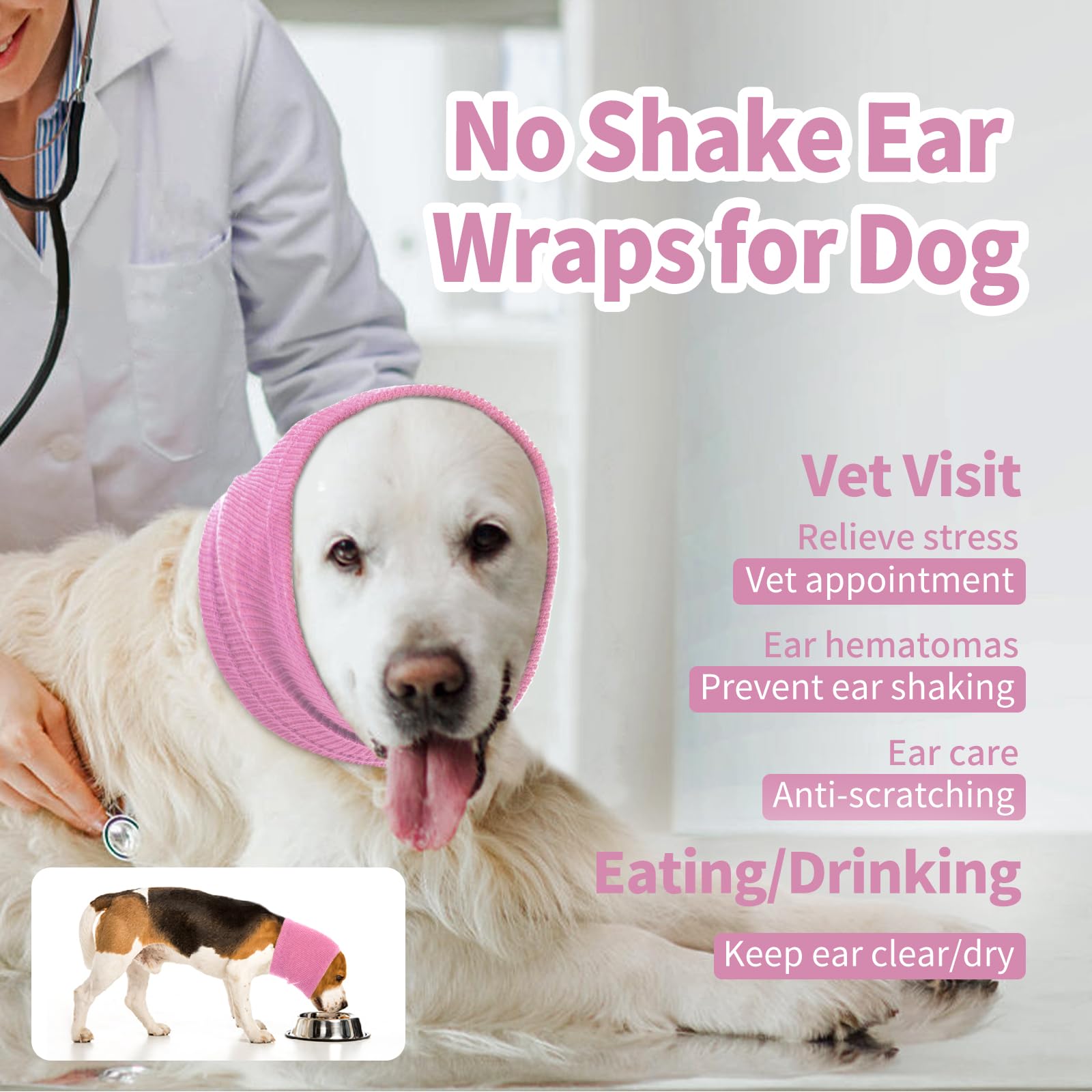
Image Source: m.media-amazon.com
Deciphering the Reasons Behind Dog Head Shaking
When a dog starts shaking head constantly, it is crying out for help. This action is a natural reflex to try and dislodge whatever is causing the trouble inside the ear canal or on the skin around the head. To find dog head shaking relief, we must look closely at the possible triggers.
Common Causes of Dog Head Shaking
There are several common causes of dog head shaking. These range from minor irritations to serious infections. Knowing these helps you figure out the next steps for how to treat dog head shaking.
Ear Problems: The Main Culprit
The most frequent reason for intense head shaking is related to the ears. Dogs shake their heads to relieve pressure or itchiness in their ear canals.
- Dog ear infection head shaking is very common. Infections can be caused by yeast, bacteria, or both. The shaking tries to get rid of the fluid or gunk causing the infection.
- Dog ear mites head shaking occurs when tiny mites infest the ear. These mites cause intense itching, leading to frantic shaking. This is more common in puppies.
- Water trapped in the ear after swimming or bathing can cause temporary shaking until the water drains out.
Foreign Objects and Irritants
Sometimes, something simple gets stuck in the ear or irritates the skin.
- Grass seeds or foxtails can enter the ear canal. These sharp objects cause immediate distress and violent shaking.
- Allergies are a major hidden cause. Just like humans, dogs can be allergic to food, pollen, or dust. These allergies often show up as itchy ears, which leads to shaking and scratching. This is a key driver for stop dog excessive head shaking.
- Chemical irritants, like harsh shampoos or cleaning products, can irritate the outer ear flap (pinna).
Other Physical Issues
Less common, but still important, causes include:
- Ear Canal Polyps or Tumors: Growths inside the ear can block drainage and cause irritation, making the dog shake its head.
- Inner Ear Problems: Balance issues or nerve problems affecting the inner ear can cause dizziness, leading to head tilting and shaking.
- Trauma: A direct blow to the head or ear can cause immediate shaking.
When to Seek Immediate Veterinary Care
If the shaking is sudden, violent, or accompanied by other symptoms, see a vet right away.
| Symptom Accompanying Head Shaking | Possible Concern | Action Needed |
|---|---|---|
| Severe Odor from Ear | Deep Infection or Abscess | Urgent Vet Visit |
| Head Tilting to One Side | Inner Ear Infection or Nerve Issue | Prompt Veterinary Check |
| Pawing at Face or Whining | Intense Pain | Immediate Attention |
| Blood or Pus from Ear | Severe Trauma or Advanced Infection | Emergency Care |
Practical Steps to Soothe Dog Head Shaking Now
While waiting for a vet appointment, you can take steps to soothe dog head shaking and prevent further irritation. The goal here is quick relief while being careful not to push debris deeper into the ear.
Gentle Inspection and Cleaning
If the shaking is mild, a quick, gentle look might reveal an obvious issue. Do not stick anything deep into your dog’s ear canal.
- Check the Outer Ear: Look at the inside flap of the ear (the pinna). Is it red? Is there swelling? Do you see any debris stuck in the folds?
- Use a Pet-Safe Cleaner: If the shaking seems related to minor moisture or residue, use a veterinarian-approved ear cleaning solution.
- Gently pour the solution into the ear canal, following the product directions.
- Massage the base of the ear gently for about 30 seconds. You should hear a squishing sound.
- Let your dog shake their head. This helps bring debris to the surface.
- Use soft cotton balls to wipe away any discharge that comes out. Never use cotton swabs deep inside.
Utilizing Home Remedies for Dog Head Shaking (Temporary Relief)
For very minor irritation, some owners find temporary comfort using gentle home remedies for dog head shaking. However, these should only be used after ruling out serious infection, as some remedies can worsen infections.
- Warm Compress (External Only): For mild swelling or soreness on the outer ear flap, a clean cloth dipped in warm water can be gently applied to the outside of the ear for a few minutes. This can sometimes reduce immediate discomfort.
- Coconut Oil (External Use): A small amount of fractionated (liquid) coconut oil can be gently massaged onto the dry, irritated skin on the outside of the ear flap. It has mild moisturizing and anti-fungal properties. Do not use if the ear is weeping or smelly.
Important Safety Note: Never put substances like hydrogen peroxide, alcohol, vinegar, or essential oils deep into your dog’s ear unless specifically directed by your veterinarian. These can damage the delicate tissues inside the ear.
Veterinary Treatments for Dog Ear Issues
When home care fails, or if symptoms are severe, professional treatment is essential to stop dog ear scratching and shaking. A vet will perform diagnostics to find the exact cause.
Diagnostic Procedures
Your veterinarian will likely:
- Otoscopic Examination: Look deep inside the ear canal using an otoscope to check for foreign bodies, redness, or swelling.
- Ear Swab Cytology: Take a small sample of debris from the ear and examine it under a microscope. This confirms if yeast, bacteria, or mites are present.
Medical Treatments Based on Diagnosis
The treatment plan hinges entirely on what the cytology reveals.
Treating Infections (Yeast and Bacteria)
If the diagnosis confirms a dog ear infection head shaking, the treatment involves clearing the microbes.
- Medicated Drops: These drops often contain antibiotics or antifungals, sometimes combined with a steroid to reduce inflammation. It is vital to apply these drops exactly as prescribed, even after symptoms improve, to fully clear the infection.
- Thorough Cleaning: The vet may perform a deep clean in the clinic to flush out excessive wax and debris before medication is applied. This deep cleaning is crucial for successful treatment.
Dealing with Mites
If dog ear mites head shaking is the issue, specific anti-parasitic treatments are used.
- Topical spot-on treatments designed for mites are often highly effective.
- Oral medications may also be prescribed to kill mites throughout the dog’s system.
Managing Allergies
If allergies are the root cause, treatment focuses on long-term management to achieve dog head shaking relief.
- Dietary Changes: Switching to a limited-ingredient or hypoallergenic food may be recommended if a food allergy is suspected.
- Medication: Prescription medications like Apoquel or Cytopoint injections can effectively control the itch associated with environmental allergies. Managing the underlying itch is the best way to stop dog excessive head shaking related to allergies.
Long-Term Strategies to Prevent Head Shaking
Preventing recurrence is key to long-term dog head shaking relief. This involves routine care and environmental management.
Routine Ear Maintenance
For dogs prone to ear issues (like floppy-eared breeds such as Basset Hounds or Cocker Spaniels), regular maintenance is essential.
- Regular Cleaning Schedule: Establish a cleaning routine, perhaps once every one to two weeks, using a vet-approved cleaner. This prevents wax buildup that traps moisture and fosters microbe growth.
- Drying After Water Exposure: Always dry your dog’s ears thoroughly after swimming or bathing. Gently wipe the visible parts and use a drying solution (if recommended by your vet) to absorb moisture deep in the canal.
Environmental Control
Controlling the environment helps reduce allergy triggers that lead to dog shaking head constantly.
- Minimize Exposure to Irritants: If dust or pollen causes flare-ups, try to keep your dog indoors during peak pollen times. Wipe down your dog’s paws and coat when they come inside from walks.
- Review Food Ingredients: If food sensitivities are suspected, work with your vet on a strict elimination diet trial to pinpoint the offending protein or carbohydrate. Successfully managing diet removes a major source of chronic inflammation.
Recognizing Chronic vs. Acute Shaking
It is important to differentiate between a one-off incident and a chronic problem.
- Acute Shaking: Often starts suddenly, is very vigorous, and usually responds quickly to treatment (e.g., after swimming or getting something stuck).
- Chronic Shaking: Happens repeatedly over weeks or months, often worsening seasonally. This points toward allergies or recurrent infections, requiring deeper investigation to achieve lasting dog head shaking relief.
Special Considerations for Certain Breeds
Some dogs are anatomically predisposed to head shaking due to their ear structure. Breeds with long, floppy ears (pendulous pinnae) have poor air circulation in the ear canal. This warm, moist environment is perfect for yeast and bacteria to thrive, making these dogs more susceptible to dog ear infection head shaking.
Breeds needing extra attention include:
- Cocker Spaniels
- Basset Hounds
- Golden Retrievers
- Poodles
- Labrador Retrievers
For these breeds, diligent, proactive cleaning is the best way to stop dog ear scratching and shaking before an issue starts.
Comprehending the Role of Pain Management
If your dog is shaking its head due to severe pain from an untreated infection, simple anti-itch measures will not be enough. Pain management is crucial for how to treat dog head shaking effectively.
When an ear infection becomes very painful, the dog may shake its head violently, sometimes leading to complications like aural hematomas (blood blisters on the ear flap).
- Veterinary Pain Relief: Vets may prescribe safe, short-term pain relievers alongside the antibiotics or antifungals.
- Breaking the Scratch-Shake Cycle: The constant shaking and scratching cause trauma to the ear flap itself. Treating the primary infection relieves the nerve irritation, which naturally reduces the urge to shake.
Achieving true dog head shaking relief means treating the root cause, whether it is pain, infection, or inflammation.
Deciphering Neurological Causes
While ear issues cause the vast majority of head shaking, sometimes the problem originates in the brain or nerves. If standard ear treatments fail to help a dog that is dog shaking head constantly, the vet will explore neurological causes.
- Idiopathic Head Tremors (Head Bobbing): This is an unexplained syndrome, often seen in smaller breeds, where the dog develops rhythmic, involuntary head movements (bobbing up and down or side to side). While startling, these tremors are often benign and do not indicate severe illness. They are distinct from active shaking due to irritation.
- Vestibular Disease: This affects the balance center of the brain. Symptoms include severe head tilt, dizziness, and falling, which can cause intense head shaking as the dog tries to right itself.
If neurological causes are suspected, further testing like specialized imaging (MRI) might be required, moving beyond simple topical treatments for how to treat dog head shaking.
Frequently Asked Questions (FAQ)
How long does it take for dog head shaking relief to happen?
If the cause is minor (like trapped water), relief can be immediate. If the cause is an infection, it may take several days of consistent medication application before you notice a significant reduction in shaking. Full resolution usually takes 7 to 14 days of treatment.
Can I use rubbing alcohol to clean my dog’s ears to stop head shaking?
No. Rubbing alcohol is very harsh and painful on irritated or infected ear tissue. It dries out the skin excessively and can cause extreme discomfort, making the dog shake more. Stick to veterinarian-approved ear cleaners to soothe dog head shaking.
My dog shakes its head only in the evening. What does this mean?
Evening shaking often points toward environmental allergies (like dust mites prevalent in bedding) or chronic inflammation that worsens when the dog is resting. It can also be behavioral, a learned habit developed after a painful episode, though medical causes must be checked first to stop dog excessive head shaking.
Is it possible to prevent all head shaking?
While total prevention is hard if your dog has severe allergies, excellent preventative care—routine cleaning, prompt treatment of minor symptoms, and proactive allergy management—can drastically reduce the frequency and intensity of episodes, offering maximum dog head shaking relief.
What if the vet can’t find a clear cause for the shaking?
If all ear checks and basic allergy tests are negative, your vet might suggest trying prescription strength anti-inflammatories or anti-anxiety medication to see if the shaking lessens. In rare cases, this leads to a referral to a veterinary neurologist to investigate subtle nerve issues. The goal remains finding dog head shaking relief through targeted therapy.