
Can you stop a dog from whining in a crate immediately? While true immediate cessation is rare, especially if the whining is tied to deep anxiety, you can take immediate steps to soothe the dog and implement quick fixes that reduce whining within minutes or hours. These actions focus on managing the current situation while setting up a better long-term plan.
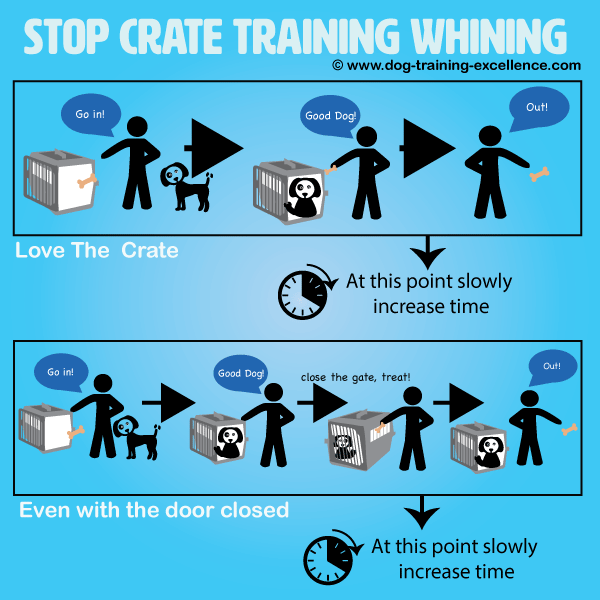
Image Source: www.dog-training-excellence.com
Deciphering Why Your Dog Whines in the Crate
Before we fix the problem, we must know what causes it. Dog crate whining solutions start with finding the root cause. Whining is a form of communication. Your dog is telling you something.
Common Reasons for Crate Whining
Dogs whine for many reasons when crated. It is not always just stubbornness.
- Separation Distress: The dog fears being alone. This is often the loudest whining.
- Need to Potty: A full bladder or bowels will cause distress.
- Boredom or Lack of Exercise: Pent-up energy leads to noise.
- Discomfort: The crate is too hot, too cold, or too small.
- Fear or Phobia: Loud noises outside or a bad past experience.
- Attention Seeking: If whining gets them out, they learn to do it again.
Distinguishing Crate Anxiety from Demand Whining
This is key for crate training tips for anxious dogs. How do you tell the difference?
| Whining Style | Likely Cause | Initial Response |
|---|---|---|
| High-pitched, frantic, sustained. Pacing often seen. | True Anxiety/Fear | Stay calm, ensure safety. |
| Short bursts, stops when you approach or look. | Demand/Attention Seeking | Ignore the whining (after potty break). |
| Whining starts right after you leave sight. | Separation Distress | Focus on slow departures. |
Immediate Actions to Silence the Whine (First Aid)
When the noise starts, you need quick fixes. These are the first things to try to stop puppy crying in crate or adult dog noise.
Rule Out Physical Needs First
Always check the basics before assuming it is an emotional issue.
- Potty Break Check: If it has been a long time, let the dog out immediately for a quick potty trip. Keep it boring. No playtime.
- Comfort Check: Is the bedding soft? Is the crate covered (many dogs feel safer in a den)? Is the temperature right?
The Ignore Strategy for Demand Whining
If you know your dog is safe and dry, and the whining is manipulative, ignoring it is the fastest way to stop the behavior long-term. This addresses how to stop puppy crying in crate when it is just testing boundaries.
- Consistency is Vital: Everyone in the house must ignore the noise. Even one peek or a quick, “Shhh!” reinforces the whining.
- Wait for Silence: Only open the door or speak when there is a brief pause in the whining—even one second of quiet counts.
- Timing: If you let them out during a whine, you teach them that whining works. Wait for the pause, then wait three more seconds before opening the door.
Providing Instant Comfort Items
For dogs prone to crate anxiety relief for dogs, certain items offer immediate comfort.
- Chews and Lick Mats: Give a high-value, long-lasting chew toy right before crating. Chewing is a natural stress reliever. A frozen Kong stuffed with peanut butter works wonders.
- Safe Scents: Some dogs calm down with familiar scents. Place a worn T-shirt that smells like you inside the crate.
Advanced Techniques for Settling a Dog in a Crate
When simple checks fail, you need deeper methods to teach your dog that the crate is a safe space. This is about settling a dog in a crate calmly.
Crate Acclimation: The Slow Introduction
If you rush the process, whining is guaranteed. A slow introduction builds positive associations.
Step 1: Making the Crate Appealing
The crate must be a treat zone, not a jail cell.
- Place the crate in a social area of the house initially (like the living room).
- Feed all meals near the crate, then eventually inside the crate door open.
- Toss high-value treats inside randomly so the dog discovers them. Never force the dog in.
Step 2: Short, Positive Confinement
Start closing the door for mere seconds while you are present.
- Toss a treat inside, close the door for two seconds, open it, and praise the dog after they exit calmly.
- Gradually increase the time by small amounts (5 seconds, 10 seconds, 30 seconds).
- If the dog whines, you went too fast. Go back to the previous successful time length.
Managing Nighttime Crate Whining
Nighttime crate whining is common because night feels lonelier and the routine changes.
- Location Matters: Place the crate next to your bed for the first few weeks of crate training success. This reassures the dog you are near.
- Potty Schedule: Ensure a final, very late potty break before you go to bed.
- Wind Down Routine: Keep the hour before bedtime calm. No rough play. A quiet walk or gentle chewing is best.
The Power of White Noise or Calming Music
Some dogs react badly to house sounds when crated (e.g., the furnace kicking on, outside traffic).
- Use a white noise machine or a fan near the crate.
- Calming classical music designed for dogs (available on streaming services) can mask startling noises and promote relaxation.
Addressing Crate Separation Anxiety Head-On
If the whining turns into destructive behavior or panic when you leave, you are likely dealing with crate separation anxiety. This requires specific desensitization work.
Desensitization to Departure Cues
Dogs often start panicking before you even touch the door handle. They recognize cues like picking up keys or putting on shoes.
- Break the Chain: Do these actions randomly without leaving. Pick up keys, put them down. Put on your coat, take it off. The dog learns these actions do not always mean abandonment.
- Gradual Absence: Once departure cues are neutralized, practice very short departures. Leave for one second, return. If the dog is quiet, reward them after you return. Slowly build up the time away, always returning before the dog starts to panic.
Ensuring Adequate Exercise
A tired dog is a quiet dog. This is a crucial part of any crate training schedule.
- Physical Exercise: Ensure your dog gets sufficient vigorous exercise before crate time. A long walk, fetch session, or run prepares them to rest.
- Mental Exercise: Mental work tires dogs out fast. Use puzzle toys, scent games, or brief training sessions before crating. A mentally stimulated dog is much better at settling a dog in a crate.
Choosing the Right Setup: The Best Crate for Whiners
Sometimes the equipment itself causes distress. Selecting the best crate for whiners means choosing one that feels secure and comfortable.
Crate Size and Material
- Size: The crate must be large enough for the dog to stand up, turn around, and lie down comfortably. However, if the crate is too large, the dog may use one corner as a bathroom, leading to anxiety about being dirty. Use a divider if necessary.
- Covering: Many dogs prefer dens. Use a sturdy crate cover or drape a blanket over the crate sides and top. This minimizes visual overstimulation, which can trigger anxiety.
Making the Inside Inviting
- Bedding: Use safe, durable bedding. Avoid plush items if your dog is a heavy chewer, as ingestion can cause serious blockages.
- Security: If your dog is terrified of the metal bars, cover the sides first. A plastic vari-kennel might feel more den-like than a wire crate for some fearful dogs.
Building a Consistent Crate Training Schedule
Consistency is the bedrock of crate training success. Lack of routine fuels anxiety.
Sample Daily Crate Training Schedule (Adaptable)
This example assumes an adult dog needing reinforcement or a puppy past the initial 8-week phase.
| Time Slot | Activity | Purpose |
|---|---|---|
| 7:00 AM | Wake Up & Immediate Potty Break | Fulfilling basic needs. |
| 7:15 AM | High-Value Meal inside Crate | Positive association; quiet time while eating. |
| 7:45 AM | Playtime/Training Session | Physical and mental exertion. |
| 8:30 AM | Crate Time (30-60 min) | Short nap/quiet rest period while owner works nearby. |
| 1:00 PM | Mid-day Potty & Quick Walk | Break and relief. |
| 5:00 PM | Evening Exercise (Run/Long Walk) | Major energy burn. |
| 6:30 PM | Dinner Time (Outside Crate) | Normal feeding time. |
| 8:00 PM | Quiet Chew/Calming Time | Winding down near the family. |
| 9:30 PM | Final Potty Break | Prepare for overnight stay. |
| 10:00 PM | Overnight Crate Time (Near Bed) | Promoting security and rest. |
Adjusting for Puppies: Stop Puppy Crying in Crate
Puppies have tiny bladders and need more frequent checks. If they whine, assume it is urgent until proven otherwise.
- Rule of Thumb: A puppy can usually hold its bladder for one hour per month of age (e.g., a 3-month-old puppy can hold it for about 3 hours during the day).
- Nighttime Adjustments: For young puppies, nighttime crating near your bed is essential. If they wake and whine, take them out quietly for a potty break, then immediately place them back in the crate without fuss or play.
When to Seek Professional Help
Some cases of crate separation anxiety are too severe for DIY fixes. If your dog is injuring itself (breaking teeth, tearing skin) or causing major property damage, a professional intervention is necessary.
When to Call a Certified Trainer or Behaviorist
- If the whining is relentless and lasts for hours every time you leave.
- If the dog refuses to enter the crate even with high-value rewards.
- If the dog shows aggressive behavior when the crate is approached.
A certified professional can assess the dog in their home environment and tailor a specific crate training tips for anxious dogs plan, sometimes incorporating anti-anxiety tools or veterinary consultation for temporary medication support during the initial re-training phase.
Comprehending Crate Training Success Factors
Success in crating is less about the crate and more about the dog’s emotional state.
Positive Association Reinforcement
Every positive experience reinforces the idea that the crate is good.
- Use the crate for positive things only: feeding, special chews, quiet time while you watch a movie nearby.
- Never use the crate for punishment. Ever. This destroys trust and guarantees whining.
The Role of Handler Calmness
Dogs mirror our emotions. If you are stressed while putting them in the crate, they will feel stressed.
- Keep your tone neutral, quiet, and confident.
- Do not hover by the door, waiting for the whine to start. Leave matter-of-factly once the dog is occupied with a chew toy.
Managing Environmental Triggers
If the whining happens only at specific times, investigate the surroundings.
- If the dog whines when the neighbor’s dog barks, use soundproofing or white noise during high-risk times.
- If the dog whines when the mail carrier comes, try crating in a quieter room away from the front door during delivery times.
Summary of Fast Crate Anxiety Relief Tips
To recap, these are the quickest routes to reducing the noise:
- Rule Out Needs: Potty break first, always.
- Engage with Chews: Provide a high-value, long-lasting chew item (like a frozen Kong) right before leaving.
- Ignore Demand: If safe, ignore attention-seeking whines completely until a pause occurs.
- Calming Scents/Sounds: Introduce white noise or a familiar scent item.
- Reassess Location: For nighttime crate whining, move the crate right next to your bed temporarily.
By applying these steps consistently, you shift the emotional narrative around the crate from one of fear or demand to one of safety and calm rest.
Frequently Asked Questions (FAQ)
How long should I wait before letting a whining dog out of the crate?
If you are sure the dog does not need to potty, wait for a brief moment of silence before releasing them. If you let them out while they are whining, you reward the whining. Wait three full seconds of quiet, then open the door calmly.
Is it bad to leave a dog in a crate overnight?
For most adult, house-trained dogs, sleeping through the night in a crate is safe and often preferred, as it mimics their den instinct. Ensure they have a final potty break before bed. For puppies, consult your vet on the appropriate length of time they can safely hold their bladder overnight.
My puppy cries the second I cover the crate. What do I do?
This means the dog is not ready for the visual barrier. Remove the cover. Go back to step one of crate training tips for anxious dogs: associate the covered crate with amazing treats while the cover is off. Once they happily eat treats inside the uncovered crate, slowly introduce the cover for one second at a time, rewarding heavily each time you remove it, before they start to whine.
Can CBD help with crate anxiety relief for dogs?
Some owners report success using veterinarian-approved CBD products to help manage general anxiety, which might reduce crate separation anxiety symptoms. Always discuss this with your veterinarian first to ensure safety and proper dosing for your specific dog.
What if my dog won’t settle in the crate even when I am home?
If the dog settles fine when you are home but whines when you leave, focus on desensitization (practicing departures). If the dog won’t settle even when you are sitting right next to the crate, the crate is too associated with negative feelings. You need to restart conditioning by making the crate the most wonderful place on earth using food and play, without closing the door for extended periods.