
Can I stop my dog from jumping the fence? Yes, you can absolutely stop your dog from jumping the fence by using a mix of physical barriers, training, and addressing the root cause of the jumping behavior. Preventing your dog from escaping the yard is key to their safety and your peace of mind.
Fences are meant to keep dogs in. But some clever dogs see fences as just a small hurdle. They might jump because they are bored, scared, or want to find a friend. We need to look at why they jump. Then, we can choose the right way to fix the problem. This guide will show you simple, safe ways to secure your yard for good.
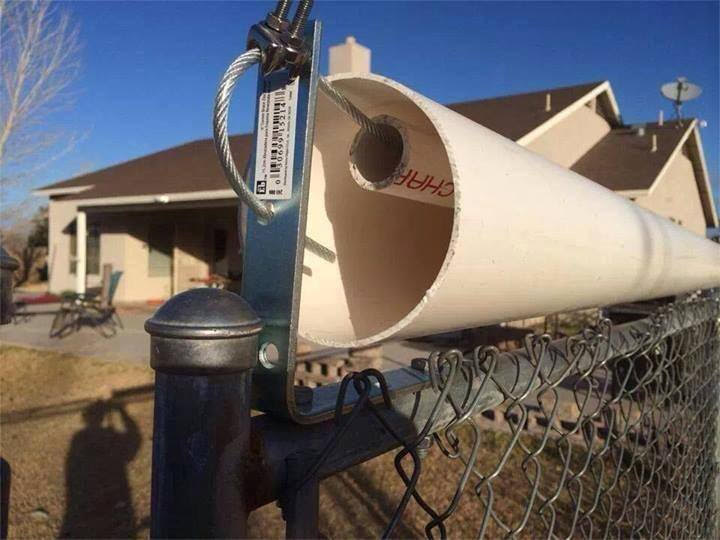
Image Source: ccspca.com
Why Dogs Jump Fences: Finding the Real Issue
To fix the problem, we must first know why the dog tries to leap over. Jumping is usually a sign of something else going on. It is rarely just because the dog likes to jump.
Boredom and Lack of Exercise
A tired dog is usually a good dog. If your dog has too much energy, they will look for ways to burn it off. Jumping the fence is an exciting way to escape and find adventure.
- Needs More Play: High-energy breeds need long walks or hard play sessions daily.
- Mental Gaps: Dogs need things to do with their minds. Puzzles or training games help a lot.
Fear and Anxiety
Loud noises like fireworks or thunderstorms can make dogs very scared. They might jump straight up and over the fence trying to run away from the scary sound. This type of jumping is a flight response.
Instinct to Mate or Patrol
Intact (unneutered or unspayed) dogs often jump when they smell a female in heat nearby. They are driven by strong urges. Also, some dogs feel they must guard their territory. If they see or hear something interesting on the other side, they jump to investigate or chase it away.
Sight of Triggers
What is on the other side matters a lot. A squirrel running by, a neighbor’s child playing, or another dog barking can trigger a sudden jump. If the dog has a history of success jumping the fence, they will try again.
Physical Fixes: Building Better Barriers
The most direct way to stop fence jumping is to make the fence too tall or too hard to climb. We need to look at dog jumping barrier solutions.
Assessing Current Fence Height
The first step is checking if your fence meets basic safety standards. What are dog fence height requirements? For most medium to large dogs, a standard 6-foot fence is the minimum. Very athletic or tall breeds might need more.
| Dog Breed Type | Recommended Minimum Fence Height | Notes |
|---|---|---|
| Small/Low Energy Dogs | 4 feet | Check for digging escapes too. |
| Medium Dogs (e.g., Labs) | 6 feet | Standard height, good start. |
| Large/Athletic Dogs (e.g., Shepherds) | 7 to 8 feet | Needed for serious jumpers. |
Making the Fence Taller Safely
If the fence is too low, you can add height safely. This is often easier than replacing the whole fence.
Adding Mesh or Netting
You can attach strong wire mesh or heavy-duty plastic netting to the top of your existing fence.
- Choose Strong Material: Use welded wire, not chicken wire. Chicken wire is too flimsy.
- Secure It Well: Fasten the top edge firmly to the fence posts. Make sure there are no gaps underneath where it connects to the fence line.
Installing Angled Extensions (L-Footers or Outriggers)
These are great best anti-jump dog fence modifications. They change the direction of the top of the fence so the dog lands back inside, not outside.
- Outward Angle: Attach fence posts at a 45-degree angle leaning into your yard. This makes the last few feet of the jump difficult because the dog has nothing to push off from once they reach the top.
- Inward Angle: Some owners angle the top section inward toward their yard. This requires a very sturdy structure.
Dog Proofing A Wooden Fence with Toppers
Wooden fences can often be modified easily. You can add wood slats or lattice panels to increase the height. Make sure the new additions are securely screwed into the existing fence frame.
- Check for Gaps: While working, look for any repairing gaps in dog fence areas near the ground where the dog could squeeze through or dig under. Fill these holes with rocks or concrete.
Addressing Ground Escapes While Focusing on Jumping
Dogs often try to jump because they cannot get out on the ground first. If they can dig under or squeeze through, they might skip the jump altogether. Securing perimeter for escaping dogs means checking the base of the fence too.
Dig Deterrents
If your dog is a digger, they may try to tunnel under the fence before jumping.
- Bury Wire Mesh: Lay heavy wire mesh flat on the ground along the fence line, inside your yard. Curve it outward slightly (like an “L” shape facing into the yard). Anchor it down well. When the dog digs, they hit the wire and often stop.
- Use Concrete or Pavers: Along the base of the fence, especially in favorite digging spots, lay down concrete blocks or heavy paving stones.
Fixing Gaps and Weak Spots
Look for any loose boards, rusty chain links, or broken sections. These provide footholds or easy access points. Fix these immediately. Simple repairs prevent big escapes.
Training Methods: Teaching “Stay In”
Physical fixes are essential, but they only stop the act of jumping. Training teaches the dog why they should not jump. This involves training dog not to climb fence behavior through positive methods.
The “No Jump” Command
You can teach your dog a command that means “stop what you are doing right now.”
- Start Inside: Practice this command in a low-distraction area first.
- Use a Leash: Have your dog on a long line or leash near the fence.
- Interrupt the Stare: If the dog starts looking intently at the trigger (a bird, a person walking), say “No Jump” firmly but calmly.
- Redirect: As soon as they look away from the trigger, reward them with a high-value treat and praise.
- Consistency is Key: Every single time they look at the trigger and don’t jump, reward them. You are rewarding the calm choice.
Making the Fence Area Less Appealing
If the dog jumps due to excitement on the other side, reduce the excitement.
- Block Sight Lines: If the dog can see triggers, block their view. Use privacy screening on chain-link fences or plant dense shrubs along wooden fences.
- Use Sound Barriers: If barking or loud noises outside cause the jump, play calm music or use a white noise machine near the fence line in the yard.
Safe Deterrents for Fence Jumpers
Some owners look for ways to make the act of jumping unpleasant without causing harm. These must be used carefully to ensure they are safe deterrents for fence jumpers. We want to discourage the action, not scare the dog badly.
Water Sprinklers
Motion-activated sprinklers are a very effective, hands-off deterrent.
- How it Works: When the dog approaches the fence line (or prepares to jump), the motion sensor triggers a quick, surprising spray of water.
- Benefit: The dog associates the location (the fence) with the unpleasant surprise, not you. This means you don’t have to be present to enforce the rule.
Scent Deterrents (Use with Caution)
Some commercial sprays use scents that dogs naturally dislike, like bitter apple or citrus.
- Application: Spray these lightly on the top few feet of the fence.
- Caveat: Dogs quickly get used to scents, and effectiveness fades fast, especially in rain. This works best for mild fence jumpers.
Avoidance of Harmful Methods
Never use electric shock collars or physical implements that could cause injury when teaching a dog not to jump. A scared dog is more likely to jump higher or injure themselves trying to escape punishment. Positive reinforcement works best for long-term behavior change.
Dealing with Electronic and Invisible Fences
Many people turn to invisible fence limitations for jumpers when their physical fence fails. It is crucial to know how these systems work and why they often fail for jumpers.
How Invisible Fences Work
Invisible fences use a buried wire to create a boundary. When the dog approaches the wire, a collar emits a warning beep, followed by a static correction if the dog crosses the line.
Why They Fail for Fence Jumpers
- The Dog Runs Through: If a dog is highly motivated (chasing a squirrel or escaping fear), they will often run right through the static correction without stopping. The drive to escape is stronger than the discomfort of the collar.
- They Jump Over: The static correction only applies near the buried wire. If the dog can clear the fence line entirely, they get no correction for the jump itself. Once they are outside, they may be too far from the boundary to feel the correction on their way back in.
- Lack of Physical Barrier: Because there is no physical barrier, the dog knows it is possible to leave if they endure the shock.
Conclusion on Invisible Fences: Invisible fences are best used as training aids for dogs who tend to wander or walk near boundaries. They are generally not a reliable solution for dogs whose primary goal is clearing a high obstacle. For serious jumpers, you need a physical barrier first.
Advanced Strategies for High-Risk Jumpers
For the determined canine athlete, you may need to combine multiple strategies to ensure preventing dog from escaping yard is successful.
Double Fencing Systems
If you have space, create a “buffer zone” with two fences.
- Inner Fence: A standard fence (e.g., 4 feet high).
- Outer Fence: A taller fence (e.g., 6 feet high) placed several feet away from the inner fence.
This setup forces the dog to clear two obstacles, which greatly reduces the chance of escape and often makes them lose interest.
Increasing Yard Enrichment Significantly
If the jump is driven by boredom, the solution is to make the yard more interesting than the world outside.
- Scheduled Playtime: Dedicate specific times daily to run and play fetch or tug-of-war with your dog inside the secure area.
- Rotate Toys: Keep toys fresh. Put half of their toys away and swap them out weekly.
- Provide “Jobs”: Use puzzle feeders or snuffle mats hidden in the yard for them to “hunt” food. This taps into natural instincts safely.
Fence Line Supervision
When you cannot supervise your dog, they should not have access to the area where jumping is most likely to happen.
- Crating/Indoor Time: If you are away or busy, keep the dog inside where it is safe until you can give them full attention or until the physical barriers are fully reinforced.
- Supervised Yard Time: When they are out, watch for signs they are casing the fence. If you see the pre-jump routine (intense staring, pacing), intervene before the leap happens.
Maintaining Your New Security System
Stopping a dog from jumping is not a one-time fix. It requires ongoing maintenance of both the fence and the training.
Regular Inspections
Walk the entire perimeter of your fence every month. Check the height, look for loose bolts, and inspect areas where dog proofing a wooden fence modifications were made. Weather can loosen hardware quickly.
Retraining as Needed
If you notice your dog testing the fence again, do not assume the training is permanent. Reintroduce short, positive training sessions near the fence. Go back to rewarding calm behavior.
Addressing New Triggers
If a new neighbor moves in with a very vocal dog, or if construction starts nearby, your dog might develop a new reason to jump. Be ready to deploy your mitigation tools (sprinklers, sight blockers) immediately when new stimuli appear.
Deciphering Dog Body Language Near the Fence
Learning to read your dog’s “jump setup” is crucial. Stopping the attempt is much easier than dealing with a successful jump.
| Behavior Sign | Meaning | Action to Take |
|---|---|---|
| Staring intensely at one spot | Targeting a trigger or weak spot. | Call dog away immediately. |
| Low crouch, tail tucked | Fear or high arousal/preparation for flight. | Provide comfort or redirect to a safe spot. |
| Rapid pacing along the fence | High energy, seeking an outlet. | Bring dog inside for exercise or training. |
| Excited barking/whining at the fence | Reactivity to outside stimulation. | Block sight/sound, use a water deterrent. |
By combining physical enhancements, like proper dog jumping barrier solutions and reinforced structures, with consistent, positive behavioral training, you can create a safe, secure environment. Remember that addressing the underlying need—be it exercise, mental stimulation, or security—is the true path to preventing dog from escaping yard reliably. We want the yard to be a place they enjoy staying, not a place they need to escape from.