
Can I start a mobile dog grooming business easily? Yes, starting a mobile dog grooming business can be quite straightforward if you plan well and follow the right steps. This guide will walk you through everything needed to launch your own in-home dog grooming service today.
Starting a mobile pet grooming startup lets you bring top-tier services right to the customer’s door. This model cuts down on overhead costs found in brick-and-mortar salons. People love the convenience. This business is growing fast!
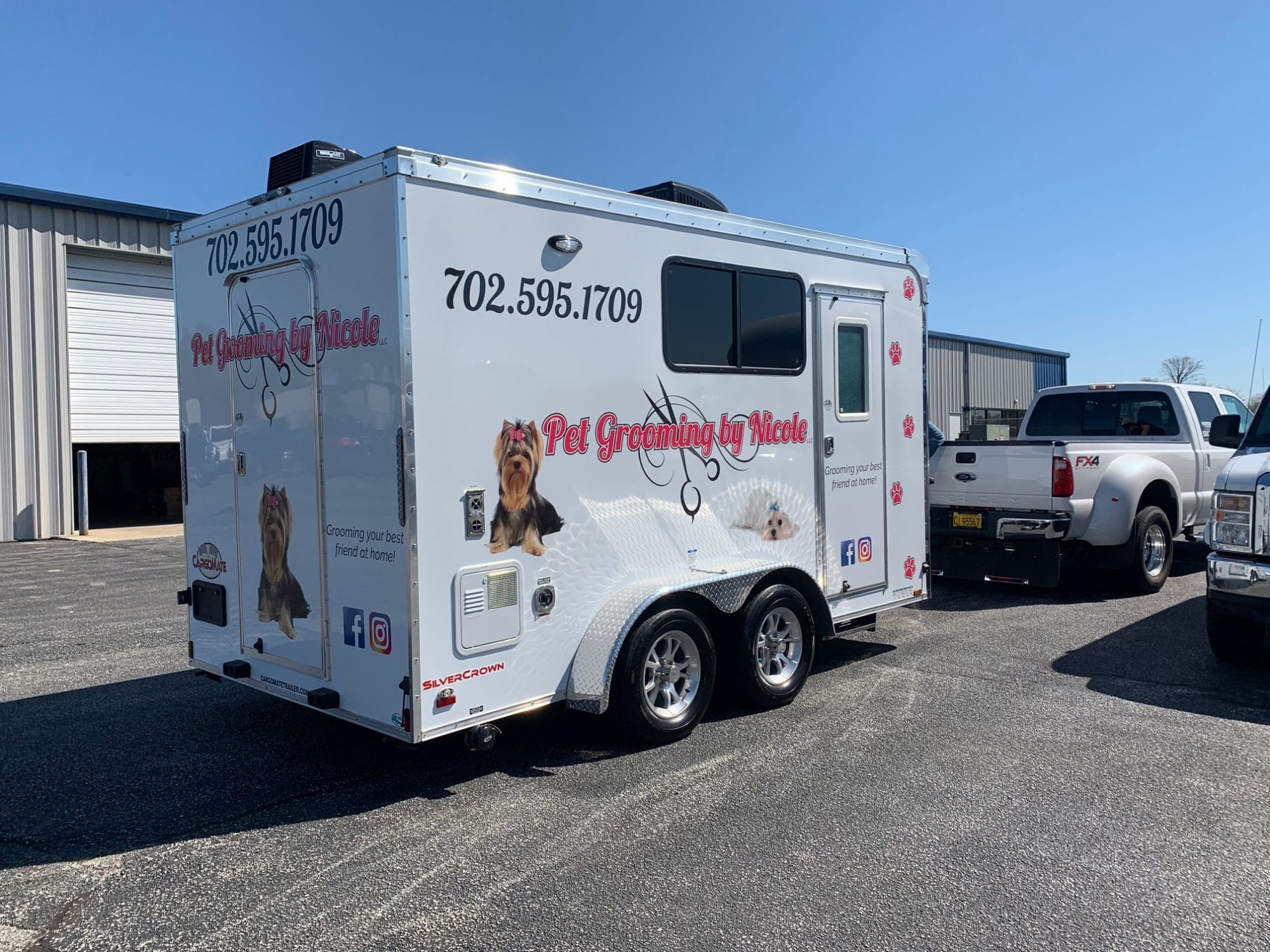
Image Source: wagntails.com
Laying the Groundwork: Business Planning and Legalities
Before you buy a single clipper, you need a solid plan. A good plan acts as your roadmap to success. It helps you secure funding and stay focused.
Crafting Your Mobile Dog Washing Business Plan
Every successful business needs a mobile dog washing business plan. This document details how your business will operate and make money. Keep it simple but thorough.
Executive Summary
Write this part last. It gives a quick look at your whole plan. Mention what you do, who you serve, and why you will succeed.
Company Description
Detail your business name and mission. Are you focusing on large breeds? Do you offer specialty services like de-shedding or aromatherapy? This is where you define your niche.
Market Analysis
Who are your customers? Look at local pet ownership rates. Who are your main rivals? Visit their websites. Check their pricing mobile dog grooming services. Find gaps you can fill. Maybe no one serves a specific wealthy neighborhood or offers late-night appointments.
Services and Pricing
List every service you will offer. Be clear about what is included in a standard groom. Do you charge extra for matted coats or difficult dogs? Set fair prices based on your research. We will cover this more later.
Financial Projections
Estimate your startup costs. How much will the van, equipment, and insurance cost? Project your monthly income for the first year. Be realistic about how many dogs you can groom daily.
Legal Structure and Registration
You must make your business official. This protects your personal assets.
Choosing a Business Structure
Most small mobile groomers start as Sole Proprietorships or LLCs (Limited Liability Companies). An LLC is often better. It separates your business debts from your personal money.
Registering Your Business Name
Register your chosen name with your state or local government. Check if the name is available first.
Licensing for Mobile Pet Grooming
What licensing for mobile pet grooming do you need? This varies a lot by location.
- General Business License: Most cities require this.
- Health Permits: Some areas want permits related to water disposal and sanitation, since you are handling animals and wastewater.
- Zoning: Check local zoning laws. Even though you work from a van, some areas restrict home-based businesses operating commercial vehicles.
Always call your local city hall or county clerk’s office. Ask them exactly what licenses you need to operate an in-home dog grooming service.
Equipping Your Mobile Operation
The van is your storefront. It must be safe, clean, and efficient. Getting setting up a van for dog grooming right is critical for your daily success.
Choosing and Outfitting Your Vehicle
You can buy a new, custom-built grooming van or convert a used van. Conversion offers lower upfront costs.
Vehicle Selection
- Newer Vans (Cargo Vans): Ford Transit, Mercedes Sprinter, or Ram ProMaster are popular. They offer good interior height. This means you won’t have to stoop over constantly.
- Trailers: Some groomers use trailers. They are cheaper upfront but require a powerful tow vehicle.
Essential Van Systems
Your van needs reliable power and water systems.
- Water: You need fresh water tanks and grey water (waste water) tanks. Check local laws on grey water disposal. Larger tanks mean fewer trips to refill or dump.
- Power: You need a robust generator or an inverter system connected to a deep-cycle battery bank. The generator must run your high-powered dryer and water heater without fail. Quiet generators are a big plus for customer satisfaction.
- Climate Control: Grooming in summer heat or winter cold requires excellent insulation and strong air conditioning/heating dedicated to the grooming space.
Essential Equipment for Mobile Dog Grooming
Your essential equipment for mobile dog grooming must be professional grade. Cheap tools break fast under heavy use.
| Equipment Category | Key Items | Importance |
|---|---|---|
| Bathing Station | Stainless steel tub (with ramp or steps), high-velocity water pump, adjustable nozzle, water heater. | Hygiene and Efficiency |
| Drying | High-velocity forced air dryer, stand dryer (for finishing work). | Coat Health and Time Saving |
| Grooming Tools | Professional clippers (with multiple blades), shears (straight, curved, thinning), combs, brushes. | Quality of Finish |
| Restraint & Safety | Grooming loops, grooming table (hydraulic or electric lift is ideal), safety restraints. | Dog Safety and Groomer Ergonomics |
| Sanitation | Hospital-grade disinfectant, cleaning sprays, towels, waste disposal bins. | Health Standards |
Tip: Invest in a hydraulic or electric grooming table. Saving your back from lifting heavy dogs daily is priceless.
Mastering Mobile Dog Grooming Operations
Running the business smoothly means managing time, money, and risk effectively.
Developing Your Service Menu and Pricing Strategy
How you price your services directly affects your profit margins. Pricing mobile dog grooming services needs careful thought.
Factors Influencing Your Price
Mobile grooming costs more than salon grooming. You must account for travel time and vehicle expenses.
- Travel Time/Mileage: Charge a service fee that covers the time it takes to drive to and from the client. Some people add a separate mileage fee if the client is outside a core service radius.
- Breed and Size: Large, double-coated breeds take much longer than small short-haired dogs. Price based on time spent, not just breed.
- Coat Condition: Severe matting requires extra labor and specialty products. Charge a significant add-on fee for dematting time.
- Supply Costs: Account for high-quality shampoos, conditioners, and supplies used.
Sample Pricing Structure Idea
Instead of charging a flat rate for a “Full Groom,” consider a base price plus add-ons.
| Service Tier | Base Price Estimate (Example) | Notes |
|---|---|---|
| Small Dog Bath & Brush | \$65 – \$85 | Includes nail trim and ear cleaning. |
| Medium Dog Full Groom | \$85 – \$110 | Requires more drying and clipping time. |
| Large Dog Full Groom | \$110 – \$150+ | Varies heavily by coat type (e.g., Poodle vs. Labrador). |
| Add-Ons | \$10 – \$30 | De-shedding treatment, flea bath, teeth brushing. |
Always give an estimate over the phone. Final pricing should be confirmed once you assess the dog in person.
Insurance and Liability Protection
Never operate without the right coverage. Mobile dog grooming business insurance is non-negotiable.
Key Insurance Types You Need
- General Liability Insurance: Covers accidents that happen on the client’s property (e.g., you slip on their walkway).
- Professional Liability (Errors & Omissions): Covers mistakes made during grooming (e.g., accidental nicks, allergic reactions to a product).
- Commercial Auto Insurance: Your personal auto policy will not cover a vehicle used commercially, especially one outfitted with expensive equipment. You need a commercial policy for your van.
- Bonds: A surety bond protects your client if you or an employee steals from their home (less common, but good for peace of mind).
Reaching Your Customers and Building Your Brand
Having a great van and skills is only half the battle. You need people to know you exist. Effective marketing a mobile dog grooming business is key to filling your schedule.
Establishing a Strong Online Presence
In today’s world, if you are not online, you don’t exist.
Professional Website
Your website is your 24/7 salesperson. It must clearly list:
- Services offered.
- Your service area (map boundaries).
- Your pricing philosophy (even if you don’t list exact prices).
- Easy contact/booking forms.
Social Media Engagement
Instagram and Facebook are perfect for showing off your work. Post high-quality before-and-after photos. Share videos of happy, clean dogs. Use local hashtags (e.g., #DenverMobileGroomer).
Localized Marketing Tactics
Since you are geographically focused, local marketing works best.
Google Business Profile (GBP)
Claim and fully optimize your Google Business Profile. This is how people find you when they search “dog groomer near me.” Collect reviews here constantly. Respond to every review, good or bad.
Local Partnerships
Team up with related local businesses. Offer referral discounts to:
- Local veterinarians.
- Independent pet supply stores.
- Dog walkers or trainers.
These businesses interact with pet owners daily. They are excellent sources for finding clients for a mobile dog grooming business.
Loyalty Programs
Reward repeat customers. Offer a “10th groom is half price” program. This encourages retention, which is cheaper than constantly seeking new clients.
Day-to-Day Operations of an In-Home Dog Grooming Service
Once you are booked, efficiency is everything.
Scheduling and Route Optimization
Poor scheduling wastes gas and time. This directly cuts into your profits.
Software Solutions
Use scheduling software designed for service routes (e.g., Square Appointments, Groomer Software, or specialized CRM tools). These tools help you:
- Input client addresses.
- Automatically map the most efficient route for the day.
- Send automated reminders to clients (reducing no-shows).
Managing Travel Time
When finding clients for a mobile dog grooming business, cluster them geographically. Try to book all morning appointments on the east side of town and afternoon appointments on the west side. Minimize driving between appointments.
The Client Experience
The customer experience defines your brand reputation.
Pre-Appointment Communication
Call the client the day before. Confirm the time window (e.g., “We will arrive between 10:00 AM and 10:30 AM”). Ask where the dog is kept and confirm entry access.
The Grooming Process
- Arrival: Park safely and professionally. Wear clean, professional attire.
- Consultation: Talk to the owner. Confirm the desired haircut. Note any health issues or behavioral concerns.
- Grooming: Keep the work area clean. Keep noise to a minimum as much as possible.
- Finishing: Clean up all hair and water from the property. Do not leave any mess behind.
- Payment & Feedback: Process payment. Ask the owner for immediate feedback on the look and behavior of their pet.
This professional approach ensures repeat business and good reviews for your mobile dog washing business plan.
Financial Health and Growth Planning
To sustain your mobile grooming venture, you must watch your numbers closely.
Tracking Expenses Accurately
Since you use a vehicle for business, tracking expenses is vital for tax time. Separate your personal and business finances completely.
Key Tax-Deductible Expenses
Keep receipts for everything related to operating the van and the grooming business:
- Vehicle purchase/lease payments.
- Fuel and oil changes.
- Insurance premiums.
- Generator maintenance.
- Shampoo, blades, and tool replacement.
- Marketing materials and website hosting.
Depreciation
You can often deduct the cost of large assets, like the grooming van and major equipment, over several years through depreciation. Consult a tax professional about this benefit.
When to Hire Help
You can only groom so many dogs a day. If demand outstrips your schedule, it is time to grow.
Hiring Your First Groomer
Hiring someone means you need a second van, more insurance, and supervisory oversight. Decide if you want to hire an employee (which means payroll taxes) or an independent contractor (which has different legal requirements). This growth phase requires adjusting your mobile dog grooming business plan significantly.
Scaling Through Shopfront
Some mobile groomers eventually use the mobile service to fund a small salon. The mobile service acts as a low-risk testing ground for the location and clientele before committing to a long-term lease.
Frequently Asked Questions (FAQ)
How much money do I need to start a mobile dog grooming business?
Startup costs vary widely. Converting a used van might cost between \$10,000 and \$20,000 for the necessary equipment, initial supplies, and insurance. Buying a fully outfitted new van can easily cost \$60,000 to over \$100,000. Always aim for a realistic budget based on buying used equipment initially.
Is mobile grooming more profitable than a fixed salon?
Generally, yes, especially in the early stages. While you have higher vehicle maintenance costs, you eliminate high rent, utility bills, and property taxes associated with a storefront. Your hourly rate can also be higher due to the convenience premium charged to the client.
How many dogs can I realistically groom in a day using a mobile setup?
Most single-operator mobile groomers aim for 4 to 7 dogs per day. This depends heavily on the size of the dogs and the distance between appointments. If you spend 90 minutes driving between three clients, you lose valuable grooming time. Route efficiency is key here.
What is the most common mistake new mobile groomers make?
The most common error is underestimating travel time and expense. They book appointments too closely together, leading to late arrivals. They also fail to adequately factor in the wear and tear on their vehicle and generator when pricing mobile dog grooming services.
Do I need special plumbing or electrical knowledge to set up a van?
Basic handyman skills are helpful, but for the complex water heater, generator, and electrical hookups needed for professional setting up a van for dog grooming, it is highly recommended to hire certified professionals (plumbers and electricians) to ensure safety and compliance with local codes. Improper electrical setup is a major fire risk.