
What is the first step to starting a dog accessory business? The first step is creating a solid dog accessory business plan. This plan guides all your choices, from what you sell to how you market it.
The pet industry is booming. People love spoiling their dogs. This makes the pet accessory niche a great place to start a business. You can create unique, high-quality items for furry friends. This guide will walk you through every step. We will cover everything from ideas to sales.
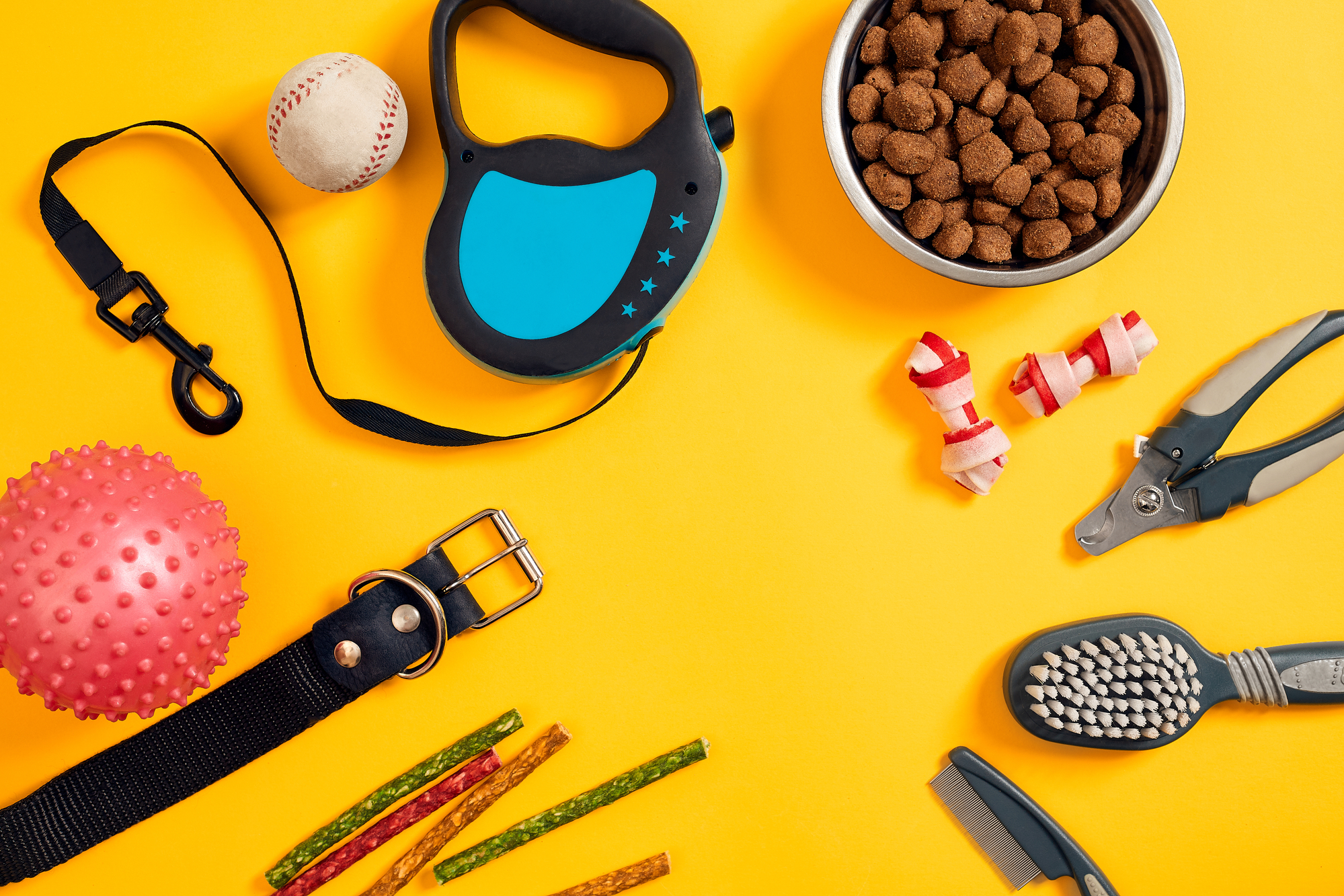
Image Source: ecommercetips.org
Laying the Foundation: Your Business Plan
A good plan is the map for your success. It helps you see the big picture. It shows you where you are going.
Defining Your Vision and Niche
What kind of dog items will you sell? You need to focus. Trying to sell everything is hard. Pick a specific area. This is your niche.
- Product Focus: Will you sell collars and leashes? Or maybe custom bandanas? Perhaps high-tech dog gadgets? Narrowing your focus helps you stand out.
- Target Customer: Who buys your items? New puppy owners? Owners of large breeds? People who love luxury goods? Knowing your buyer helps you choose the right style.
- Your Brand Story: Why are you starting this business? People connect with stories. Tell them why your dog brand creation matters to you. Maybe you focus on eco-friendly materials. Or perhaps you support local shelters.
Financial Planning and Budgeting
Money matters a lot. You need to know how much you need to start. You also need to predict how much you will make.
Initial Cost Breakdown
Think about what costs money upfront. List every expense.
| Expense Category | Estimated Cost Range | Notes |
|---|---|---|
| Legal Setup | Low to Medium | Licenses, permits, registration fees. |
| Inventory/First Batch | Medium to High | Cost of materials or initial stock. |
| Website & E-commerce | Low to Medium | Domain name, hosting, platform fees. |
| Marketing Launch | Medium | Ads, social media boost, samples. |
| Equipment | Low to Medium | Sewing machine, label printer, etc. |
Set aside extra money. Things always cost more than you think. This is your safety net.
Developing Your Dog Product Line
Now comes the fun part: deciding exactly what you will offer. Your dog product line needs to be exciting and useful.
Product Design and Prototyping
If you make your own items, you need good designs. Start simple. Test those designs often.
- Sketch Ideas: Draw what you want to make. Keep it simple at first.
- Choose Materials: Select strong, safe materials. Think about the dog’s comfort and safety.
- Create Samples: Make a few test versions. Give them to friends with dogs. Ask for honest feedback.
- Iterate and Improve: Change the design based on testing. Make it better, stronger, or prettier.
Sourcing Dog Supplies and Manufacturing Pet Gear
Where will you get your stuff? This decision impacts quality and cost.
In-House Production vs. Outsourcing
You can make everything yourself. This gives you total control. But it takes much more time.
If you want to grow fast, you might need help. This is where sourcing dog supplies becomes key.
- Finding Suppliers: Look for reliable suppliers of fabric, hardware (buckles, rings), and dyes. Attend trade shows. Search online directories. Always ask for material samples.
- Manufacturing Pet Gear: If you cannot sew 500 collars, you need a manufacturer. Decide if you want local or overseas production. Local is often faster and easier to manage quality. Overseas can be cheaper, but quality checks are harder.
Vetting Manufacturers
Never trust a manufacturer based only on a website.
- Ask for references.
- Request minimum order quantities (MOQs).
- Check their safety compliance records. Do they follow standards for pet products?
If you plan to sell in large volumes later, look into wholesale dog products. Working with a manufacturer directly for bulk orders saves money per unit.
Handling the Legal Side of Things
Starting a business means following rules. You must handle your dog business legal requirements early on. Ignoring these can lead to big fines later.
Business Structure and Registration
Choose how your business will be set up legally. Common choices include Sole Proprietorship, LLC, or Corporation. An LLC often protects your personal assets. Talk to a lawyer or accountant. They can guide your choice.
- Register your business name with your state or local government.
- Get an Employer Identification Number (EIN) from the IRS if needed. This acts like a social security number for your business.
Permits, Licenses, and Insurance
Do you need special permits? Some cities require business licenses. Check local rules.
Crucially, get business insurance. Product liability insurance is a must. If a dog gets hurt using your leash, you need protection. This protects your savings.
Labeling and Safety Standards
Pet products have rules. Labels must be clear. You must list materials. If you make toys, check rules about small parts that could be choking hazards. Safety is the number one concern for pet owners.
Building Your Online Presence
In today’s world, an online shop is vital for selling dog merchandise online. This is how most customers will find you first.
E-commerce Platform Selection
Choose a platform that fits your skills and budget.
| Platform Option | Pros | Cons | Best For |
|---|---|---|---|
| Shopify | Easy to use, scalable, many apps. | Monthly fees can add up. | Most new businesses. |
| Etsy | Built-in audience looking for handmade items. | High transaction fees, harder to build a unique brand. | Crafters testing the market. |
| WooCommerce (WordPress) | Total control, lower transaction fees. | Requires more technical setup. | Tech-savvy owners building a large site. |
Photography and Product Listings
People buy with their eyes online. Great photos are not optional; they are required.
- Use bright, clear lighting. Natural light is best.
- Show the product from all angles.
- Show the product on a dog. This helps customers see the size and fit.
- Write detailed descriptions. Include size charts clearly. Mention materials and care instructions. This reduces returns.
Marketing Dog Accessories Effectively
Having great products is only half the battle. People need to know they exist. Effective marketing dog accessories is crucial for growth.
Leveraging Social Media
Dogs rule social media! Platforms like Instagram and TikTok are gold mines.
- Visual Content: Post high-quality photos and videos daily. Show happy dogs wearing your gear.
- Influencer Outreach: Find dog accounts (micro-influencers are often best). Offer them free products for honest posts. They expose your dog brand creation to their followers.
- Run Contests: Host giveaways. Ask users to tag friends and share your post. This boosts visibility fast.
Search Engine Optimization (SEO)
You want search engines like Google to show your site when someone searches for “waterproof dog boots.”
- Keyword Research: Find terms people use. Use tools to see what customers search for.
- On-Page SEO: Use these keywords naturally in your product titles, descriptions, and blog posts.
- Blogging: Write helpful articles. Posts like “How to Measure Your Dog for a Harness” attract dog owners who are potential buyers.
Paid Advertising Strategies
Once you have some sales, consider paid ads. Start small.
- Facebook/Instagram Ads: Target users based on interests (e.g., “dog lovers,” “specific breed owners”).
- Google Shopping Ads: These show your product photo and price directly in search results. They can be very effective for selling dog merchandise online.
Scaling Your Operations and Sales Channels
When demand grows, you need ways to handle more orders.
Inventory Management
As you expand your dog product line, managing stock gets harder. Use inventory software, even a simple spreadsheet at first. Track what sells fast and what sits on the shelf.
Expanding Sales Channels
Do not rely only on your website. Where else can you sell?
- Local Markets and Pop-Ups: Set up a booth at farmer’s markets or craft fairs. This lets customers touch and feel the product. It builds local buzz.
- Wholesale Opportunities: Once you have proven sales, approach independent pet boutiques. Offer them wholesale dog products at a good discount so they can resell for a profit. This gets your product into many more physical stores.
- Online Marketplaces: Consider Amazon Handmade or specialized pet sites, but weigh the fees against the exposure.
Creating a Stellar Customer Experience
Happy customers become repeat buyers and loyal brand fans.
Shipping and Fulfillment
Fast and affordable shipping wins loyalty.
- Packaging: Your packaging is part of the brand experience. Use attractive, sturdy boxes or mailers. Include a thank-you note.
- Shipping Rates: Offer a few options. Free shipping over a certain order total encourages larger purchases.
Returns and Customer Service
Make returns easy. A tough return policy scares away new buyers. Answer customer questions quickly. Use a friendly, helpful tone in all communication. Excellent service reinforces your dog brand creation as trustworthy.
Future Growth: Innovation and Expansion
The pet world changes fast. Stay ahead by innovating.
Developing New Products
Use customer feedback to drive your next product. Are many customers asking for a matching harness for a specific collar? That is your next item! Keep exploring new areas within the pet accessory niche. Maybe move into high-end travel gear or personalized ID tags.
Exploring New Manufacturing Avenues
As volume increases, you might need to look at mass production options. Review your initial manufacturing choices. Can you get better rates by committing to larger annual volumes? Constantly check the market for better, more ethical, or cheaper ways of sourcing dog supplies without sacrificing quality.
Frequently Asked Questions (FAQ)
Q: How much money do I need to start a dog accessory business?
A: It varies greatly. If you sew everything yourself and sell only locally, you might start for under \$500. If you design custom items and order a large first batch from a manufacturer, expect to need \$3,000 to \$10,000 or more for initial inventory and legal setup.
Q: Can I sell my dog accessories without insurance?
A: While you can legally start without it in some places, it is extremely risky. Product liability insurance is vital protection against lawsuits if a dog is injured by your product. It is a necessary part of dog business legal requirements.
Q: What is the hardest part about sourcing dog supplies?
A: The hardest part is usually ensuring consistent quality across large batches. You must rigorously test samples from any supplier before committing to a major order when sourcing dog supplies.
Q: Should I focus on making handmade items or selling manufactured goods?
A: Many successful brands start handmade to establish quality and brand identity. As you grow, you transition to manufacturing pet gear or finding reliable wholesale partners to keep up with demand while maintaining quality control.
Q: What makes a strong dog accessory business plan?
A: A strong dog accessory business plan clearly defines your niche, outlines realistic financial projections, details your sourcing and manufacturing strategy, and presents a clear marketing roadmap for reaching your target customer.
Q: How do I handle sizing when selling dog gear online?
A: Provide very detailed sizing guides with clear measuring instructions (e.g., “Measure around the ribcage, two inches behind the front legs”). Include charts showing which size fits common breeds as a reference point.