
If you are asking, “Can I remove dog poop stains from my carpet?”, the answer is absolutely yes, you can effectively remove dog poop stains from your carpet using simple steps and household items. Getting dog waste out of the carpet requires quick action and the right tools. Dealing with pet accidents can be messy, but with this guide, you will learn exactly how to clean up and restore your carpet. We cover everything from the first scrape to the final deodorizing.
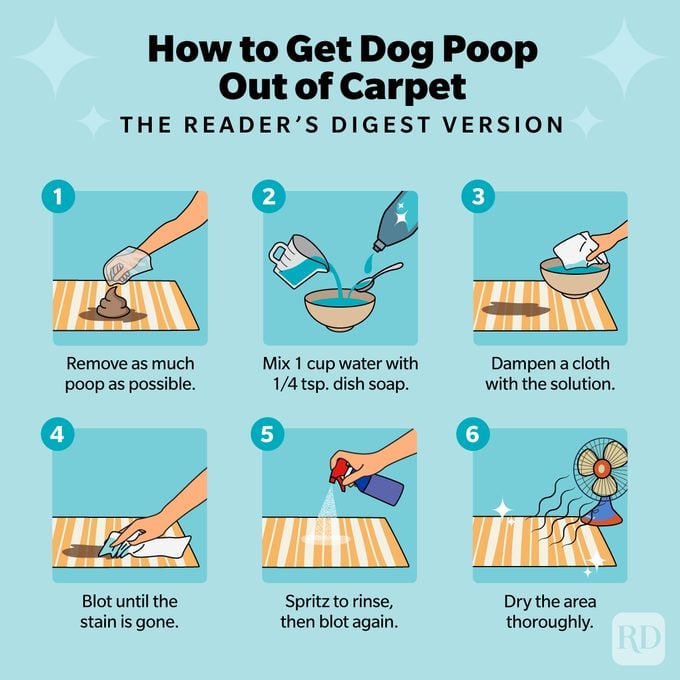
Image Source: www.rd.com
Immediate Action: Dealing with Fresh Dog Mess on Carpet
Time is your biggest enemy when dealing with pet messes. The faster you act, the better your chances are of removing the stain completely. Cleaning fresh dog mess on carpet requires a careful, step-by-step approach to avoid pushing the mess deeper into the fibers.
Step 1: Gear Up for Safety
Before you touch the mess, protect yourself. Pet waste can carry bacteria, so safety comes first.
- Wear rubber or disposable gloves.
- Use old clothes you don’t mind getting dirty, or use an apron.
Step 2: Scrape Away the Bulk
You must remove as much solid material as possible before applying any liquids. Pushing liquid on top of solids will just spread the stain.
- Use a sturdy, dull tool. A plastic putty knife, a sturdy piece of cardboard, or even a plastic spoon works well.
- Gently scrape the surface of the carpet. Work from the outer edge of the stain inward. This stops the stain from spreading further.
- Dispose of the scraped material immediately in a sealed plastic bag. Take the trash outside right away.
Step 3: Blot, Don’t Rub
Once the solids are gone, you will be left with the liquid residue or smear. Rubbing at this stage is a big mistake. Rubbing forces the stain down into the carpet padding.
- Use old, clean white cloths, paper towels, or even newspaper. White material helps you see how much stain you are lifting.
- Press down firmly on the stained area. This is called blotting.
- Keep blotting with a clean section of the cloth until no more color transfers from the carpet to the towel. This is key for lifting dog excrement from carpet fibers without damage.
Choosing Your Cleaning Agents: Solutions for Dog Waste Carpet Cleaning
After removing the bulk, you need a cleaning solution to tackle the remaining color and odor. You have options ranging from simple homemade mixtures to specialized products. Dog waste carpet cleaning relies heavily on using the right agents.
The Power of Enzyme Cleaners
For pet stains, especially those containing organic matter like feces or urine, enzyme cleaner for dog poop is highly recommended. These cleaners are the best products for dog poop stains because they work differently than regular soaps.
Enzymatic cleaners contain helpful bacteria and enzymes. These agents actually “eat away” the odor-causing proteins and organic material left behind. This is vital for deep cleaning, especially if you plan to treat urine stains on rug later, as the odor draws the pet back to the spot.
- How to Use Enzymes: Saturate the stained area according to the bottle’s instructions. Often, you need to let the solution sit for 10 to 15 minutes (or longer) to allow the enzymes time to work. Cover the area with a damp, clean towel while it soaks to keep the cleaner active.
Homemade Dog Stain Remover Options
If you don’t have an enzymatic cleaner handy, you can try a homemade dog stain remover. These options are good for immediate use on fresh spots.
Option A: Vinegar and Water Solution
White vinegar is a mild acid that helps break down many organic stains and neutralizes odors.
- Recipe: Mix one part white vinegar with two parts cool water.
- Application: Apply the mixture directly to the stain using a spray bottle or a sponge. Let it sit for about 10 minutes. Blot thoroughly with clean, dry towels until the area is almost dry.
Option B: Dish Soap Mixture
Mild dish soap breaks down fats and oils that might be present in the stool.
- Recipe: Mix one teaspoon of clear, mild dishwashing liquid (avoid anything with bleach or heavy dyes) into two cups of warm water.
- Application: Apply a small amount of the soapy water to the stain with a cloth. Gently work it into the area (blotting motion). Rinse by blotting with a cloth dampened with plain water.
| Cleaning Agent | Best For | Pros | Cons |
|---|---|---|---|
| Enzyme Cleaner | Deep stains, odor removal | Breaks down organic matter, prevents repeat soiling | Requires dwell time, costs more than home remedies |
| Vinegar Solution | Fresh stains, general deodorizing | Cheap, readily available, natural disinfectant | Smell fades, may not lift deep color completely |
| Dish Soap Solution | Breaking down residue/fats | Good initial cleaning agent, easy to find | Requires thorough rinsing to prevent soap residue |
Treating Stubborn or Dried-On Stains
Sometimes you don’t catch the mess right away. Dried dog poop can be tough because the material hardens and binds tightly to the carpet fibers. This requires a slightly different approach for pet stain removal carpet.
Softening the Dried Matter
You need to reintroduce moisture to soften the dried mess before scraping or cleaning.
- Saturate Gently: Dampen a clean cloth or sponge with warm water. Do not pour water directly onto the carpet, as this risks over-wetting the pad underneath.
- Apply Warmth: Place the warm, damp cloth over the hardened stain. Let it sit for 15 to 20 minutes. The goal is to rehydrate the stain.
- Scrape Again: Once softened, use your dull scraping tool again. You should find it lifts away much easier now. Repeat the wetting and scraping process if necessary.
Using Specialized Spot Treatments
If homemade solutions fail on a tough spot, consider commercial spot removers designed specifically for pet stains. Look for products labeled as the best products for dog poop stains. These often contain oxygen boosters or specialized solvents safe for most carpets. Always test these products in an inconspicuous area first to check for colorfastness.
Deep Cleaning and Odor Elimination
Even after you have removed the visible stain, the microscopic odor molecules often linger. If you skip this step, your dog might return to the same spot because they can still smell the accident. We need methods for carpet deodorizer for dog accidents.
Rinsing is Crucial
After using any cleaning solution (especially soap or vinegar), you must rinse the area well. Leftover cleaning agents can attract dirt, creating a new dark spot over time, or they can damage carpet fibers.
- Dampen a clean cloth with plain, cool water.
- Blot the cleaned area repeatedly to pull out the cleaning residue.
- Continue blotting with dry towels until no moisture transfers.
Applying the Deodorizer
This is where the enzymatic cleaner shines again, even if you used soap first. If the stain is gone but the smell persists, apply the enzyme cleaner liberally to the area where the poop was.
- Saturate: Make sure the cleaner reaches as deep as the original stain did.
- Wait: Follow the product directions—this might mean letting it sit for several hours or even overnight, sometimes covered lightly with plastic wrap to prevent fast evaporation.
- Dry Thoroughly: Blot up any excess liquid. Allow the area to air dry completely. If possible, use a fan to speed up drying time, which prevents mildew.
If you are struggling to treat urine stains on rug and the smell remains, consider professional extraction. Sometimes the odor sinks deep into the carpet backing and padding, making home treatment difficult.
When to Call the Professionals
There are times when a DIY approach isn’t enough. Knowing when to call in the experts saves you time, effort, and potential carpet damage. Professional carpet cleaning dog mess is often necessary in these situations:
- Large Accidents: If the area soiled is very large, it is hard to clean the padding underneath yourself.
- Old, Set-In Stains: Very old stains that have bleached or chemically bonded with the carpet fibers may need industrial strength extraction.
- Deep Penetration: If you suspect the feces soaked through the carpet backing and into the padding or subfloor, professionals have tools to deal with sub-surface cleaning.
- Sensitive Carpet Types: Delicate materials like wool or antique rugs should ideally be handled by experts specializing in delicate pet stain removal carpet work.
Professional services use powerful hot water extraction combined with strong, pet-safe cleaning agents designed to sanitize and fully extract contaminants.
Carpet Maintenance Tips to Prevent Future Stains
Prevention is always easier than cleanup. Keep your carpets looking great by following these simple care routines.
Routine Vacuuming is Essential
Regular vacuuming removes grit and dirt. Grit acts like tiny knives that cut carpet fibers, making them more likely to trap and hold onto stains when an accident happens.
Keep Supplies Handy
Always have your dog waste carpet cleaning toolkit ready. Keep gloves, paper towels, an old plastic scraper, and a bottle of quality enzymatic cleaner stored near your pet supplies. Being ready means you can tackle cleaning fresh dog mess on carpet immediately.
Protect High-Traffic Areas
If your dog frequently has accidents in one specific spot, consider placing a washable, absorbent rug or mat there temporarily. This protects your main carpet while you work on training issues.
Quick Reference Troubleshooting Table
Use this table to quickly decide what to do based on the state of the stain.
| Stain Condition | Recommended First Action | Key Product to Use | Critical Next Step |
|---|---|---|---|
| Fresh & Wet | Gently scrape solids; blot liquids vigorously. | Enzyme Cleaner or Vinegar/Water Mix | Rinse thoroughly and dry completely. |
| Dried & Hard | Re-moisten with warm, damp cloth; allow time to soften. | Stronger enzyme solution or commercial spot lifter. | Scrape gently, then treat residual odor. |
| Odor Remains Only | Saturate the spot area lightly but deeply. | High-quality carpet deodorizer for dog accidents (Enzyme-based). | Allow long dwell time (hours) for full breakdown. |
Frequently Asked Questions (FAQ)
What is the quickest way to remove dog poop from carpet?
The quickest way is immediate action: Wear gloves, scrape off all solids with a dull tool, and blot up residual liquid using paper towels. Follow this immediately with a blotting application of an enzyme cleaner.
Can I use bleach to clean dog poop stains?
No, you should almost never use bleach on carpet. Bleach can permanently remove the color from your carpet fibers, causing a noticeable white spot that is often worse than the original stain. It is not recommended for pet stain removal carpet tasks.
How long should I let the enzyme cleaner sit on the carpet?
This varies by brand. For standard spots, 15 to 30 minutes might suffice. For strong odors or old stains, many experts suggest letting the enzyme cleaner sit for several hours, or even overnight, covered with a damp towel to keep it active. Always check the specific instructions on your enzyme cleaner for dog poop.
Will cleaning the stain myself make the smell worse?
If you use the wrong technique (like rubbing or using too much soap that leaves residue), the smell might linger or attract dirt. However, using a proper enzymatic cleaner is specifically designed to eliminate the odor molecules, making the smell much better, not worse.
How do I prevent my dog from soiling the same spot again?
If you successfully clean the spot but the odor isn’t fully neutralized, the dog will smell it and return. Use a strong carpet deodorizer for dog accidents (enzyme cleaner) liberally. You can also temporarily place a favorite toy or food bowl over the cleaned spot to change the association with that area.