
Yes, you can absolutely remove dog poop smell from your floor effectively using the right cleaning methods and products. Dealing with a dog mess, especially one that has left a lasting smell, is never fun. That funky odor can linger for days, making your home feel less fresh. This guide will show you simple, proven steps to tackle that smell head-on. We will cover everything from quick cleanups to deep treatments for tough stains.
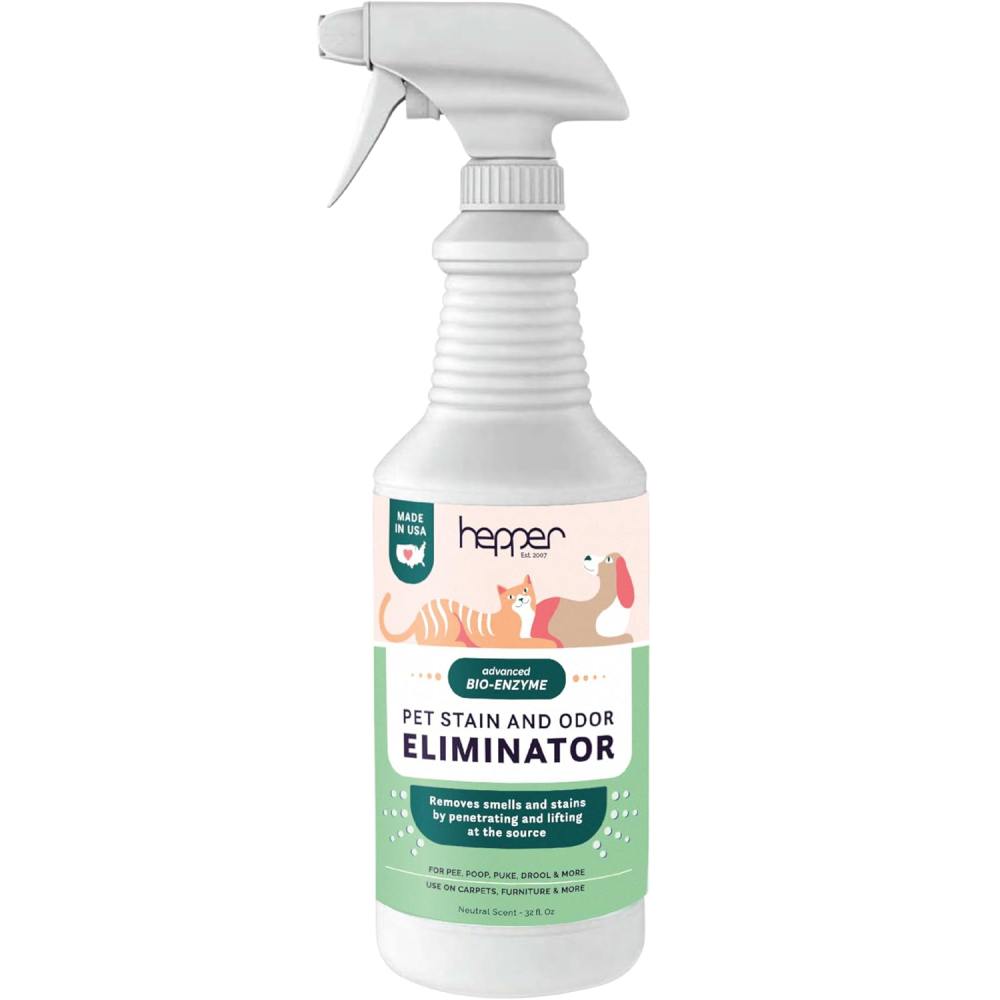
Image Source: www.dogster.com
The Science Behind Lingering Pet Odors
Why does dog poop smell stick around? Dog waste contains bacteria and organic matter. When this matter breaks down, it releases volatile organic compounds (VOCs). These VOCs are what your nose detects as that unpleasant smell. Simply mopping with soapy water often only masks the odor briefly. It doesn’t break down the odor-causing bacteria. To truly get rid of the smell, you must eliminate the source. This means targeting the bacteria embedded in the floor surface or grout lines. Effective dog odor removal requires chemical action, not just scrubbing.
Immediate Action: The First Crucial Steps
Speed is your best friend when dealing with a fresh dog mess. The longer it sits, the deeper the odor sinks in.
Safely Removing the Solid Waste
First, grab your supplies. Never use your bare hands!
- Wear gloves: Protect your skin from bacteria.
- Use disposable tools: Paper towels or old newspapers work well for scooping.
- Scrape gently: If the poop is sticky, use a putty knife or a stiff piece of cardboard to gently lift the bulk off the floor. Avoid smearing it around.
- Dispose properly: Seal the waste in a plastic bag before putting it in the trash.
Wiping Down the Area
After the solids are gone, you need to clean the residue left behind.
- Blot, don’t rub: Use clean paper towels to blot up any wet spots. Rubbing pushes the residue deeper into the floor material.
- Rinse lightly: Use a damp cloth with plain water to wipe the area one last time. This removes surface soap or cleaning product residue.
Choosing the Right Cleaner for Deep Odor Control
Once the mess is physically gone, it’s time to fight the smell. For serious dog odor removal, standard household cleaners often fail. You need products designed to break down organic proteins.
The Power of Enzymatic Cleaners
Enzymatic cleaner for dog waste is the gold standard. These cleaners use special, safe bacteria (enzymes) that eat up the organic material that causes the smell.
- How they work: The enzymes act like tiny hungry Pac-Men. They digest the proteins and bacteria from the waste. This destroys the source of the smell, rather than just covering it up.
- Application is key: Always follow the label directions carefully. Most enzymatic cleaners need time to work. They must stay wet on the surface for several hours, sometimes even overnight. This soaking time allows the enzymes to do their job fully.
- Finding the right product: Look for products specifically labeled for pet stains and odors. This confirms they contain active enzymes. This is often the best floor cleaner for dog feces in the long run.
Seeking Out Organic Pet Stain Remover Options
Some pet owners prefer natural routes. An organic pet stain remover might use plant-derived enzymes or strong natural acids, like vinegar.
- Natural Enzyme Products: These work much like synthetic ones but use naturally sourced organisms. They are often better for homes with very sensitive pets or children.
- Vinegar Solutions: White vinegar is acidic. It helps break down some residues.
- Mix one part white vinegar with three parts water.
- Spray or pour onto the affected area.
- Let it sit for 10 to 15 minutes.
- Wipe clean. Note: Vinegar is great for cleaning but may not fully neutralize pet urine smell residue if the poop stain is deep.
Floor Type Matters: Tailored Cleaning Methods
The material of your floor drastically changes how you must clean it. A strong cleaner safe for ceramic might destroy wood.
Hardwood Floors: Gentle Care is Essential
Wood is porous and can soak up liquids quickly, leading to deep odors and damage.
- Limit Moisture: Use cleaners sparingly. Too much liquid can cause wood to warp or swell.
- Use Specific Cleaners: Opt for pH-neutral cleaners made for sealed hardwood.
- Enzymes on Wood: If using an enzymatic cleaner, apply it very lightly with a cloth, then wipe it up thoroughly after the recommended dwell time. Do not let it pool or soak.
- Avoid Acidic Cleaners: Vinegar can dull the finish on many modern wood floors. Test any cleaner in a hidden spot first.
Tile and Grout: Tackling Porous Surfaces
Tile itself is usually sealed and easy to clean. The real problem area is the grout. Grout is like a sponge for odors.
- Deep Cleaning Grout: Removing pet waste odor from tile often means focusing intensely on the grout lines.
- Scrubbing Power: Use a stiff-bristled brush (a dedicated grout brush works best) with your enzymatic cleaner. Scrub back and forth to push the cleaner deep into the porous grout.
- Baking Soda Paste: For very set-in odors, make a thick paste of baking soda and water. Apply this paste directly to the grout lines. Let it sit for an hour before scrubbing and rinsing. Baking soda naturally absorbs and helps eliminate lingering dog smell indoors.
Vinyl and Laminate Floors: Surface Cleaning Focus
These floors are less porous than wood or unsealed grout. Cleaning the surface residue is usually sufficient.
- Mild Solutions: A good quality mop with warm water and a few drops of mild dish soap often works for the main mess.
- Odor Treatment: If the smell persists, use your enzymatic cleaner lightly sprayed over the area, following the instructions. These materials generally don’t absorb deep odors easily unless the waste sat for a very long time or seeped under a seam.
Deep Cleaning Dog Accident on Floor Scenarios
Sometimes, the mess isn’t just a surface issue. Maybe your dog had diarrhea, or the poop sat there for hours before you found it. This requires a deep clean dog accident on floor protocol.
When to Bring in Stronger Measures
If the smell remains after two or three enzymatic treatments, you might need to consider stronger action, especially on porous surfaces like unsealed concrete or old grout.
-
Hydrogen Peroxide (Use with Caution): A 3% hydrogen peroxide solution can help break down organic matter and sanitize.
- WARNING: Test this first! Peroxide can bleach or discolor some floor materials, especially darker tiles or wood stains.
- Apply the solution, let it bubble for a few minutes (this shows it is reacting), then wipe thoroughly. Rinse with plain water.
-
Steam Cleaning: For sealed hard floors, a steam cleaner can offer intense heat and moisture to sanitize. The heat helps lift trapped residues. Be cautious with wood floors, as excessive steam can damage the sealant.
Considering Professional Treatment
For extreme cases, such as widespread contamination or odors baked into subflooring (if the mess seeped through cracks), you might need professional dog mess odor treatment. Professionals have industrial-grade ozone generators or chemical treatments that can penetrate deep into materials where home remedies cannot reach.
Homemade Dog Poop Smell Remedies That Actually Work
If you don’t have an enzymatic cleaner handy, certain homemade dog poop smell remedies can offer temporary relief or aid in the primary cleaning process.
| Homemade Remedy | Primary Benefit | How to Use | Caution |
|---|---|---|---|
| White Vinegar Solution | Deodorizes, mild disinfectant | Mix 1:3 with water. Spray and wipe. | Can dull some floor finishes. |
| Baking Soda | Absorbs smells, mild abrasive | Sprinkle dry on area after initial clean, leave hours, then vacuum. Or make a paste. | Needs thorough vacuuming/rinsing afterward. |
| Lemon Juice & Water | Fresh scent, mild bleaching action | Mix juice of one lemon with a cup of water. Spray lightly. | Use sparingly; acid content can be risky on some finishes. |
| Borax Solution | Stronger deodorizer/cleaner | Mix 1 tablespoon Borax into a gallon of warm water. Mop. | Keep away from pets until floor is fully dry and rinsed. |
Ensuring Complete Odor Eradication
The goal is not just to make the smell go away today but to eliminate lingering dog smell indoors for good. This requires patience.
Dwell Time is Non-Negotiable
The biggest mistake people make with enzymatic cleaners is wiping them up too soon. Enzymes need time to consume the odor-causing bacteria. If the label says leave it wet for 24 hours, cover the area with plastic wrap to keep it moist and leave it! This might seem extreme, but it is often the secret to success.
Re-treating Smelly Areas
If you clean an area and the smell seems to come back a day later, it means you missed some bacteria. Re-treat the area immediately with the enzymatic product. Sometimes, humidity or temperature changes can reactivate faint odors trapped beneath the surface.
Air Circulation
Once cleaning is done, maximize air flow. Open windows. Use fans. Good ventilation speeds up the evaporation of residual moisture and helps carry away any last traces of VOCs. A good air purifier with a carbon filter can also help scrub the air clean of lingering odors.
Maintenance and Prevention: Keeping the Smell Away
The best way to remove the smell is to prevent it from setting in in the first place.
- Immediate Cleanup Policy: Train yourself (and your family) to clean up any accidents the moment they happen.
- Regular Floor Mopping: Keep up with your regular cleaning schedule using a floor cleaner appropriate for your surface type.
- Wash Bedding: If the dog’s crate or favorite bedding area is near the floor, wash all fabric items frequently. Fabric traps odor easily.
- Consulting Professionals for Persistent Issues: If you have tried everything and still struggle, it might be time for professional dog mess odor treatment. They have specialized equipment that can handle odors trapped in subflooring, carpets, or large expanses of grout that homeowners cannot reach effectively.
Comprehending Odor vs. Stain Removal
It is important to know that removing the visual stain is not the same as removing the smell. The stain might disappear with soap and water, but the bacteria causing the odor can remain invisible, particularly on porous surfaces. Always use a product that attacks the biological source—the enzymes—to ensure complete dog odor removal.
Frequently Asked Questions (FAQ) About Removing Dog Poop Smell
Q1: Can I use bleach to clean dog poop smells?
A: While bleach kills germs, it is generally not recommended as the best floor cleaner for dog feces odor removal. Bleach can damage the color of many floor types, especially grout and natural stone. More importantly, bleach only sanitizes the surface; it does not digest the organic proteins causing the smell like an enzymatic cleaner does. If the organic matter is still present, the smell will eventually return.
Q2: How long does it take for an enzymatic cleaner to work?
A: This varies by product and the severity of the mess. For fresh messes, the cleaner might start working immediately, but you must let it sit for at least 30 minutes up to several hours (or as directed by the label) before wiping. For very old or deep stains, you may need to keep the area moist with the cleaner for 12 to 24 hours to ensure the enzymes fully digest the odor source.
Q3: My dog peed where the poop was—will cleaning the poop smell remove the urine smell too?
A: Poop and urine require slightly different approaches, but an enzymatic cleaner designed for dog waste is usually effective against both. Urine smell often comes from uric acid crystals that bind strongly to surfaces. A good enzymatic cleaner breaks down these crystals. However, if the urine smell is overwhelming, you might need a dedicated product designed specifically to neutralize pet urine smell as a secondary step.
Q4: What should I use to remove pet waste odor from tile grout?
A: Grout is highly porous. For removing pet waste odor from tile, use an enzymatic cleaner generously applied to the grout lines. Use a stiff, non-metal brush to scrub the cleaner deep into the grout lines. Allow a long dwell time (several hours or overnight). Baking soda paste applied before scrubbing can also help lift the trapped odor.
Q5: Is it safe to use homemade remedies if I have a new puppy or sensitive dog?
A: When using homemade dog poop smell remedies, be cautious. While vinegar and lemon juice are natural, their acidity can irritate sensitive skin or paws if residue remains. Baking soda is generally very safe once vacuumed or rinsed well. If you choose homemade, always test a small area first and rinse thoroughly. For maximum safety and effectiveness, especially when performing a deep clean dog accident on floor, stick to veterinarian-approved or pet-safe enzymatic products.