
Can I remove a cyst on my dog at home? Generally, you should not attempt to remove a cyst on your dog at home, especially surgical removal. While some minor, superficial lumps might seem harmless, improper removal can lead to infection, severe bleeding, incomplete removal leading to regrowth, and significant pain for your pet. Always consult your veterinarian first to confirm the nature of the lump.
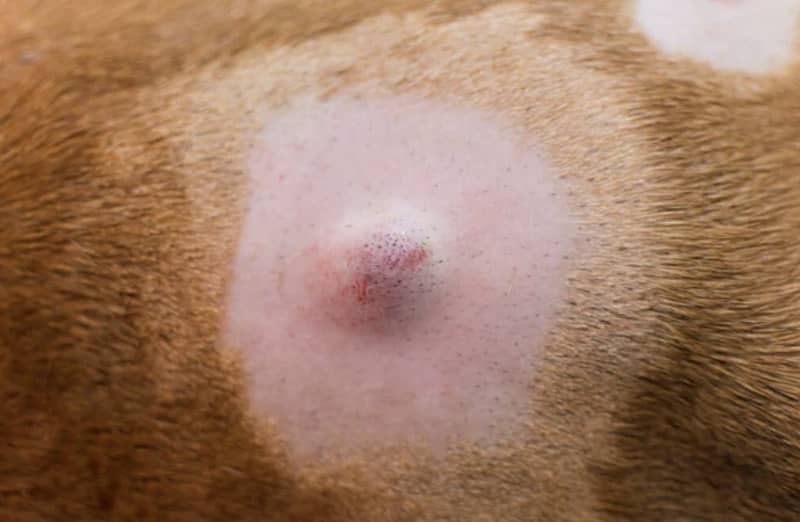
Image Source: lavengel.com
Recognizing the Problem: What Exactly is a Dog Cyst?
A cyst is a closed sac under the skin. It fills with fluid, air, or other material. They are quite common in dogs. Most are harmless, but knowing what you are looking at is key.
Fathoming Different Types of Lumps
Not every lump on your dog is the same. Some are fatty tumors, while others might be true cysts. It is vital to know the difference before thinking about dog cyst removal at home.
| Cyst/Tumor Type | Description | Common Location |
|---|---|---|
| Sebaceous Cyst | Formed from blocked oil glands. Often firm, movable. | Trunk, legs, face. |
| Lipoma | Fatty tumor. Usually soft and doughy. | Neck, chest, belly. |
| Epidermal Inclusion Cyst | Forms when skin cells get trapped under the surface. | Anywhere on the body. |
| Abscess | A pocket of pus caused by infection. Usually warm and painful. | Near bite wounds or injections. |
Identifying Dog Skin Tumors Versus Cysts
When you feel a lump, your first step should be identifying dog skin tumors. A veterinarian uses several methods to tell a benign cyst from something more serious, like a cancerous tumor.
- Texture: Cysts are often smooth and movable. Tumors can feel hard and fixed in place.
- Growth Rate: Cysts often grow slowly or stay the same size. Rapid growth is a major warning sign.
- Appearance: Some cysts might rupture or leak smelly, cheesy material.
When to Worry About a Dog Lump
Knowing when to worry about a dog lump can save your pet unnecessary stress or delay needed care. While many lumps are benign, some require urgent attention.
Warning Signs Requiring Immediate Vet Care
If you notice any of these signs, skip home treatment and go to the vet right away:
- The lump bleeds easily or has open sores.
- It is hot, red, and very painful to the touch. This suggests an abscess or severe infection.
- The lump grows very fast over just a few weeks.
- Your dog shows signs of pain, like limping or refusing to be touched near the lump.
- The lump interferes with your dog’s movement or daily activities.
Professional Care: Veterinary Treatment for Dog Cysts
The safest and most reliable way to deal with a cyst is through professional care. Veterinary treatment for dog cysts offers the best outcome with the lowest risk.
The Diagnostic Process
Your vet will start with a physical check. They might then suggest certain tests.
Fine Needle Aspiration (FNA)
This is a common first step. The vet uses a tiny needle to draw cells from the lump. They check these cells under a microscope. This helps confirm if the lump is just fluid (a cyst) or something else.
Biopsy
If the FNA is unclear, or if cancer is suspected, a biopsy is needed. This involves taking a small piece of tissue for deeper lab testing.
Approaches to Sebaceous Cyst on Dog Treatment
For confirmed, non-cancerous cysts, vets have clear treatment paths. Sebaceous cyst on dog treatment often depends on size and whether it causes issues.
- Observation: Small, non-symptomatic cysts may just be monitored. They often do not bother the dog.
- Aspiration: For larger, bothersome cysts, the vet may simply drain the fluid. This offers temporary relief. The fluid often returns, though.
- Surgical Excision: This is the most permanent solution. The entire sac is removed. This prevents the cyst from filling up again.
Lump Removal Surgery on Dog Considerations
Surgery is the gold standard for permanent removal. It is a minor procedure for simple cysts but requires anesthesia.
- Preparation: Your dog will have blood tests before surgery. They will fast (no food) before the procedure.
- The Procedure: The vet shaves the area. They make an incision over the cyst. They carefully remove the entire cyst lining. Stitches close the incision.
- Post-Surgery: Dogs go home the same day, usually with pain medication and antibiotics if infection risk is high.
Exploring Alternatives: Can You Treat Cysts Without Surgery?
Many owners look for less invasive options. While full removal usually requires a vet, some non-surgical methods exist for management.
The Risks of Draining a Cyst on a Dog at Home
Never try draining a cyst on a dog yourself unless specifically instructed by your vet to manage a sterile situation. Poking or cutting a cyst at home carries huge risks:
- Infection: Non-sterile tools introduce bacteria deep into the tissue.
- Incomplete Removal: If the sac lining is left behind, the cyst will refill.
- Bleeding: You might hit a blood vessel, causing serious bleeding.
The Role of Natural Remedies for Dog Cysts
Some supportive treatments can help manage inflammation or minor irritation associated with cysts. These are not cures for removal but aids for comfort.
- Warm Compresses: Applying a clean, warm, damp cloth several times a day can sometimes encourage superficial cysts to soften or rupture naturally (though this is rare for true cysts). Always use gentle pressure only.
- Dietary Support: Good nutrition supports skin health. Omega-3 fatty acids (fish oil) can help reduce general inflammation in the body.
- Topical Aloe Vera: For mild surface irritation on an intact cyst, pure, pet-safe aloe vera gel may soothe the skin. Never apply it to an open wound.
Caution: Never use harsh chemicals, undiluted essential oils, or unapproved topical creams on your dog’s skin. They can cause severe chemical burns or poisoning if licked.
When Vets Prescribe Cyst Antibiotics for Dogs
Antibiotics are not used to shrink a cyst itself. They are necessary if the cyst becomes infected.
- If the sebaceous cyst on dog treatment leads to rupture or if the cyst turns into an abscess, your vet will likely prescribe cyst antibiotics for dogs.
- The vet must confirm a bacterial infection first, often via a culture swab, to ensure the right antibiotic is used.
Post-Procedure Care: Ensuring Proper Healing
Whether the cyst was aspirated or surgically removed, aftercare is critical for successful healing.
Essential At-Home Care After Dog Cyst Removal
Good aftercare minimizes complications and supports healing.
- Restricted Activity: Keep your dog calm for the first 7 to 10 days. No running, jumping, or rough play. Leash walks only.
- Incision Monitoring: Check the surgical site daily. Look for redness, swelling, or discharge. A little wetness or pinkness is normal initially.
- Prevent Licking: The single most important step is preventing licking or chewing. Use an Elizabethan collar (cone) or a recovery suit as directed by your vet. Licking introduces bacteria and pulls out stitches.
- Medication Compliance: Give all prescribed pain relief and antibiotics exactly as directed. Do not stop antibiotics early, even if the site looks perfect.
- Suture Removal: If non-dissolvable stitches were used, schedule the follow-up appointment for removal, usually 10–14 days later.
Managing Minor Swelling or Bruising
Mild bruising or localized swelling around the incision is common for a few days after surgery.
- Contact your vet if the swelling seems hard, hot, or spreads significantly beyond the incision line.
- Never try to massage or apply heat to a surgical site unless the veterinarian specifically advises it.
Comprehensive Comparison: Home Care vs. Veterinary Care
When deciding the best path forward, weigh the risks and benefits clearly.
| Feature | At-Home “Removal” (Aspiration/Poking) | Veterinary Surgical Excision |
|---|---|---|
| Safety | Very Low; high infection risk. | Very High; sterile environment. |
| Effectiveness | Temporary; sac lining usually remains. | High; permanent if the entire sac is removed. |
| Pain Management | None or improper relief. | Full anesthesia and post-op pain control. |
| Risk of Regrowth | Very High. | Low. |
| Cost | Low initial cost, but often leads to higher vet bills later if infection occurs. | Higher initial cost for a definitive solution. |
Frequently Asked Questions (FAQ) About Dog Cysts
How long does it take for a dog cyst to go away on its own?
If it is a true cyst, it likely will not go away on its own unless it ruptures naturally and drains completely, which can take a long time and risk infection. Lipomas (fatty tumors) may stay the same size forever or grow very slowly.
Is it okay if my dog’s cyst leaks a little?
If the cyst leaks clear or white fluid occasionally, it might just be irritated. However, if it leaks thick, smelly, yellowish, or bloody pus, it is likely infected or ruptured severely. Call your vet immediately for treatment, possibly requiring cyst antibiotics for dogs.
Can I use tea tree oil on my dog’s cyst?
No. Tea tree oil is toxic to dogs, even when diluted, if they lick it off their fur. Stick to veterinary-approved products and warm compresses for surface irritation.
My dog has a hard lump; is it cancer?
A hard lump needs professional evaluation. While many hard lumps are benign masses like fibromas, only a biopsy can rule out malignant tumors. This is why promptly identifying dog skin tumors is crucial.
What if the vet decides on watchful waiting?
If the vet recommends observation, they believe the cyst is small, not infected, and not likely to cause problems. Continue checking the lump weekly. Note any changes in size or texture. Revisit the vet if you see any signs mentioned in the “When to Worry” section.