
Yes, you can put a dog collar on right away! You should always put a dog collar on your new pet as soon as you bring them home for safety and identification purposes. Getting the dog collar fitting just right is crucial for your dog’s comfort and security. A poorly fitted collar can slip off, leading to lost pets, or it can cause skin irritation or breathing issues. This guide will walk you through every step of putting on dog harness options and traditional collars correctly. We will cover proper dog collar sizing for different types of collars.
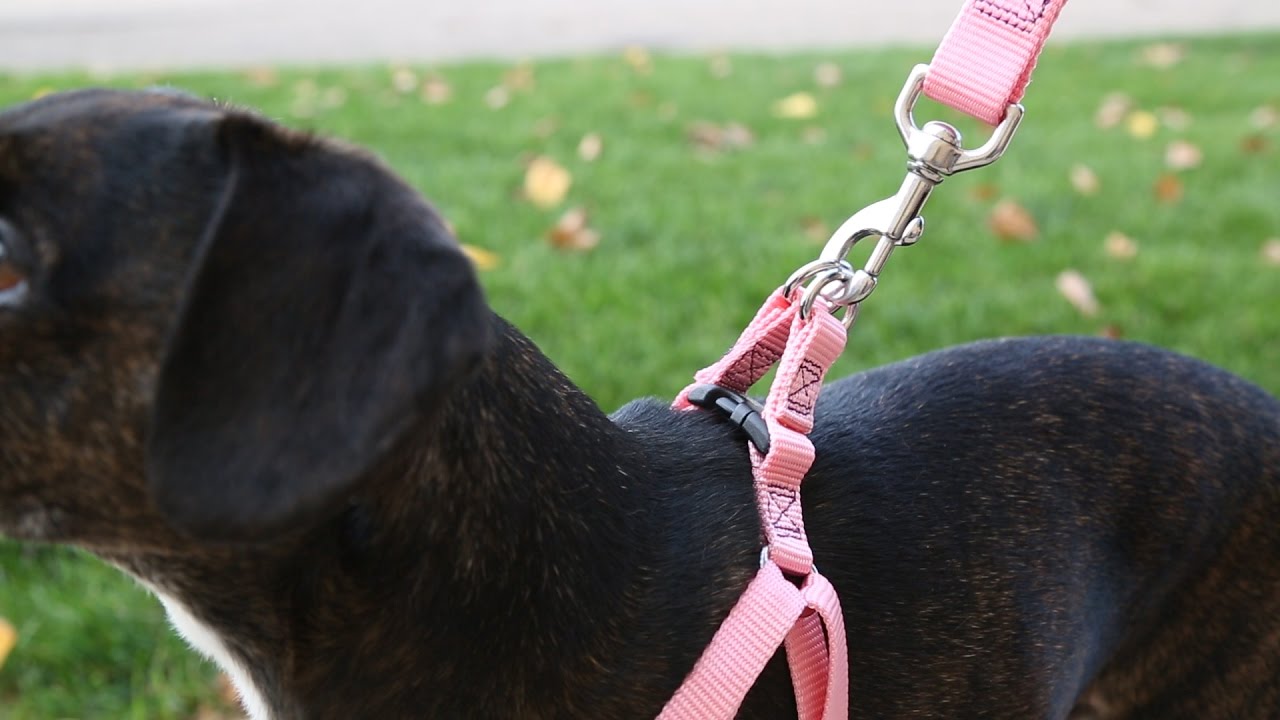
Image Source: i.ytimg.com
Why Correct Collar Fit Matters So Much
A collar serves two main jobs: identification and control. If the fit is wrong, it fails at both. Too loose, and the dog wiggles free. Too tight, and you risk hurting your dog. We must learn how to check the fit every time we adjust the collar.
Comfort vs. Security: Finding the Balance
Your dog needs to wear the collar most of the time. It must be safe but not bothersome. The goal is a snug fit that keeps the collar secure during activity. It should never chafe the neck or restrict breathing.
Preparing for Proper Dog Collar Sizing
Before you even try to put the collar on, you need the right size. Guessing leads to problems. Measuring for dog collar is the very first step.
How to Measure Your Dog’s Neck
You need a soft tape measure for this. Do not use a piece of string and then try to measure the string with a ruler; this adds errors.
- Locate the Right Spot: Measure around the thickest part of your dog’s neck, just behind the ears and where a collar naturally sits.
- Keep it Loose Enough: When measuring, slide two fingers comfortably between the tape measure and your dog’s neck. This mimics the space needed for comfort.
- Record the Number: Write down this measurement. This is the minimum size you need.
Deciphering Collar Sizing Charts
Collar sizes often overlap. A “small” collar might fit neck sizes 10–12 inches. Always check the specific brand’s chart.
| Collar Size Label | Typical Neck Range (Inches) | Best For |
|---|---|---|
| Extra Small (XS) | 6 – 10 in | Puppies, Toy Breeds |
| Small (S) | 10 – 14 in | Small Terriers, Beagles |
| Medium (M) | 14 – 20 in | Labs, Spaniels |
| Large (L) | 20 – 26 in | Large Breeds, Some Giant Breeds |
| Extra Large (XL) | 26+ in | Great Danes, Mastiffs |
This chart gives a general idea. Always defer to the manufacturer’s guide for proper dog collar sizing.
Steps for Putting on a Standard Flat Collar
Most new owners start with a standard buckle or buckle vs quick-release collar. The process is simple once you know the fit rule.
The Two-Finger Rule for Fitting
This is the golden rule for most standard collars. Once the collar is fastened, you should be able to slide two fingers snugly between the collar and your dog’s neck.
- If you can easily slide three or more fingers, the collar is too loose. Your dog could slip out.
- If you struggle to fit even one finger, the collar is too tight. This restricts blood flow and air.
Fastening and Checking the Buckle Collar
- Hold the Collar Open: Hold the collar open, with the D-ring (where the leash attaches) facing up.
- Wrap Around the Neck: Gently wrap the collar around your dog’s neck, placing it in the spot you measured.
- Thread the Buckle: Insert the prong of the buckle through the correct hole. For adjusting dog collar fit, pick the hole that allows for the two-finger space while leaving a few extra holes for future adjustments.
- Secure the Keeper Loop: Tuck the loose end through the keeper loop or ring to stop it from flapping.
- The Final Tug Test: Gently pull down on the collar. It should not slide over your dog’s head. Tug lightly on the leash attachment point if the leash is attached.
Quick-Release Collars
Buckle vs quick-release collar choice often comes down to convenience. Quick-release collars snap open easily.
- Putting it On: Lay the collar flat. Align the two ends and press the buckle together until you hear a clear “click.”
- Checking the Fit: Use the slider adjuster to tighten or loosen it until you achieve the two-finger rule. Always check that the quick-release mechanism is fully engaged.
Special Considerations for Different Collar Types
Not all collars are meant for daily wear, and some require specific techniques for safe application.
Breakaway Collar Usage
Breakaway collar usage is vital for cats, but some small dogs who get caught on things might wear them too. These collars are designed to snap open under moderate pressure.
- Purpose: They prevent strangulation if the collar snags on a branch or furniture.
- Fitting: They should fit slightly looser than a standard collar—just enough so that the two-finger rule applies, but with less tension, allowing the breakaway point to function easily if pulled. Ensure the breakaway mechanism is facing the back of the neck for better safety.
Training Collar Application
Training tools like prong collars or choke chain introduction need careful training collar application by experienced handlers. These are generally not for permanent or unsupervised wear.
Prong Collars
Prong collars have blunt metal prongs pointing inward.
- Correct Orientation: The prongs must face inward toward the dog’s neck, with the buckle or quick-release mechanism positioned on top of the neck (center back).
- Snug Fit Required: For prong collars to work safely, they must fit high and tight—usually snugly right behind the ears, allowing almost no space for fingers. If it slides down, it works incorrectly and puts pressure on the trachea instead of the pressure points.
- Use Only During Training: Remove these immediately after the training session is over.
Choke Chain Introduction
A choke chain introduction should always be supervised. They tighten when pulled.
- The Figure-Eight Loop: To put a choke chain on correctly, you must thread the loose end through the control ring to form a “P” or figure-eight shape.
- Placement: Place this loop over the dog’s head so the chain sits loosely around the neck. The control ring should rest near the dog’s throat when the leash is attached.
- How It Works: When the leash is pulled, the chain tightens evenly around the neck. If it is too loose, it slides off easily. If it’s too tight initially, it causes immediate choking. The proper setup ensures it only tightens enough to give a correction, then loosens immediately when tension stops.
Martingale Collar Adjustment
Martingales are excellent for dogs with narrow heads (like Greyhounds) that can slip out of standard collars. They tighten safely when pulled but not fully choke the dog.
Martingale collar adjustment involves setting the fixed loop size correctly.
- Size the Fixed Loop: Put the collar on as you would a regular collar. Adjust the main body until the two-finger rule applies.
- Set the Stopper: The second, smaller loop (the martingale loop) needs adjustment. When the collar is fully tightened (during a pull), the metal slides should meet, but the collar should not close completely around the neck. It should stop tightening before it chokes the dog. Typically, the fixed part should allow two fingers, and the tightening mechanism should stop when the gap is reduced to about one inch or less.
Putting on Dog Harness: A Different Approach
Sometimes, a collar is not enough, or perhaps your dog pulls excessively. This is where putting on dog harness methods become necessary. Harnesses distribute pressure across the chest, not the throat.
Measuring for a Harness
Harness fitting is more complex than collars because they involve multiple points: neck, chest, and girth.
- Neck Measurement (Collar Area): Measure high up on the neck, similar to a collar, but many harnesses fit looser here.
- Chest Girth Measurement: This is the most important measurement. Wrap the tape measure all the way around the widest part of the ribcage, right behind the front legs.
- Front Chest/Sternum (If Applicable): Some harnesses measure the length from the base of the neck down to the sternum.
Step-by-Step Harness Application (Common Styles)
Most harnesses require you to secure the dog before fastening the main strap.
Over-the-Head Harnesses
- Loosen All Straps: Open the buckles and loosen any adjustment sliders completely.
- Guide the Head: Gently slip the neck opening over your dog’s head.
- Secure the Girth Strap: Bring the remaining strap(s) under the dog’s belly, behind the front legs.
- Buckle and Adjust: Fasten the buckle(s). Now, check the fit on all straps. The neck strap should fit like a loose collar (two fingers). The girth strap should be snug behind the legs but should not rub the armpits.
Step-In Harnesses
Step-in harnesses are easier for dogs who hate things going over their heads.
- Lay Flat: Lay the harness flat on the floor with the D-ring facing up.
- Dog Steps In: Ask your dog to “step” one front paw into one loop, and then the other front paw into the second loop.
- Raise and Fasten: Lift the harness up the dog’s back and fasten the main buckle (usually on the back or side).
- Fit Check: Adjust the straps to ensure the front chest piece sits centered and the girth strap is snug but not restrictive.
Harness Fit Check: Preventing Chafing
The main concern with harnesses is chafing, especially around the armpits (front leg joints). If the girth strap is too tight or the harness is positioned too far forward, it will rub raw spots during walks. Ensure the straps allow for full, comfortable movement of the legs.
Routine Checks: Maintaining the Right Fit
Even if you get the dog collar fitting perfect the first day, you must re-check it regularly. Dogs grow, gain or lose weight, and their coats change length seasonally.
When to Re-Check Collar Fit
- After Grooming: A thick winter coat versus a summer shave can drastically change neck circumference.
- Weight Changes: After a vet visit where weight change is noted.
- New Collar Purchase: Always check the fit of any new collar or harness immediately.
- After Slipping Out: If a collar has come loose once, check and tighten it immediately.
Simple Signs of Poor Fit
| Sign of Poor Fit | Collar Too Loose | Collar Too Tight |
|---|---|---|
| Collar constantly slides off. | Yes | No |
| Dog scratches or chews the neck area constantly. | Maybe | Yes |
| Red marks or hair loss visible under the collar. | Rarely | Yes |
| Collar easily flips over the ears. | Yes | No |
| Gums look pale or dog is coughing after pulling. | No | Yes (Critical Danger) |
Choosing the Right Material for Your Dog
The material affects comfort, durability, and ease of adjusting dog collar sizes.
Leather Collars
Leather is durable and molds to the dog’s neck over time.
- Pros: Strong, looks classic, gets softer with age.
- Cons: Requires occasional conditioning, can become stiff if soaked and dried improperly, heavier than nylon.
Nylon/Fabric Collars
These are popular, easy to clean, and come in many colors.
- Pros: Lightweight, easy to clean, inexpensive, highly adjustable.
- Cons: Can absorb odor, may fray over time with heavy chewing or rough play.
Metal Collars (Prong, Choke, Chain)
These are control tools, not typically for 24/7 wear. Proper sizing is essential for safety when using these, as discussed above regarding choke chain introduction and prong collar use.
Safety Protocols for Collar Wear
A collar is a lifeline, but only if used safely. Following safety rules prevents accidents.
Never Leave a Dog Unattended with Certain Collars
Do not leave a dog alone while wearing a choke chain or prong collar. These must be monitored to prevent accidental tightening or getting caught.
ID Tags and Microchips
The best collar in the world won’t help if your dog gets loose and has no ID. Ensure your dog wears current ID tags attached securely to the D-ring. Always confirm that your dog’s microchip registration information is up-to-date.
Inspecting for Wear and Tear
Regularly check all components, especially if you use a buckle vs quick-release collar.
- Examine stitching for fraying.
- Look at the metal D-ring for rust or bending.
- Test quick-release clips for smooth operation without sticking.
Adapting Collar Use as Your Puppy Grows
Puppies grow fast. What fits perfectly this week might be too small next month.
Frequent Adjustments Needed
For puppies, you might be performing adjusting dog collar tasks every few weeks, especially during growth spurts. Always move to the next hole in the adjustment range before buying a completely new collar.
When the collar reaches the very last hole setting and is still too snug, it is time for the next size up. Don’t wait for it to become too tight!
Fathoming Harness vs. Collar Debate
While collars are essential for ID tags and short leash attachments, many experts prefer harnesses for daily walking, especially for certain breeds or dogs prone to pulling.
When a Harness Excels
Harnesses are better when:
- The dog pulls hard on the leash.
- The dog has neck or throat sensitivity (tracheal collapse).
- You are teaching leash manners (especially front-clip designs).
- The dog is small and delicate.
When a Collar is Necessary
Collars remain necessary for:
- Holding ID tags securely at all times.
- Quickly grabbing the dog (emergency recall grip).
- Use with certain training collar application devices that require neck placement.
The best solution for many owners is using both: a flat ID collar worn at all times, and a harness used only for walks and containment.
FAQ Section
How tight should a dog collar be?
A dog collar should be snug but allow you to comfortably slide two fingers between the collar and your dog’s neck. This is the standard check for most flat collars.
Can I use a choke chain for daily wear?
No. Choke chains are strictly training tools. Never leave a dog unattended while wearing a choke chain due to the high risk of strangulation or injury if it snags.
How often should I check the collar fit?
You should check the fit weekly at a minimum, and immediately after major events like heavy grooming, weight changes, or if you notice your dog scratching its neck excessively.
What is the difference between a martingale and a standard collar?
A standard collar has a fixed size once buckled. A martingale collar has an extra loop that tightens the main collar safely if the dog pulls, preventing them from slipping out, but it loosens again when they relax.
My puppy chews their collar. What should I do?
If your puppy chews the collar, try switching to a durable, non-chewable material temporarily, like a thick, smooth leather that is less appealing than nylon. Also, ensure the fit is correct; sometimes, chewing indicates discomfort from being too loose or too tight. Redirect chewing behavior with appropriate toys.
Should the leash attach to the back or front of a harness?
Leash attachment location depends on training goals. A back-clip harness is standard for casual walks. A front-clip harness discourages pulling because when the dog pulls, the leash gently redirects their shoulder, turning them back toward you.