
Can I give my dog raw or cooked deer bones? Yes, you can give your dog deer bones, but only if they are prepared correctly to ensure they are safe. Improperly prepared deer bones can easily splinter, posing a serious choking hazard or causing internal damage. The goal is to make safe dog bones from deer by reducing the risk of breakage.
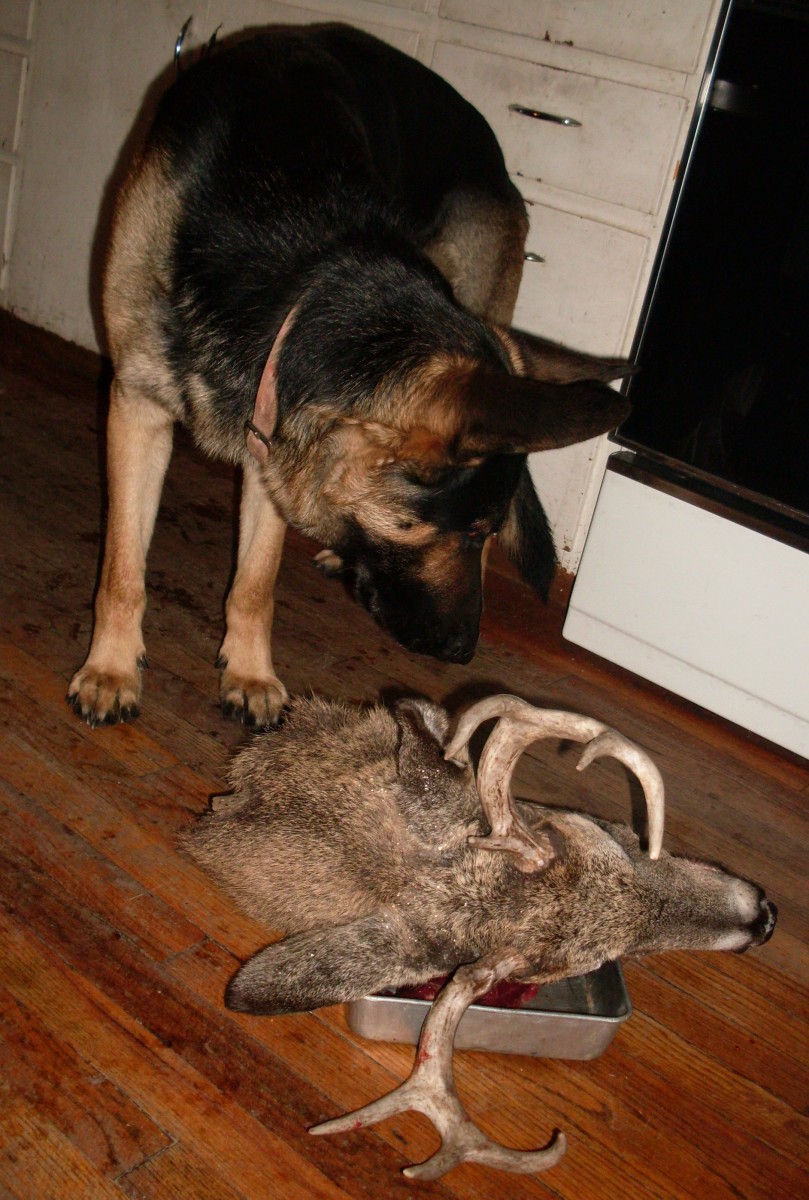
Image Source: images.saymedia-content.com
Why Give Dogs Deer Bones? The Benefits of Deer Bones for Dogs
Many dog owners look for natural, durable chews for their pets. Benefits of deer bones for dogs include providing mental stimulation, helping to clean teeth, and offering essential minerals like calcium and phosphorus. When sourced and treated properly, a deer bone can be a fantastic, long-lasting treat.
Deer antlers are a popular alternative, often sought after as a deer antler dog chew. While antlers are extremely hard, bones offer a different texture and flavor. However, whether you choose bone or antler, safety comes first.
Assessing the Bone: What Makes a Deer Bone Safe or Dangerous?
Not all bones are created equal when it comes to dog safety. The biggest concern with any bone is splintering.
Hardness and Splintering Risks
Soft bones, like those from small birds, easily shatter into sharp shards. Hard bones, like femurs or large leg bones from a deer, are more durable but can still break if cooked incorrectly.
Preparing deer bones to prevent splintering is the core focus of safe preparation. We must change the bone’s texture to make it less likely to break into dangerous, sharp pieces.
The Danger of Cooked Bones (The Traditional Warning)
You might have heard the universal warning: “Never give cooked bones.” This is mostly true for heavily cooked bones.
Why Boiling Deer Bones for Dogs Requires Caution
Boiling deer bones for dogs changes their structure. High heat and prolonged boiling make bones brittle. They become hard but very easy to snap into sharp points. This is why many vets advise against strictly boiled bones. If you are cooking deer bones for dog treats, you must use methods other than high-heat boiling or baking to soften them appropriately, not bake them brittle.
Step-by-Step Guide: Safe Deer Bone Preparation Methods
There are three primary safe methods for preparing deer bones: raw (with caveats), slow-cooked/simmered, and dehydrated.
Method 1: Using Raw Deer Bones for Dogs (The Riskiest Option)
Some raw feeders advocate for using raw deer bones for dogs. Raw bones retain their natural flexibility. They are less likely to splinter sharply than brittle, cooked bones.
Safety Precautions for Raw Bones
If you choose to use raw bones, you must take extreme precautions:
- Source Quality: Ensure the deer was healthy and not carrying diseases or parasites.
- Size Matters: Only give bones that are large enough that the dog cannot swallow them whole. A bone should be bigger than the dog’s muzzle.
- Supervision is Key: Never leave a dog unattended with a raw bone, especially a new one.
- Choking Hazard: Raw bones are still a choking risk if they are small enough to be swallowed whole.
Method 2: Slow Simmering and Boiling for Softening
If you decide to heat the bone, the goal is to clean and soften it, not to harden it. Boiling deer bones for dogs should be done gently.
The Gentle Simmering Process
- Initial Cleaning: Remove all meat, fat, and tissue residue. Scrape as much off as possible.
- Soaking (Optional but helpful): Soak the bones in hydrogen peroxide or a mild bleach solution (very diluted) for a few hours to help kill bacteria. Rinse thoroughly afterward.
- The Slow Cook: Place the bones in a pot and cover them with water. Bring the water to a very low simmer—not a rolling boil.
- Timeframe: Simmer for several hours (2–4 hours maximum). The aim is to soften the collagen slightly, making the bone less brittle when cool. Do not cook until the meat falls off easily, as this often overcooks the bone structure.
- Cooling: Remove the bones and let them cool completely in the air.
Crucial Note: Even after slow simmering, monitor your dog closely. If the bone starts to break into chunks while the dog is chewing, take it away immediately.
Method 3: Dehydration for Hard, Long-Lasting Chews
Dehydrating deer bones for dog chews is an excellent way to remove moisture, inhibit bacterial growth, and create a tough, long-lasting chew that is less prone to immediate shattering than a boiled bone. This process is essentially slow-baking at a very low temperature.
Dehydrating Steps
- Preparation: Clean the bones thoroughly, removing all soft tissue.
- Pre-Drying: Let the bones air-dry for a day or two, out of reach of pests.
- Oven or Dehydrator: Place the bones in an oven set to the lowest possible temperature (ideally 170°F to 200°F, or 77°C to 93°C). If you have a food dehydrator, use that, as it manages heat better.
- Duration: Dehydrate for a minimum of 12 to 24 hours, or until the bone is completely dry and feels light. The longer the dehydration, the harder and less likely it is to break down quickly.
This method results in a tough chew similar to commercial dried dog chews.
Deep Cleaning: Essential for Canine Consumption
Regardless of whether you simmer or dehydrate, cleaning deer bones for canine consumption is non-negotiable. You must remove all traces of meat, fat, and marrow that can spoil or cause stomach upset.
Removing Meat and Fat
Meat residue spoils quickly, leading to bad odors and bacterial growth. Fat can cause diarrhea or pancreatitis in dogs.
| Cleaning Step | Purpose | Tools Needed |
|---|---|---|
| Trimming | Removing large pieces of meat and fat. | Sharp knife or paring knife. |
| Scraping | Getting small bits of meat from crevices. | Stiff brush or blunt scraper. |
| Soaking | Loosening stubborn tissue and degreasing. | Water, dish soap, or mild degreaser. |
| Blanching (Optional) | Quick boil (less than 5 minutes) to loosen tissue, followed by immediate draining and rinsing. | Pot and hot water. |
After all visible matter is removed, inspect the bone closely. Any part that looks oily or still has adhered tissue needs more attention.
Beyond Chews: Using Deer Bone in Ground Meals
For owners who prefer not to offer whole bones but still want the nutritional value, processing the bones into a safe, consumable form is an option. This often involves grinding deer bones for dog food.
Grinding Deer Bones for Dog Food
Grinding requires specialized equipment, such as a heavy-duty meat grinder capable of handling bone (often requiring a dedicated bone grinding plate).
- Bone Selection: Use bones that have been thoroughly simmered or pressure-cooked until they are soft. Raw bones are too tough for standard home grinders.
- Cooking: Cook the bones until they are soft enough to crush slightly by hand or between tongs. This makes them brittle enough to grind without destroying the grinder motor.
- Grinding: Process the cooked bones through the grinder. The result should be a coarse, sandy meal that can be mixed into wet or dry dog food.
Caution: If you use a standard home grinder, you risk breaking the machine. Bone grinding is often best left to commercial pet food processors unless you invest in heavy-duty equipment.
Durability and Safety Checks for Prepared Bones
Once prepared, the bone’s suitability changes over time and with use.
Monitoring Wear and Tear
A safe bone can become unsafe quickly. Always watch for these danger signs:
- Sharp Edges: If the dog chews off a sharp point or edge, take the bone away before they swallow it.
- Splintering: If you notice small, white, chalky splinters coming off the bone, it is becoming too brittle. This is a common sign after excessive drying or improper cooking.
- Size Reduction: If the bone has been chewed down small enough that the dog could potentially swallow the remaining piece, it must be discarded.
Storing Prepared Bones
Proper storage prevents mold and bacterial growth:
- Raw Bones: Must be kept frozen until immediately before feeding. Thaw only what you plan to use in a short window.
- Cooked/Dehydrated Bones: Store in an airtight container. If they feel slightly damp, dry them out again in a low oven for an hour. If they smell off, discard them immediately.
Considering Alternatives: Deer Antler Dog Chew
Many owners explore deer antler dog chew options as an alternative to bone. Antlers are naturally shed, making them an ethically sourced option for many.
| Feature | Deer Bone (Prepared) | Deer Antler |
|---|---|---|
| Composition | Calcium, Phosphorus, Marrow (if left in) | Dense Calcium, Keratin |
| Hardness | Varies (Raw = semi-soft; Cooked = brittle) | Extremely Hard (Very low risk of splintering) |
| Chew Style | Can be gnawed down, often broken into pieces | Wears down very slowly; often dissolved by saliva |
| Risk | Splintering if cooked improperly or over-chewed | Can break teeth if the dog is too aggressive |
Antlers are much harder than bone. While they rarely splinter dangerously, their hardness means they pose a significant risk of cracking a dog’s molar if the dog bites down too hard. Observe your dog’s chewing style before introducing an antler.
Final Thoughts on Making Safe Dog Bones From Deer
Providing your dog with natural chews like deer bones offers great enrichment. However, the responsibility of making safe dog bones from deer lies entirely with the owner. Never rush the preparation process. If you cannot guarantee the bone is cleaned thoroughly and treated in a way that prevents dangerous splintering, it is better to opt for a commercially safe chew or stick to supervised raw feeding guidelines.
Safety means constant monitoring and knowing when to remove a chew that has reached the end of its safe life. A happy dog is a supervised dog when enjoying a wild-sourced chew.
Frequently Asked Questions (FAQ)
Q: Can I just throw a deer bone in the fire pit to clean it?
A: No. Burning bones at high heat makes them extremely brittle and prone to sharp shattering. This is one of the most dangerous ways to prepare a bone for a dog. Use low, slow heat (like simmering or dehydrating) instead.
Q: How long is a prepared deer bone safe for my dog to chew on?
A: This depends entirely on the dog and the bone preparation. A dehydrated bone might last weeks or months. A soft, simmered bone might only last an hour or two before it starts to break down into unsafe pieces. Always remove the bone when it gets small enough to swallow or starts creating sharp fragments.
Q: Is the marrow in deer bones good for dogs?
A: Marrow is rich in fat and is highly attractive to dogs. While it provides calories and some nutrients, too much fat can upset a dog’s stomach, causing diarrhea or pancreatitis, especially in dogs not used to high-fat meals. If you are cooking deer bones for dog treats, aim to clean most of the loose marrow out, or allow the dog only limited access to the bone when it is fresh.
Q: Can I give my dog the brittle pieces left after boiling?
A: Absolutely not. These small, hard, brittle pieces are the most likely to cause choking or internal punctures. If the bone breaks into sharp pieces, discard the bone immediately.
Q: What is the safest way to prepare a bone if I am unsure about my method?
A: The safest bet, if you are new to this, is thorough cleaning followed by long, low-temperature dehydration. This removes moisture, discourages bacteria, and results in a very hard chew that wears down slowly rather than breaking suddenly.