
Can a dog wear a muzzle comfortably? Yes, a dog can wear a muzzle comfortably if it is the correct size and type, allowing them to pant, drink, and sometimes even take treats. Getting the right size is vital for safety and comfort. This deep dive will show you exactly how to get those key measurements. We will use simple steps to ensure you find the best muzzle size for aggressive dog situations or just for safe training. Finding the proper muzzle fitting for dogs makes all the difference in acceptance.
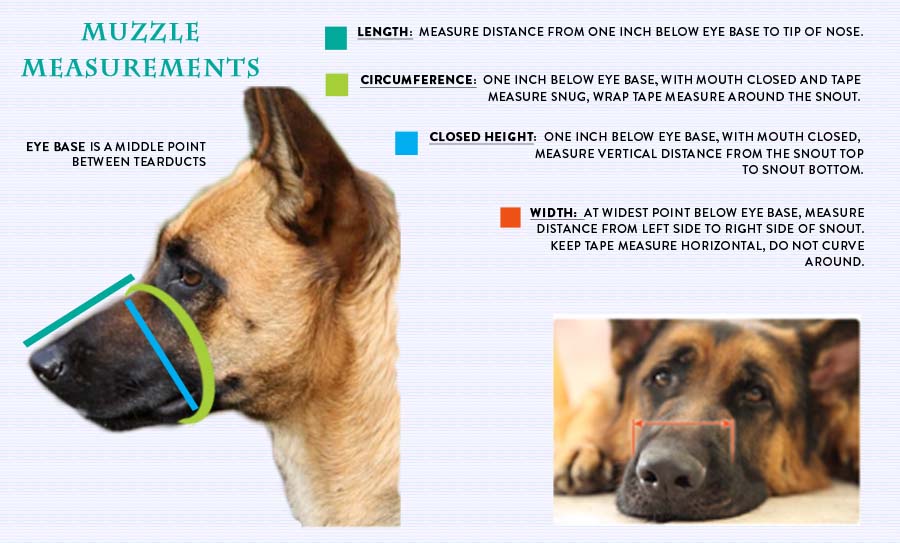
Image Source: www.dtdogcollars.com
Why Correct Muzzle Sizing Matters
A muzzle should never be too tight. A tight muzzle hurts your dog. It can stop them from panting. Dogs cool down by panting. If they cannot pant, they can get too hot. This is dangerous. A muzzle that is too loose might fall off. This defeats the purpose of wearing one.
Getting the dog muzzle sizing guide right ensures safety. It also helps your dog feel calm while wearing it. A good fit is the first step to muzzle training success.
Tools You Will Need
Before you start, gather a few simple tools. These help you take accurate readings.
- Flexible Tape Measure: This is much better than a stiff ruler. It wraps around curves easily.
- Treats (High Value): Keep your dog happy during the process.
- A Helper (Optional but Recommended): Someone to distract or gently hold the dog’s head steady helps a lot.
- Pen and Paper: To write down the numbers right away.
Step-by-Step: Measuring a Dog’s Snout for a Muzzle
The main measurements needed focus on the length and width of your dog’s muzzle. Think about the specific style of muzzle you plan to buy. Basket muzzles need slightly different checks than fabric muzzles. We will focus on the standard measurements needed for most basket-style muzzles, as they offer the best comfort and safety.
1. Measuring Muzzle Length Dog
This measurement determines how long the muzzle piece needs to be. It ensures the muzzle covers the entire snout without pressing on the nose tip.
How to Take the Length Measurement
- Find the Bridge: Gently locate the point where your dog’s nose meets their forehead. This is where the muzzle should end, near the eyes.
- Measure to the Tip: Start your tape measure at that bridge point.
- Stop Before the Nose Tip: Measure down the bridge of the nose to just short of the very tip of the nose leather. Crucially, do not measure to the end of the nose. You need space so the dog can fully open its mouth to pant. A good rule of thumb is to stop about half an inch (or 1-1.5 cm) before the end of the nose.
- Tip: If your dog pulls its lips back, it shows you where the muzzle should not end.
2. Measuring Head Circumference for Dog Muzzle
This measurement helps determine the size of the strap that goes around the head, behind the ears. This measurement is key for ensuring the muzzle stays on securely but comfortably.
How to Take the Circumference Measurement
- Start Position: Place the tape measure just under your dog’s eyes, near the cheekbones.
- Wrap Around: Bring the tape measure around the back of the head, right behind the base of the ears.
- Keep it Snug but Loose: The tape should sit flat against the fur but not pull the skin tight. You should be able to fit one finger easily between the tape and the dog’s head.
3. Measuring the Widest Part of the Snout
This is perhaps the most critical measurement for comfort, especially for panting and drinking. This is the widest part of the dog’s face that the muzzle must fit around.
How to Take the Width Measurement
- Find the Widest Point: Gently feel for the widest part of your dog’s muzzle. For most dogs, this is just past the nose bridge, where the snout starts to taper towards the mouth.
- Measure Across: Use the tape measure to measure straight across the top of the snout, from one side to the other, at that widest point.
- Note the Circumference: Some canine muzzle measurement instructions suggest measuring the full circumference at this point too. To do this, wrap the tape around the snout at this widest point.
- Important Check: The dog must be able to open its mouth wide enough to pant fully. If you are measuring for a basket muzzle, ensure the internal width of the muzzle will allow for about 1 inch (2.5 cm) of space on either side of the snout when the dog is relaxed.
Table: Muzzle Measurement Summary Checklist
Use this table as your quick reference for the measuring a dog’s snout for a muzzle process.
| Measurement Name | Where to Measure From/To | Why It Matters | Notes |
|---|---|---|---|
| Length | Bridge of nose to just before the tip. | Ensures coverage without touching the nose tip. | Add 1/2 inch for safety gap. |
| Width (Across) | Widest point of the snout, side to side. | Determines if the basket fits around the face. | Critical for panting space. |
| Circumference (Head) | Under eyes, behind ears. | Keeps the muzzle securely on the head. | Should allow one finger of space. |
| Jaw Girth (Optional/Basket) | Around the widest point of the lower jaw. | Ensures straps don’t rub the jaw hinge. | Useful for deep-chested breeds. |
Adjusting Measurements for Different Muzzle Types
The final size you choose often depends on the type of muzzle you buy. Different materials require slight adjustments to your raw measurements.
How to Measure Dog for Velvet Muzzle (or Fabric Muzzles)
Velvet or soft fabric muzzles (often used for quick fixes or grooming) usually cover the whole snout. These muzzles offer very little room for panting or drinking.
- Length Rule: For fabric muzzles, the measurement must be exact. If your measurement is 3 inches, buy a 3-inch muzzle. You cannot add extra space. If the muzzle is slightly too long, it will block the eyes or press the nose uncomfortably.
- Fit: These muzzles should fit snugly but must not put any pressure on the dog’s nostrils or eyes when the dog is relaxed. These are generally not recommended for long wear or for hot days.
Basket Muzzle Fitting Guide
Basket muzzles (plastic, wire, or leather) are the preferred style for safety training because they allow full functionality.
For basket muzzles, you take your core measurements (Length and Width) and then add a buffer.
- Length Buffer: Add 1/2 inch (about 1.25 cm) to the measured length. This gap prevents the front of the muzzle from bumping the dog’s nose when they move their head or pant.
- Width Buffer: Add 1/2 to 3/4 inch (about 1.25 to 2 cm) to the widest circumference measurement. This extra room is crucial. It allows the dog to fully open its mouth for wide, deep pants, especially important in warm weather or after exercise.
If you are choosing the right muzzle size for a breed known for heat sensitivity (like brachycephalic breeds, though muzzles are often difficult for them), err on the side of more space inside the basket.
Converting Measurements for Online Shopping
Most manufacturers provide a sizing chart with both inches and centimeters. Always convert your measurements if needed.
Example Conversion: If your dog’s length measurement is 4 inches, that equals about 10.2 centimeters. Look for a muzzle size that matches 10 cm or 10.5 cm.
Dealing with Breed Variations
Breed is a guide, not a guarantee. A narrow-snouted Greyhound will need a vastly different muzzle than a wide-jawed Boxer, even if they weigh the same.
| Breed Type | Snout Shape Tendency | Measurement Focus |
|---|---|---|
| Dolichocephalic (Greyhounds, Collies) | Long and narrow | Length is often greater than width. |
| Mesocephalic (Labs, Shepherds) | Medium proportions | Balanced length and width measurements. |
| Brachycephalic (Pugs, Bulldogs) | Very short and wide | Width measurement often exceeds length drastically. (Muzzles may not work well for these dogs). |
If your dog has a very unique head shape, always check the specific brand’s sizing chart. Some manufacturers cater specifically to unique head structures.
The Crucial Importance of the Panting Gap
When you are figuring out the best muzzle size for aggressive dog training, or any training, the dog must be able to pant fully. Panting is necessary for thermoregulation (cooling down).
A muzzle that prevents panting is a medical risk.
When fitting the muzzle, ask your dog to pant heavily (perhaps by getting them excited or after a short play session).
- Observe: Does the muzzle restrict the lower jaw from dropping fully?
- Check: Can the dog fully extend its tongue sideways?
If the answer to either is “No,” the muzzle is too small in length or width, and you need to size up, even if the straps feel secure.
Final Fit Check: The Two-Finger Rule
Once you have selected a muzzle based on the measurements, perform a final fit check before use. This applies mostly to basket muzzles.
Head Strap Security
The strap that goes around the back of the head (behind the ears) should be snug. Use the Two-Finger Rule: You should be able to slide two fingers comfortably between the strap and your dog’s head. If you can fit three fingers, it’s too loose. If you struggle to fit two, it’s too tight.
Muzzle Position
The muzzle should sit relatively high on the face. It should not droop down onto the neck. If it droops, the length measurement might be slightly too long, or the head strap is too loose.
The Treat Test
This is the ultimate test of proper muzzle fitting for dogs. If your dog can take a small, tasty treat through the basket openings, you have achieved a good balance between security and function. If the opening is too small for treats, the dog likely cannot pant effectively either.
Muzzle Selection and Sizing for Specific Needs
The dog muzzle sizing guide shifts slightly depending on why you need the muzzle.
Muzzle for Grooming or Vet Visits
For brief encounters where the dog might only be stressed briefly, a fabric or soft-sided muzzle might be used. Since these are only worn for minutes, the emphasis is on keeping the dog calm during the procedure. Measure precisely, as these offer no extra room for movement.
Muzzle for Prevention of Biting (Training)
If you are working on behavior modification, comfort is paramount. A comfortable dog learns better. A basket muzzle that allows full panting and even some treat access is the goal. Use your buffered measurements here.
Best Muzzle Size for Aggressive Dog
When dealing with true aggression, the muzzle must be escape-proof. This means you need excellent measurements for both the snout and the head circumference. Look for muzzles that have a secondary safety strap that goes over the top of the head, connecting the main loop. This strap prevents the dog from backing out of the muzzle by pulling its head forward forcefully. Ensure your head circumference measurement is accurate for this secondary strap to fit snugly.
Deciphering Sizing Charts from Different Brands
One frustration in choosing the right muzzle size is that sizing is rarely universal. A “Size 3” from one company might be a “Medium” in another.
Always rely on your raw numbers, not the named sizes (Small, Medium, Large).
Action Plan When Buying Online:
- Take your measurements (Length, Width, Head Circumference).
- Go to the specific brand’s sizing chart.
- Compare your dog’s numbers to the chart’s specifications.
- If your dog falls between two sizes, generally choose the larger size, especially for basket muzzles, to ensure the panting gap is maintained.
If you are unsure, contact the manufacturer directly with your canine muzzle measurement instructions results. Good customer service teams can often advise based on their specific model’s design tolerances.
Common Measurement Mistakes to Avoid
Many people rush this process. Here are the top mistakes people make when measuring a dog’s snout for a muzzle:
- Measuring on a Stressed Dog: If your dog is already anxious, its mouth might be tense. Measure when the dog is relaxed and calm.
- Measuring a Stiff Ruler: A stiff tool will give you inaccurate readings on a curved snout. Always use a flexible tape.
- Measuring to the Tip of the Nose: This is the most frequent error. Adding zero buffer space for panting makes the muzzle unusable on a warm day.
- Forgetting the Head Circumference: If the head strap is too loose, the muzzle will slip off sideways or backward when the dog shakes its head.
Muzzle Care and Maintenance Impacting Fit
Over time, muzzles can change shape or degrade, affecting the fit.
- Leather Muzzles: Leather stretches, especially when wet. If you have a leather muzzle, measure your dog when the leather is dry. You might need to size down slightly, or ensure the adjustment holes provide enough room for future stretching.
- Plastic/Wire Muzzles: These hold their shape well. If they break or bend, they must be replaced, as a bent bar could cause injury.
Regularly check the basket for cracks or sharp edges. A worn muzzle might fit differently than a brand-new one.
Conclusion: Achieving the Perfect Fit
Finding the proper muzzle fitting for dogs is a process based on careful measurement, not guesswork. By following these detailed canine muzzle measurement instructions—focusing on length, width, and head circumference—and always adding that essential buffer for panting, you secure a safe, comfortable muzzle for your companion. Remember, a muzzle is a tool for safety and training, and comfort is key to its success. Always prioritize your dog’s ability to breathe easily over achieving a perfectly tight aesthetic fit.