
Yes, you can massage a dog with a torn ACL, but it must be done carefully and gently, usually after consulting a vet or certified canine physical therapist. This guide helps you learn the safe ways to use dog ACL tear massage to aid your pet’s recovery.
The Anterior Cruciate Ligament (ACL) in dogs is often called the CCL (Cranial Cruciate Ligament), but the function is the same. A tear causes pain and makes the knee joint unstable. Massage can be a helpful part of recovery, especially before or after surgery, or if surgery is not an option. This article focuses on canine knee injury massage and how to use at-home dog ACL massage techniques safely.
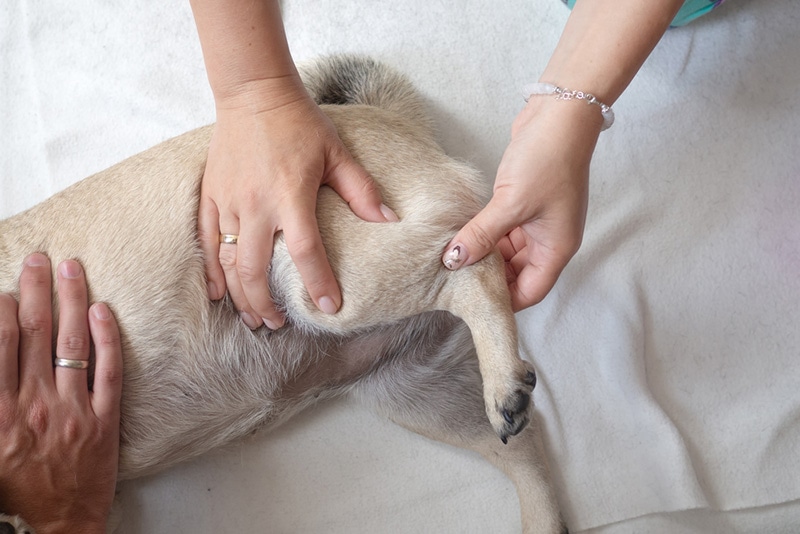
Image Source: articles.hepper.com
Why Massage Helps a Dog with a Torn CCL
Massage does more than just feel nice for your dog. For a dog recovering from a dog CCL tear, massage offers several key benefits. It can increase blood flow to the injured area. Good blood flow helps bring needed nutrients and remove waste. This speeds up healing.
Massage also helps relax tight muscles. When a dog hurts its knee, other muscles often tense up to try and protect the sore leg. This tightness adds extra pain and can slow down recovery. Gentle massage for dog torn ACL areas helps release this tension.
We look at how dog physical therapy knee massage fits into the larger recovery plan.
Benefits of At-Home Techniques
- Reduces Pain: Gentle pressure can block pain signals to the brain.
- Improves Circulation: More blood flow means faster healing.
- Maintains Muscle Health: Keeps muscles from getting too weak or tight.
- Strengthens Bond: Touching your dog during recovery builds trust.
Safety First: When to Massage and When to Wait
Before you start any canine stifle joint massage, you must talk to your veterinarian or a certified canine rehabilitation therapist (CCRT or CCRP). They know the severity of the tear and the best recovery path for your dog.
When Massage is Usually Safe
Massage is often introduced during the recovery phases.
- Pre-Surgery (If Recommended): To keep muscles healthy before the operation.
- Post-Surgery: Usually after the initial healing period, following strict veterinary guidance. Post-surgery dog ACL massage must be very light at first.
- Conservative Management: If the vet chooses not to operate, massage is a core part of long-term management.
When Massage is NOT Safe
Never use deep pressure or vigorous strokes near the injured knee, especially early on.
- Immediately Post-Injury: Wait until acute swelling goes down.
- If Your Dog Shows Severe Pain: Whining, snapping, or pulling away means stop immediately.
- Over Bony Areas: Avoid pressing hard directly on bone structures.
- Infection or Open Wounds: Never massage over broken skin or infected sites.
Using safe massage for dog leg injury requires constant monitoring of your dog’s reaction.
Prepping for Your Dog ACL Tear Massage Session
Setting the right stage makes the massage effective and stress-free for your dog.
Gathering Your Supplies
Keep these items handy for a good session:
- Comfortable Area: A warm, quiet spot where your dog feels safe.
- Good Support: A thick mat or soft bedding for your dog to lie on.
- Optional: A gentle, vet-approved warming pad (if allowed by your vet, especially for stiff joints).
- Your Hands: Clean, warm hands are the best tool.
Preparing Your Dog
Your dog needs to be calm. Do not try to massage a stressed or overly excited dog.
- Calm Environment: Turn off loud noises. Dim the lights if necessary.
- Leash Control (If Needed): If your dog is very anxious, keep a loose leash on for security, but do not pull on it.
- Start Slow: Begin by petting areas far from the injury, like the chest or shoulders. This gets your dog used to your touch.
Step-by-Step Guide to Canine Stifle Joint Massage
The stifle joint is the dog’s knee. When performing canine stifle joint massage, we focus on the muscles surrounding it, not the joint itself, especially during early recovery.
Phase 1: Gentle Introduction and Warm-up
This phase focuses on relaxing the dog and preparing the muscles near the injury. We avoid touching the direct injury site intensely.
Warming Up the Hindquarters
Use long, sweeping motions to warm up the large muscle groups of the rear end.
- Effleurage (Stroking): Use your whole hand flat against the dog’s hip and back leg muscles. Stroke gently, moving from the lower back down towards the ankle. Use slow, rhythmic movements. This is key for relieving dog ACL pain with massage.
- Duration: Repeat these long strokes for three to five minutes per leg.
Working the Hamstrings and Quads
These large muscles attach near the knee. Keeping them relaxed is vital.
- Use light compression, kneading the muscle belly between your thumb and fingers. Imagine kneading dough, but very softly. Do not press hard into the bone.
Phase 2: Targeting Specific Muscle Groups
After the initial warm-up, you can move closer to the knee area, still using light pressure.
Massage the Quadriceps (Front of the Thigh)
The quads often tighten up when the knee hurts.
- Place your hands on either side of the thigh muscle.
- Use slow, circular motions with light pressure.
- Move your hands in tiny circles, moving slowly down the muscle length.
Massage the Hamstrings (Back of the Thigh)
These muscles are crucial for leg movement.
- Gently lift the leg slightly if your dog allows it, supporting the knee area carefully.
- Use gentle kneading, focusing on the bulk of the muscle, moving away from the knee joint itself.
Working the Calf Muscles
The muscles below the knee are also important stabilizers.
- Use light, focused pressure with your fingertips on the calf. Small circles work well here.
Phase 3: Joint Mobilization (Only with Vet Approval)
If your therapist approves, gentle passive range of motion (PROM) exercises can be combined with massage. Dog physical therapy knee massage often includes this.
Caution: These movements must be slow, controlled, and never forced past the dog’s natural resistance point.
Passive Flexion and Extension
- Support the upper leg (thigh) with one hand.
- Support the lower leg (below the knee) with the other hand.
- Slowly bend the knee (flexion) as far as is comfortable for the dog. Hold for 2-3 seconds.
- Slowly straighten the leg (extension). Hold for 2-3 seconds.
- Repetitions: Start with only 3 to 5 slow repetitions. If the dog tenses up, stop immediately.
This mobilization helps keep the joint fluid moving, which is vital for long-term health, especially in massage therapy for dog CCL tear plans.
Special Considerations for Post-Surgery Massage
Post-surgery dog ACL massage follows a strict timeline set by the surgeon. The goals shift from general relaxation to reducing scar tissue formation and managing swelling.
Early Post-Op (Weeks 1-4): Swelling Control
In the very beginning, massage is minimal. The focus is on drainage and very light muscle stimulation.
- Lymphatic Drainage: Use extremely light, feather-like strokes moving towards the body’s center (the chest/groin area). This helps move fluid away from the swollen knee. This is NOT true massage; it’s light skin stimulation.
- Scar Massage (Later in Phase): Once the incision is fully closed and approved by the vet, you can start very light scar massage. Use a small amount of safe lotion. Gently rub the scar tissue in small circles. This prevents the scar tissue from becoming tight and restrictive.
Mid-Stage Recovery (Weeks 4-8+): Building Strength
This is where gentle muscle work resumes.
| Technique | Focus Area | Pressure Level | Goal |
|---|---|---|---|
| Effleurage | Surrounding Hips/Thighs | Light to Medium | Muscle relaxation and warmth |
| Petrissage (Kneading) | Large Muscle Belly (Quads) | Medium-Light | Improving muscle tone without stressing the joint |
| Friction (Small circles) | Areas adjacent to the incision line | Very Light | Breaking up minor scar tissue adhesions |
Always ensure the dog is weight-bearing minimally as instructed by the surgeon during this period. Deep tissue work is usually reserved for later stages or not used at all, depending on the type of surgery performed (TPLO, TTA, etc.).
Techniques for Relieving Dog ACL Pain with Massage
When pain is present, the touch must communicate comfort, not pressure.
Tapotement (Tapping)
Tapotement uses rhythmic tapping or cupping motions. This can stimulate nerve endings in a positive way, helping to distract from deeper pain signals.
- Use the sides of your hands (pinky side) or loosely cupped hands.
- Tap lightly and quickly over the large muscles (thighs, hips).
- Avoid tapping directly over the painful knee area.
This technique should be short—no more than 30 seconds—and should always result in a relaxed response from the dog.
Ischemic Pressure (Hold and Release)
This technique is for localized muscle tightness that causes secondary pain, but it requires expertise and is best taught by a therapist.
- Find a tight spot (knot) in a muscle far from the knee (like the hip flexor).
- Apply very gentle, steady pressure directly onto the knot with your thumb or finger.
- Hold this pressure (ischemia) until you feel the muscle soften slightly, usually 5 to 15 seconds.
- Release the pressure slowly.
The goal is to interrupt the pain/tightness cycle in the surrounding muscles.
Integrating Massage into Canine Physical Therapy Knee Massage
Massage is just one tool in the toolbox of dog physical therapy knee massage. It works best when combined with controlled movement and strengthening exercises.
Combining Massage with Heat/Cold Therapy
Heat and cold therapies enhance the effects of massage. Always apply these before or after massage, never during.
- Heat (Before Massage): A warm towel or heating pad (low setting, protected by a towel, never leave unattended) applied for 10-15 minutes before massage helps warm up the tissues, making them more pliable for manipulation. This is great for stiff legs before movement.
- Cold (After Massage/Exercise): If the area feels warm or slightly swollen after a massage session or exercise, use a cold pack wrapped in a thin towel for 10-15 minutes. This reduces inflammation.
Why Massage Helps Strengthening Exercises
When muscles are relaxed through massage, your dog can often achieve a better range of motion during gentle stretching and strengthening exercises prescribed by the therapist. For instance, a relaxed hamstring allows for a slightly fuller passive extension of the knee during PROM. This preparation is crucial for successful rehabilitation after a dog CCL tear.
Maintaining Flexibility: Massage for Non-Surgical Management
If your dog is managed without surgery, consistent care is necessary. Regular, light massage therapy for dog CCL tear becomes a lifelong maintenance activity.
Focusing on Compensation Patterns
Dogs with chronic knee pain often shift their weight away from the sore leg. This causes over-use and pain in the opposite leg, the back, and the shoulders.
- Check the Opposite Leg: Apply at-home dog ACL massage techniques to the healthy leg as well. Keep the entire dog balanced and strong.
- Back and Hip Checks: Spend time massaging the lower back and hips where weight shifting causes strain. Use deep effleurage here to promote relaxation across the whole hind end.
Long-Term Home Care Schedule
Consistency matters more than intensity.
| Frequency | Focus | Duration |
|---|---|---|
| Daily (or every other day) | Light effleurage, muscle checks | 10 minutes total |
| 2-3 Times Per Week | Gentle kneading on major muscle groups | 15-20 minutes |
| As Needed | Targeted relief for visible tightness (must be gentle) | 5 minutes |
Recognizing Good vs. Bad Reactions During Massage
Your dog gives clear signals about whether the massage is helping or hurting.
Signs of a Positive Response
These signs mean you can continue or slightly increase the focus in that area:
- Deep, relaxed breathing.
- Eyes half-closed or soft gaze.
- Letting out a sigh or “happy groan.”
- Nudging your hand for more touch.
- Remaining relaxed even when you move to a different spot.
Signs to Stop or Change Technique
If you see any of these, stop the specific stroke immediately and switch to light petting on the chest or head:
- Tensing the muscles under your hand.
- Flicking ears back or looking away nervously.
- Licking lips repeatedly (a sign of stress).
- Growling, snapping, or trying to get up quickly.
- Holding the leg stiffly or refusing to put weight on it afterward.
Remember, the goal is always relieving dog ACL pain with massage, not creating more.
Frequently Asked Questions (FAQ) About Dog ACL Massage
What is the best oil or lotion to use for a dog ACL massage?
Always use unscented, hypoallergenic lotions or oils specifically designed for pets, or simply use your clean, bare hands. If you must use an oil, coconut oil or fractionated coconut oil (which stays liquid) is often safe, but confirm with your vet first, as some dogs can have skin reactions. Never use essential oils unless explicitly directed by a veterinary professional, as many are toxic to dogs.
Can massage help without surgery for a dog ACL tear?
Yes, massage is a critical component of conservative management for many dogs with CCL tears. It helps manage pain, maintain muscle mass, and improve mobility when surgery is delayed or declined. However, massage alone cannot stabilize a severely torn ligament.
How long should a massage session last for a dog with a knee injury?
Keep sessions short, especially when starting out. For a dog in early recovery, aim for 5 to 10 minutes total, broken into short segments. As your dog tolerates it better and healing progresses, you might extend sessions up to 15 or 20 minutes. Stop when the dog shows signs of restlessness.
Is there a difference between massaging a human ACL tear and a dog CCL tear?
Yes, the anatomy, stress loads, and recovery goals differ significantly. Canine physical therapy techniques are specialized. What works for a human knee is often too aggressive for a dog’s limb structure, especially given how dogs use all four legs differently than humans use two. Always follow protocols designed for canine stifle joint massage.
How often can I perform safe massage for dog leg injury at home?
If your dog is comfortable, light massage can often be done daily. For more focused work on muscle groups, three to four times a week might be appropriate, always guided by your dog’s comfort level and your therapist’s advice.