
Yes, you can teach your dog to stop barking in the crate today, but it takes patient steps and consistent effort. Many dogs bark in their crates because they are anxious, bored, or simply want attention. Learning how to stop dog barking in crate requires a slow, positive approach. This guide offers proven methods for crate barking solutions to help your dog enjoy quiet crate time.
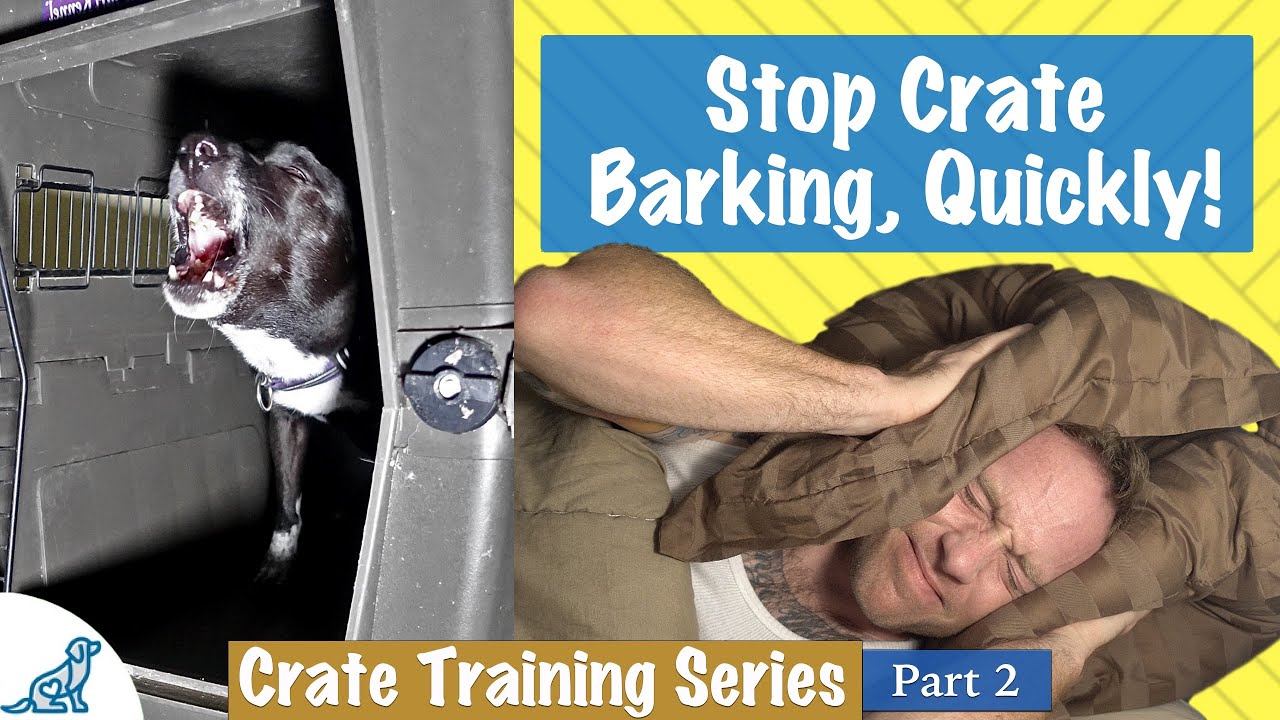
Image Source: i.ytimg.com
Deciphering Why Dogs Bark in Crates
Before you can fix the problem, you need to know why your dog is making noise. Crate anxiety barking remedies work best when you target the root cause.
Common Reasons for Crate Vocalization
Dogs bark for several reasons when confined. Spotting the pattern is the first step.
- Separation Anxiety: The dog fears being left alone. They bark because they think you will return if they are loud.
- Need for Attention: If barking gets you immediate attention (even negative attention, like yelling), the dog learns to bark for engagement.
- Boredom: The dog has nothing else to do. Barking relieves pent-up energy or boredom.
- Unmet Needs: They might need to go potty, be hungry, or be thirsty.
- Fear or Discomfort: The crate might be too small, too cold, or they may associate it with punishment.
If you hear dog whining in crate training, it might be a simple need, like bathroom time. If it’s a continuous, frantic bark, it points more toward anxiety or attention-seeking.
Step 1: Perfecting Crate Setup for Comfort
A comfortable space encourages quiet crate time for dogs. If the crate is uncomfortable, barking will likely increase.
Making the Crate a Safe Haven
The crate should never be a place of punishment. It must feel like a den.
- Size Matters: The crate must be large enough for the dog to stand up, turn around easily, and lie down fully stretched out. If the crate is too big, dogs sometimes use one end as a bathroom, which leads to stress.
- Comfortable Bedding: Use soft, safe bedding. Avoid items that can be easily shredded and swallowed if your dog is a heavy chewer.
- Location, Location: Place the crate in a quiet, low-traffic area initially. Later, move it to where the family spends time (like the living room) so the dog feels included, but not overwhelmed.
Reducing Dog Crate Noise Through Environment Control
Covering the crate with a light blanket can mimic a dark, safe den, which calms many dogs. Ensure the cover allows good airflow.
Table: Crate Comfort Checklist
| Feature | Ideal Setup | Poor Setup |
|---|---|---|
| Size | Just right for standing/turning | Too small or excessively large |
| Bedding | Soft, durable, chew-proof mat | Hard floor or worn-out blanket |
| Location | Quiet, family-adjacent space | Isolated, high-traffic hallway |
| Temperature | Moderate, draft-free | Too hot or too cold |
Step 2: Building Positive Associations (The Foundation of Crate Training for Barking)
Dogs bark when they expect something good to happen (like being let out) or bad to happen (like being left alone). We must change that expectation.
Pre-Crating Activities
Never put a tired, hungry, or overly excited dog in the crate.
- Exercise First: Ensure your dog gets adequate physical and mental exercise before crating. A tired dog is a quiet dog.
- Mental Work: A short session of trick training or puzzle toys tires the brain quickly and builds focus.
Making the Crate a Treat Machine
This involves positive reinforcement crate barking prevention. The crate must only predict good things.
- Toss high-value, long-lasting chews (like stuffed Kongs) inside the crate while the door is open. Let the dog take it and leave. Repeat this many times.
- Feed all meals inside the crate. Start by feeding with the door open. Gradually close the door for just a second while they eat, increasing the time slowly.
If the dog whines briefly while eating, ignore it and wait for a moment of silence before opening the door. This addresses dog whining in crate training gently.
Step 3: Mastering In-Crate Quiet Time
This is where you actively work on teaching dog to be quiet in crate. The key is ignoring attention-seeking barking while rewarding silence.
The “Wait for Quiet” Technique
This is the most crucial part of crate barking solutions. You must teach the dog that barking does not work to get you to open the door.
- Short Stays: Start by closing the door for just a few seconds while you are right next to the crate. If the dog remains quiet, immediately open the door and give a calm praise (not a huge party).
- Gradual Increase: Slowly increase the time. If the dog barks, wait for a tiny pause—even half a second of silence—then open the door. If they bark continuously, you went too fast. Close the door, wait for silence, then open.
- Ignore True Barking: If the dog barks incessantly for attention, you must ignore it completely. Put on headphones. Do not look at the crate. Do not speak to it. Any acknowledgment fuels the behavior.
Warning: The barking will likely get worse before it gets better. This is called an extinction burst. The dog tries harder because the old trick isn’t working. Stay strong! If you give in during this burst, you teach the dog that barking needs to last longer next time.
Using Chews Strategically
Give a high-value, long-lasting chew only when you close the door for a longer duration. This redirects the dog’s energy from barking to chewing. The chew should take 15–30 minutes to finish. This keeps them busy during the crucial initial quiet phase.
Step 4: Addressing Anxiety and Fear (Crate Anxiety Barking Remedies)
If barking is frantic, accompanied by pacing, drooling, or destructive chewing on the crate, anxiety is the main driver. This requires desensitization to crate barking.
Building Tolerance to Your Absence
Dogs with separation anxiety panic when they think you are truly leaving. We need to desensitize them to departure cues.
- Fake Exits: Pick up your keys, put on your coat, and then sit down immediately. Repeat this until the dog doesn’t react to the cues.
- Micro-Departures: Walk to the door, touch the knob, and come back. Reward calm behavior. Slowly increase the duration outside the door—one second, two seconds, five seconds.
- Vary Duration: When you do leave, vary the time you are gone (sometimes 2 minutes, sometimes 10 minutes). This prevents the dog from predicting when the “scary” absence will end.
Utilizing Calming Aids
Supplements or tools can assist during the training process.
- White Noise: A fan or white noise machine helps drown out outside noises that might trigger alert barking. This helps with reducing dog crate noise from the environment.
- Pheromones: Diffusers or collars releasing dog-appeasing pheromones (like Adaptil) can create a sense of calm.
- Calming Chews/Vet Consultation: For severe anxiety, talk to your vet about prescription calming aids or stronger behavior modification plans.
Step 5: Troubleshooting Specific Barking Types
Different sounds require slightly different responses when crate training for barking.
Handling Persistent Whining
If the dog is whining, first rule out physical needs (potty, water). If the needs are met, use the “Wait for Quiet” method described above. However, be gentler. A whine is less intense than a full bark. Wait for a moment of complete stillness before releasing them. If you release them mid-whine, you reward the whine.
Dealing with Alert Barking
If your dog barks only when they hear a noise outside (mail carrier, neighbor), they are alerting you.
- Change Location: Move the crate away from windows or doors.
- Covering: A secure crate cover prevents visual triggers.
- Pre-emptive Calm: Before the usual trigger time, give the dog a special, high-value chew only available during that time. This distracts them positively.
When they do bark at an alert, calmly say “Thank you” (acknowledging the alert), then immediately redirect them to a mat or chew toy. Do not yell, as this adds to the excitement. The goal is teaching dog to be quiet in crate even when things happen outside.
Long-Term Success and Maintenance
Achieving quiet crate time for dogs isn’t a one-time fix; it’s a routine.
Consistency is King
Everyone in the household must follow the same rules. If one person lets the dog out when they bark, the entire training effort is ruined. Positive reinforcement crate barking prevention only works if the reward (release from the crate) only comes after quiet behavior.
Reviewing Training Intervals
If your dog starts barking again after a successful period, you moved too fast in the duration of their crating. Go back one or two training steps where they were successful, solidify that step again, and then slowly build time back up.
Important Tip: Never let the dog out of the crate while they are actively barking or whining for attention. Wait for the silence, then open the door calmly.
FAQ Section
Q: How long should I wait before letting my dog out if they bark?
A: Wait for any break in the sound, even a split second of silence, before opening the door. If the barking is frantic and doesn’t stop, you need to go back to shorter training intervals where they were successful before the barking began.
Q: Can I use a crate for time-outs?
A: No. This poisons the crate environment and worsens crate anxiety barking remedies. The crate should always be associated with safety, rest, and positive rewards. Use a designated, non-crate “time-out” spot instead.
Q: My puppy cries a lot at night. Is this separation anxiety?
A: Nighttime crying often stems from being lonely or needing to potty. Ensure the puppy is let out right before bedtime. If they are newly adopted, place the crate near your bed so they can hear and smell you. This closeness often resolves early dog whining in crate training issues.
Q: What if I have to leave and my dog barks the whole time?
A: If you must leave, ensure the dog is fully exercised and has a high-value, long-lasting chew (like a frozen Kong). If the barking is truly destructive or panic-level, you may need to hire a professional trainer specializing in separation anxiety or consult your veterinarian, as true anxiety may require more intensive crate barking solutions. Never leave a dog crated if they cannot handle being alone for that duration yet.