
Can I make a dog crate comfortable? Yes, you absolutely can make a dog crate much more comfortable! A happy crate setup means a relaxed dog. We will look at many ways to improve your dog’s den right now. Making a crate a safe, cozy spot is key to success. It should be a place your dog loves, not a place they fear.
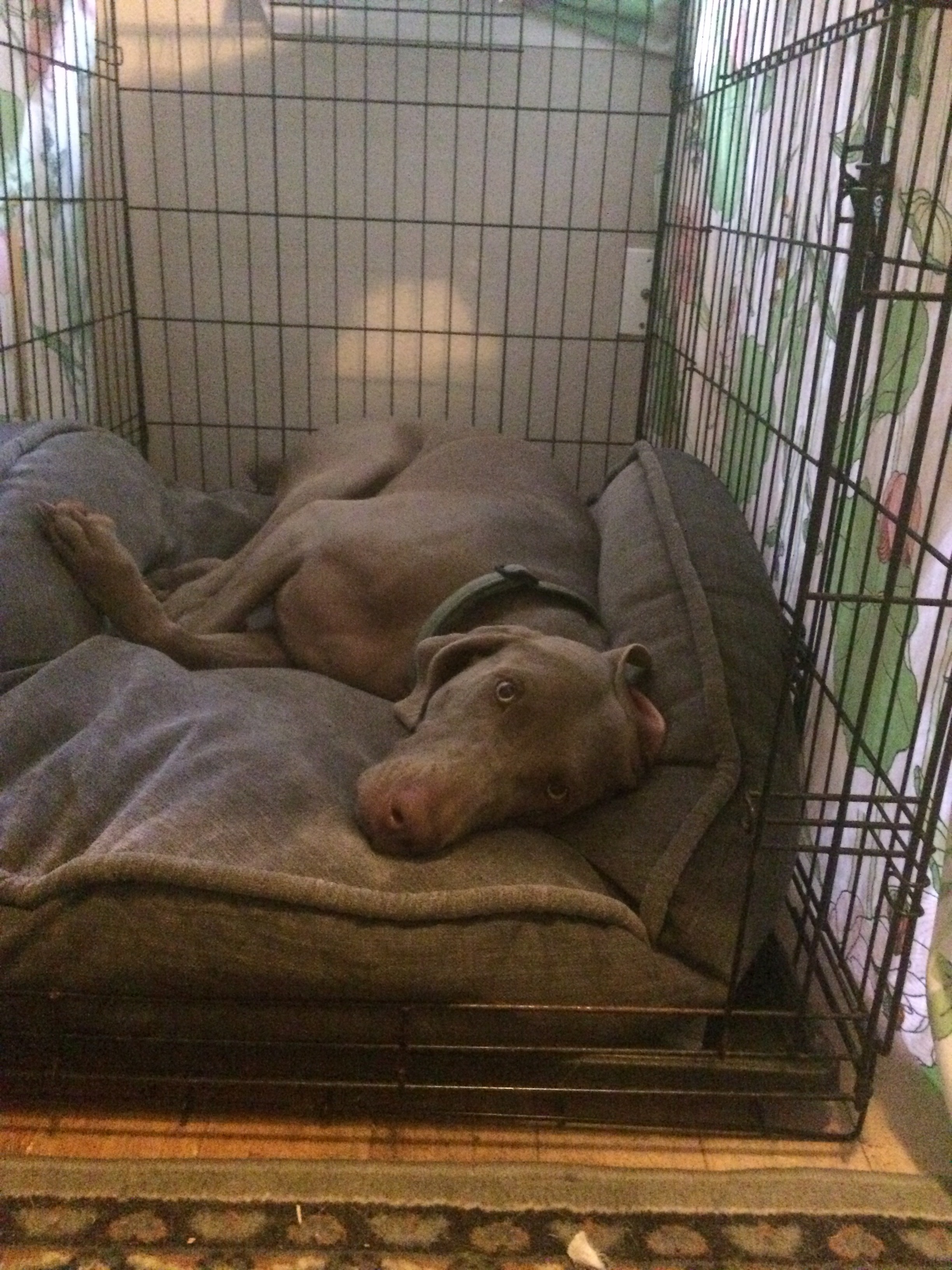
Image Source: images.squarespace-cdn.com
Building a Better Den: The Basics of Crate Comfort
A dog crate should mimic a safe, dark den. Think about what your dog needs to feel secure and relaxed. This goes beyond just tossing in an old towel. A truly comfortable space involves good padding, the right size, and a calm setting.
Choosing the Right Size Crate
The crate size must be right for your dog. Too small means no room to move. Too big can cause potty issues or make the dog feel exposed.
Ideal Dimensions for Your Dog’s Space
- Standing Height: Your dog should stand up fully without hitting the top.
- Turning Radius: They must be able to turn around easily.
- Lying Down: They need space to stretch out fully, even when curled up.
If you have a puppy, use a divider. This stops them from using one end as a bathroom and the other as a bed. As they grow, move the divider. This saves you money and keeps the dog crate bedding area just right.
Essential Dog Crate Bedding Choices
Good dog crate padding makes a huge difference. Hard plastic or thin metal floors are cold and uncomfortable.
Types of Dog Crate Padding
| Padding Type | Pros | Cons | Best For |
|---|---|---|---|
| Crate Mats | Easy to clean, good base layer. | May shift around. | Daily use, easy cleaning. |
| Thick Bolsters | Great support, mimics a ‘nest’. | Can trap heat easily. | Older dogs, anxious dogs. |
| Orthopedic Foam | Excellent joint support. | Higher cost, harder to wash. | Senior dogs, large breeds. |
Always pick washable options. Dogs sometimes have accidents, especially when first learning. Easy cleaning keeps the crate fresh. Look for best crate liners that fit snugly. Loose blankets can become tripping hazards or be chewed up.
Crate Comfort Hacks for Immediate Improvement
You don’t need to buy a whole new setup today. Small, fast changes can boost comfort right away. These crate comfort hacks focus on sensory improvements.
Covering the Crate for Security
Dogs feel safer when they can see less. A dark, enclosed space feels like a true den.
- Use a light blanket or a dedicated crate cover.
- Do not cover the back three sides fully first.
- Leave the door side partially open at first. This lets the dog see you but still feel hidden.
- Ensure airflow is never blocked! Poor air flow causes overheating.
Sound and Scent Cues
What your dog hears and smells matters a lot for reducing dog crate anxiety.
- White Noise: A soft fan or a white noise machine can mask sudden house noises. This stops startling sounds from waking or scaring your dog.
- Calming Scents: Use dog-safe pheromone sprays (like Adaptil) lightly on the bedding. Never spray directly on the dog. These scents promote calm feelings.
The Importance of Temperature Regulation
A crate can get too hot or too cold fast. Crate temperature regulation is vital for safety and comfort.
Keeping the Crate Just Right
- Cold Weather: Place a thick blanket under the plastic tray if you have one. This stops cold rising from the floor. A small, safe heating pad designed for pets can be used under the main bed. Never put electric blankets inside the crate.
- Hot Weather: Ensure the crate is not in direct sunlight. Use cooling mats on top of the primary dog crate padding. Good ventilation is a must.
Elevating the Experience: Crate Enrichment Ideas
A comfortable crate is not just about soft bedding; it’s about making time spent there rewarding. This is where crate enrichment ideas come in. Boredom leads to chewing and stress.
Food-Based Enrichment
Making your dog work for a treat inside the crate builds positive association for crate training comfort.
- Frozen KONGs: Stuff a rubber toy with yogurt, peanut butter (xylitol-free!), or wet food. Freeze it. This keeps the dog busy for 30 minutes or more.
- LickiMats: Spread soft treats on these textured mats. The licking action is naturally soothing for dogs.
These items should only be given inside the crate. This makes the crate the source of the best rewards.
Safe Chew Toys
Always ensure toys placed in the crate are safe for solo chewing. Remove ropes, squeaky toys with loose parts, or anything easily swallowed. Hard nylon chews or durable rubber toys are usually best for unsupervised time.
Creating a Cozy Dog Crate Setup
To achieve a truly cozy dog crate setup, we combine the best elements. It should look inviting when you open the door.
Layering for Maximum Comfort
Think of it like making a great human bed. You need a base, a mattress, and covers.
- Base Layer: The main, sturdy crate mat or orthopedic pad. This provides structure.
- Middle Layer: A softer fleece blanket or plush dog crate bedding. This adds warmth and softness.
- Top Layer/Cover: A small, favorite blanket that smells like you (if you allow them to nest). This is for burrowing.
Safety Note: If your dog eats fabric, you must skip the loose blankets. Stick to tight-fitting, durable crate mats or high-quality, chew-resistant liners.
Strategic Toy Placement
Do not fill the crate wall-to-wall with toys. This can feel cluttered. Place high-value chews near the back or side where the dog rests. Keep one safe comfort toy near the entrance.
Advanced Dog Crate Accessories That Help
Beyond the basics, several dog crate accessories can enhance the experience, especially when focusing on reducing dog crate anxiety.
Useful Add-Ons
- Crate Fans: Small, battery-operated fans that clip on the side. These are great for airflow and white noise.
- Water Dishes: Use spill-proof, heavy bowls that attach securely to the crate side. For long periods, use a specialized drip bottle, but monitor closely to ensure the dog drinks enough.
- Comfort Lights: Small, battery-operated puck lights placed high up can give a dim, comforting glow without being harsh. Avoid standard lamps inside the crate.
Focus on Crate Training Comfort
If the crate is uncomfortable, training will fail. The goal of crate training comfort is to build positive memories associated with the space.
Gradual Introduction Steps
Never force your dog into a suddenly comfortable crate if they already fear it. Start small:
- Place favorite treats just inside the door. Let them step in and out freely.
- Toss a high-value chew toy just inside the door.
- Close the door for one second while they are happily chewing. Open it immediately.
- Slowly increase the time by a few seconds.
If your dog whines or paces, you have gone too far, too fast. Go back a step. The crate must always feel safe, even when the door is shut.
Addressing Separation Anxiety in the Crate
If anxiety is the root problem, comfort alone won’t fix it. You need a multi-step approach that involves making the crate a home base.
- Pre-Crate Routine: Before crating, take a short, brisk walk. A tired dog is a calm dog.
- No Big Goodbyes: Make your exit very low-key. A relaxed departure prevents your dog from associating your leaving with stress.
- Sound Masking: Use calming music or the white noise mentioned earlier.
Maintaining Cleanliness for Better Comfort
A dirty crate is never comfortable. Smells can stress a dog, and bacteria can cause skin issues.
Regular Cleaning Schedule
| Item | Frequency | How to Clean |
|---|---|---|
| Dog Crate Bedding (Mats/Liners) | Weekly (or as needed) | Machine wash on hot cycle. Air dry or tumble dry low. |
| Crate Pan/Floor | Every 2-3 days | Wipe down with a pet-safe cleaner or diluted vinegar solution. |
| Toys | Bi-weekly | Scrub with soap and water, rinse well. |
Use cleaners that don’t leave harsh chemical smells. Dogs have sensitive noses. A faint bleach smell can make them avoid the area.
Grasping Why Texture Matters
Texture plays a huge role in how a dog perceives comfort. Some dogs like to burrow; others like firm support.
Burrowers vs. Leaners
- Burrowers: These dogs love to dig and hide. They benefit from plush, washable blankets they can manipulate. Ensure blankets are durable enough not to be destroyed quickly.
- Leaners: These dogs prefer firm back support, often leaning against the crate walls. They need a high-quality bolster bed or thick, firm dog crate padding that doesn’t collapse when leaned on.
Sometimes, a combination works best: a firm pad underneath with a soft, lightweight blanket on top for burrowing.
Troubleshooting Common Comfort Issues
If your dog still seems unhappy, look closely at these details. We are diagnosing issues with the cozy dog crate setup.
Issue: Dog Destroys Bedding
This usually means one of two things: boredom or deep anxiety.
- If Bored: Increase enrichment toys (like frozen KONGs). Do not leave fabric that can be shredded. Switch to durable rubber beds or no bedding at all temporarily.
- If Anxious: Focus heavily on slow crate training comfort introductions and use pheromone aids. Remove all loose bedding until the anxiety lessens.
Issue: Dog Pushes Bedding Out
This often signals that the dog crate padding is too thick or hot. The dog is trying to create a cooler surface or move the barrier.
- Try a thin fleece liner instead of a thick mattress.
- Ensure the crate is not too warm (check crate temperature regulation).
Issue: Dog Hides in the Corner
This suggests the space feels too open or the dog is cold.
- Cover more sides of the crate to create a darker space.
- Add a warmer, lower layer of dog crate bedding underneath the main pad.
Summary: Your Comfort Checklist
Making a crate comfortable is an ongoing project. Use this checklist to review your setup today:
- Is the size correct for stretching and turning?
- Is the dog crate bedding supportive but soft?
- Are you using crate enrichment ideas daily?
- Is crate temperature regulation checked every day?
- Are you actively working on reducing dog crate anxiety?
- Are the dog crate accessories safe and functional?
A comfortable crate is a tool for good behavior, security, and rest. Investing time in this setup pays off with a happier, calmer dog. Keep refining your cozy dog crate setup, and enjoy seeing your dog relax in their perfect little den.
Frequently Asked Questions (FAQ)
What is the best material for dog crate liners?
Fleece or sturdy canvas are often the best materials for best crate liners. They are durable enough to handle mild scratching but soft enough for comfort. For dogs that chew, look for heavy-duty, chew-resistant rubber mats instead of fabric liners.
Can I leave a dog crate door open all the time?
Yes, if your dog is fully crate trained and views the crate as their safe space. Keep the crate area pleasant with good dog crate padding and safe toys. If the crate is always open, it serves as an excellent “den” they can retreat to when things are noisy or they feel overwhelmed.
How do I stop my dog from shaking the crate when anxious?
Shaking usually means severe stress or fear. First, ensure the crate is stable and not rattling. If the crate is stable, focus on reducing dog crate anxiety through desensitization. Use calming aids, white noise for sound masking, and never let the dog out while they are actively shaking or barking. Wait for a brief pause in the behavior before releasing them.
Are raised cot-style beds good for inside a crate?
Raised cot beds are fantastic for crate temperature regulation in warm weather, as they allow air circulation underneath. However, they are not ideal for very cold floors. If using one, place a soft fleece blanket on top for extra comfort and warmth, ensuring the dog doesn’t chew the mesh.
How often should I refresh the scent for calming if I am using pheromones?
Pheromone sprays usually need to be refreshed every few weeks or when the bedding is washed. Follow the product directions closely. Over-spraying can be ineffective or overwhelming for the dog.