
Can you make a dog cone more comfortable? Yes, you absolutely can use several easy hacks and alternative products to make the recovery collar experience much better for your dog. The standard plastic cone, often called an Elizabethan collar, is vital for healing but can be hard on pets. We will explore many ways to improve comfort, from modifying the existing cone to choosing better options like soft dog cone alternatives.
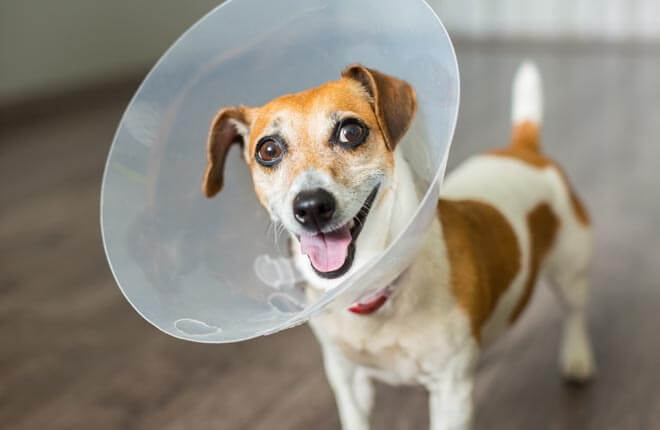
Image Source: images.contentstack.io
Why Dog Cones Cause Discomfort
Dogs rely heavily on their senses and movement. A cone blocks their view, bumps into things, and messes with their ability to eat or rest properly. This can cause stress and frustration.
Issues with Traditional Plastic Cones
Traditional cones are often rigid and clear plastic. They work well because they prevent licking, but they bring many problems.
- Vision Obstruction: Dogs cannot see well out of the sides. This makes them clumsy.
- Noise: Bumping into walls or furniture makes loud noises that scare dogs.
- Eating and Drinking: Reaching the bowl becomes very hard. Spills often happen.
- Sleeping: Finding a comfortable resting spot is a real challenge.
Choosing Better Cone Styles
If your vet approves, switching the type of cone can offer huge relief. There are many excellent alternatives to plastic dog cone designs available today.
Soft Dog Cone Alternatives
These options replace hard plastic with flexible, fabric-based materials. They are often much gentler.
Fabric Cones
These look like fabric donuts or wide collars. They wrap around the neck and stop the dog from reaching wounds.
- Pros: Lightweight, less visual blockage, easier to wear around the house.
- Cons: Some dogs can still twist their neck enough to reach past them, depending on the location of the injury.
Inflatable Donut Dog Cone
This style acts like a pool floatie around the dog’s neck. It is an inflatable donut dog cone. It stops the dog from bending the head back too far.
- Pros: Very easy to move around in, does not block peripheral vision much, great for relaxing.
- Cons: Can be punctured, might not work for all surgeries (like ear or face wounds).
Padded Dog Recovery Collar
This option is similar to a soft fabric cone but often has more internal padding, acting as a padded dog recovery collar. They are sturdy but soft around the neck.
- Pros: Gentle on the neck, better for long-term wear than plastic.
- Cons: Can still be bulky.
| Cone Type | Main Material | Vision Impact | Best Use Case |
|---|---|---|---|
| Hard Plastic | Clear Plastic | High Obstruction | Serious wound protection |
| Fabric Soft Cone | Cloth/Foam | Low Obstruction | General irritation prevention |
| Inflatable Donut | Vinyl/Air-filled | Minimal Obstruction | Sleeping and light activity |
| Padded Collar | Thick Foam/Fabric | Moderate Obstruction | Sensitive necks, long recovery |
Hacks to Improve Existing Plastic Cones
If you must stick with the original plastic cone, you can apply several tricks to boost Elizabethan collar comfort tips.
Softening the Edges
The hardest parts of the plastic cone are the edges. They dig into the skin or hit furniture roughly.
Wrapping the Outer Rim
Use soft, safe materials to cushion the outer edge. This helps prevent damage when the dog bumps into things.
- Use vet wrap or soft athletic tape on the outer rim. Make sure the tape is not too tight.
- Wrap an old, thin sock over the outer rim. Cut a slit in the sock for the opening.
Padding the Inner Rim (Neck Area)
The part touching your dog’s neck needs to be extra soft to stop irritation. This is key for preventing chafing dog cone injuries.
- Attach a thin strip of fleece or soft flannel around the inner edge using strong, pet-safe adhesive or by sewing it on lightly.
- Look for cones that already have a dog cone with soft edge lining pre-installed. These are often better choices from the start.
Making the Cone Lighter
A heavy cone tires the neck muscles quickly. Reducing the weight helps significantly.
- If the cone is too long, you can carefully trim the end. Important: Never trim so short that the dog can reach the surgical site. Ask your vet for approval before altering the length.
- Use tape to secure any loose plastic flaps that add unnecessary weight or snag on things.
Improving Visibility
Poor vision adds stress. We need to help the dog see better without losing protection.
- If using a clear plastic cone, wipe it often. Dirt and smears make seeing harder.
- Consider using lighter-colored cones if available. Sometimes, the glare from clear plastic is confusing.
Addressing Eating, Drinking, and Sleeping Challenges
These three areas cause the most complaints from dog owners about cone use.
Easing Mealtimes
A standard cone makes the bowl seem miles away.
- Raise the Bowls: Place food and water bowls on a sturdy box or stand. Raise them up to chest height. This lets the dog lower its head less sharply.
- Use Shallow Dishes: Swap deep bowls for very shallow plates or wide, flat pans. This reduces the distance the dog has to push the cone into the food.
- Hand Feeding (Temporarily): For the first few days, try holding the bowl for your dog, or offer food by hand. This ensures they eat enough when they are stressed.
Making the Cone More Breathable
Dogs pant to cool down, and a cone can trap heat. Finding breathable dog cone options is crucial, especially in warm weather.
- Fabric and inflatable cones are naturally more breathable.
- If using plastic, ensure the cone is not too tight. A slight gap at the neck allows air circulation.
- Look for plastic cones with large ventilation holes built into the sides.
Creating a Comfortable Sleeping Spot
Sleeping is tough because the cone prevents the dog from curling up naturally. This is where a comfortable dog cone for sleeping matters most.
- Use Extra Padding: Place large, soft pillows or cushions around the dog’s usual sleeping area. Think of them as bumpers. The cone can rest gently on these instead of the hard floor.
- Donut Bed Hack: Place the dog inside a large, round donut-style dog bed. The elevated sides of the bed support the cone, allowing the dog’s neck to rest naturally without pushing the cone forward uncomfortably.
- Monitor Comfort: Never leave a dog alone when trying a new sleeping setup initially. Watch to make sure the cone isn’t pressing against their throat while they are deeply asleep.
Making E-collar Less Irritating: Behavioral Adjustments
Comfort isn’t just about physical tools; it’s also about reducing the dog’s mental stress. We need tips for making E-collar less irritating through interaction.
Gradual Introduction
If possible, introduce the cone before the surgery. Let your dog wear it for short periods while you distract them with treats or play.
- Start with just a minute or two.
- Offer high-value treats immediately when the cone goes on.
- Never use the cone as punishment.
Positive Reinforcement Always
Every interaction involving the cone should be positive.
- Reward calm behavior while wearing the cone.
- If the dog bumps into something and gets scared, comfort them calmly, then offer a treat to redirect their focus.
- Keep interactions brief and happy when first putting the cone on or taking it off for feeding.
Dealing with Anxiety and Noise Phobia
The sound of plastic bumping walls is a major stressor.
- Restrict your dog to carpeted rooms initially. This dampens the sound of bumps.
- Use soft barriers temporarily (like pillows or cushions placed strategically) to block known hard corners the dog frequently hits.
Advanced Comfort Solutions: When to Switch
If standard hacks fail, it might be time to discuss advanced options with your veterinarian.
Custom and Specialist Cones
Some specialty vets or groomers offer custom fitting services. For rare breeds or very specific injury locations, a custom fit is best.
Protective Clothing Alternatives
For some incisions (like on the torso), protective recovery suits or full-body medical shirts can replace the cone entirely. Ask your vet if this is an option for your dog’s specific wound. These suits act as a barrier, meaning you might eliminate the need for the cone altogether once the initial high-risk period passes.
Monitoring Skin Health
Constant contact between the cone and the skin can cause hot spots or irritation, especially where the cone meets the fur.
- Check the neck area daily. Look for redness or bald patches.
- If using a padded dog recovery collar, ensure the padding stays dry, as damp fabric can promote bacterial growth.
- Keep the dog’s fur around the neck trimmed short (only if allowed by your vet) to reduce matting under the collar.
Final Thoughts on Cone Success
Making a dog comfortable in a cone is a team effort between you, your dog, and your vet. Most dogs adjust surprisingly well if their owners provide support and utilize smart modifications. By looking into soft dog cone alternatives, padding the edges, and raising food bowls, you drastically improve the recovery time. Remember, the cone is temporary, and your patience makes all the difference in making this necessary medical device less of a burden.
Frequently Asked Questions (FAQ) About Dog Cone Comfort
Q1: How long must my dog wear the cone?
A: This depends entirely on the wound or procedure. Typically, cones are worn until the stitches are removed or the incision is completely healed, which often means 10 to 14 days. Always follow your veterinarian’s exact instructions.
Q2: Can I use an oven mitt or towel instead of a cone?
A: For very small snips or minor skin irritations, sometimes a towel wrap might work, but for most post-surgical sites, a towel or mitt is not secure enough. A dog can easily shake these off. It is safer to use an approved alternative like an inflatable donut dog cone or a soft fabric cone if the vet allows.
Q3: My dog is trying to eat the cone padding. What should I do?
A: If your dog is chewing the padding or any soft dog cone alternatives, immediately stop using that item. Chewing can lead to ingestion of foreign material, which is dangerous. Switch to a more robust material, or use a cone designed specifically to prevent chewing, often a harder plastic cone if necessary, while closely supervising your dog.
Q4: Is it okay if my dog can’t drink water easily with the cone?
A: No, dehydration is a major risk. If your dog cannot reach water, you must assist them. Try holding the water bowl right to their mouth, or use a syringe (without the needle) to offer small sips frequently. Elevating the bowl is usually the first step to fix this problem.
Q5: How do I stop the cone from banging loudly on walls?
A: This is where preventing chafing dog cone noise becomes important. Use soft materials. Wrap the outside rim with thick cloth tape or soft foam padding. Alternatively, restrict your dog to rooms with soft flooring, like carpet or rugs, which absorb the sound better than hardwood or tile.