
If you suspect your dog ate chocolate, the first step is to stay calm and try to figure out how much and what kind of chocolate they consumed. The danger level depends on the amount eaten and your dog’s weight.
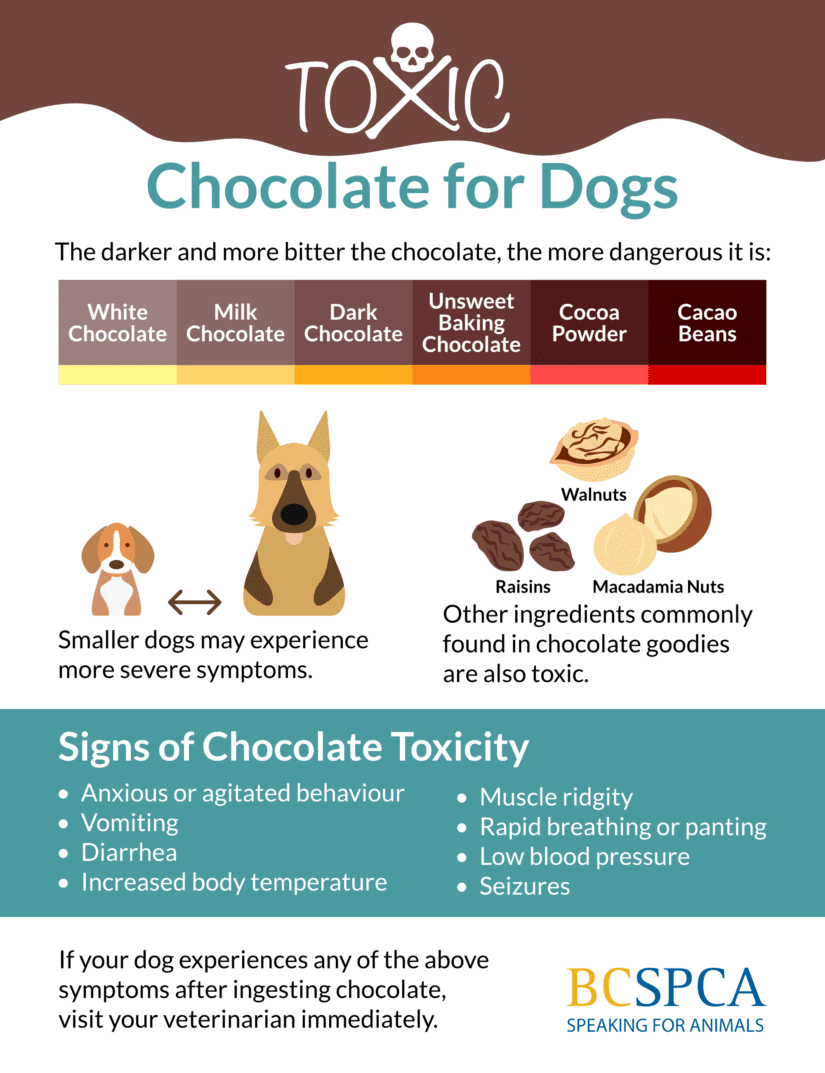
Image Source: b1157417.smushcdn.com
Recognizing the Danger: Why Chocolate Harms Dogs
Many dog owners wonder, can dogs eat chocolate? The simple answer is no. Chocolate contains a substance called theobromine, which is safe for people but toxic to dogs. Dogs process theobromine much slower than humans do. This means the substance stays in their system longer, building up to harmful levels. This buildup causes health problems, leading to what we call theobromine poisoning dogs.
The Toxic Ingredient: Theobromine
Theobromine is a stimulant, similar to caffeine. It affects a dog’s heart, central nervous system, and kidneys. Even a small amount can cause sickness in sensitive dogs. Larger amounts can be fatal.
Caffeine Content in Chocolate
Chocolate also has caffeine. Caffeine is another stimulant that adds to the toxic effects of theobromine. While theobromine is the main concern, caffeine makes the situation worse.
Assessing the Risk: How Much Chocolate Is Toxic to Dogs?
Determining the risk level is crucial. The question, how much chocolate is toxic to dogs, does not have one simple answer. It depends on two main factors: the type of chocolate and the size of your dog.
Types of Chocolate and Theobromine Levels
Not all chocolate is equally dangerous. Darker the chocolate, the higher the theobromine content, and the greater the risk. Bakers’ chocolate and cocoa powder are the most toxic. Milk chocolate has much less.
Here is a guide to help gauge the danger:
| Chocolate Type | Relative Theobromine Content (Per Ounce) | Danger Level |
|---|---|---|
| Cocoa Powder (Unsweetened) | Very High (400-500 mg) | Extreme |
| Baker’s Chocolate (Unsweetened) | High (390-450 mg) | Very High |
| Dark Chocolate | Moderate to High (130-160 mg) | High |
| Semi-Sweet Chocolate Chips | Moderate (100-150 mg) | Medium-High |
| Milk Chocolate | Low (44-60 mg) | Low to Medium |
| White Chocolate | Negligible (Less than 1 mg) | Very Low |
If your dog ate Hershey’s chocolate, the danger level depends on whether it was dark or milk chocolate, and how many ounces were eaten relative to your dog’s weight.
Calculating Toxic Doses
Veterinarians use specific guidelines based on body weight.
- Mild signs can start showing at doses around 20 mg of theobromine per kilogram (kg) of the dog’s body weight.
- Severe signs usually appear above 40–50 mg/kg.
- Seizures and cardiac issues can happen at doses over 60 mg/kg.
For example, a small 10-pound dog (about 4.5 kg) only needs to eat a small square of dark chocolate dangerous for dogs to reach toxic levels. A large dog can handle more, but moderation is key.
Spotting the Warning Signs: Dog Chocolate Toxicity Signs
If your dog ate chocolate recently, you must watch closely for dog chocolate toxicity signs. These signs usually start appearing within 6 to 12 hours after ingestion. Early recognition is vital for successful treatment.
Early and Mild Symptoms
Mild poisoning often involves digestive upset. These signs might look like many other common dog illnesses, which is why knowing the history of chocolate exposure is so important.
- Vomiting: This is often the first sign. The dog may throw up the chocolate.
- Diarrhea: Loose, watery stools are common.
- Increased Thirst (Polydipsia): The dog drinks water much more than usual.
- Restlessness and Pacing: The dog cannot settle down.
- Increased Urination (Polyuria): The body tries to flush out the toxins.
Severe and Neurological Symptoms
As theobromine levels rise, the effects become more serious, targeting the nervous system and heart. These chocolate poisoning symptoms in dogs require immediate action.
- Hyperactivity or Extreme Agitation: The dog seems wired and anxious.
- Muscle Tremors: Shaking or twitching in the limbs or body.
- Increased Heart Rate (Tachycardia): The heart beats too fast. You might feel this by placing your hand on the dog’s chest.
- Abnormal Heart Rhythm (Arrhythmias): The heartbeat sounds irregular or skipping beats.
- High Body Temperature (Hyperthermia): Due to increased muscle activity.
- Seizures: Uncontrolled shaking and loss of consciousness in severe cases.
If you see any severe signs, you must act fast.
What To Do If Dog Eats Chocolate: Immediate Steps
If you confirm or strongly suspect your dog ate chocolate, knowing what to do if dog eats chocolate can save their life. Time is critical in these situations.
Step 1: Gather Information
Before calling anyone, try to get these details:
- What Kind of Chocolate? (Milk, dark, semi-sweet, cocoa powder, etc.)
- How Much Was Eaten? (Estimate ounces or grams. Look for wrappers or crumbs.)
- When Did They Eat It? (Time of ingestion.)
- Your Dog’s Weight. (Accurate weight is important for dosage calculation.)
This information helps professionals quickly assess the risk level.
Step 2: Call for Help Immediately
Do not wait for symptoms to appear, especially if you know a significant amount of dark chocolate was consumed. Call your veterinarian or an animal poison control center right away.
- Your Regular Vet: They know your dog’s medical history.
- Emergency Veterinary Hospital: If it is after hours.
- Pet Poison Helpline or ASPCA Animal Poison Control Center: These centers have specialized toxicology experts available 24/7 (note: they usually charge a consultation fee).
Step 3: Follow Professional Advice
Do not try to treat your dog at home without professional guidance. Inducing vomiting incorrectly can be dangerous.
If the ingestion was very recent (usually within one to two hours), the vet may advise you to bring the dog in immediately so they can safely induce vomiting. This helps remove the toxin before it is fully absorbed.
Veterinary Care for Chocolate Ingestion
If you arrive at the clinic, expect a thorough examination and potentially aggressive treatment, especially if theobromine poisoning dogs is severe. Veterinary care for chocolate ingestion focuses on stopping absorption and supporting the dog’s body systems.
Decontamination Procedures
The first goal is often to get the chocolate out of the dog’s stomach.
- Inducing Vomiting (Emesis): Vets use specific medications (like apomorphine) to safely make the dog vomit. This is done only if the dog is alert and not showing severe neurological signs.
- Activated Charcoal: After vomiting, or if vomiting cannot be induced, activated charcoal is often given. This substance binds to the toxins in the digestive tract, preventing them from entering the bloodstream. It may need to be given in repeated doses.
Supportive Care
If the toxins have already entered the bloodstream, supportive care is essential to manage the symptoms.
- IV Fluids: Intravenous fluids help flush the toxins through the kidneys faster. They also help maintain hydration, especially if the dog is vomiting or urinating excessively.
- Medications for Heart Rate and Tremors: Drugs are given to control heart arrhythmias, lower the heart rate, and stop muscle tremors or seizures.
- Monitoring: Dogs with significant ingestion need monitoring, sometimes for 24 to 48 hours, to ensure the heart rate and rhythm stabilize.
The Concept of a Safe Limit for Dogs Eating Chocolate
Can a dog ever have a tiny bit of chocolate safely? The concept of a safe limit for dogs eating chocolate is tricky because tolerance varies.
While a very small lick of milk chocolate might not cause immediate harm to a very large dog, it is better to maintain zero tolerance. Any chocolate poses a risk because of the variability in product composition and individual dog sensitivity.
Why Small Amounts Still Matter
Even if your dog seems fine after eating a tiny piece of chocolate, remember that residual amounts in the system can still cause mild issues like stomach upset. Furthermore, if the small piece was dark chocolate, the concentration could still be high enough to cause issues later.
For small dogs, even a small candy bar wrapper containing traces of chocolate can be enough to cause problems.
Preventing Future Incidents
The best treatment is prevention. Once you know how to know if my dog ate chocolate, the next step is ensuring it never happens again.
Securing Chocolate Sources
Chocolate must be stored securely, just like medications or cleaning supplies.
- Keep all chocolate locked away or stored high up.
- Do not leave baking supplies unattended, especially if you are baking brownies or cookies.
- Be careful with holiday treats. Chocolate bunnies, advent calendars, and gift baskets are major hazards during holidays.
Educating Family Members
Make sure everyone in the household, including children and guests, knows that chocolate is poison to the dog. A child leaving a small chocolate candy on the floor can be dangerous.
Frequently Asked Questions (FAQ) About Dog Chocolate Ingestion
Q: How long does it take for a dog to show chocolate poisoning symptoms?
A: Symptoms usually appear within 6 to 12 hours after the dog eats the chocolate. In some severe cases, signs like hyperactivity or vomiting can start much sooner, sometimes within an hour or two.
Q: Will my dog be okay if they ate a piece of milk chocolate?
A: A very small piece of milk chocolate is usually not life-threatening for a large dog. However, if the dog is small, or if they ate a large quantity of milk chocolate, there is still a risk. Always check the weight of the dog against the amount eaten to be sure.
Q: Is white chocolate safe for dogs?
A: White chocolate contains very little theobromine. Therefore, it is rarely toxic. The main risks from white chocolate are fat content and sugar, which can cause stomach upset or pancreatitis if a large amount is consumed.
Q: Can I give my dog hydrogen peroxide to make them vomit?
A: You should only induce vomiting under the direct instruction of a veterinarian or poison control expert. If they instruct you to do so, they will provide specific dosage instructions for hydrogen peroxide. Inducing vomiting incorrectly can cause aspiration pneumonia or further internal damage.
Q: What is the safe limit for dogs eating chocolate for a 50-pound dog?
A: For a 50-pound dog (about 22.7 kg), mild symptoms might start around 450 mg of theobromine. This is roughly equivalent to eating about 3 ounces of dark chocolate. It is best to avoid giving any chocolate at all, as determining the exact safe limit for dogs eating chocolate is guesswork in a real-world scenario.
Q: My dog ate something with cocoa powder in it. Should I worry?
A: Yes, you should worry immediately. Cocoa powder has the highest concentration of theobromine. Treat any known ingestion of cocoa powder as an emergency and contact your vet right away.