
Can I keep my dog’s crate warm in the winter? Yes, you absolutely can keep your dog’s crate warm in the winter by using a combination of insulation, proper bedding, and supplemental heat sources, ensuring your pet stays safe and cozy when temperatures drop. Keeping your dog warm in the kennel during cold months is vital for their health and comfort. This guide will show you simple, effective ways to create a warm haven for your canine friend, whether they live indoors or outdoors.
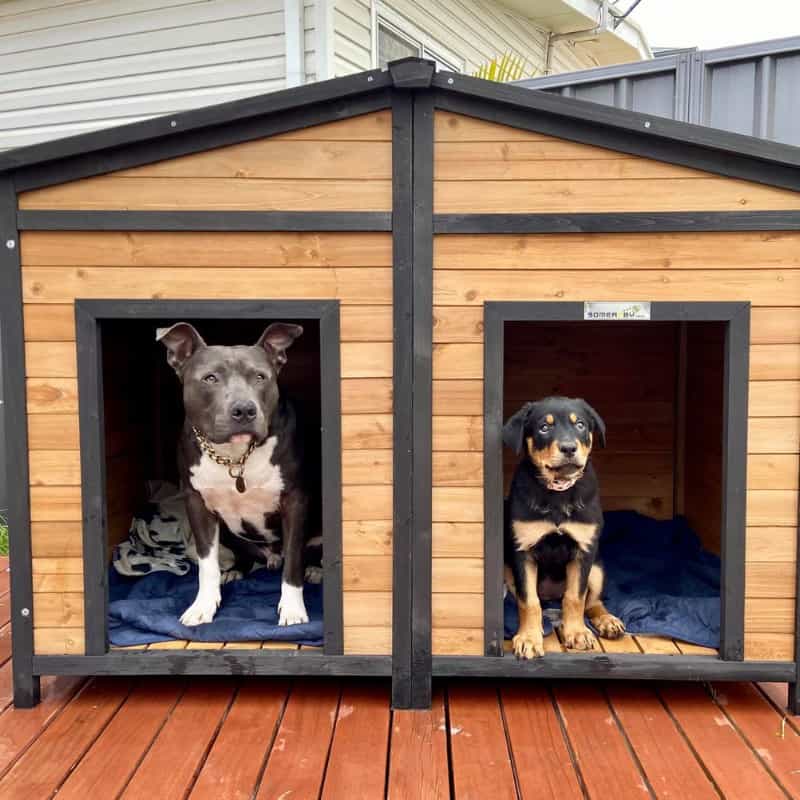
Image Source: www.coopsandcages.com.au
The Basics of Winterizing Your Dog Crate Setup
Preparing your dog’s space for winter involves more than just tossing in an extra blanket. It requires a strategic approach to block the cold and trap existing warmth. A proper winter dog crate setup focuses on defense against drafts and maximizing insulation.
Why Winter Warmth Matters for Dogs
Dogs feel the cold just like we do, but some breeds are less equipped for low temperatures. Small dogs, short-haired breeds, senior dogs, and those with underlying health issues are highly susceptible to hypothermia. A cold crate can lead to stiff joints, illness, and general misery.
Identifying Signs Your Dog is Too Cold
If your dog is shivering, seeking tight curls, whining, or seems reluctant to lie down, they are likely too cold. Watch for these signs, especially if your crate is kept in a garage or outdoors.
Essential Materials for Dog Crate Insulation
Good dog crate insulation is your first line of defense. You need materials that stop cold air from getting in and warm air from escaping.
Simple Insulation Checklist:
- Thick blankets or towels.
- Bubble wrap (for exterior use only).
- Reflective emergency blankets.
- Styrofoam panels (cut to size).
Applying Insulation to Wire Crates
Wire crates are notorious for letting cold air flow right through. To combat this, you must cover the sides.
- Cover Three Sides: You only need to cover three sides of a wire crate, leaving the door side open for airflow and monitoring. Covering all four sides can trap too much heat from heating pads or make the space feel too small and stuffy.
- Use Hard Barriers First: Place rigid, insulating material like thick cardboard or cut Styrofoam panels against the outside of the wire sides first. Secure these gently with tape or clips.
- Wrap for Aesthetics and Draft Blocking: Cover the rigid panels with thick fabric or blankets. This stops drafts and makes the outside look nicer.
Selecting the Best Dog Crate Blankets and Bedding
The bedding inside the crate is crucial for direct warmth. You need layers that wick away moisture and trap body heat. Choosing the best dog crate blankets involves looking beyond simple aesthetics.
Layering for Maximum Dog Crate Liner Warmth
Layering is key. Think of it like making a human bed for winter—you need a base, a middle layer, and a top layer.
- Base Layer (Moisture Barrier): This layer goes directly on the crate floor. Use a waterproof or water-resistant mat or thick plastic sheeting if your dog might track in snow or water. This prevents cold, dampness from seeping up.
- Middle Layer (Insulation): This is where you put thick, dense materials. Old comforters or thick fleece pads work well here. This layer holds the heat your dog produces.
- Top Layer (Comfort and Heat Trap): Place a soft, cozy bed or a thick, heavy fleece blanket on top. This is what your dog snuggles into. Wool or heavy flannel works great here.
Tip for Outdoor Setups: If you are weatherproofing dog crate outside, make sure the very bottom layer is elevated off the ground using wood pallets or bricks to prevent ground chill.
Choosing the Right Crate Cover for Cold Weather
A dog crate cover for cold weather acts like a blanket for the entire enclosure. It traps the warm air inside the crate chamber.
- Material Choice: Look for heavy canvas, thick nylon, or specialized waterproof/windproof crate covers. These block wind penetration, which is a major source of heat loss.
- Coverage: Ensure the cover fits snugly but leaves enough space for air to circulate near the door. Many commercial covers have roll-up flaps for easy access while maintaining insulation.
- Material Comparison Table:
| Cover Material | Insulation Level | Wind Resistance | Best Use Case |
|---|---|---|---|
| Thin Fleece | Low | Low | Indoor, mild cold |
| Heavy Canvas | Medium | Medium | Covered porch, light snow |
| Insulated/Waterproof Nylon | High | High | Outdoor, severe weather |
Introducing Supplemental Heat Sources Safely
When blankets and covers are not enough, adding gentle, controlled heat is the next step. Safety is paramount when using any heat source near your dog.
Heated Dog Bed for Crate Options
A heated dog bed for crate is often the safest and most effective way to warm up the sleeping surface directly. These beds are designed to warm up to a safe temperature, usually around 100–105°F (38–40°C), which is slightly above a dog’s normal body temperature.
- Low-Voltage Beds: These are generally safer for crates as they use less power and generate less intense heat.
- Chew-Resistant Cords: If your dog chews, you must buy beds with metal-wrapped or steel-protected cords. Even then, constant supervision is required.
Crate Heating Pads for Dogs: Safety First
Crate heating pads for dogs are another popular option. They are usually thin mats that slide under the bedding.
Important Safety Notes for Heating Pads:
- Never Use Human Heating Pads: Human heating pads get too hot and lack the necessary chew protection. They can cause severe burns quickly.
- Thermostatically Controlled: Only use pads that regulate their own temperature. They should not reach scalding points.
- Placement: Place the pad under the thickest part of the bedding. The pad should warm the dog, not the air inside the crate. The dog must always have the option to move off the warm spot if they feel too hot.
Considering Radiant Heat (Outdoor Kennels)
If you are keeping dog warm in kennel setups that are fully outdoors or in unheated garages, you might need more robust options like radiant heaters.
- Infrared Heat Panels: These panels mount above the dog bed and safely warm objects (like the dog) rather than the air. They are energy efficient and pose less risk of burns than exposed heating coils. They are ideal for an insulated dog house setup.
Advanced Insulation Techniques for Outdoor and Garage Setups
If your dog spends any significant time outside or in an unheated structure, you need professional-level insulated dog house or crate preparation.
Building an Insulated Box Around the Crate
For wire crates in garages or sheds, creating an outer shell provides phenomenal insulation.
- Measure and Build a Frame: Build a simple wooden frame around the crate, leaving a few inches of space on all sides.
- Insulation Layer: Fill the space between the crate and the frame with rigid foam insulation boards (like XPS foam). This material offers excellent resistance to cold transfer.
- Seal Gaps: Use weather stripping or heavy-duty tape to seal any gaps where the wood meets the floor or walls. This prevents air infiltration.
Weatherproofing Dog Crate Exteriors
This step is crucial for any outdoor structure to fight wind and moisture.
- Floor Elevation: Ensure the base is raised at least four inches off the ground. Cold concrete or damp earth will suck the warmth right out of your dog’s bedding. Use plastic feet, cinder blocks, or treated wood skids.
- Door Flaps: Install heavy, overlapping vinyl flaps over the door opening. These act like an airlock, letting the dog pass through while minimizing the amount of cold air rushing in.
- Roof Sealing: If the crate is outdoors, ensure the top is completely covered and waterproof. If rain or snow seeps in, all your insulation efforts are wasted, and damp bedding accelerates heat loss.
Maintaining Proper Airflow and Ventilation
It might seem counterintuitive when you are trying to keep things warm, but good ventilation is non-negotiable for your dog’s health.
The Danger of Over-Insulation
If you seal a crate too tightly—especially when using electric heating sources—you risk creating a humid, stuffy environment. This can lead to mold growth in the bedding or, worse, overheating if the heat source malfunctions or the dog generates excessive body heat.
Ventilation Check Points
- Ensure the doorway remains clear.
- If using rigid insulation panels on the sides, leave a small gap (about half an inch) between the top of the panel and the roof of the crate. This allows for slight air exchange.
- If using a thick, fully sealed cover, you must open it completely for several hours a day to air out the space.
Managing Humidity and Dampness
Dampness is the enemy of warmth. Wet material draws heat away from the body much faster than dry material.
- Drying Bedding: Remove all bedding daily (or every other day) and shake it out or bring it indoors to dry completely, especially if you are keeping dog warm in kennel outside where humidity is high.
- Water Bowl Placement: Place the water bowl outside the immediate sleeping area. If it tips over, it will soak the bedding instantly. Use insulated bowls if necessary to prevent freezing, but keep them near the door opening, not tucked into the sleeping nook.
Adjusting Warmth Based on Your Dog’s Needs
Not all dogs need the same level of warmth. You must customize your winter dog crate setup for your specific pet.
Breed and Coat Considerations
| Breed Type | Cold Tolerance | Insulation Needs | Heating Pad Need? |
|---|---|---|---|
| Husky, Malamute, Newfoundland | High | Low to Moderate (Mostly draft protection) | Rarely needed |
| Beagle, Boxer, Mixed Breeds | Moderate | Moderate (Good blankets, 3-sided cover) | Sometimes, if below 30°F |
| Chihuahua, Greyhound, Poodle | Low | High (Thick layers, crate cover, supplemental heat) | Often necessary below 40°F |
Age and Health Factors
Puppies, senior dogs, and dogs recovering from surgery or those with arthritis need extra care. Their bodies have a harder time regulating temperature. For these dogs, consistent, gentle warmth from a crate heating pads for dogs is usually recommended, even indoors.
Maintaining Your Winter Crate Setup
Once you have your warm setup, you need a routine to keep it effective and safe throughout the winter season.
Daily Inspection Routine
Check these items every day when you feed or walk your dog:
- Bedding Dryness: Feel the bedding. Is it damp anywhere? If so, swap it out.
- Heat Source Check: If using a heated dog bed for crate, check that it is still working correctly and the cord is undamaged.
- Draft Patrol: Quickly check the exterior covers and insulation. Did the wind blow off a blanket? Did snow pack against the side? Address these issues immediately.
Long-Term Maintenance of Insulation
Insulation materials break down over time.
- Fleece and Blankets: Wash them often (but ensure they dry thoroughly before returning them to the crate). Replace worn-out fleece.
- Rigid Insulation: Check external foam or cardboard panels monthly for water damage or crushing, which reduces their R-value (heat resistance).
Frequently Asked Questions (FAQ)
Q1: Is it safe to use electric blankets designed for humans in a dog crate?
No, it is not safe. Human electric blankets reach much higher temperatures than necessary for a dog and lack the protective features against chewing or overheating that specialized pet products have. Always use a thermostat-controlled crate heating pads for dogs or a certified heated dog bed for crate.
Q2: What is the best way to warm a metal dog crate that is outside?
For an outdoor kennel, you need a multi-step approach: First, elevate the base off the ground. Second, create excellent dog crate insulation by building an outer shell filled with foam board. Third, use a heavy, windproof dog crate cover for cold weather that covers at least three sides. Finally, use a low-wattage, thermostatically controlled heating mat placed under heavy bedding.
Q3: How do I prevent my dog’s water bowl from freezing overnight?
If temperatures are consistently below freezing, use a heated water bowl designed for livestock or pets. If using a standard bowl, place it inside an insulated container (like a foam cooler box with a small cutout for the bowl) positioned just outside the main sleeping area. Ensure your dog crate liner warmth system is separate from the water source to avoid electrical hazards.
Q4: Can I use a standard dog crate blanket instead of a specialized dog crate liner warmth system?
A standard blanket can work for mild indoor cold, but for true cold protection, you need a liner system. A liner system implies multiple layers, including a waterproof or insulating base layer, which a single blanket does not provide. Investing in a dedicated dog crate liner warmth solution offers better protection against cold floors.
Q5: How much insulation do I need if I am just keeping dog warm in kennel inside my house?
If the crate is inside a heated house, you mainly need protection from drafts coming from windows or doors. Cover three sides with a heavy blanket or a fabric crate cover. Focus more on providing a thick, insulating bed than external insulation.