
Can you introduce a reactive dog to another dog? Yes, you absolutely can introduce a reactive dog to another dog, but it requires careful planning, patience, and specific training techniques. Leash reactive dog introductions are challenging, but success is possible when you manage the environment and focus on positive changes.
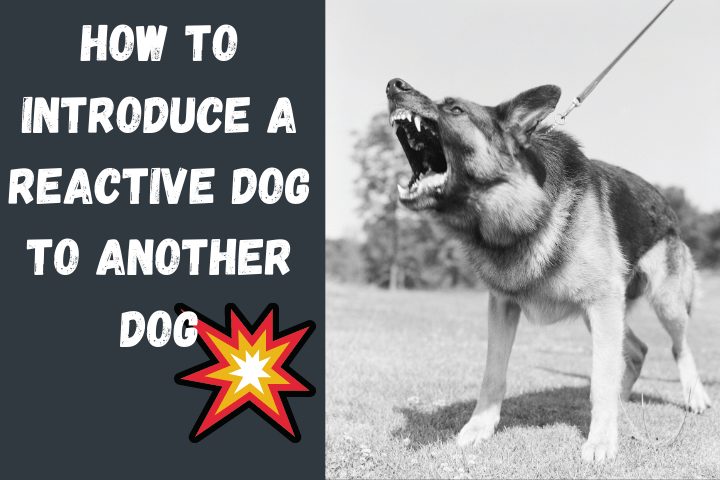
Image Source: spiritdogtraining.com
Setting the Stage for Safe Encounters
When your dog reacts badly to other dogs, meeting new friends needs a structured approach. Most reactions stem from fear, over-excitement, or frustration. The goal is not a sudden face-to-face meeting. Instead, we aim for safe dog introductions on leash that keep stress levels low for everyone.
Recognizing Your Dog’s Limits (Threshold)
Every reactive dog has a “threshold.” This is the distance at which they notice another dog but can still stay calm and take treats. Cross this line, and the reaction starts—barking, lunging, or freezing.
- Below Threshold: The dog notices, but remains relaxed. This is where training happens.
- At Threshold: The dog is focused hard on the trigger but hasn’t reacted yet.
- Over Threshold: The dog barks, growls, or pulls hard. Learning stops here.
For introducing dog with reactivity, knowing this limit is the most crucial first step. If you push past it, you undo progress.
The Importance of Calm Companions
When starting, the dog you introduce your reactive dog to must be exceptionally well-behaved. You need a dog that is neutral, ignores distractions, and does not rush forward. Helping reactive dog meet calm dog makes the learning process much easier.
Qualities of a Good Introduction Partner:
| Quality | Description | Why It Matters |
|---|---|---|
| Calm Demeanor | Moves slowly, ignores sudden movements. | Prevents over-arousal in your reactive dog. |
| Non-Reactive | Does not bark or lunge when seeing another dog. | A neutral response teaches your dog nothing needs to be feared or chased. |
| Good Leash Manners | Does not pull toward people or dogs. | Keeps the environment stable and predictable. |
| Patience | Willing to maintain distance for long sessions. | Allows for slow dog introductions. |
Phase One: Building Positive Associations from Afar
This phase focuses entirely on changing how your reactive dog feels about seeing another dog. We use techniques like counter-conditioning dog introductions and desensitization dog introductions.
Counter-Conditioning: Changing the Feeling
Counter-conditioning means pairing the sight of another dog (the trigger) with something amazing, like high-value treats (chicken, cheese, hot dogs). The dog learns: Dog appears = yummy food appears.
- Find the Distance: Start far away—often 50 to 100 feet, or wherever your dog first notices the other dog without reacting. This is your starting point.
- The “Look At That” Game (LAT): As soon as your dog sees the other dog (but before they react), mark the moment with a word (“Yes!”) or a clicker. Immediately follow with a treat.
- Repeat: Dog sees trigger $\rightarrow$ Mark $\rightarrow$ Treat. Repeat many times.
The goal is for your dog to see another dog and immediately look back at you, anticipating the reward. This builds a new, positive emotional response.
Desensitization: Getting Used to It
Desensitization involves gradual exposure. You start at a distance where the dog feels safe and slowly, over many sessions, decrease that distance.
Key Rule for Desensitization: Never let your dog go over threshold during these sessions. If a reaction happens, you moved too fast. Go back to a greater distance next time.
Session Structure Example:
- Session 1-5: Maintain 75 feet distance. Use the calm partner dog walking far away. Reward engagement with you.
- Session 6-10: Try 60 feet. If successful, stay there for several sessions.
- Progression: Only move closer after multiple successful, calm exposures at the current distance.
This is the core of managing dog reactivity during introductions—controlling the stimulus level.
Phase Two: The Power of Parallel Movement (Parallel Walks)
Once your dog can look at the trigger dog calmly from a safe distance, it is time to introduce movement. Parallel walks for reactive dogs are the safest next step. This involves walking both dogs in the same direction, maintaining a very wide distance between them.
Setting Up the Parallel Walk
You need two handlers. Handler A manages the reactive dog (Dog R). Handler B manages the calm partner dog (Dog P).
- Establish Distance: Begin walking so the dogs are far apart—perhaps 30 to 50 yards—walking in the same direction on parallel paths (e.g., opposite sides of a very wide park or street).
- Keep Moving: Movement helps release tension. Do not stop to force an interaction.
- Observe Body Language: Watch Dog R closely. Look for relaxed ears, soft eyes, and loose tails. If Dog R tenses up, Handler A must increase the distance immediately.
- Treat Frequency: Keep rewarding Dog R for simply walking nicely alongside the trigger dog’s path.
This exposure in motion helps dogs habituate to each other’s presence without the pressure of facing each other.
Slowly Closing the Gap
If parallel walking for several sessions remains stress-free, you can slowly narrow the gap between the paths.
- Start by moving from opposite sides of a large field to being on the same side of the street, perhaps 20 feet apart.
- Continue rewarding calm walking.
- If Dog R stares intensely or stiffens, the distance is still too small. Increase it again.
Note on Shy Dogs: If you are successful dog introductions with shy dog, maintain an even greater distance initially. Shy dogs often need more time for the presence of another dog to register as non-threatening before they can even consider approaching.
Phase Three: Controlled On-Leash Interactions
This stage is only attempted when both dogs are completely comfortable with parallel walking at relatively close range (e.g., 10 feet apart) without showing stress signals.
The U-Turn Technique
Before letting the dogs get close enough to interact face-to-face, practice turning away. This teaches your reactive dog that when things get too intense, you provide an exit strategy.
- Start walking parallel.
- When the trigger dog is near, use a happy voice to cue a sudden U-turn away from the trigger dog.
- Reward Dog R heavily for smoothly turning and moving away with you.
This is excellent practice for real-world management when surprises occur.
Short, Buffered Greetings
Face-to-face greetings on a tight leash are the number one cause of reactivity escalation. Leashes restrict natural body language (like turning the head sideways to signal friendliness) and create tension that travels right up the leash.
Forcing a face-to-face meeting while both dogs are on leash is generally NOT recommended for reactive dogs.
If you must have a brief on-leash introduction, follow these strict guidelines:
- Use a Long Line (or Safe Distance): Keep leashes loose. Ideally, the initial interaction happens on a long lead (10-15 feet) to give both dogs space to move away naturally.
- Angle, Not Head-On: Do not let the dogs walk directly toward each other. Keep the approach at a slight angle (like a “J” shape). This is less confrontational than a straight line.
- Keep it Brief: The first “meeting” should last only 2-3 seconds. If both dogs sniff politely, immediately lure them away and reward heavily. End the interaction on a high note.
- Avoid Leash Contact: Do not let the leashes touch or tangle. Leash tension can signal stress, triggering a reactive outburst even if the dogs were fine a moment before.
Moving to Off-Leash Scenarios (The Final Step)
Off-leash introductions should only happen if both dogs are known to be safe, neutral, and comfortable with each other in many controlled settings. This should only occur in a securely fenced, neutral area.
Criteria for Moving Off Leash:
- Both dogs willingly maintain good focus on their owners during close proximity on leash.
- Both dogs show relaxed, friendly body language (loose bodies, wagging tails) during parallel walks.
- You can pass within 5 feet of the trigger dog without your reactive dog showing tension.
If these criteria are met, you can try a brief off-leash introduction in a safe space.
- Keep Harnesses/Collars On: It is safer to have something to grab if you need to separate them quickly.
- Short Time Limits: Let them interact for 5 seconds, then call them away for a quick treat reward, then let them go again. Keep the sessions short and positive.
- Never Leave Unattended: Always supervise these initial off-leash interactions closely.
When helping reactive dog meet calm dog in this final stage, the calm dog’s non-reactive behavior will continue to reinforce that other dogs are safe.
Troubleshooting Common Introduction Hurdles
Sometimes, even with the best planning, things don’t go smoothly. Here is how to handle setbacks during introducing dog with reactivity.
What If My Dog Reacts? (Going Over Threshold)
If your dog barks or lunges, immediately increase the distance. Do not punish the reaction; punishment adds fear and makes future introductions worse.
Recovery Protocol:
- Create Space: Turn and walk briskly in the opposite direction until your dog calms down (even 50 feet away might be needed).
- Wait for Calm: Wait until your dog takes a treat willingly or stops panting heavily.
- Reset: Do not try to resume the session immediately. End the training session there or go back to a much greater distance than before.
Dealing with Owner Tension
Dogs read their owners incredibly well. If you see another dog coming and immediately tighten the leash, hold your breath, or tense up, your dog knows something stressful is happening.
- Breathe Deeply: Practice relaxing your body before starting any exposure session.
- Use a Happy Voice: Keep your tone light and cheerful, even when cueing a sudden U-turn.
Long-Term Success and Maintenance
Successful dog introductions are not single events; they are a process built over weeks or months.
Consistency is Key
Even after your reactive dog successfully meets one dog, it does not mean they can meet every dog easily. Each new dog is a new variable. Continue practicing slow dog introductions with new partners.
Environmental Management
Until your dog is fully reliable, you must manage their environment.
- Avoid busy dog parks or narrow sidewalks where unexpected encounters are likely.
- If you see a dog approaching while walking, step off the path, turn your back to the dog, or use a barrier (like a parked car) to increase visual separation.
- Use bright yellow “In Training” gear on the leash or harness to politely signal to other owners that they should keep distance.
By focusing on counter-conditioning dog introductions and respecting your dog’s threshold through careful desensitization dog introductions, you greatly increase your chances of achieving positive social outcomes.
Frequently Asked Questions (FAQ)
How long does it take to safely introduce a reactive dog?
It can take anywhere from a few weeks to many months, depending on the severity of the reactivity and the dog’s history. Focus on progress, not speed. If you try to rush, you will often need to restart the process.
Should I use treats or toys for counter-conditioning?
High-value food treats (like cooked meat or cheese) are generally best for counter-conditioning dog introductions. They create a faster and stronger positive association than standard kibble or toys, especially when a dog is feeling stressed.
What if my dog is leash reactive but fine off-leash?
If your dog is only reactive on a leash, it is called leash frustration or barrier frustration. The leash restricts their ability to greet or retreat naturally. Focus heavily on safe dog introductions on leash by ensuring the leash is always slack during training exercises.
Is it okay if my reactive dog never becomes best friends with every dog?
Yes. The goal is safety and neutrality, not friendship. For many leash reactive dog introductions, success means being able to walk past another dog calmly without incident. Not all dogs need to play together.
When should I seek professional help?
If you are struggling to find the right distance for training, if your dog’s reactions are escalating to aggression (biting attempts), or if you feel unsafe managing the situation, it is time to consult a certified professional dog trainer (CPDT-KA) or a veterinary behaviorist (DACVB). They specialize in managing dog reactivity during introductions.