
Can you hunt rabbits without a dog? Yes, you absolutely can hunt rabbits without a dog. Many traditional and effective hunting methods rely solely on the hunter’s skill, stealth, and knowledge of rabbit behavior. Hunting without a canine companion often requires more patience and better tracking skills, but it can be highly rewarding.
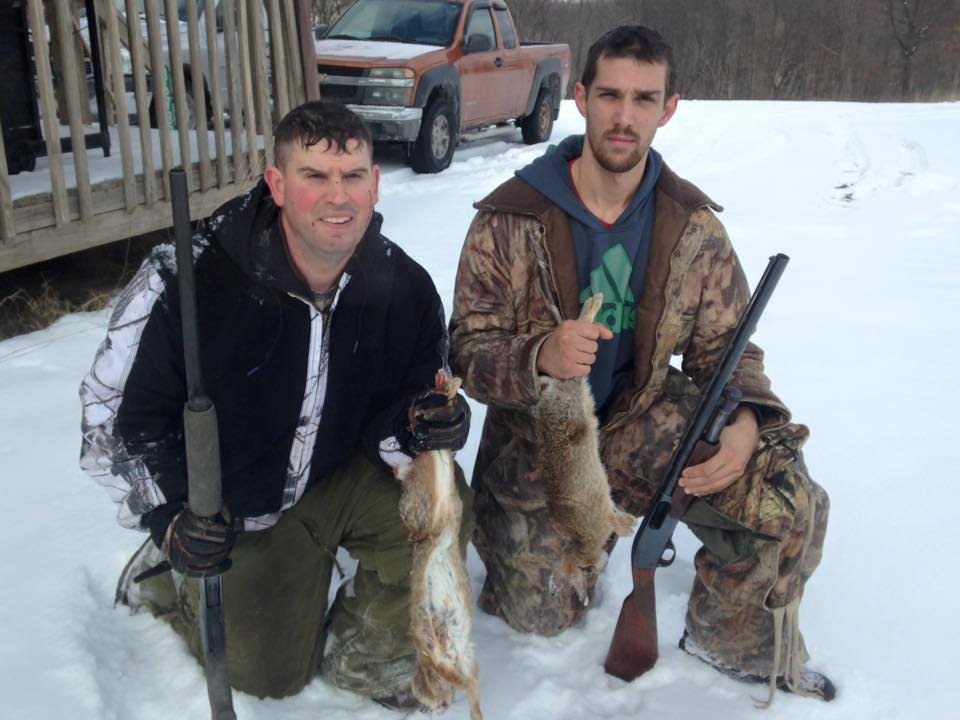
Image Source: i.ytimg.com
Why Hunt Rabbits Without a Dog?
Not everyone has a dog suitable for hunting. Some hunters prefer the challenge of solo hunting. Dogs are excellent for flushing rabbits from thick cover, but skilled hunters can achieve great results using their own feet and eyes. This guide focuses on methods that put you in direct control, maximizing your chances using just your wits.
Preparation: Gear and Legalities
Before heading out, proper gear and knowledge of local laws are vital. Think about safety and legality first.
Legal Methods for Rabbit Hunting
Rabbit hunting regulations change by state and season. Always check your local wildlife department rules first. This is crucial for legal methods for rabbit hunting.
- Licenses and Tags: Ensure you have the correct hunting license. Some areas require specific small game tags.
- Seasons and Bag Limits: Know when the season opens and how many rabbits you can legally take per day.
- Weapon Restrictions: Verify what equipment is allowed. Some areas restrict certain types of hunting equipment, even when hunting rabbits without a firearm.
Essential Gear for Solo Hunters
When you lack a dog, your gear needs to compensate for the lack of an animal tracker.
| Item | Purpose | Key Feature for Solo Hunting |
|---|---|---|
| Camouflage Clothing | Blending into the environment. | Earth tones, match local brush. |
| Quiet Footwear | Moving silently. | Soft soles, good traction. |
| Binoculars | Spotting rabbits from a distance. | High magnification, quick focus. |
| Rabbit Calls | Mimicking distress or mating sounds. | A reliable, tested model. |
| Snares/Traps (if legal) | Passive hunting methods. | Durable wire, correct loop size. |
| Flashlight/Headlamp | Early morning or late evening hunts. | Red light option to preserve night vision. |
Locating Rabbit Hotspots
Rabbits are creatures of habit. Finding where they live is half the battle when you hunt alone.
Reading the Landscape
Rabbits love edges and cover. They do not like wide-open spaces unless they are feeding. Look for areas where dense cover meets open feeding ground.
- Thickets and Brush Piles: These are primary daytime shelters. Look for areas where brambles are thickest.
- Fence Lines and Hedgerows: These provide travel corridors that offer protection from overhead predators.
- Field Edges: Rabbits move from thick cover to feeding areas, often at dawn and dusk.
Rabbit Tracking Methods
Since you don’t have a dog pointing the way, you must become the tracker. Learning rabbit tracking methods is key.
Look for fresh signs:
- Droppings (Scat): Fresh pellets are dark and firm. Old ones look gray and crumbly. Look for clusters of fresh scat near bedding areas.
- Feeding Signs: Rabbits chew plants low to the ground. Look for small, clipped stems in grassy areas.
- Runways: Rabbits use established paths through grass or brush. These paths look slightly flattened or bare compared to the surrounding area. Follow these trails carefully; they often lead to a “form” (a simple resting spot).
Stalking Techniques for Rabbits
Rabbits have excellent hearing and vision. Moving quietly is not optional; it is required for success in stalking techniques for rabbits.
Moving Like the Wind
The goal is to move slowly and deliberately. A sudden movement or noise will send them bolting before you are in range.
- Use Cover: Always keep trees, bushes, or terrain features between you and the rabbit’s line of sight.
- Foot Placement: Step down heel-to-toe. Place your weight on the ball of your foot first. Test the ground before committing your full weight. Avoid dry leaves or twigs if possible.
- Stop and Listen: Move five steps, then stop for a full minute. Listen and scan the area. Rabbits often freeze when they hear noise, making them easier to spot if you stop moving.
- Patience is Paramount: If you spot a rabbit feeding, wait for it to turn its head away or move closer to cover before attempting a slow advance.
Rabbit Flushing Techniques
If you know a rabbit is hunkered down in thick cover, you need a way to get it moving. This is where rabbit flushing techniques come in, replacing the dog’s job.
- The Slow Push: Instead of kicking into the brush hard, slowly approach the suspected hiding spot. Use a long stick to gently poke into the deepest part of the thicket. Rabbits prefer to bolt out the opposite, less expected side.
- Using Water or Noise: If hunting near water, sometimes a carefully placed pebble thrown near the edge can startle them into the open.
Passive Hunting: Setting Traps and Snares
For dedicated survival hunting rabbit, passive methods are excellent because they work while you scout or rest. This relies heavily on setting effective traps or snares.
Snare Setting Techniques
Snares are wire loops set along known rabbit trails. They must be deployed correctly to be effective and safe. Check your local laws, as snare use is often heavily regulated or banned in many areas. These are crucial snare setting techniques.
- Locate the Runway: Identify a well-used trail, usually between two points of cover.
- Anchor Securely: The snare must be tied firmly to a strong anchor, like a tree root or a stout stake driven deep into the ground. The anchor must withstand a panicked rabbit.
- Loop Height and Size: The bottom of the wire loop should sit slightly above the ground (about 3-4 inches for most cottontails). The loop diameter should be just large enough for the rabbit’s head to pass through easily.
- Concealment: Use natural materials like dead grass or leaves to hide the wire’s attachment point, but never obstruct the loop itself.
Box Traps and Cages
If snares are illegal, box traps offer a humane alternative for catch-and-release or legal harvest.
- Baiting: Rabbits respond well to carrots, apples, and leafy greens. Place the bait slightly past the trigger plate to ensure the animal steps fully inside.
- Placement: Set traps directly on active runways or right at the edge of known feeding grounds.
Hunting Rabbits with Ferrets
A very old, traditional, and highly effective method involves using ferrets. Hunting rabbits with ferrets is a specialized skill, and it is only legal in certain places. Always check local regulations regarding ferrets and ferreting.
The Ferreting Process
Ferrets are used to drive rabbits out of deep burrows or thickets (warrens).
- Scouting the Warren: Find the main entrance holes to a rabbit warren.
- Introducing the Ferret: A trained ferret is guided into the tunnel system. The ferret chases the rabbits toward the exit holes.
- Waiting Game: Hunters wait quietly near the exit holes, ready for the rabbit to bolt out. Speed and silence are essential here.
This method requires specialized knowledge of ferrets, ensuring the animal is safe and properly handled.
Using Calls and Sound Lures
Can you scare rabbits into the open? Sometimes. Learning rabbit call effectiveness can surprise you, especially when hunting during the non-breeding season or mid-day when rabbits are less active.
Types of Rabbit Calls
Most calls mimic the squeak or cry of a distressed rabbit.
- Distress Calls: Use these sparingly. A high-pitched squeal can sometimes attract predators, but it might also startle a cautious rabbit into moving.
- Mating Calls: These are more effective during late winter or early spring when rabbits are breeding. A short, sharp whistle often works best.
How to Use Calls Effectively
- Listen First: Before calling, listen for a long time. If you hear nothing, call once or twice softly.
- Wait Longer Than You Think: After a call, wait five to ten minutes motionless. Rabbits are naturally cautious; they won’t immediately jump out just because they heard a sound. They will watch and listen before making a move.
Hunting Rabbits Without a Firearm
Many hunters focus on bowhunting, air rifles, or trapping when considering hunting rabbits without a firearm. These require greater precision and proximity.
Archery and Air Rifles
Hunting rabbits with a bow or an air rifle demands extremely close range.
- Air Rifle Setup: Use a high-powered pellet gun (PCP or high-quality springers). Aim for the head or chest area. Sight in carefully.
- Bow Hunting: For bows, you must get within 10-15 yards. Use small game heads or blunt arrows designed to stun or discourage penetration. This is the ultimate test of your stalking skills.
Timing Your Hunt for Success
When you hunt makes a huge difference, especially when you hunt solo. Knowing the best time to hunt rabbits helps you find them active and less cautious.
Time of Day
Rabbits are most active at crepuscular hours—dawn and dusk.
- Morning Hunt (Dawn): Rabbits are often moving from their nighttime feeding spots back toward dense cover to rest. This is a prime time to intercept them.
- Evening Hunt (Dusk): As the sun sets, rabbits venture out to graze. The low light helps conceal your movements slightly.
- Midday: Avoid hunting midday unless the weather is overcast or rainy. Rabbits will be deep in cover, making flushing almost impossible without a dog.
Seasonal Considerations
The environment heavily influences rabbit visibility.
- Winter: Rabbits are easier to see because most vegetation is dead or brown. However, they are also more wary because predators have an easier time spotting them. Tracking is simple in snow.
- Summer: Thick green growth provides excellent cover for the rabbit, making spotting them much harder. You must rely more on finding their runways and water sources.
Deciphering Rabbit Behavior Patterns
To successfully hunt without a dog, you must think like a rabbit. This means comprehending their daily routines and escape tactics.
Understanding Their Movement
Rabbits rarely travel far from their core bedding areas (forms) during the day.
- Short Foraging Trips: They usually only move 50-100 yards from thick cover to feed.
- Escape Routes: Rabbits never leave their safe zone without an alternate route. If you flush one, it will usually run the shortest path to the nearest heavy brush or burrow. Anticipate this run.
Rabbit Flushing Techniques in Different Habitats
The way you flush a rabbit changes based on where it is hiding.
| Habitat Type | Best Flushing Approach | Notes |
|---|---|---|
| Open Fields/Grass | Slow, steady walk along the edge. | Wait for them to stand up to feed. |
| Hedgerows/Fences | Poking sticks gently along the line. | They often bolt perpendicular to the fence. |
| Thick Thickets | Slow poking from the perimeter. | Never walk directly into the middle unless necessary. |
| Burrows/Warrens | Use of ferrets (if legal) or persistent probing. | Be ready immediately; they move fast from holes. |
Advanced Solo Tracking and Ambush
When stalking, you become the main element of surprise. This requires advanced positioning.
Setting an Ambush
If you find a very active feeding area or a heavily used travel corridor, setting up an ambush can be more effective than actively tracking.
- Choose Position: Select a spot with good cover that overlooks the runway or feeding patch. Position yourself so the sun is behind you, shining toward the area you watch. This prevents your shadow from alerting the rabbit.
- Settle In: Once you are in position, do not move for at least 30 minutes. Let the area settle down. Rabbits are easily spooked by human activity.
- Patience: Wait for the rabbit to come to you. This is crucial when hunting rabbits without a firearm where distance is a major factor.
Reading the “Freeze”
When a rabbit hears something suspicious, it usually freezes completely. It relies on camouflage. If you see a small brown lump that doesn’t look quite right, freeze too. Watch it intently. If it stays still for a minute, slowly scan the area around it. Rabbits often move immediately after their initial freeze response wears off.
Frequently Asked Questions (FAQ)
Is hunting rabbits with ferrets the easiest way to hunt without a dog?
For burrow hunting, yes, it is very effective. However, hunting rabbits with ferrets requires specialized training for both the hunter and the animal, and ferrets are illegal in many jurisdictions. For open-field hunting, stalking or trapping is more universally applicable.
How far can a rabbit typically run before stopping?
A startled rabbit can cover 30 to 40 yards very quickly. They usually run the short distance to the nearest, thickest cover or their burrow entrance. If you are far away when you spot them, they are gone before you can react unless you are already in a prime shooting spot.
What is the best bait for trapping rabbits?
Fresh produce works well. Sliced carrots, apples, or pieces of sweet potato are excellent attractants. Always place the bait deep inside the trap so the rabbit must fully commit to entering.
Does the weather affect my chances when hunting rabbits without a dog?
Yes. Cold, overcast, or lightly drizzling days are often the best. Extreme heat forces rabbits to stay in deep cover. Heavy, driving rain can mask your sound but also limits rabbit movement. The best conditions are usually calm, cloudy mornings or evenings.