
Can you hunt pheasant without a dog? Yes, you absolutely can hunt pheasant without a dog, though it takes more effort and smart hunting tactics. Pheasant hunting without a dog requires hunters to rely on keen senses, knowledge of bird behavior, and careful searching strategies to find and flush hidden birds. This guide will show you how to succeed in upland bird hunting without a dog.
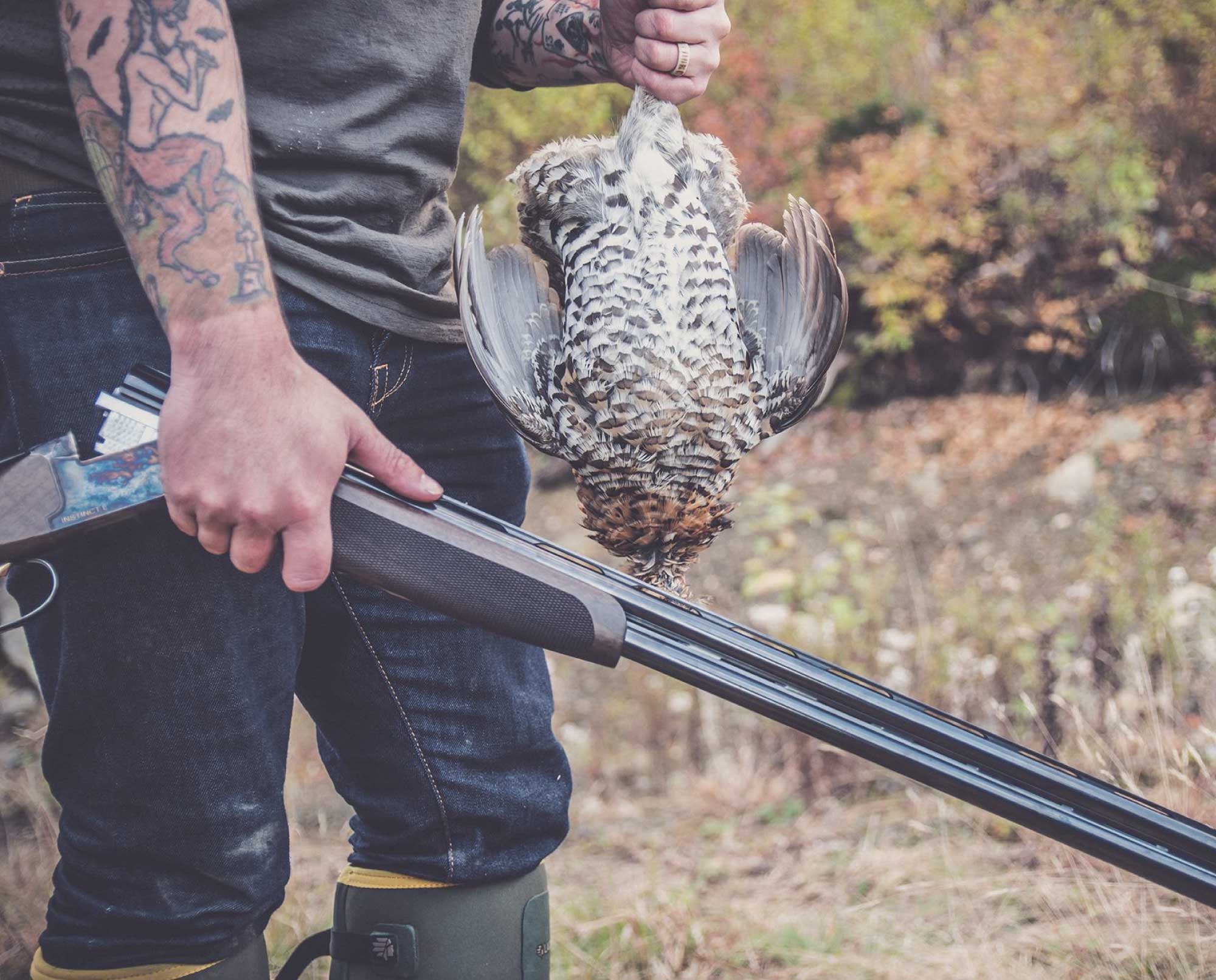
Image Source: projectupland.com
The Solo Hunter’s Mindset for Upland Birds
Hunting pheasants solo means you become the dog. You must use your eyes, ears, and nose more intently. It is slower, but finding wild pheasants solo can be very rewarding. This method is often called wing shooting without a dog. It demands patience. Rushing means missing opportunities. Success hinges on working the ground methodically.
Choosing the Right Terrain for Solo Hunting
Pheasants thrive in specific habitats. Knowing where to look is the first step in locating pheasants without canine aid. They like edges—where fields meet thicker cover.
Prime Habitat Features
- Field Edges: The border between crop fields (like corn or grain stubble) and tall grass or weedy areas is prime real estate.
- Creeks and Ditches: Water sources offer cover and security for birds. Look for dense cattails or brush along these lines.
- CRP Land: Conservation Reserve Program lands often have thick, uncut grasses perfect for hiding roosters.
- Farm Buildings: Old barns or brush piles near farmyards often hold birds, especially later in the season.
When public land pheasant hunting without a dog, scout maps beforehand. Look for varied cover types clustered together. This variety gives birds food, water, and shelter all in one spot.
Locating Pheasants Without Canine Aid
Since you lack a dog’s nose, you must use visual cues and physical sign. Pheasant tracking without a dog is about reading the environment.
Reading the Signs
Birds leave clues. Look closely at the ground and vegetation.
- Tracks: Pheasant tracks look like chicken tracks, but larger. Look for them in dusty patches or mud near water.
- Droppings: Fresh droppings mean birds were recently in the area. They are dark and often oval-shaped.
- Dust Baths: Look for shallow depressions where birds have rolled in dry dirt to clean their feathers.
- Peeled Grass: Sometimes, pheasants strip grass or seeds from low plants. Look for broken stems.
- Visual Sightings: Early morning or late evening, you might spot them moving between feeding and roosting areas.
Working the Cover Systematically
The key to finding wild pheasants solo is moving slowly and deliberately. Do not crash through the cover. Walk the edges first. If you walk the edge of a thick patch, you push birds toward the center or out the far end where you can shoot.
- Use a Grid Pattern: If you are in a large field of tall grass, walk in a grid. Walk a straight line, then turn 90 degrees and walk back. This covers the area thoroughly.
- Walk Parallel to Cover: When near a thick line of trees or a fence row, walk a few yards away from it. This makes birds flush away from the dense cover, giving you a cleaner shot.
Flushing Pheasants Without A Dog
Flushing pheasants without a dog is the hardest part. Dogs do the hard work of pushing birds into the air within shooting range. You have to do this yourself, which means managing the bird’s flight path.
Alternative Pheasant Flushing Methods
You need to be the unpredictable element that scares the bird into flying. These alternative pheasant flushing methods focus on surprising the bird.
1. The Slow Creep and Sudden Burst
Walk slowly toward an area you suspect holds birds. Stop often. Look intently. When you think a bird is close, suddenly increase your speed and make some noise (a loud clap or yell). This sudden change can trigger the flush.
2. Using Sound and Movement
Pheasants often hold tight when they hear slow, steady footsteps. Change the rhythm. Stop, wait five minutes, then move quickly past the suspected spot. You can also toss a rock or a stick into dense cover ahead of you. Sometimes the sound will spook a bird into the air.
3. Working Fence Lines and Thickets
Fence lines and thickets are prime spots for tight-holding birds.
- Fence Lines: Walk the fence line but keep your shotgun ready. Stop about every 20 yards. If you see movement near the base of the fence, pause. Slowly approach that spot from an angle, not straight on.
- Thickets: Do not walk directly into the thickest part. Walk around the edges first. If you must go in, walk slowly, sweeping your gun muzzle low (while being safe) to show you are ready, and be prepared for a sudden flush right at your feet.
Managing the Flush Angle
When a bird flushes, it rarely flies straight away from you. It usually flies toward the easiest escape route—often the thickest cover nearby.
- Anticipate the Turn: If you spook a bird near a ditch, expect it to fly across the ditch or up the far bank. Move your feet quickly to get into a shooting position pointing toward that expected line of flight.
Gear for the Solo Upland Hunter
Hunting solo means carrying more necessary gear. You need equipment that aids mobility and safety, especially since you cannot rely on a dog to retrieve downed birds.
Essential Equipment Checklist
| Item | Purpose for Solo Hunting |
|---|---|
| GPS/Map | Essential for navigating large public tracts; aids in marking locations. |
| Blaze Orange Vest/Hat | Maximum visibility is crucial when hunting alone. |
| Shooting Glasses | Protect eyes from brush and flying shot. |
| Game Bag/Vest | To carry harvested birds. |
| Sturdy Water/Snacks | Longer walks mean you need more supplies. |
| First Aid Kit | Solo accidents are more serious; have basic supplies. |
The Best Boots for Pheasant Hunting Without a Dog
You will be walking much more than a dog handler. You cover the distance the dog would normally cover searching. Therefore, good footwear is non-negotiable. The best boots for pheasant hunting without a dog must offer great ankle support and puncture resistance.
- Height: Look for 8-inch to 10-inch boots. Taller boots protect against snake bites (depending on location) and keep stickers and thorns out.
- Waterproofing: Essential for dew-soaked mornings or crossing damp creek bottoms. Gore-Tex or high-quality leather treatment works well.
- Traction: Deep lugs are needed for climbing muddy banks or walking through thick stubble.
- Cushioning: Since you are doing all the walking, prioritize comfort to prevent fatigue late in the day.
Shotgunning Tactics for Wing Shooting Without A Dog
Wing shooting without a dog presents specific shooting challenges. A dog brings the bird into a predictable range. Solo hunting often means birds flush further away or fly unexpectedly fast.
Shot Selection and Choke
Use a shotgun suitable for upland birds, usually a 12 or 20 gauge.
- Shot Size: #4 or #5 shot is standard for pheasants. It offers good impact energy for tough birds.
- Choke: Start with an improved cylinder choke. This gives you a wider pattern, which helps when birds flush farther out or when you are rushed. If birds consistently flush very close (under 25 yards), switch to a modified choke.
Mounting and Leading
When you are alone, you must control your mounting process. A dog often distracts you, making your mount sloppy. Take your time.
- Identify the Bird: Look for the full form—not just a flash of color.
- Track Smoothly: Keep the bead or sight moving with the bird.
- Swing Through: Do not stop your swing when you pull the trigger. Keep pushing the gun forward along the bird’s path. This is crucial for distant flushes.
If a bird flushes far away (over 45 yards), it is often best to let it go. Shooting at very long ranges usually results in wounded birds that are impossible to track down solo.
Tracking and Retrieving Without a Canine Partner
This is the most difficult aspect of pheasant hunting without a dog. If you shoot a bird and it falls, you must find it immediately. A wounded bird can crawl a long distance into impossibly thick cover.
Immediate Action Upon the Shot
- Mark the Fall: As soon as you shoot, point with your non-trigger hand where the bird fell. Watch the spot intensely.
- Observe Flight Path: Did the bird seem injured? Did it try to keep flying low? If it dropped cleanly, move directly to the spot you marked.
- Stop and Listen: After you mark the fall, wait 30 seconds before walking in. A wounded bird might lie still immediately after falling. Listen for rustling or faint distress sounds.
Systematic Search Pattern
Once you reach the fall zone, search in expanding circles.
- Small Circles First: Search a 5-yard radius very carefully. Look under every weed clump, behind every thistle stalk.
- Expand Out: If you find nothing, expand the search area by 5 yards in all directions. Move slowly, scanning the ground level, not looking far ahead.
If the terrain is extremely thick (like tall cattails), you might have to accept a loss if the bird didn’t fall cleanly. This is a harsh reality of pheasant hunting without a dog. Always shoot ethically, only taking shots you are certain you can find.
Navigating Public Land When Hunting Solo
Public land pheasant hunting without a dog often means dealing with more pressure and less ideal cover. You need to hunt smarter than those who have dogs.
Tactics for High-Pressure Areas
If you are hunting a heavily used public area, avoid prime access points where everyone starts.
- Hunt the Edges of Edges: Instead of hunting the main field edge, look for small, isolated patches of cover away from parking lots or main trails.
- Hunt Later or Earlier: Many hunters are out at sunrise. Arriving mid-morning or hunting the last hour of light often means you have the fields to yourself. Birds may be more active feeding or moving at these times.
- Access Differently: If there is a main road bordering the hunting area, try accessing the field from a distant, overgrown path or even crossing a nearby creek if safe and legal. Unconventional entry points mean fewer birds have been pushed out already.
Safety Considerations for the Solo Hunter
Safety is paramount when hunting alone, especially far from help.
- Communication: Always tell someone exactly where you are hunting and when you expect to be back. Carry a fully charged cell phone.
- Buddy System (Even Solo): If you are in a group, but hunting separately, agree on check-in times. If you are truly solo, use a whistle or emergency beacon if necessary.
- Know Your Boundaries: Especially on large tracts, know where public land ends. Crossing property lines illegally leads to trouble. Use your GPS to stay aware of boundaries.
Seasonal Shifts and Adapting Your Strategy
Pheasants change their behavior as the season progresses. Your solo tactics must adapt.
Early Season (October/Early November)
Birds are often lazier and hold tighter in the first cover they find after being flushed.
- Focus: Look near harvested grain fields. Birds feed heavily early on.
- Strategy: Approach cover slowly. They haven’t learned all the human avoidance tricks yet. A standard slow creep and flush works well.
Mid-Season (Mid-November)
Birds become warier. They learn to associate hunters with danger.
- Focus: Focus on areas with excellent overhead cover (like drainage tiles or thick brush piles) where they feel safe.
- Strategy: Employ alternative pheasant flushing methods. Use decoys (if allowed) to hold their attention while you flank them. Try walking toward their likely roosting spots just before sunset.
Late Season (December/January)
Food is scarcer, and weather is harsh. Birds congregate near reliable resources like residual standing corn, sheltered creek bottoms, or farmyards.
- Focus: Concentrate efforts on thermal cover—areas that offer protection from wind and snow.
- Strategy: This is where pheasant tracking without a dog becomes critical. Look for heavy sign. Birds move less, so finding their specific location is key. Be prepared for long, cold stalks. Be very careful about trespassing near farm buildings, as birds often gather there seeking food scraps.
Comprehending Pheasant Hearing and Vision
To succeed in locating pheasants without canine aid, you must think like them regarding their senses.
Vision
Pheasants have good eyesight. They see movement well. This is why sudden movements or rushing scares them into flushing prematurely, often out of range. They are masters of camouflage, blending perfectly with brown stubble or dried weeds.
Hearing
Their hearing is sharp. They can detect faint sounds from a distance. Slow, methodical movement is often better than fast, noisy movement until the exact moment you want the flush. When moving through heavy cover, try to minimize the sound of your steps crunching dry leaves or snapping twigs.
Table: Solo Hunter vs. Dog Hunter Comparison
This table shows the key differences in workload and success factors when pheasant hunting without a dog.
| Feature | Hunter With Dog | Solo Hunter |
|---|---|---|
| Search Area Coverage | Wide and fast (dog covers ground quickly). | Slow and methodical (hunter covers less ground). |
| Bird Proximity at Flush | Usually within 15-30 yards (ideal shooting range). | Highly variable; often flushes far or too close. |
| Tracking/Retrieval | Automatic; dog handles the hard work. | Entirely the hunter’s responsibility; high risk of loss. |
| Physical Demand | Moderate (walking plus managing the dog). | High (walking twice the distance, intense visual searching). |
| Required Skill Focus | Dog handling and shooting mechanics. | Habitat reading, tracking, and patience. |
Final Thoughts on the Solo Pursuit
Pheasant hunting without a dog is not easier, but it builds exceptional hunting skills. You learn to read the land intimately. You become better at tracking and positioning yourself for the shot. Every bird you manage to find, flush, and retrieve alone is a testament to your dedication to wing shooting without a dog. Focus on safety, walk slow, read the ground signs, and enjoy the quiet challenge of finding wild pheasants solo.
Frequently Asked Questions (FAQ)
Q1: Is pheasant hunting harder without a dog?
A: Yes, generally it is harder. A dog significantly increases the efficiency of finding birds and guarantees retrieval of downed game, which is vital when pheasant tracking without a dog proves difficult in dense cover.
Q2: What is the best time of day for solo pheasant hunting?
A: Early morning (just after sunrise) or late afternoon (the last two hours before sunset) are often best. Birds move to feed or roost during these times, making them more visible or more likely to flush as you approach their temporary staging areas.
Q3: Can I use a drone to locate pheasants?
A: No. In most states, using drones or any remote-controlled aircraft for spotting or flushing game birds is illegal. Always check local regulations before attempting locating pheasants without canine aid using electronics.
Q4: Should I use a camouflage pattern or blaze orange?
A: Blaze orange is mandatory or strongly recommended in most areas for safety, especially when public land pheasant hunting without a dog because other hunters might not anticipate your presence in dense cover. Wear a bright blaze orange hat and vest over your camouflage clothing.
Q5: How close can a pheasant hold to a hunter without a dog?
A: Without a dog forcing the issue, pheasants can hold incredibly close, sometimes just a few feet away, especially in very thick cover like cattails. Be prepared for a sudden, explosive flush right at your feet when flushing pheasants without a dog. This is why having the best boots for pheasant hunting without a dog is important; you need good footing for an immediate reaction.